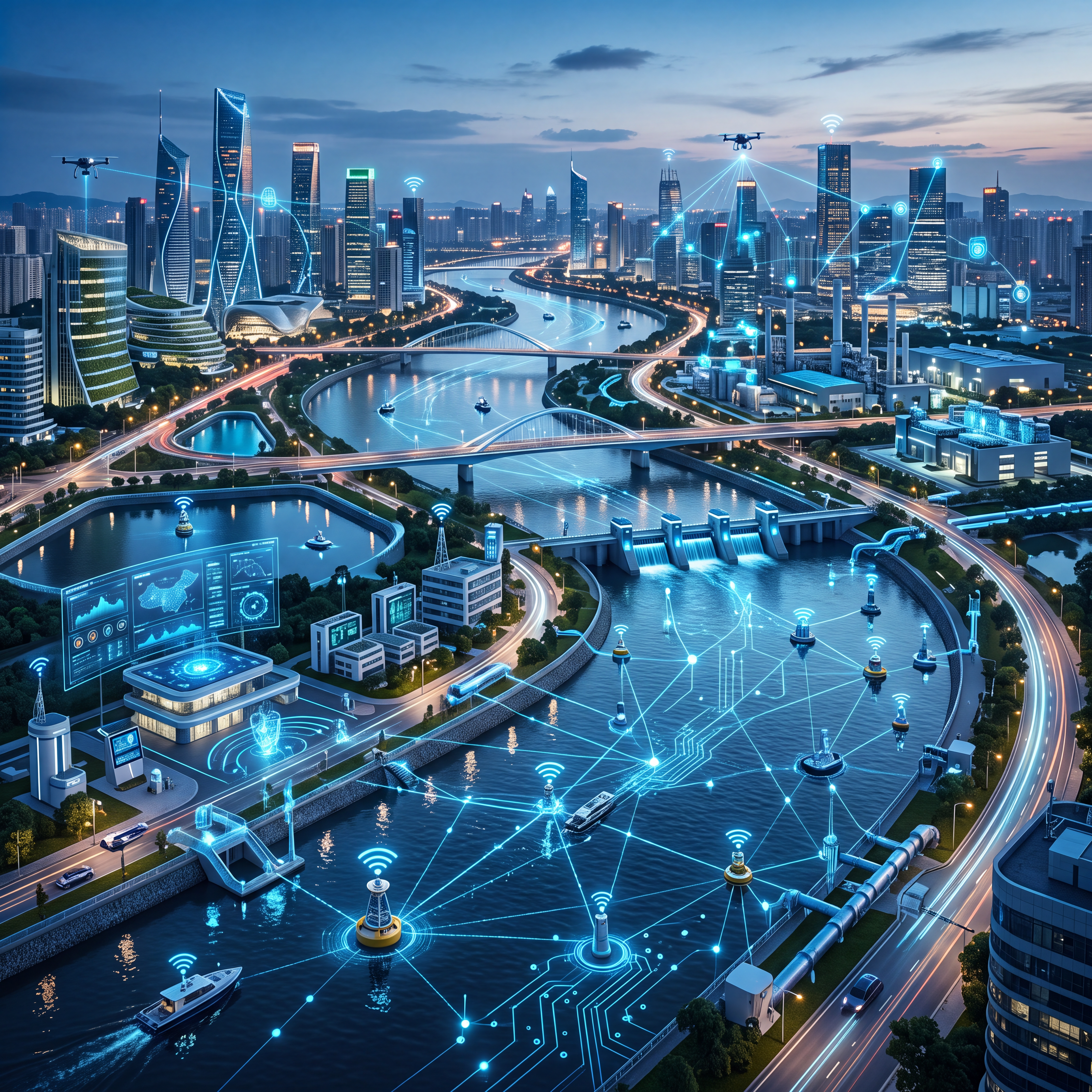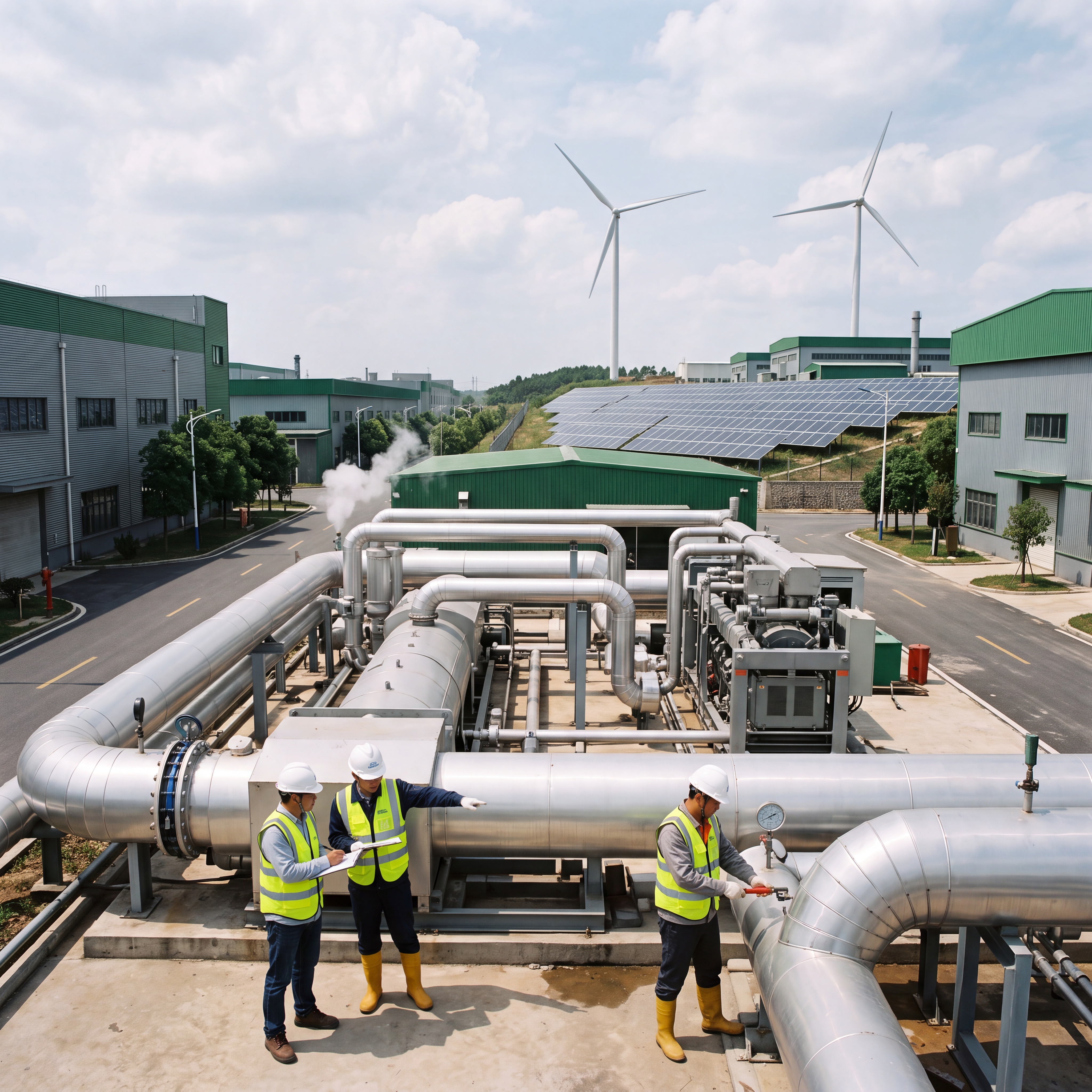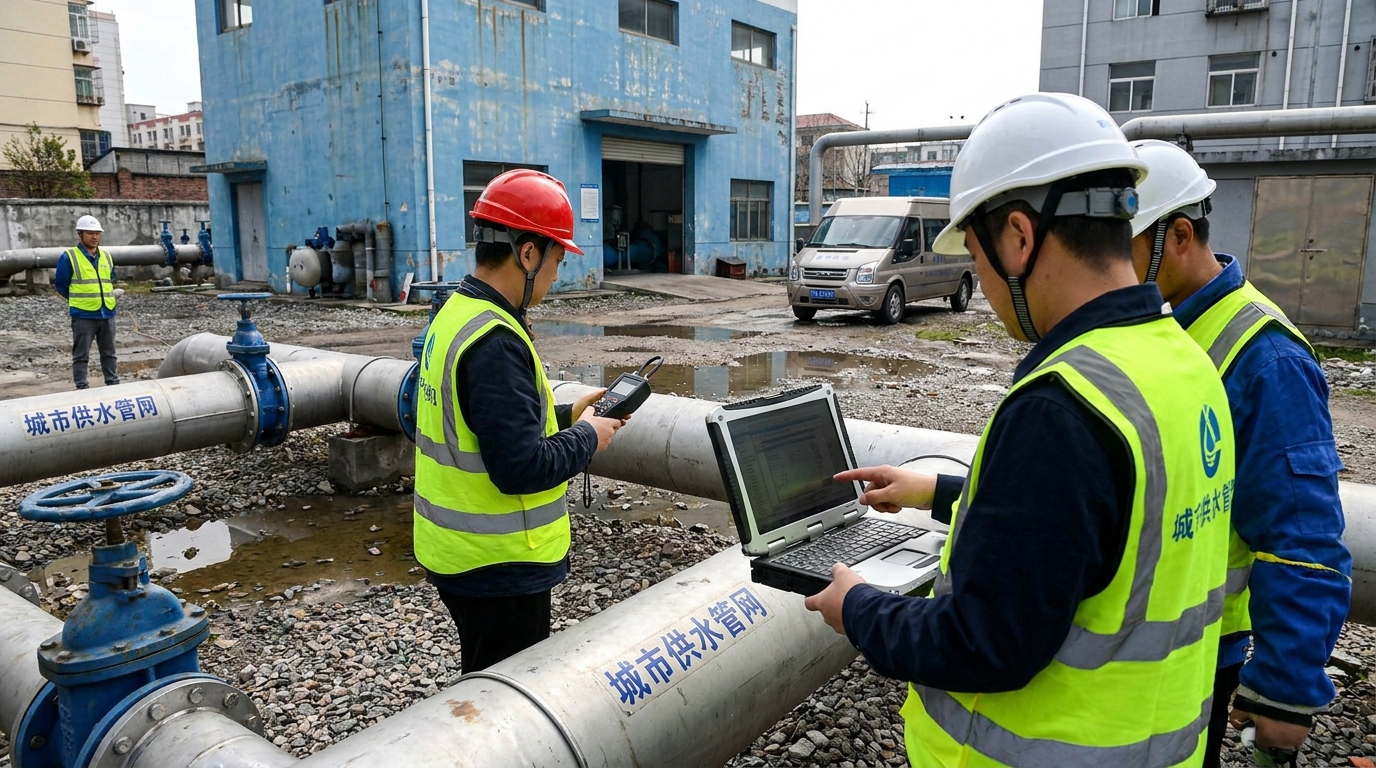
As global urbanization accelerates, the load-bearing capacity of city infrastructure faces unprecedented challenges. Serving as the "lifeline" of urban operations, the safety, stability, and efficiency of urban water distribution network monitoring are directly linked to national well-being and public livelihood. In recent years, driven by the rapid advancement of the Internet of Things (IoT), big data, and sensing technologies, this field is undergoing a profound transformation from "passive emergency repair" to "active prevention and control."
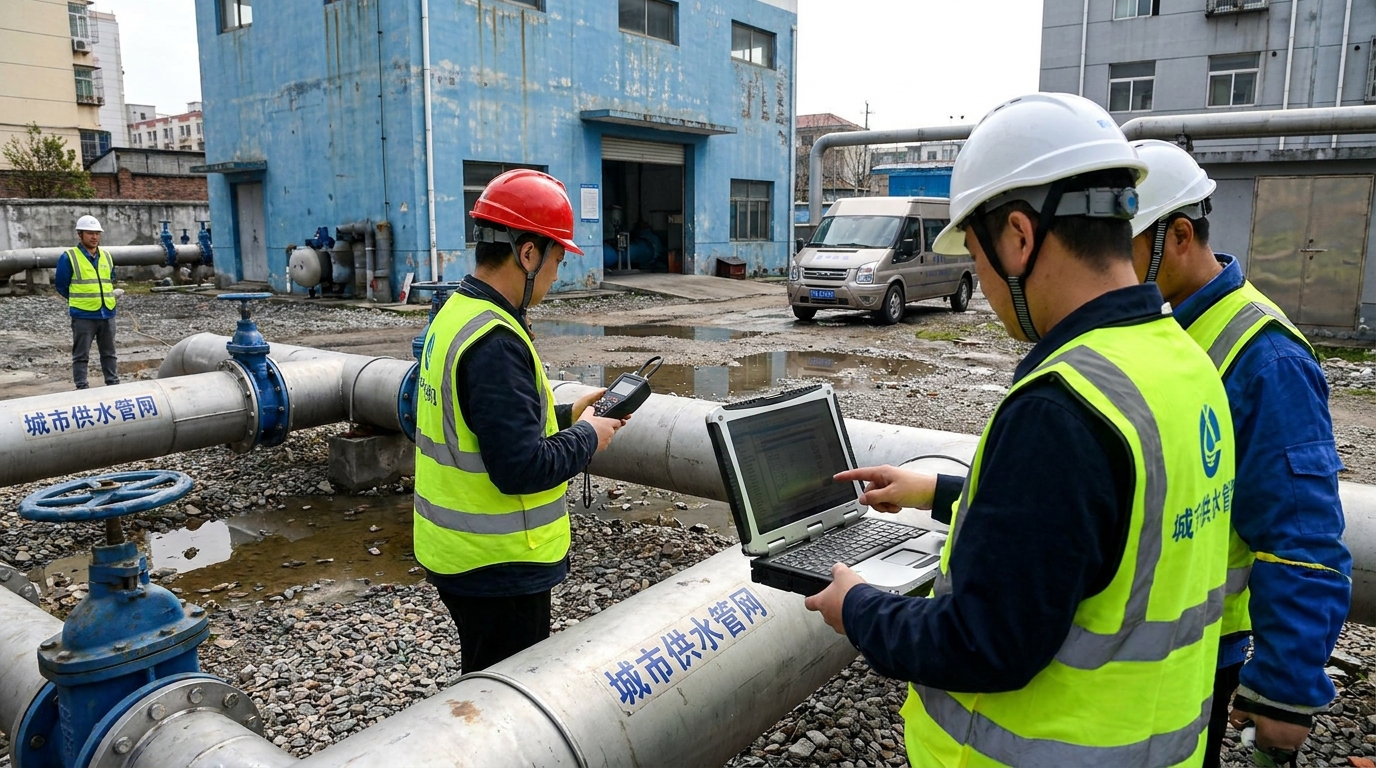
Current Technological Landscape: Multi-Dimensional Sensing Building a Digital Nervous System
Currently, advanced water distribution network monitoring systems rely on a comprehensive coverage of intelligent sensing devices. These devices act as the nerve endings of the city, collecting real-time operating status data from underground networks. Among various monitoring indicators, network pressure is the core parameter reflecting the health status and hydraulic characteristics of the water supply system.
Traditional pressure management often depended on manual inspections or coarse-grained monitoring only at main trunk nodes. In contrast, modern IoT technology has achieved high-density, real-time online monitoring of network pressure. By deploying high-precision pressure sensors at key nodes, water utility dispatch departments can accurately capture minute fluctuations in water pressure.
Maintaining reasonable network pressure not only ensures the end-user water experience but is also the most effective means to prevent bursts and control leakage. Physical laws dictate that excessive network pressure increases physical leakage rates exponentially, while sudden drops in pressure are often precursors to major burst accidents. Therefore, the real-time perception of pressure data constitutes the first line of defense in modern network monitoring.
Core Methodologies: DMA Zone Metering and Refined Leakage Analysis
Facing a complex underground network stretching hundreds or even thousands of kilometers, attempting to locate leak points directly from a global perspective is akin to finding a needle in a haystack. To address this, the water industry has widely adopted District Metered Area (DMA) zone metering technology. The core logic of DMA zoning involves dividing the vast and complex physical network into several relatively independent and appropriately sized closed water supply areas by closing valves or installing boundary flow meters.
With scientifically established DMA zones, leakage analysis gains a solid data foundation. By frequently collecting and comparing the total inflow volume of each zone with the legal water consumption of users within that area, backend systems can precisely calculate the non-revenue water (NRW) ratio for that region. More critically, combined with the Minimum Night Flow (MNF) model, technicians can focus on deep analysis of data during the low-consumption period between 2:00 AM and 4:00 AM.
During this time, network flow consists primarily of background leakage and minimal legitimate night usage. By using algorithms to filter out normal consumption, the specific abnormal background leakage amount and potential hidden leak points can be identified with precision. This leakage analysis method based on DMA zone metering has completely changed the status quo of blind leak detection, narrowing the scope of leak investigation to specific blocks and significantly improving both work efficiency and the hit rate for detecting hidden leaks.
Application Scenarios: Comprehensive Coverage from Daily Dispatch to Emergency Response
The mature application of water network monitoring technologies is reshaping the operation and dispatch models of modern water utilities. In daily operational scenarios, based on real-time feedback of network pressure and flow, dispatch centers can implement scientific dynamic pressure regulation. For instance, during morning and evening peak hours, pump station outlet pressures can be moderately increased to ensure water demand for high-rise buildings and residents at the far ends of the network.
Conversely, during the nighttime trough, smart pressure-reducing valve groups automatically lower network pressure. This not only significantly reduces unnecessary water seepage at night but also effectively alleviates pipe fatigue, extending the overall service life of the piping materials.
In emergency response scenarios, when a sudden rupture occurs on a main trunk line, acoustic leak detectors, flow meters, and pressure sensors surrounding the area immediately capture abnormal data spikes. The backend control system performs rapid calculations using preset hydraulic models, capable of pinpointing the approximate accident area within one minute and automatically generating the optimal valve isolation scheme. This process shortens the originally passive discovery phase, which could take hours, down to a matter of minutes. This drastically reduces the loss of precious water resources and minimizes the probability of secondary disasters such as road collapses.
Future Trends: AI Empowerment and Digital Twins for Proactive Monitoring
Looking ahead, urban water network monitoring technologies are evolving towards a more intelligent and proactive direction. On one hand, artificial intelligence (AI) and machine learning algorithms are deeply intervening in the leakage analysis process. Traditional data models often relied on fixed thresholds for alarms. Modern AI algorithms, however, can synthesize multi-dimensional data including weather conditions, holiday factors, and historical usage patterns to autonomously learn and establish exclusive water consumption baselines for each DMA zone.
This enables dynamic, adaptive anomaly warnings, which greatly improve the detection rate of hidden leaks while significantly reducing false alarm rates. On the other hand, "Digital Twin" technology is recognized as the ultimate form of network monitoring. By deeply integrating GIS geographic information systems, SCADA data collection and monitoring systems, online hydraulic models, and IoT time-series data, the industry is constructing a virtual digital network that perfectly mirrors the real physical network.
In a digital twin environment, managers can achieve "visualized" transparency of underground water flow states. Furthermore, they can conduct sandbox simulations and rehearsals for future network expansions, renovations, and pressure regulation schemes under extreme working conditions, thereby achieving a leap from preventive maintenance to predictive maintenance.
Conclusion
Urban water distribution network monitoring is not merely an engineering technology application but a crucial manifestation of refined governance capabilities in modern cities. With high-frequency network pressure monitoring as the foundation, scientific DMA zone metering as the handle, and deep leakage analysis models as the core, next-generation network monitoring technologies are providing powerful technical support for urban water conservation, emission reduction, cost reduction, and efficiency improvement.
As digital technologies continue to iterate, future urban water supply systems will undoubtedly demonstrate greater vitality and resilience, ensuring that every drop of precious water flows efficiently to serve the high-quality development of cities.