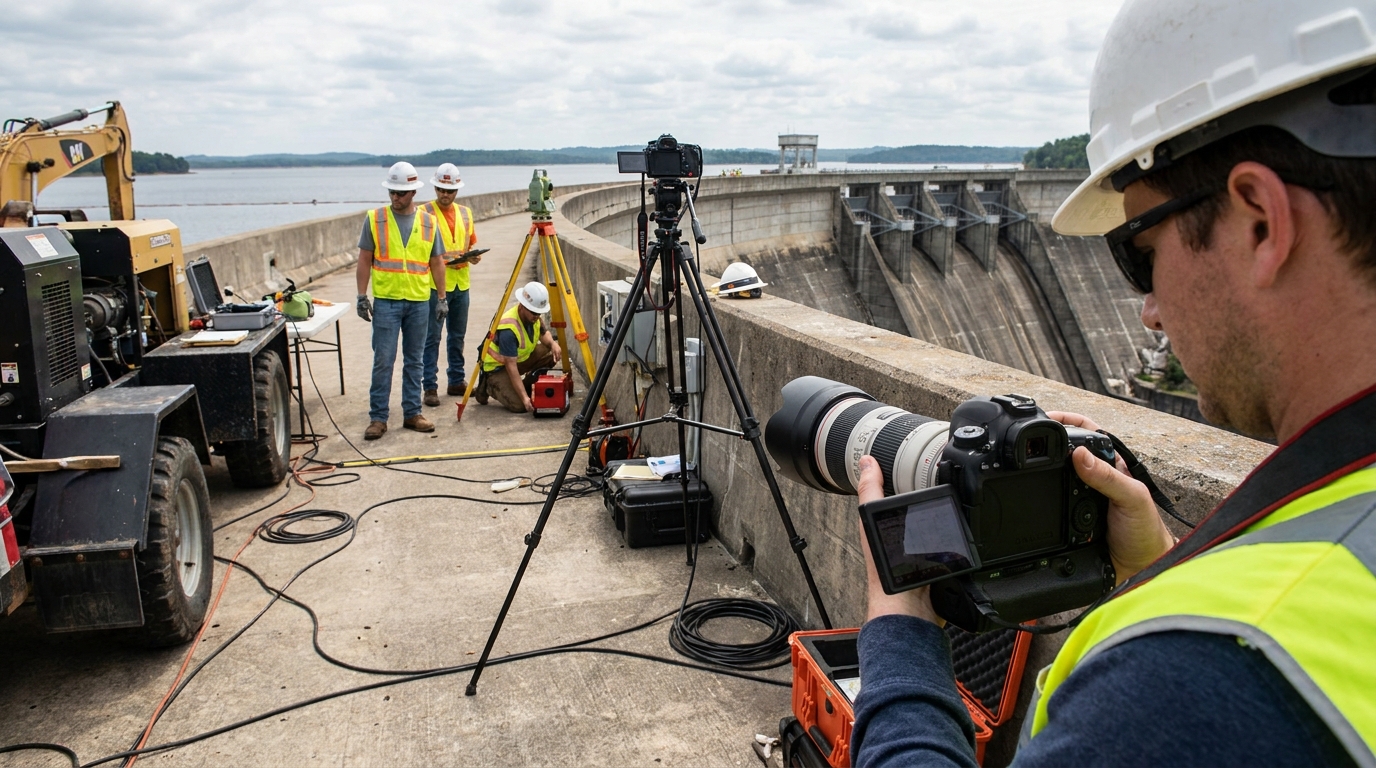
Latest Technology Advances in Reservoir Dam Safety Monitoring
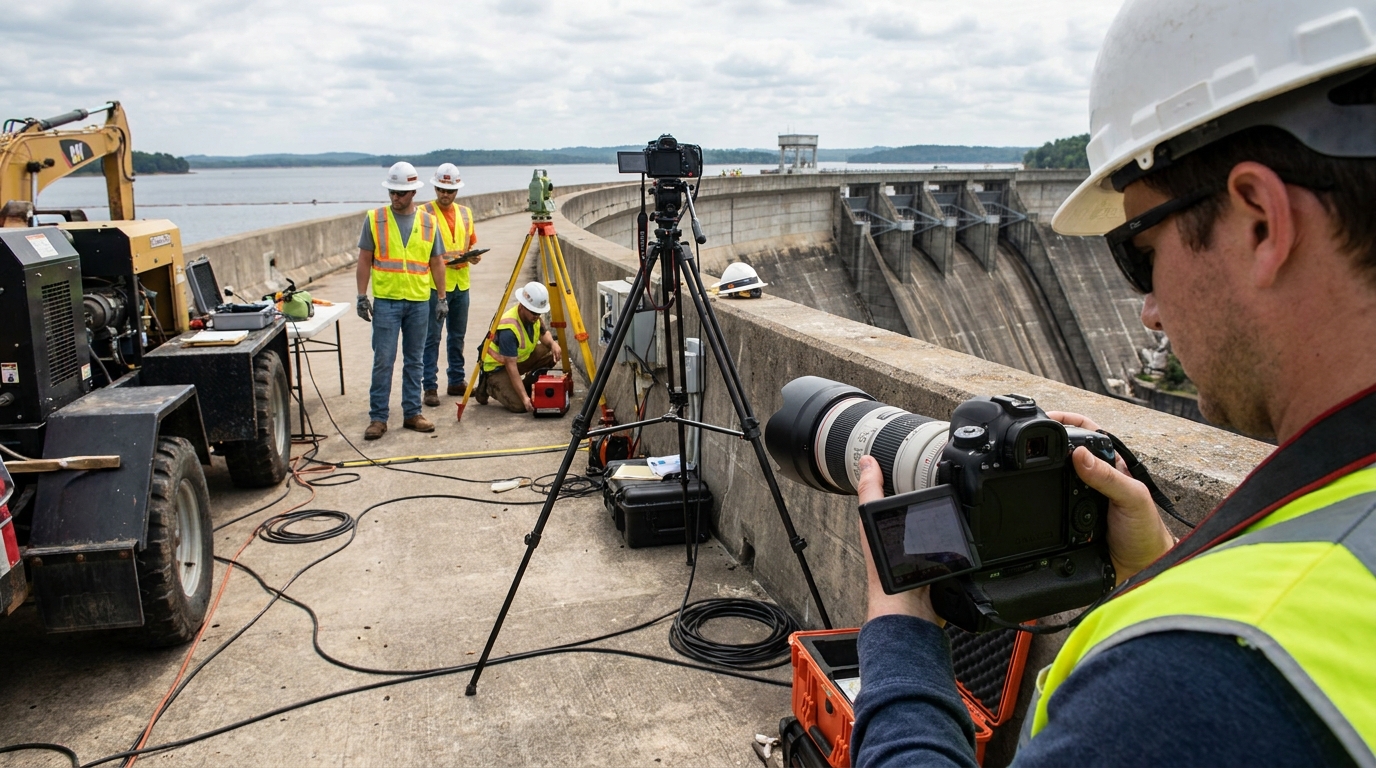
Reservoir dams serve as critical hydraulic infrastructure, playing an indispensable role in flood control, irrigation, power generation, water supply, and ecological protection. However, as many early-built reservoirs age, their structural safety and operational stability face severe challenges. A dam failure could result in catastrophic losses to the downstream ecosystem and human life and property. Consequently, establishing a scientific, real-time, and efficient safety monitoring system is not only an objective requirement for modern engineering management but also a vital defense line against disaster mitigation.
Core Methods of Modern Reservoir Dam Safety Monitoring
The field of reservoir dam safety monitoring has transitioned comprehensively from traditional manual inspections and hand-measured data to a new era characterized by automation, informatization, and intelligence. Among the myriad monitoring indicators, hydro-meteorological data and internal dam body behavior data constitute the two core dimensions for assessing dam safety. Notably, radar water level gauges and seepage monitoring technologies have demonstrated exceptional technical value and reliability in practical applications.
Radar Water Level Gauges for Flood Control Dispatch
Water level is the most fundamental data for evaluating reservoir flood dispatch and calculating dam body loads. Traditional water level gauges often suffer from measurement errors or equipment damage under extreme weather conditions. In recent years, radar water level gauges have emerged as the mainstream choice for reservoir monitoring, leveraging their non-contact measurement advantages.
By utilizing the time difference between the transmission and reception of high-frequency electromagnetic waves, these devices precisely calculate the distance to the water surface. This technology offers high measurement accuracy and rapid response times while remaining virtually unaffected by environmental temperature, air humidity, strong winds, dense fog, or floating debris on the water surface. Even during the flood season under harsh operating conditions characterized by high water levels and high flow velocities, radar gauges provide stable, continuous, and high-precision data around the clock, offering robust support for flood control dispatch.
Seepage Monitoring: The Stethoscope for Dam Health
There is a saying in the hydraulic industry: "Ten dams have nine leaks." Abnormal seepage is often a precursor to piping, soil erosion, and even dam failure. Therefore, seepage monitoring is regarded as the "stethoscope" for diagnosing the internal health of a dam. Modern seepage monitoring systems primarily cover two core aspects: seepage pressure (pore water pressure) and seepage discharge.
By scientifically installing vibrating wire piezometers and automated weirs within the dam body and foundation, monitoring systems can capture minute changes in internal water pressure and dynamic fluctuations in seepage volume in real time. These high-precision automated devices transform invisible groundwater movement into intuitive digital signals, enabling hydraulic engineers to accurately assess whether the anti-seepage system remains intact and to identify potential risks of internal erosion.
Application Scenarios in Smart Water Management
The application of reservoir dam safety monitoring technology spans daily operations and emergency management of hydraulic projects, manifesting in several key areas. From extreme weather responses to routine management of small and medium-sized reservoirs, these systems are revolutionizing how we protect water infrastructure.
Extreme Weather Response
During typhoons and heavy rainfall, radar water level gauges report rapidly rising water levels with ultra-high frequency updates at minute intervals. Coupled with upstream rain gauge data, hydrological models predict flood progression, allowing for scientific spillway and storage dispatch plans.
Small Reservoir Automation
Fully automated systems address personnel shortages in remote areas. Managers grasp physiological data remotely via mobile terminals, triggering automatic audio-visual and SMS alarms when seepage increases or water levels breach warning lines.
Future Trends: Digital Twins and AI in Dam Safety
With the deep integration of Internet of Things (IoT), big data, cloud computing, and artificial intelligence technologies, reservoir dam safety monitoring is rapidly evolving towards "full-element perception, holographic mapping, and full-intelligence decision-making."
Multisource Data Fusion and Digital Twin Dams
Future dam safety monitoring will integrate satellite remote sensing, drone imagery, and ground-based sensor networks to create a comprehensive digital twin of the dam. This virtual replica will allow for real-time simulation and prediction of dam behavior under various stress scenarios, providing a holistic view of the structure's status.
AI-Driven Predictive Analytics
Advanced machine learning algorithms will analyze historical and real-time monitoring data to detect subtle anomalies that precede major failures. By learning from vast datasets, AI models can predict potential structural issues before they become critical, moving the industry further towards predictive maintenance rather than reactive repair.
Cloud-Based Collaboration
Centralized cloud platforms will break down data silos, enabling regional resource optimization and coordinated emergency responses across jurisdictions.
In conclusion, the evolution of reservoir dam safety monitoring represents a critical leap forward in hydraulic engineering. By embracing automation, intelligent analytics, and digital transformation, the industry is better equipped to safeguard these vital assets, ensuring public safety and sustainable water resource management for generations to come.

