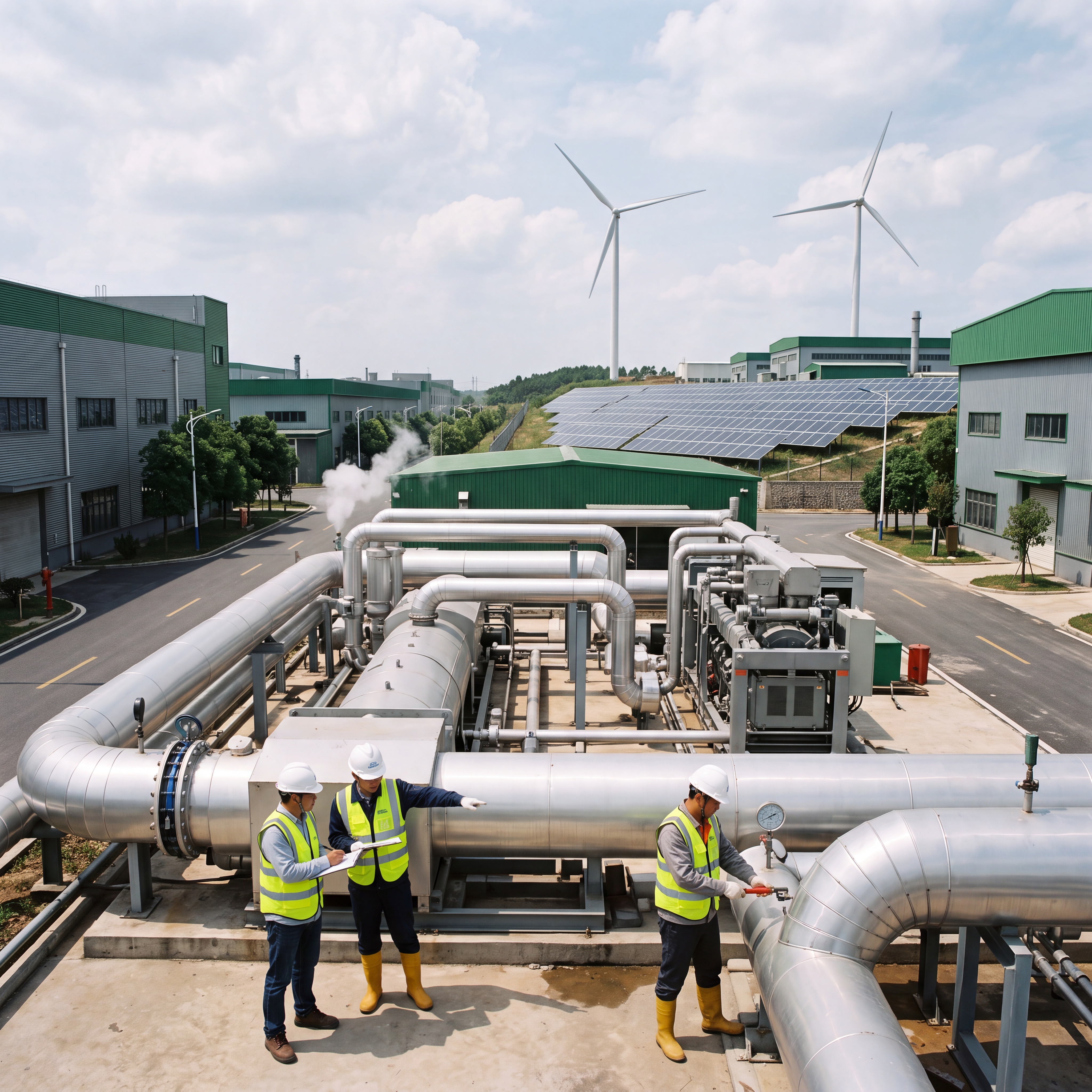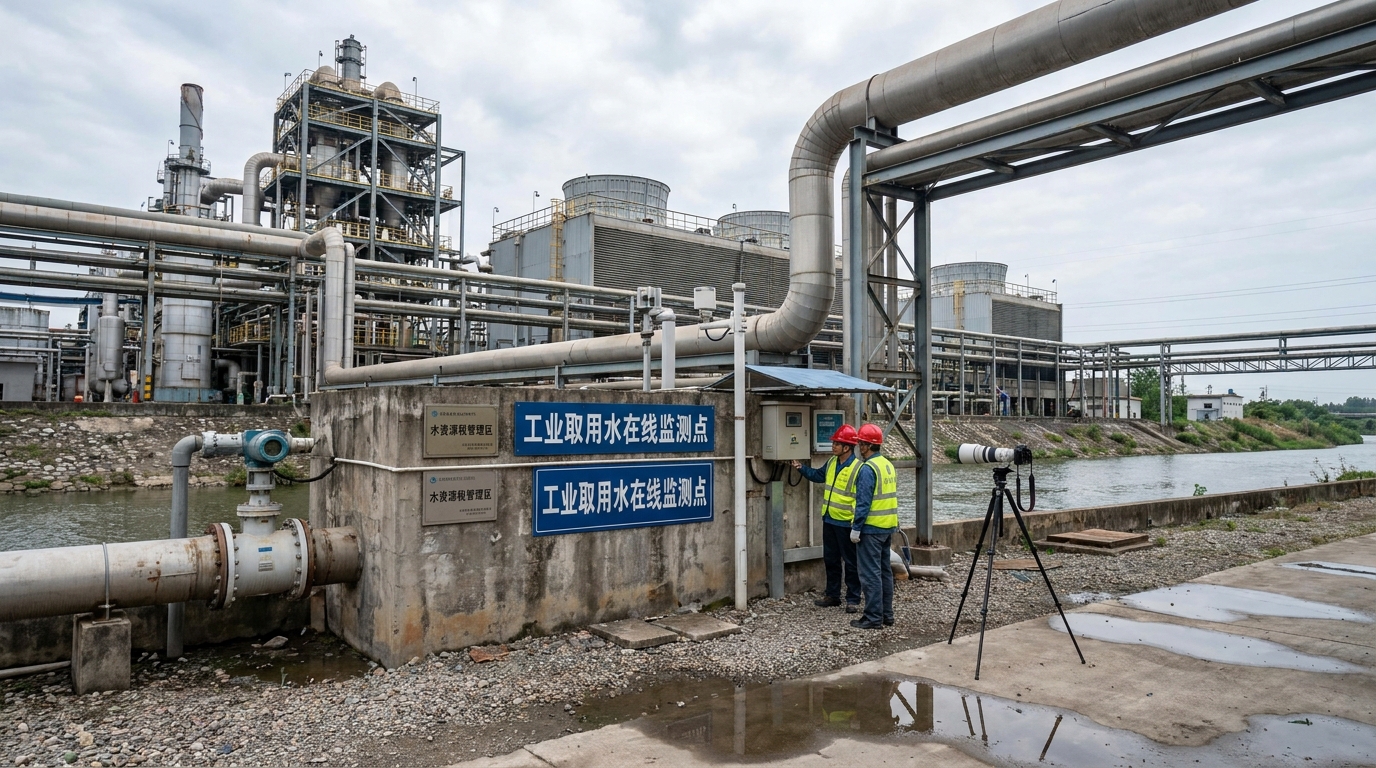
As global water scarcity intensifies, industrial water intake monitoring is transforming from extensive practices to precise methodologies under the new era of the water resource tax reform. In this critical policy context, high-precision electromagnetic flowmeters and IoT-enabled systems have become the "ruler and scale" for ensuring corporate tax compliance, reducing operational costs, and driving sustainable, low-carbon manufacturing.
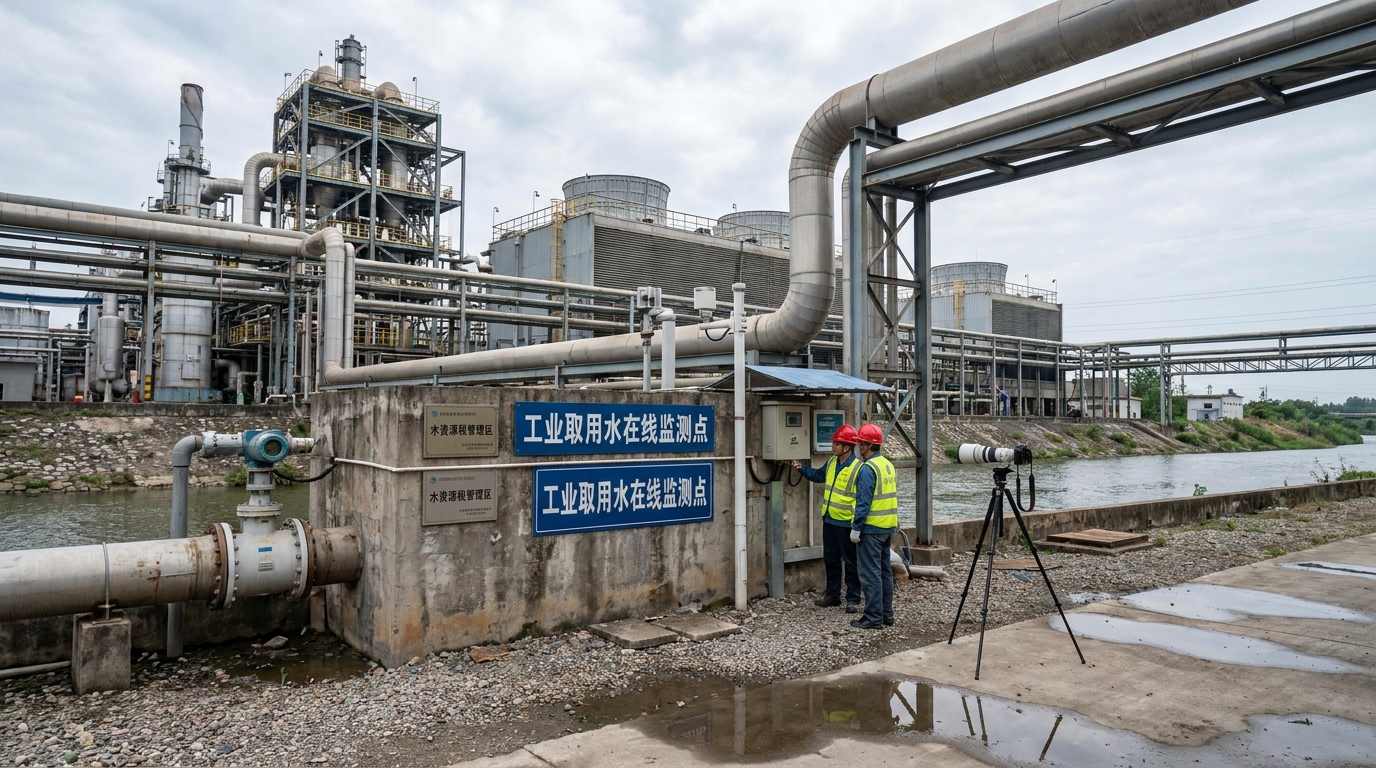
Water Resource Tax Reform Requirements
The core principle of water resource taxation is "levy based on volume," necessitating high-precision metering methods that replace outdated estimation or electricity bill conversions. With comprehensive implementation, water intake data now serves as the statutory basis for tax authorities, imposing stringent requirements on monitoring systems.
Enterprises must ensure their equipment offers high-precision instantaneous measurement, stability in harsh conditions, and remote data transmission with anti-tampering audit trails. Any negative errors result in state revenue loss, while positive errors inadvertently increase tax burdens, making precise metering essential for compliant operations.
High Precision
Class 0.5 accuracy for reliable tax base calculation.
Anti-Tamper
Secure data transmission with immutable audit trails.
Real-Time
Instantaneous flow data for immediate compliance checks.
Electromagnetic Flowmeter Advantages
Based on Faraday's Law of Electromagnetic Induction, these devices measure flow by detecting induced electromotive force when conductive liquids cut through magnetic field lines. They have established themselves as the absolute mainstay in industrial water intake monitoring due to their unique physical characteristics.
Featuring no obstructive parts within the measuring tube, they offer negligible pressure loss and a low risk of clogging, significantly reducing pump energy consumption. By selecting appropriate lining materials like PTFE or rubber and electrodes like 316L stainless steel, they adapt perfectly to diverse water qualities including silt and corrosive properties.
Their measurement accuracy remains unaffected by changes in fluid density, viscosity, temperature, and pressure, provided conductivity exceeds a certain threshold. They maintain Class 0.5 or higher accuracy even under wide range ratios, fully satisfying the high-precision data verification requirements imposed by water resource tax regulations.
System Architecture and Application Scenarios
Applications cover high-water-consumption sectors such as steel metallurgy, petrochemicals, coal mining, papermaking, and textiles, typically located at primary pump stations and factory inlet networks. Modern monitoring forms an integrated "Edge-Network-Cloud" IoT architecture rather than isolated instrument operation.
On the "Edge" side, high-precision electromagnetic flowmeters serve as the sensing core collecting real-time data. On the "Network" side, telemetry terminal units (RTUs) utilize 4G/5G, NB-IoT, or Beidou satellite systems to encrypt and upload data according to standards like SZY206.
On the "Cloud" side, comprehensive regulatory platforms enable data sharing between water management departments and tax authorities. These systems automatically generate reports, analyze trends, and trigger alarms for anomalies, severing the possibility of human intervention while providing enterprises with a digital dashboard for water consumption management.
Intelligence and Big Data Integration Trends
Industrial water intake monitoring technology is evolving towards high-level intelligence where next-generation electromagnetic flowmeters integrate edge computing and self-diagnostic functions. These smart devices can automatically identify abnormal conditions such as electrode fouling, empty pipes, or external interference, sending predictive maintenance suggestions to prevent measurement blind spots.
The value of water intake data is being redefined through big data analysis that cross-references water volumes with production output and electricity consumption. This establishes a water efficiency model for industrial enterprises, providing tax authorities with multi-dimensional means for tax source monitoring to prevent evasion.
For businesses, this scientific data support enables optimization of production processes, detection of pipeline leaks, and implementation of water-saving technological transformations. It represents the future of industrial water management, combining advanced hardware with deep data mining capabilities.
Conclusion
Industrial water intake monitoring represents a crucial technical support at the intersection of ecological civilization construction and fiscal tax system reform. Against the macro background of the full-scale promotion of the water resource tax, advanced technologies represented by electromagnetic flowmeters are reshaping the ecosystem of industrial water resource management.
For industrial enterprises, actively embracing high-standard and highly reliable water intake monitoring technologies is not only an inevitable choice to fulfill legal obligations and mitigate tax risks but also the only path forward towards green, low-carbon manufacturing and sustainable, high-quality development.