ROI Analysis of Water Network Monitoring: Cost-Benefit Comparison in Smart Water Projects
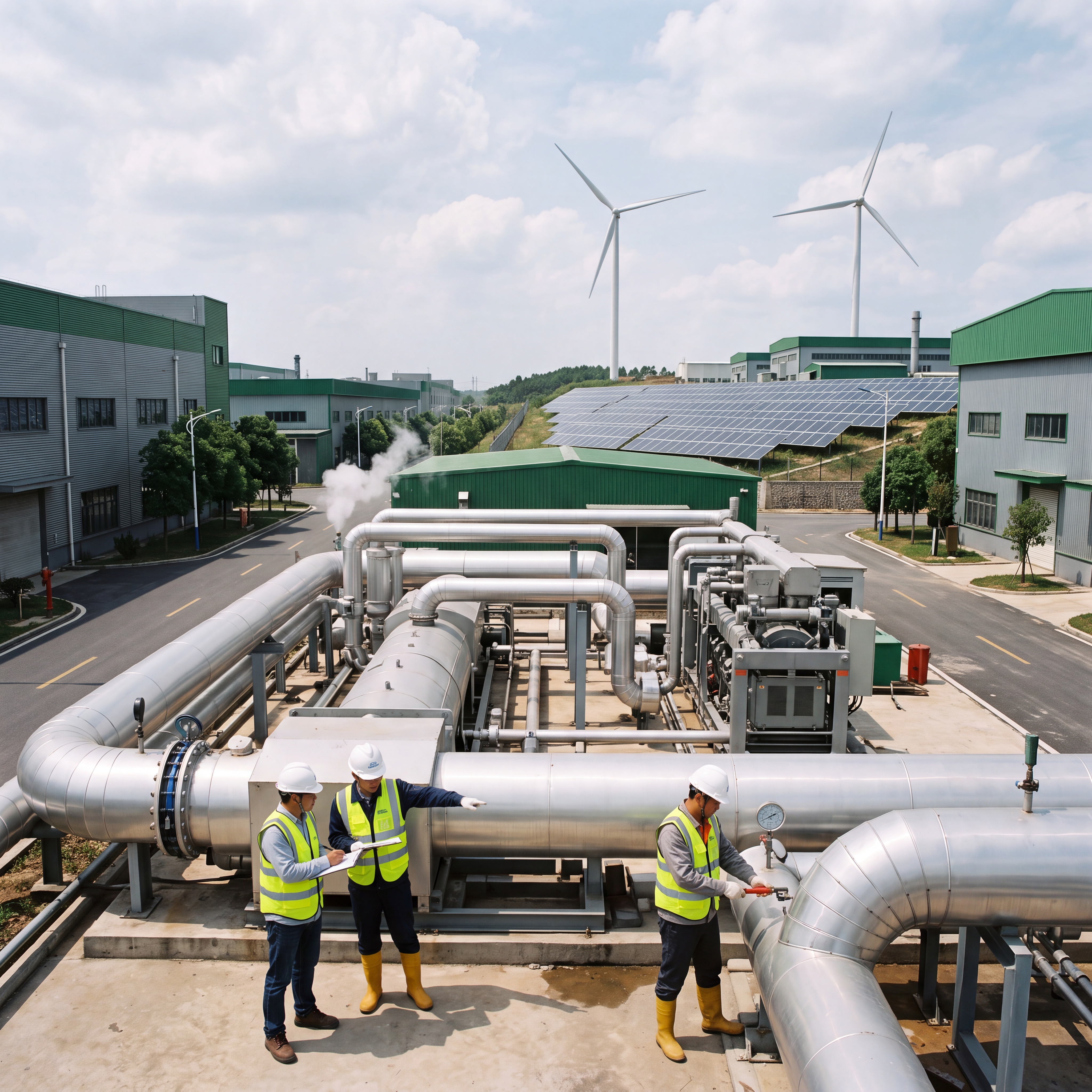
As cities expand and aging infrastructure strains municipal water systems, smart water network monitoring has emerged as a strategic investment—not just a technology upgrade. This analysis delivers a comprehensive, data-driven evaluation of equipment pricing, total cost of ownership (TCO), and long-term operational value for utility decision-makers.
We dissect real-world procurement tiers, expose hidden O&M expenses, and provide actionable procurement strategies to maximize return on investment in smart water infrastructure projects.
Smart Water Network Monitoring: From Reactive Repair to Proactive Intelligence
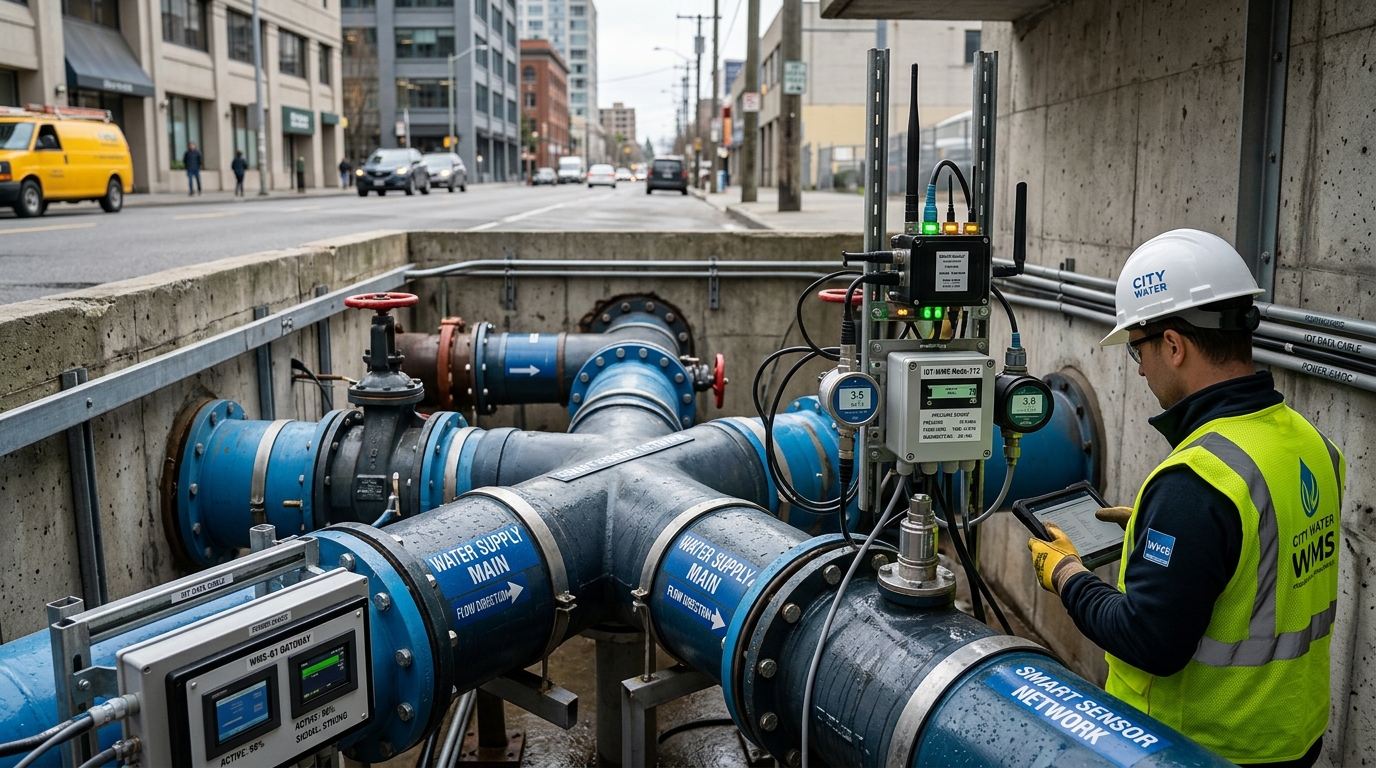
Modern water network monitoring has evolved beyond emergency response into a multi-layered, predictive defense system. Three integrated data dimensions form the technical foundation: pressure monitoring, acoustic-flow leakage detection, and real-time water quality assurance.
High-frequency pressure sensors detect micro-fluctuations and water hammer events—enabling rapid burst localization. Correlation-based acoustic loggers and smart flowmeters generate Minimum Night Flow (MNF) models to identify concealed leaks with precision. Meanwhile, online water quality stations continuously track residual chlorine, turbidity, and pH—ensuring regulatory compliance and “last-mile” safety for end consumers.
Water Network Monitoring Equipment Price Tiers: What You’re Really Paying For
Equipment pricing reflects underlying technical sophistication, durability, and intelligence—not just hardware cost. Based on current utility procurement benchmarks, smart water monitoring devices fall into three distinct value-based tiers:
Basic Pressure & Flow Terminals
RMB 2,000–5,000/unit
- IP68-rated, battery-powered
- NB-IoT or 4G connectivity
- Ideal for high-density grid deployment
Comprehensive Leakage Detection Devices
RMB 15,000–40,000/unit
- Ultrasonic/electromagnetic flowmeters + acoustic sensors
- Edge computing for noise filtering
- Transmits only high-value leak indicators
Online Multi-Parameter Water Quality Stations
RMB 40,000–100,000+/unit
- Pipeline analyzers + sampling + DAQ modules
- Optical (reagent-free) vs. wet-chemical methods
- Higher TCO due to consumables & calibration
Smart Procurement Strategy: Beyond the Lowest Bid
Selecting water network monitoring equipment requires balancing upfront cost with long-term interoperability, reliability, and lifecycle efficiency. Utilities must avoid the “lowest price trap” by anchoring decisions in operational reality—not just catalog quotes.
1. Prioritize Data Openness & Protocol Standardization
Monitoring systems must integrate—not isolate. New devices should support MQTT, CoAP, and open RESTful APIs to ensure seamless interoperability with existing GIS, SCADA, and asset management platforms. Proprietary silos erode ROI through costly middleware and manual data reconciliation.
2. Demand Ultra-Low Power & Environmental Resilience
Over 80% of sensors deploy in confined, damp meter pits—without grid power. Battery life is mission-critical. Evaluate sleep-wake cycles, transmission efficiency in weak-signal zones, and thermal tolerance. Target ≥3–5 years of maintenance-free operation under real-world conditions.
3. Apply Differentiated Deployment Logic
Not all pipes demand equal instrumentation. Deploy high-precision, multi-parameter devices on critical trunk mains where failure risk and repair cost are highest. Use cost-effective pressure terminals across branch and distribution networks to monitor macro trends—optimizing budget allocation without compromising system-wide visibility.
Total Cost of Ownership (TCO): The Hidden Costs Behind Smart Water Monitoring
Hardware acquisition typically accounts for only 30–40% of a water network monitoring project’s 10-year TCO. Unplanned operational expenditures—often overlooked during procurement—drive long-term financial performance.
Calibration & Consumables
Water quality sensors require quarterly cleaning/calibration; dissolved oxygen membranes or electrolytes need annual replacement—adding RMB 3,000–8,000/device/year.
Communication & Cloud Services
SIM data plans, cloud hosting, database licensing, and SaaS platform fees accumulate to RMB 1,500–4,000/device over 5 years—scaling exponentially with fleet size.
Manual Inspection & Battery Replacement
Confined-space entry, specialized lithium-thionyl chloride batteries, and labor-intensive field verification can cost RMB 2,500–6,000 per visit—often exceeding hardware value.
Conclusion: Building for Operation, Not Just Installation
Smart water network monitoring is not a one-time capital expense—it’s a 10+ year operational commitment. True ROI emerges only when procurement integrates lifecycle thinking: selecting interoperable, low-maintenance hardware; designing tiered deployment logic; and budgeting transparently for calibration, connectivity, and field labor.
Utilities that adopt a “construction-plus-operation” philosophy unlock measurable reductions in non-revenue water (NRW), accelerated leak response times, extended pipe asset life, and demonstrable public health protection—transforming monitoring from cost center to strategic value driver.