The Evolution of Water Monitoring SCADA Systems in 2026
The water utility sector is experiencing a transformative shift toward intelligent monitoring systems, driven by stringent regulatory requirements and the need for real-time compliance reporting. Modern RTU telemetry terminal solutions are at the forefront of this revolution, enabling utilities to detect contamination events that traditional monitoring methods frequently miss while ensuring seamless regulatory compliance.
Recent industry analysis reveals that advanced IoT-enabled monitoring systems can identify over 17 previously undetected contamination incidents, dramatically improving response times and helping utilities maintain continuous compliance with evolving water quality standards. This capability represents a fundamental advancement in water monitoring SCADA technology, where real-time data acquisition and processing have become critical operational requirements.
Critical Parameters in Modern Hydrological Data Acquisition
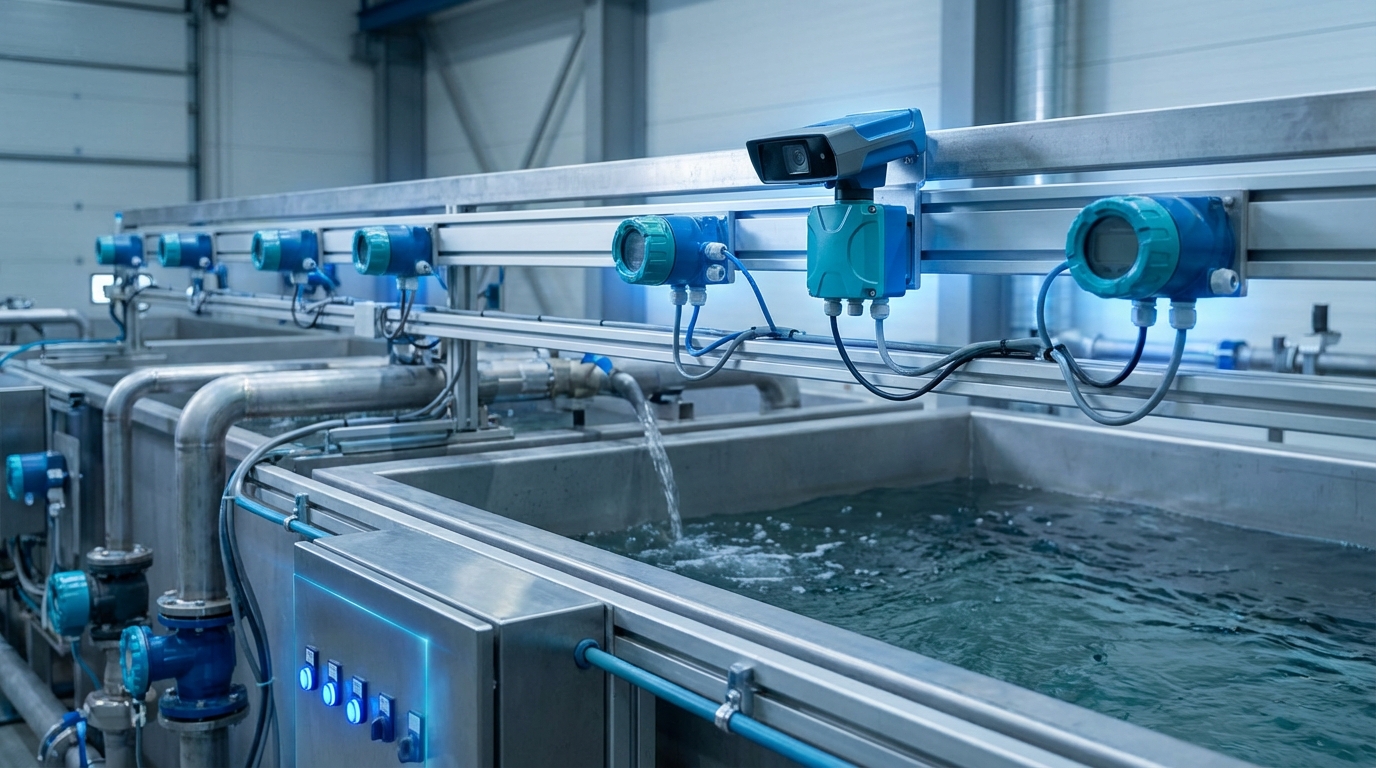
Contemporary water monitoring systems must simultaneously track multiple critical parameters to ensure comprehensive coverage of water quality and system performance. The most essential parameters include pH levels, turbidity measurements, total dissolved solids (TDS), dissolved oxygen concentrations, and temperature variations. Additionally, pressure monitoring, flow rate analysis, and environmental factors such as air quality and humidity play crucial roles in maintaining system integrity.
The integration of these diverse monitoring capabilities requires sophisticated hydrological data acquisition systems capable of processing multiple sensor inputs simultaneously. Advanced RTU terminals equipped with ARM Cortex-A7 processors provide the computational power necessary for real-time data processing while maintaining the reliability required for continuous operation in challenging field environments.
Compliance-Driven Implementation Strategies
Successful deployment of modern water monitoring systems requires a structured approach that prioritizes high-impact monitoring locations while ensuring compatibility with existing infrastructure. Industry best practices recommend beginning with critical monitoring nodes where contamination risks are highest, followed by systematic validation of sensor data against established laboratory results.
This phased implementation approach allows utilities to build confidence in their new monitoring systems while gradually expanding coverage across their entire network. The process includes comprehensive staff training programs and clearly defined performance objectives that align with regulatory compliance requirements.
Real-Time Data Processing and Compliance Reporting
The transformation of raw sensor data into actionable intelligence represents one of the most significant advances in modern water monitoring technology. Sophisticated data processing algorithms enable utilities to maintain detailed historical records of threshold violations, supporting both compliance reporting and performance evaluation initiatives.
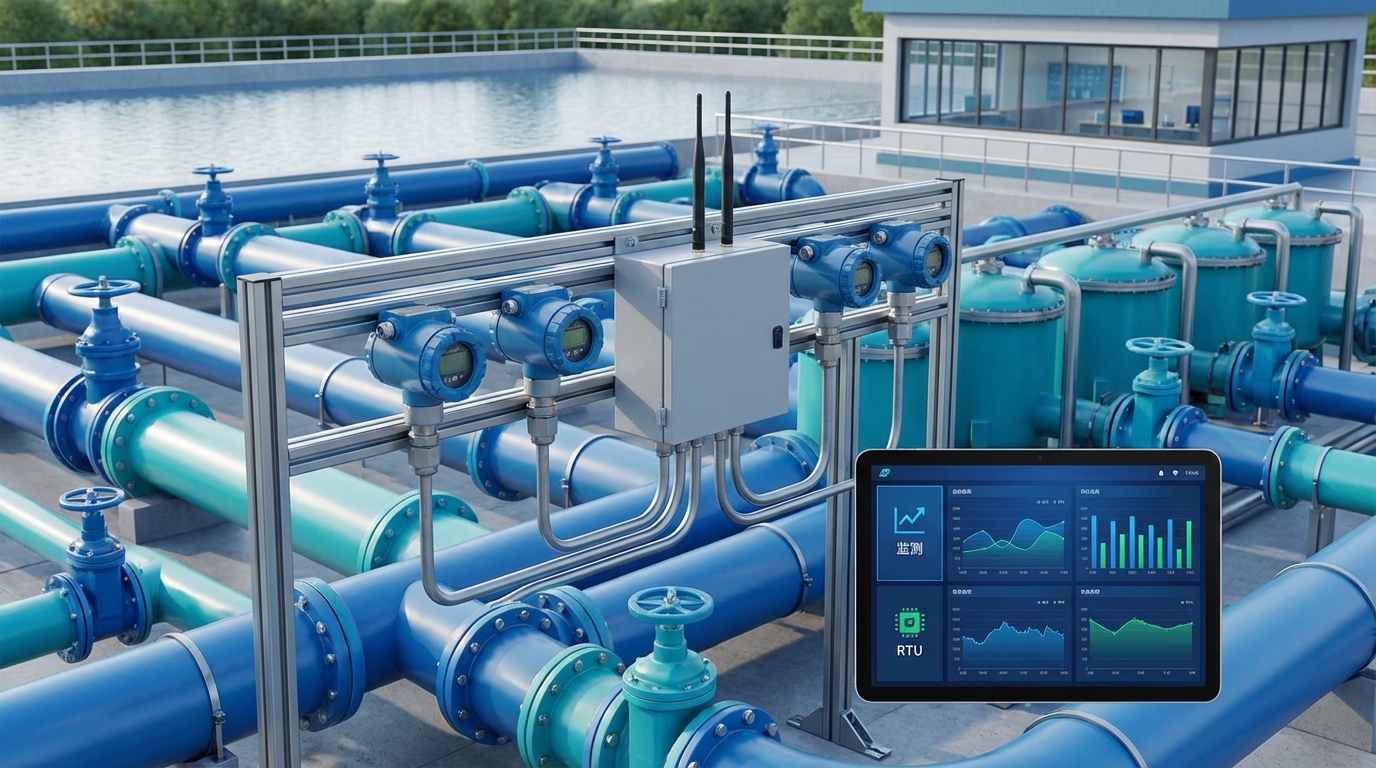
Visual reporting capabilities have become essential for communicating complex water quality data to diverse stakeholder groups with varying technical backgrounds. Time series analysis displays parameter evolution across multiple timeframes, from hourly variations to monthly trends, revealing patterns that inform operational decisions. Heat map visualizations provide spatial distribution analysis across monitoring networks, enabling utilities to identify regional variations and potential problem areas.
Advanced Sensor Integration and Communication
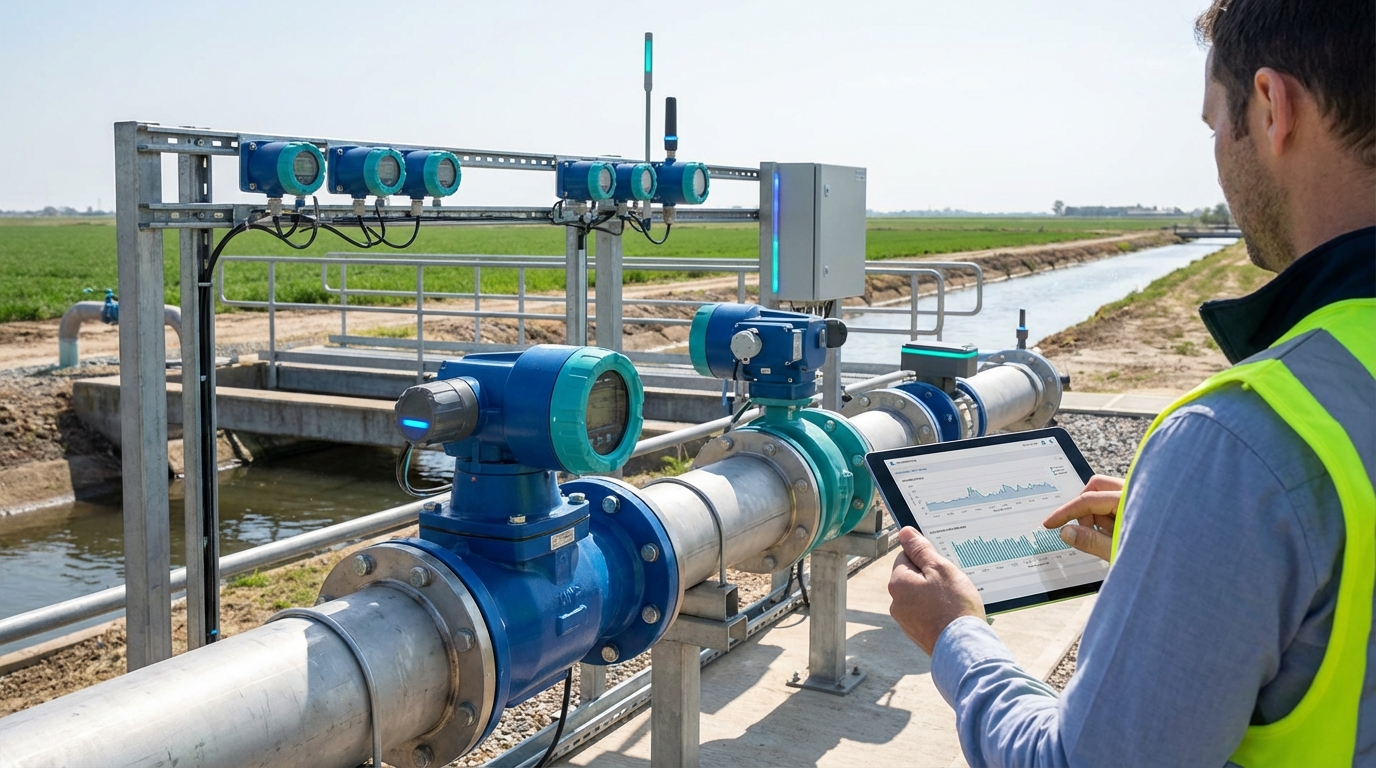
Modern RTU telemetry terminals must support diverse communication protocols and sensor interfaces to accommodate the wide range of monitoring equipment used in water utilities. The integration of 4G and NB-IoT communication capabilities ensures reliable data transmission even in remote locations, while RS485 and 4-20mA interfaces provide compatibility with existing sensor infrastructure.
Solar power integration has become increasingly important for remote monitoring applications, enabling continuous operation in locations where traditional power sources are unavailable or unreliable. This capability significantly expands the potential deployment locations for comprehensive monitoring networks.
Regulatory Standards and Protocol Compliance
Compliance with regional water monitoring standards represents a critical requirement that varies significantly across different jurisdictions. In China, adherence to SL651 hydrological protocols ensures compatibility with national water management systems and facilitates seamless integration with existing infrastructure.
The importance of protocol compliance extends beyond technical compatibility to include data retention requirements, accuracy standards, and reporting formats. Utilities must verify that their monitoring systems meet all applicable regulatory requirements before finalizing equipment procurement decisions.
Ecolor Technology's HERO V9 RTU series exemplifies this compliance-focused approach, with strict adherence to SL651 Chinese hydrological protocols ensuring smooth project acceptance and regulatory approval. The system's explosion-proof certification further enhances its suitability for deployment in sensitive industrial environments.
Performance Optimization and Scalability
Effective water monitoring SCADA systems must demonstrate consistent performance across varying operational conditions while providing clear pathways for future expansion. The ability to scale monitoring networks incrementally allows utilities to optimize their investment while maintaining operational flexibility.
Data accuracy validation remains crucial throughout the implementation process, with continuous comparison between sensor readings and laboratory analysis results ensuring measurement reliability. This validation process helps identify potential sensor drift or calibration issues before they impact compliance reporting.
Future Trends in Water Monitoring Technology
The continued evolution of IoT technology is driving significant improvements in water monitoring capabilities, with enhanced sensor accuracy, improved communication reliability, and more sophisticated data analysis tools becoming standard features. These advances enable utilities to detect subtle changes in water quality parameters that might indicate emerging problems.
Integration with broader smart city initiatives is creating new opportunities for comprehensive water management, where monitoring data contributes to larger urban planning and resource management decisions. This integration requires monitoring systems that can communicate effectively with diverse municipal systems and databases.
The emphasis on preventive maintenance and predictive analytics is reshaping how utilities approach system management, with real-time monitoring data enabling proactive interventions that prevent problems before they impact service quality or regulatory compliance.
Conclusion
The advancement of RTU telemetry terminal technology represents a fundamental shift in water utility operations, enabling unprecedented levels of monitoring accuracy and regulatory compliance. As utilities continue to face increasing regulatory scrutiny and growing demands for service reliability, the adoption of sophisticated monitoring systems becomes not just advantageous but essential for sustainable operations.
For utilities considering modernization of their monitoring infrastructure, the selection of compliance-focused solutions that support established protocols while providing scalability for future expansion represents the most strategic approach. To learn more about advanced water monitoring solutions and RTU telemetry systems, visit www.cssoc.com for comprehensive technical specifications and implementation guidance.
Sources
Recommended Products
Ecolor Technology provides professional instruments for smart water, environmental monitoring & industrial automation: