Beyond Amusement: Water Parks, AI Councils, and the Quiet Infrastructure Renaissance
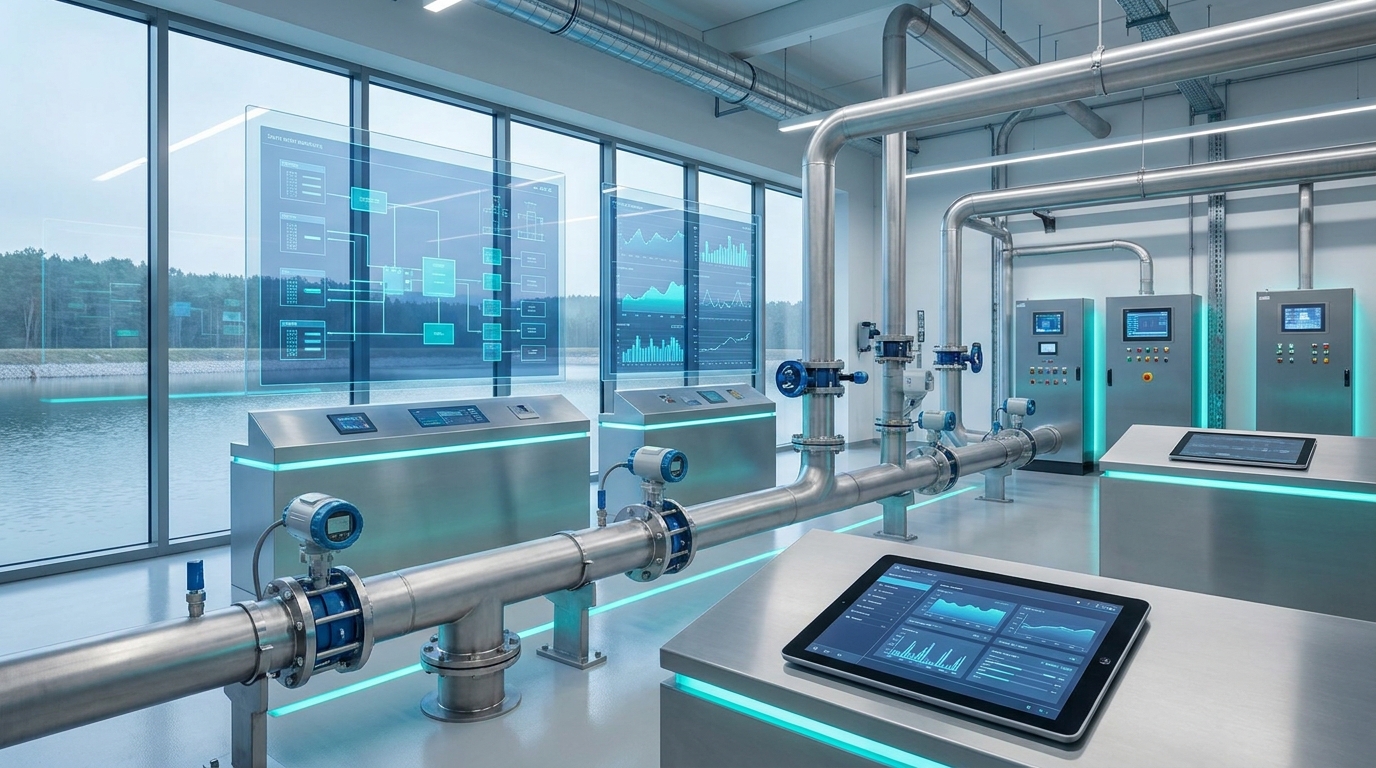
The global water sector is undergoing a quiet but profound redefinition—not through singular breakthroughs, but through the convergence of public-facing resilience and invisible, intelligent infrastructure. This water infrastructure renaissance bridges experiential design and embedded AI—where water parks become climate literacy hubs and electromagnetic flowmeters enable trustworthy algorithmic governance.
Two Scales, One Strategy
At first glance, Water World Colorado’s 1993 Innovation Award and its 2026 reopening with Summit Canyon—a new immersive attraction—seem like nostalgia-driven entertainment news. But they signal something deeper: water infrastructure is no longer judged solely on throughput or compliance.
It’s now assessed on experiential continuity, climate-adaptive design, and multi-generational relevance. Simultaneously, the Water-AI Nexus™ Advisory Council’s expansion—anchored by WEF, Amazon, Leading Utilities of the World, and Penn’s Water Center—confirms that AI integration is shifting from pilot projects to institutionalized governance.
The Resilience Layer: Water Parks as Climate Literacy Hubs
Water World Colorado isn’t just adding slides—it’s engineering hydrological literacy. Its 2026 Summit Canyon expansion includes real-time water recycling displays, drought-resilient landscaping integrated into ride pathways, and interactive signage powered by local weather APIs.
This transforms recreation into implicit education: visitors experience closed-loop hydraulics while waiting in line. Such ‘infrastructural theater’ reflects a broader trend across OECD and emerging economies alike—where aging water parks, reservoirs, and treatment plants are retrofitted not only for performance but for pedagogy and placemaking.
Singapore • Gardens by the Bay
12 million annual visitors engage with water recycling exhibits.
Barcelona • Besòs River Park
Flood-control infrastructure embedded beneath playgrounds.
Colorado • Summit Canyon
Real-time water reuse metrics visible mid-queue.
The Intelligence Layer: From Advisory Councils to Embedded Sensing
While public-facing resilience builds legitimacy, the Water-AI Nexus Advisory Council signals a parallel, quieter revolution: the institutionalization of AI as a co-steward, not just a tool. Its 14 innovation domains—from predictive asset health to equity-aware demand forecasting—demand data fidelity at the source.
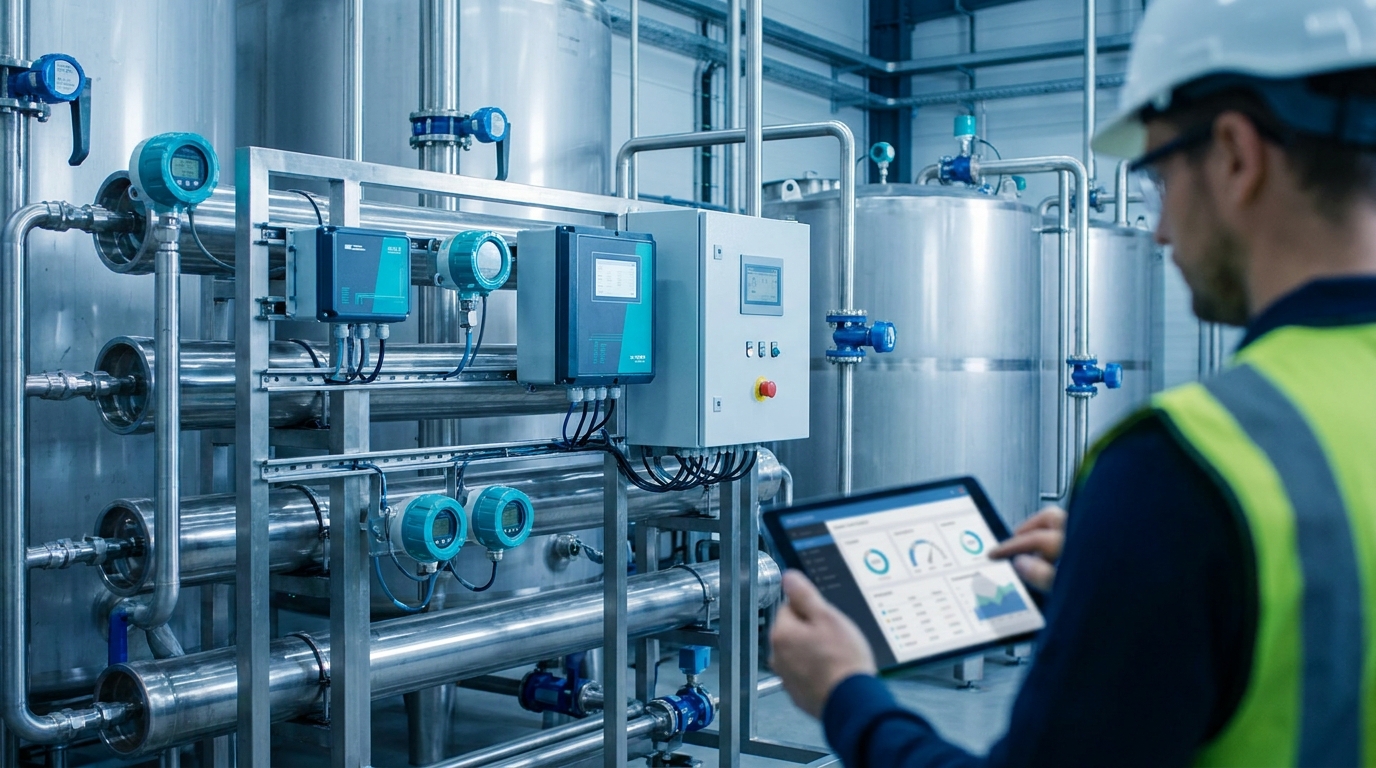
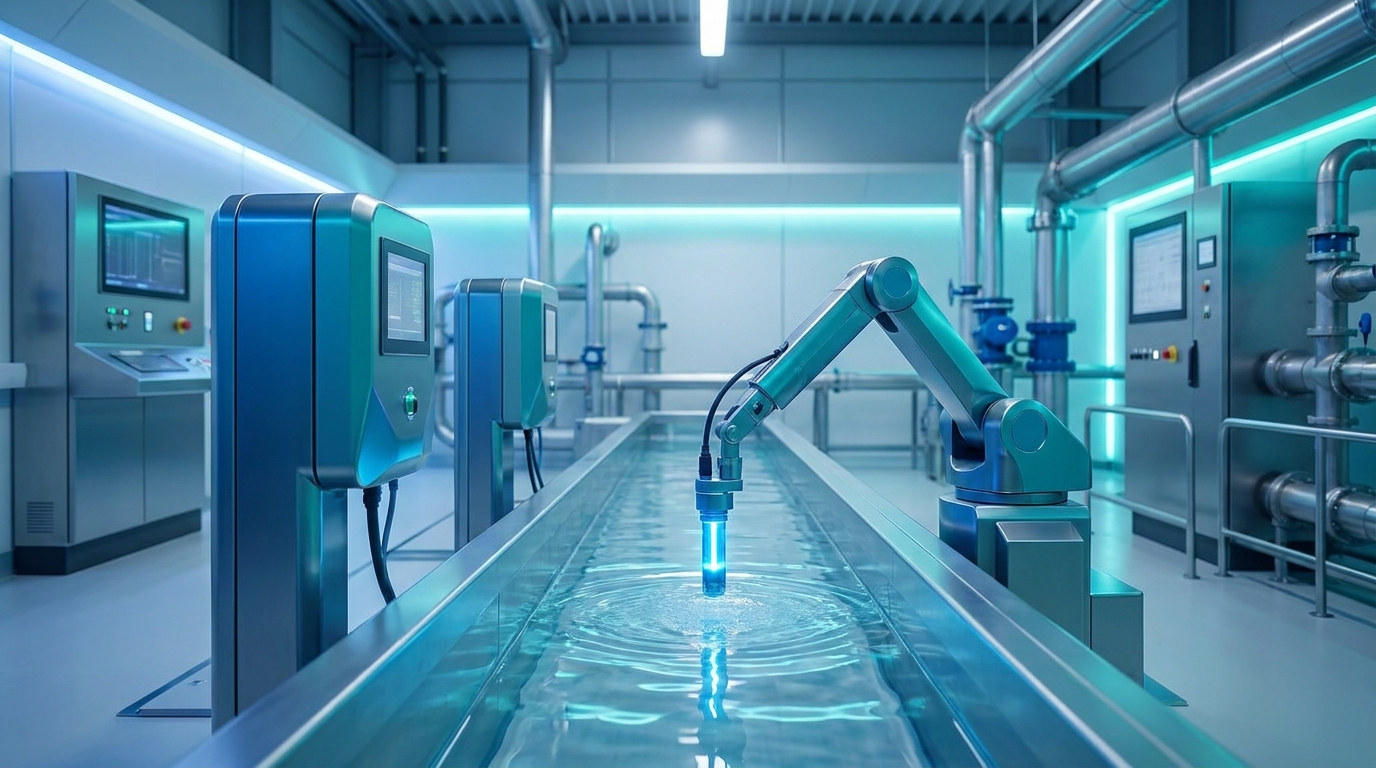
That’s where hardware-level intelligence becomes non-negotiable. Flow meters must self-diagnose air pockets; level sensors must distinguish foam from sludge under variable lighting; radar systems must monitor buried pipes without excavation.
Why Hardware Still Wins the AI Race
- ✓ Data provenance matters more than algorithm novelty: AI trained on noisy, uncalibrated sensor data produces brittle insights—even Amazon’s cloud analytics can’t compensate for a misaligned radar beam.
- ✓ Edge intelligence is scaling faster than cloud inference: HERO V9 RTUs process flow harmonics and pressure transients locally, reducing latency for surge response from seconds to milliseconds.
- ✓ Underground visibility unlocks capital efficiency: With over 60% of urban water losses occurring in subsurface networks, Ecolor’s camera-equipped Doppler radar allows utilities to prioritize repairs based on actual flow degradation—not statistical interpolation.
Convergence, Not Competition
The most consequential shift isn’t AI replacing engineers—or water parks becoming classrooms—but the erosion of boundaries between them. Leading Utilities of the World members now co-design visitor centers with data scientists; municipal utilities in Seoul and São Paulo embed real-time SCADA dashboards in public plazas; and China’s ‘Sponge City’ initiatives integrate stormwater parks with IoT-enabled infiltration monitoring.
This convergence demands interoperability—not just between vendors, but between philosophies: between the patience of civil engineering and the velocity of software iteration, between regulatory caution and startup agility.
Enabling Interoperability, Not Just Devices
For companies like Ecolor Technology, success lies not in selling standalone devices, but in enabling dialogue: their HERO V9 RTU supports IEC 62443 cybersecurity standards while exposing MQTT endpoints for third-party AI orchestration; their radar sensors output standardized JSON payloads compatible with WEF’s Data Interchange Framework.
Conclusion: The Unseen Foundation of Visible Trust
Water World’s *Voyage to the Center of the Earth* won an innovation award in 1993 for making geology thrilling. Today, the real voyage is inward—to the unseen layers of pipes, algorithms, and partnerships that keep cities hydrated, ecosystems intact, and communities engaged.
The 2026 reopening and the Water-AI Nexus expansion are bookends of the same story: one celebrates water as shared human experience; the other secures it as shared digital responsibility. Between them lies the quiet work—the calibration, the corrosion resistance, the subterranean imaging—that makes both possible.
In this era, the most transformative water technology may not be the flashiest AI model—but the sensor that never fails to tell the truth.
Sources
- Water World, Colorado – Wikipedia
- Water-AI Nexus Welcomes Global Organizations to Advisory Council
- Global Water Solutions | Global Water Solutions
- The Iconic Colorado Water Park That's Reopening In Summer 2026 With Brand New Attractions – Islands
- Water-AI Nexus Welcomes Global Organizations to Advisory Council | ChartMill.com
Recommended Products
Ecolor Technology provides professional instruments for smart water, environmental monitoring & industrial automation: