Navigating the Global Flow: How Collaboration and Tech Define Water's Future
The Global Water Sector at a Confluence of Change
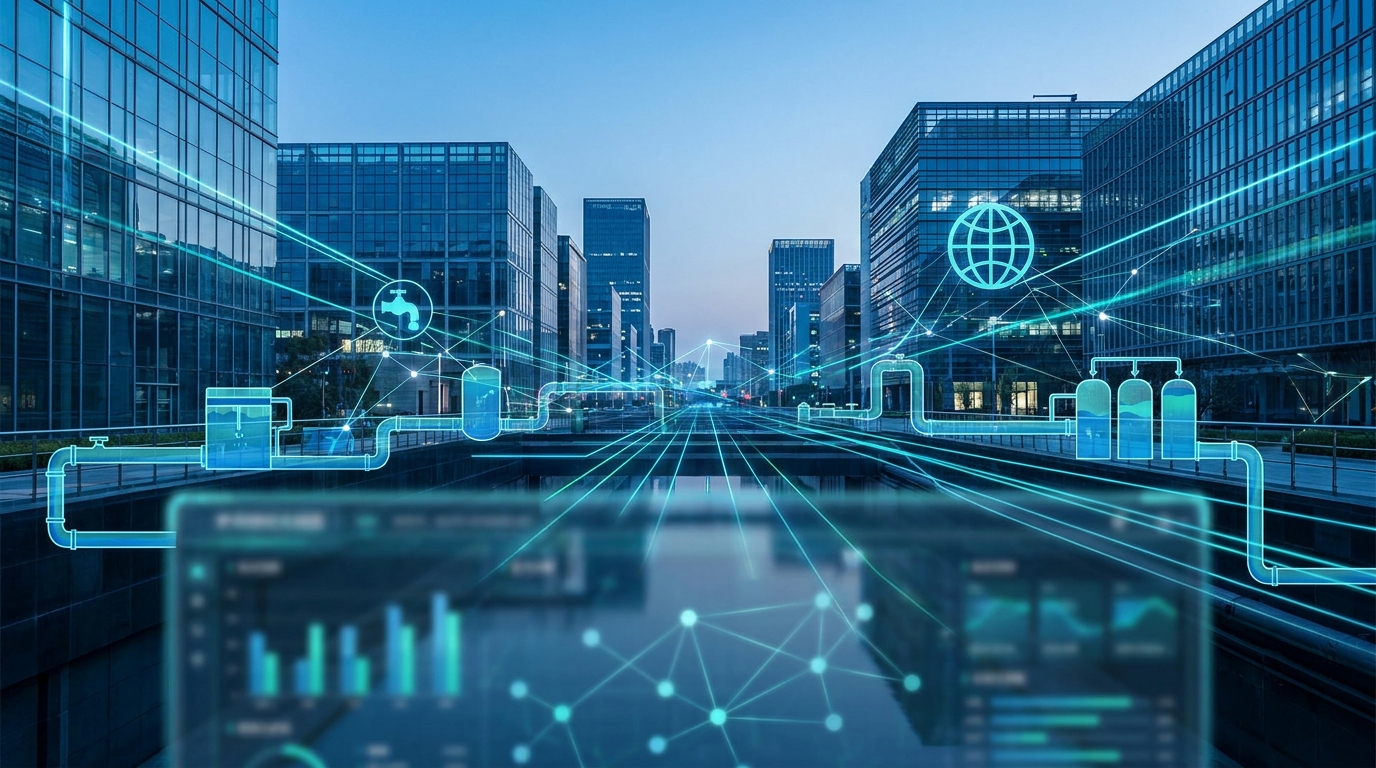
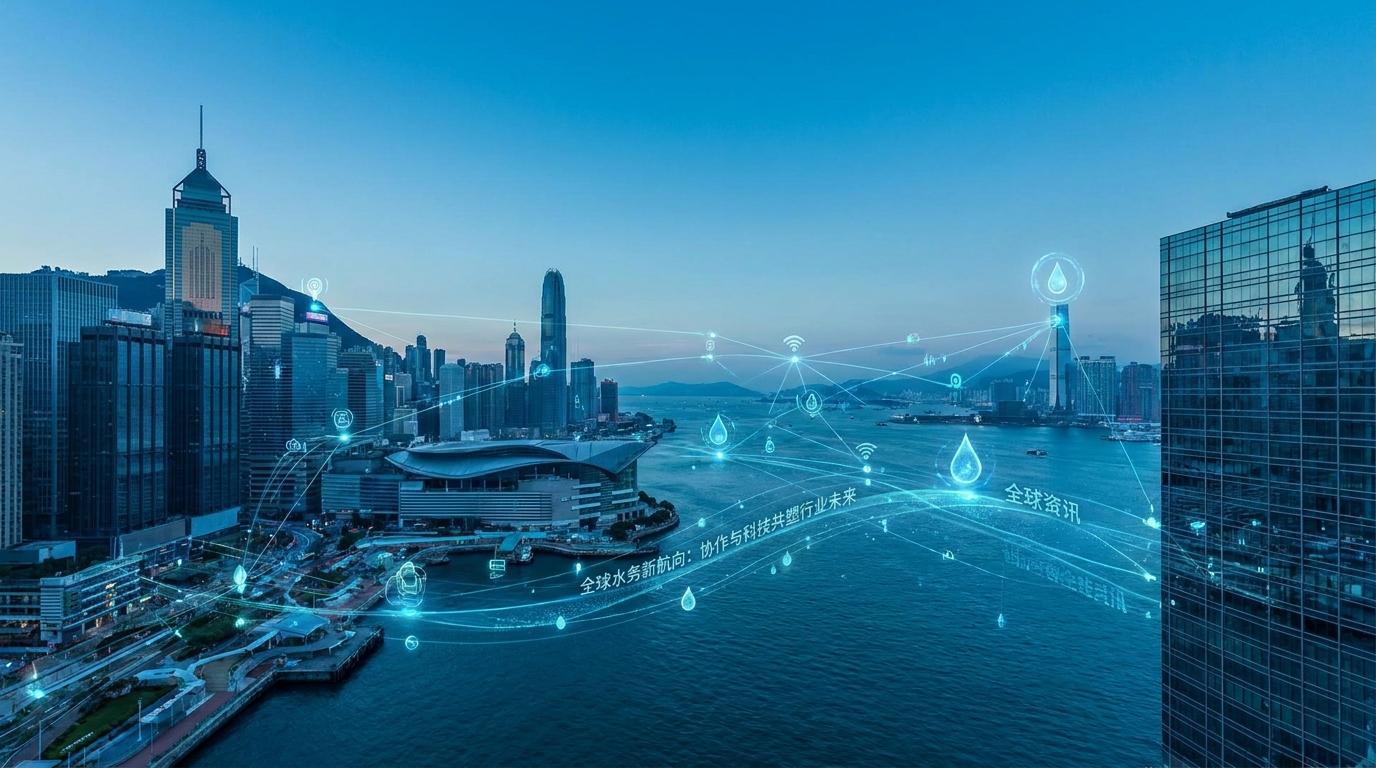
The global water sector is in a constant state of flux, shaped by geopolitical shifts, technological advancements, and the ever-present realities of resource scarcity. Seemingly disconnected events are in fact distinct currents flowing into the same river, revealing a clear direction for the industry.
This future is defined by decentralized collaboration, data-driven precision, and integrated, technology-enabled management. This evolving landscape presents both challenges and immense opportunities for companies poised to provide the tools for this new era of water management.
Shifting Centers of Influence: A New Geography of Water Leadership
For decades, the discourse on water management was largely centered in Europe and North America. However, recent movements by major organizations signal a significant global realignment in the water sector.
The International Water Association's (IWA) establishment of its Global Operations Hub in Nanjing, China, was a landmark decision. It was an acknowledgment of Asia's burgeoning role as a center for water innovation, large-scale infrastructure projects, and a vast market for new technologies.
This decentralization fosters a richer, more diverse exchange of ideas and solutions. It also highlights the rise of technology providers from emerging economies, such as Ecolor Technology, who are now becoming drivers of global water innovation with robust, field-tested technologies.
The Data-Driven Imperative: From Municipal Taps to Global Food Security
While public attention often focuses on municipal water use, data reveals a starker reality: nearly 70% of global freshwater is used for agriculture and 20% for industry. This 90% is the battleground where water security will be won or lost.
This reality places an immense premium on accurate measurement and intelligent management. The digital transformation of the water sector is non-negotiable for optimizing irrigation and ensuring sustainable industrial production with precise, real-time data.
For Agriculture
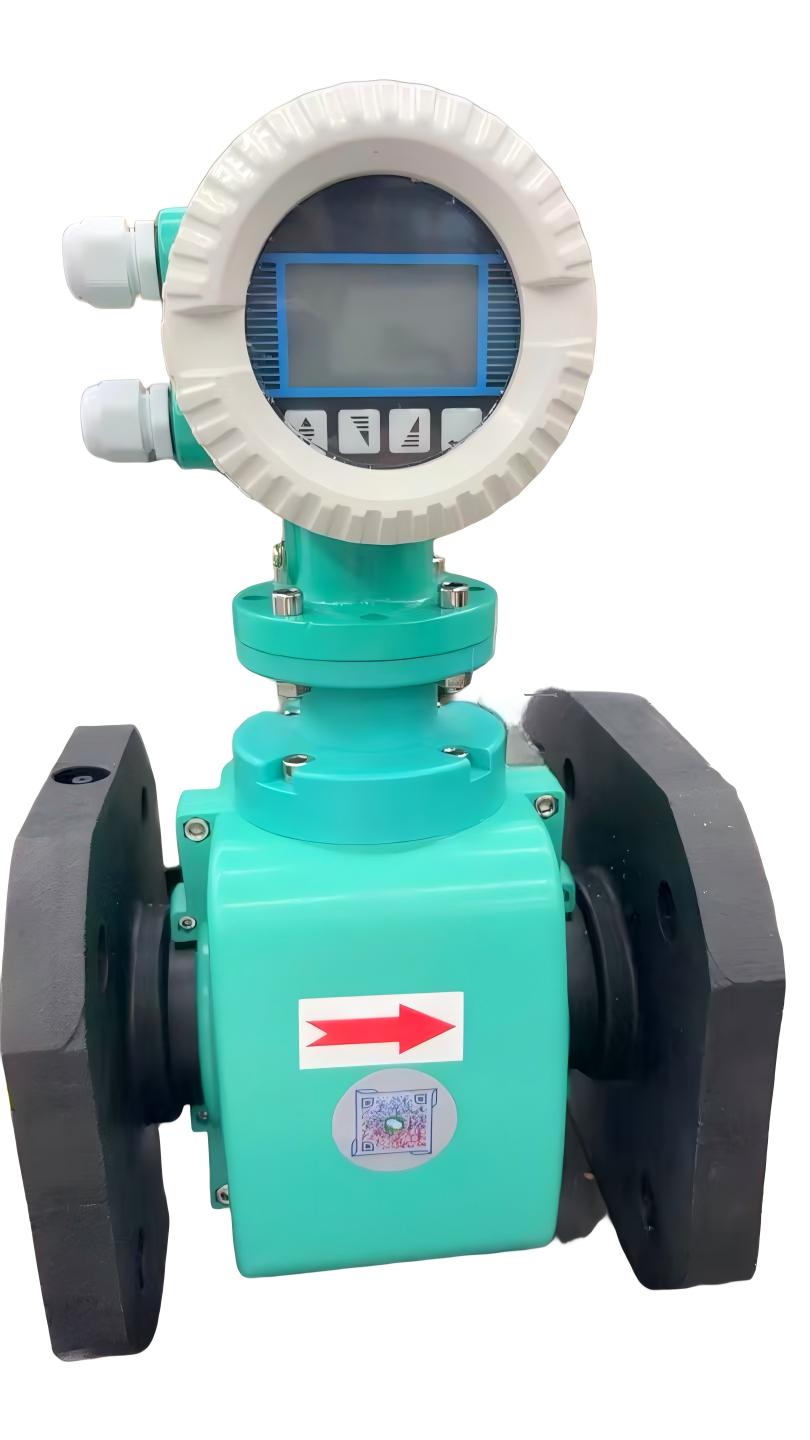
Managing vast irrigation networks requires highly reliable flow measurement. Instruments like the LGF electromagnetic flowmeter provide the accuracy needed to minimize waste and ensure equitable water distribution.
For Resource Management
Monitoring water levels in rivers and reservoirs is critical. The 80GHz visual radar level sensor offers non-contact, high-precision monitoring for large-scale water basin management and flood prevention.
For Industry
Industrial facilities require meticulous monitoring of both intake and discharge. Accurate sensing technology is the backbone of efficient industrial water use and regulatory compliance.
This granular, data-centric approach moves water management from a reactive practice to a proactive, predictive science, which is essential for future water security.
From Silos to Systems: Fostering an Integrated, Collaborative Ecosystem
The interconnected nature of water challenges demands an end to siloed thinking. Organizations like the Water Quality Association (WQA) and the National Rural Water Association (NRWA) are vital pillars of the industry's collaborative ecosystem.
The ultimate goal is to create an integrated system where data from a river level sensor can inform agricultural irrigation, industrial discharge, and municipal supply planning simultaneously. This requires powerful sensors and intelligent communication units.
The HERO V9 RTU (Remote Terminal Unit) acts as the nervous system for such a network, collecting data from diverse sensors and transmitting it for analysis. This technological integration is key to breaking down operational silos in holistic water management.
The Technology Backbone for a Resilient Water Future
As the global water community navigates these trends, the underlying technology becomes the critical enabler. The challenges of aging infrastructure, particularly in dense urban environments, require innovative solutions beyond traditional methods.
Identifying leaks in underground municipal pipe networks is historically costly. Breakthrough technology like Ecolor's multi-band Doppler flow radar—the world's only solution offering underground pipe monitoring with an integrated camera—represents a paradigm shift for non-invasive inspection.
The confluence of globalized expertise, a data-first mindset, and integrated systems thinking is charting the course. Technology firms are providing the advanced, accessible sensing and data transmission tools necessary to build a more resilient and secure water future for all.
Sources & References
- International Water Association - Wikipedia
- WaterPro Conference 2026 held in Phoenix, Arizona | NRWA
- Home - Water Quality Association
- Worldometer - real time world statistics
- Home | Food and Agriculture Organization of the United Nations
Recommended Products
Ecolor Technology provides professional instruments for smart water, environmental monitoring & industrial automation: