Redefining Durability: Liner-Free Electromagnetic Flowmeters for Harsh Water Environments
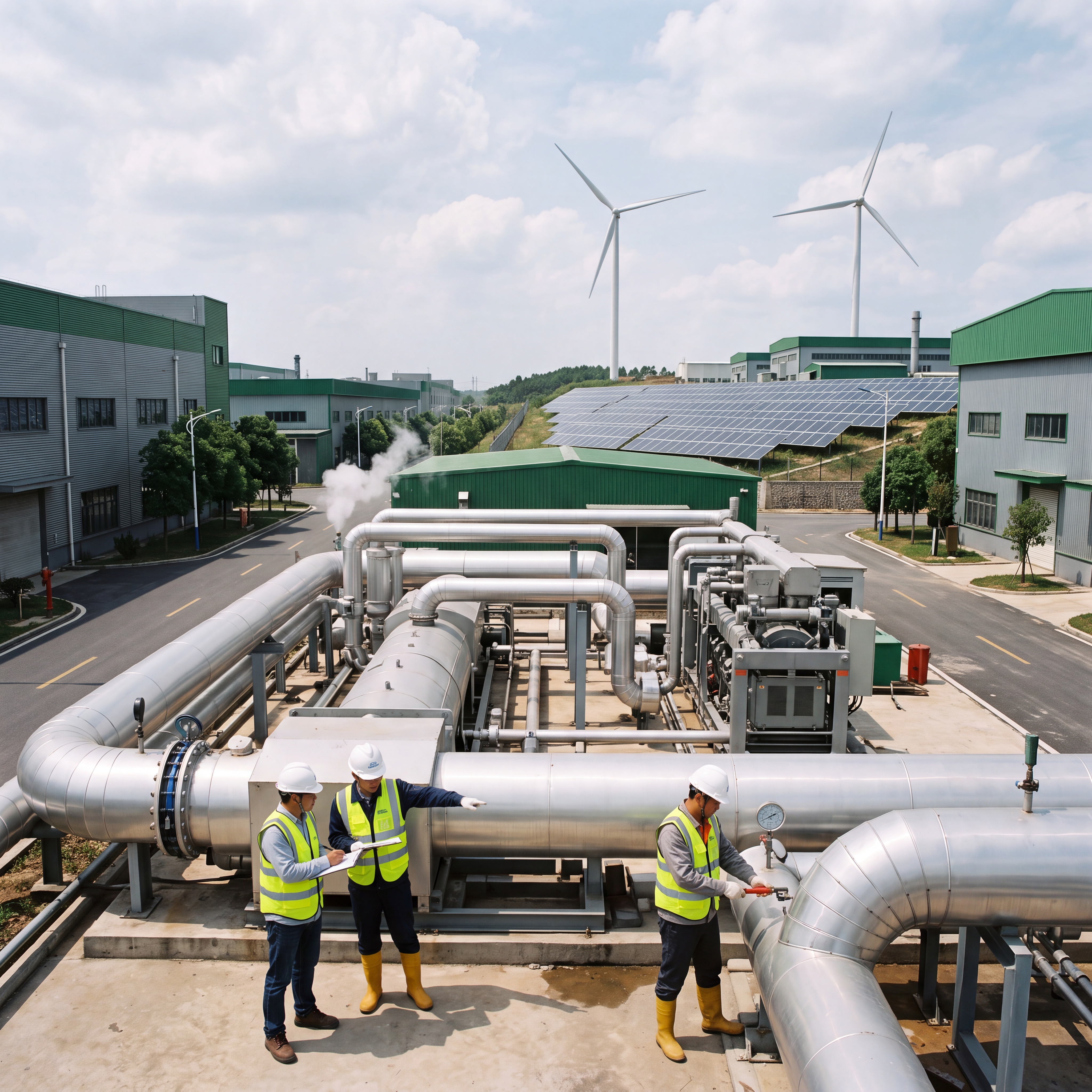
Aerospace-grade LGF-PA66 composites are replacing fragile PTFE linings, delivering maintenance-free, highly accurate flow monitoring for demanding water infrastructure. This revolutionary approach eliminates the delamination risks associated with traditional sensors, ensuring long-term reliability in municipal and industrial applications.
The Hidden Cost of Traditional PTFE Flowmeter Linings
For decades, municipal water authorities and industrial plant managers have relied on PTFE and rubber linings to protect electromagnetic flowmeter bodies from corrosive media. While these materials initially offered adequate chemical resistance, their fundamental structural design introduces a critical vulnerability at the interface between the metal housing and the polymer lining.
Over time, thermal cycling, hydraulic pressure fluctuations, and aggressive chemical exposure cause micro-fractures at this boundary. Industry audits reveal that traditional lined flowmeters experience a delamination failure rate exceeding 22% within a seven-year operational window in wastewater and chemical dosing applications.
When the lining peels away from the electrode assembly, measurement accuracy degrades rapidly, often introducing signal noise that corrupts SCADA data. The resulting maintenance cycles require full pipeline shutdowns, specialized technicians, and costly replacement units, making the total cost of ownership far higher than conventional equipment suggests.
Material Revolution: Aerospace-Grade LGF-PA66 Technology
The next generation of smart water monitoring demands a paradigm shift from protective coatings to monolithic structural materials. Long Glass Fiber reinforced Polyamide 66 (LGF-PA66) has emerged as a breakthrough solution, originally developed for aviation fuel systems and high-stress automotive components.
By replacing fragile internal sleeves with a single-piece, injection-molded polymer body, manufacturers have effectively eliminated the weak interface that causes traditional failure modes. This liner-free electromagnetic architecture delivers exceptional chemical inertness, maintaining structural integrity across a continuous pH range of 1 to 14.
Unlike PTFE, which becomes brittle under prolonged UV exposure or fluctuating temperatures, LGF-PA66 retains its tensile strength and dimensional stability up to 120°C. The material's inherent resistance to hydrolysis and oxidative degradation ensures that the flow tube does not swell, crack, or shed particulate matter into the measured stream.
Why Delamination Fails Modern Water Infrastructure Systems
The physics of flow measurement relies on precise electrode alignment and consistent dielectric properties within the sensing zone. When a traditional lining detaches, even by a fraction of a millimeter, it creates an insulating air pocket that disrupts the electromagnetic field.
This phenomenon generates erratic voltage spikes, forcing telemetry systems to flag false alarms or drop critical consumption data. In district metering areas (DMAs), such data corruption directly impacts leak detection algorithms, leading to inaccurate non-revenue water calculations and misguided capital allocation.
Furthermore, detached lining fragments can migrate downstream, clogging sensitive pressure transducers or damaging valve actuators. The compounding effect of these failures transforms a localized instrumentation issue into a systemic network vulnerability that modern water resilience strategies must address.
Zero Internal Seams
Eliminate micro-leakage pathways and prevent chemical ingress completely.
Uniform Thermal Expansion
Prevents stress fractures during seasonal temperature swings and thermal cycling.
Injection-Molded Precision
Maintains ±0.5% measurement accuracy over two decades without drift.
Engineering for the Next Two Decades of Asset Lifecycle
Asset lifecycle planning in municipal water networks typically operates on a 20 to 30-year horizon. Procuring instrumentation with a 5 to 8-year replacement cycle creates continuous budget friction and operational disruption for utility providers.
The adoption of LGF polymer flowmeter technology aligns instrumentation lifespans with broader infrastructure renewal schedules. By integrating aerospace-grade composites directly into the sensor architecture, manufacturers guarantee a 20-year maintenance-free operational window under standard municipal and light industrial conditions.
This extended durability is not merely a material upgrade; it is a strategic enabler for long-term digital water initiatives. When sensors remain in place without degradation, historical data continuity improves, allowing machine learning models to establish accurate baseline consumption patterns.
Integrated Manufacturing vs. Assembly-Line Weakness
Traditional flowmeter production often involves multiple assembly stages: machining the metal body, cutting and pressing the liner, welding electrode stems, and performing pressure tests. Each junction introduces a potential failure point that compromises long-term reliability.
The LGF-PA66 manufacturing process consolidates these steps into a single injection molding operation. The polymer is formed around precision electrode inserts, creating a seamless, weld-free boundary that inherently resists hydraulic separation.
This monolithic construction distributes mechanical stress evenly across the entire sensing tube, preventing localized fatigue. During high-pressure surge events or water hammer conditions, the composite material flexes microscopically rather than cracking, preserving electrode alignment and measurement fidelity.
Ecolor Technology’s Approach to Long-Term Asset Management
At Ecolor Technology, the integration of advanced materials with intelligent telemetry reflects our commitment to sustainable water infrastructure. Our SITUMAN sensor manufacturing division rigorously validates the LGF-PA66 composite through accelerated aging chambers, chemical immersion protocols, and dynamic pressure cycling.
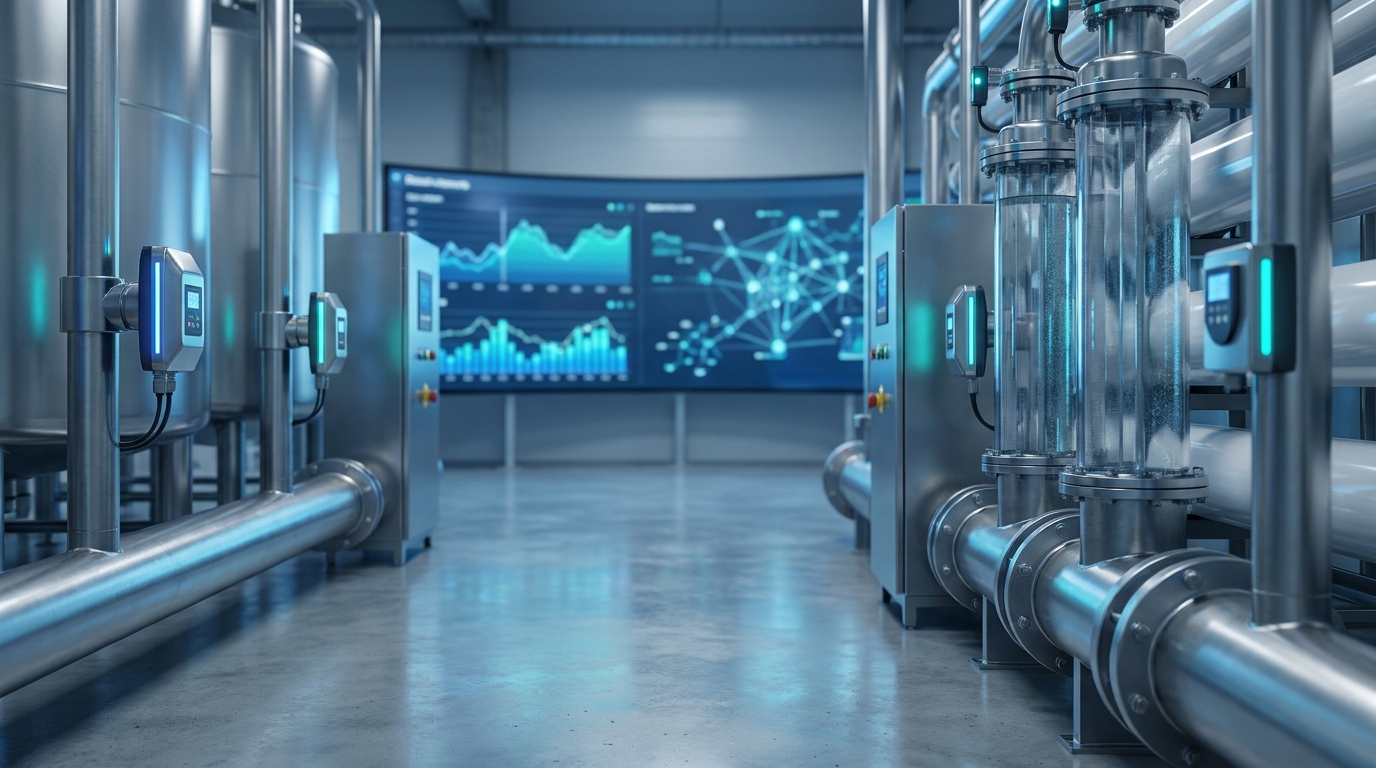
These tests confirm that the liner-free electromagnetic design maintains exceptional signal stability across aggressive media environments. When paired with the HERO V9 telemetry platform, these robust sensors deliver uninterrupted data streams to centralized SCADA systems and cloud-based analytics dashboards.
The combination of physical durability and digital reliability ensures that water utility operators can trust every data point for regulatory reporting, billing verification, and hydraulic modeling. By aligning sensor hardware with system integration capabilities under the HuaYu ZhongNeng framework, we provide end-to-end solutions that eliminate vendor fragmentation.
Data-Driven Validation & Industry Adoption Results
Real-world deployments validate the economic and technical superiority of this material shift. A recent municipal wastewater upgrade in East China replaced aging rubber-lined units with the new composite architecture across 14 critical monitoring stations.
Within 18 months, maintenance work orders related to flow instrumentation dropped by 87%, while calibration drift remained below 0.2%. The total cost of ownership analysis demonstrated a 38% reduction in five-year operational expenditures compared to traditional anti-corrosion flowmeter alternatives.
These results are increasingly influencing procurement specifications, with engineering consultants now mandating liner-free designs for aggressive media applications. The transition from reactive maintenance to predictive asset management hinges on deploying instrumentation that outlasts the infrastructure it monitors.
"The shift from lined to monolithic composite sensors represents the most significant reliability advancement in electromagnetic flow measurement over the past decade."
By eliminating the delamination failure mode entirely, utilities can finally align sensor replacement cycles with broader infrastructure renewal timelines.
See What You Measure
Ready to future-proof your water monitoring infrastructure? Connect with our engineering team for site-specific technical specifications and lifecycle cost modeling.
Visit Website