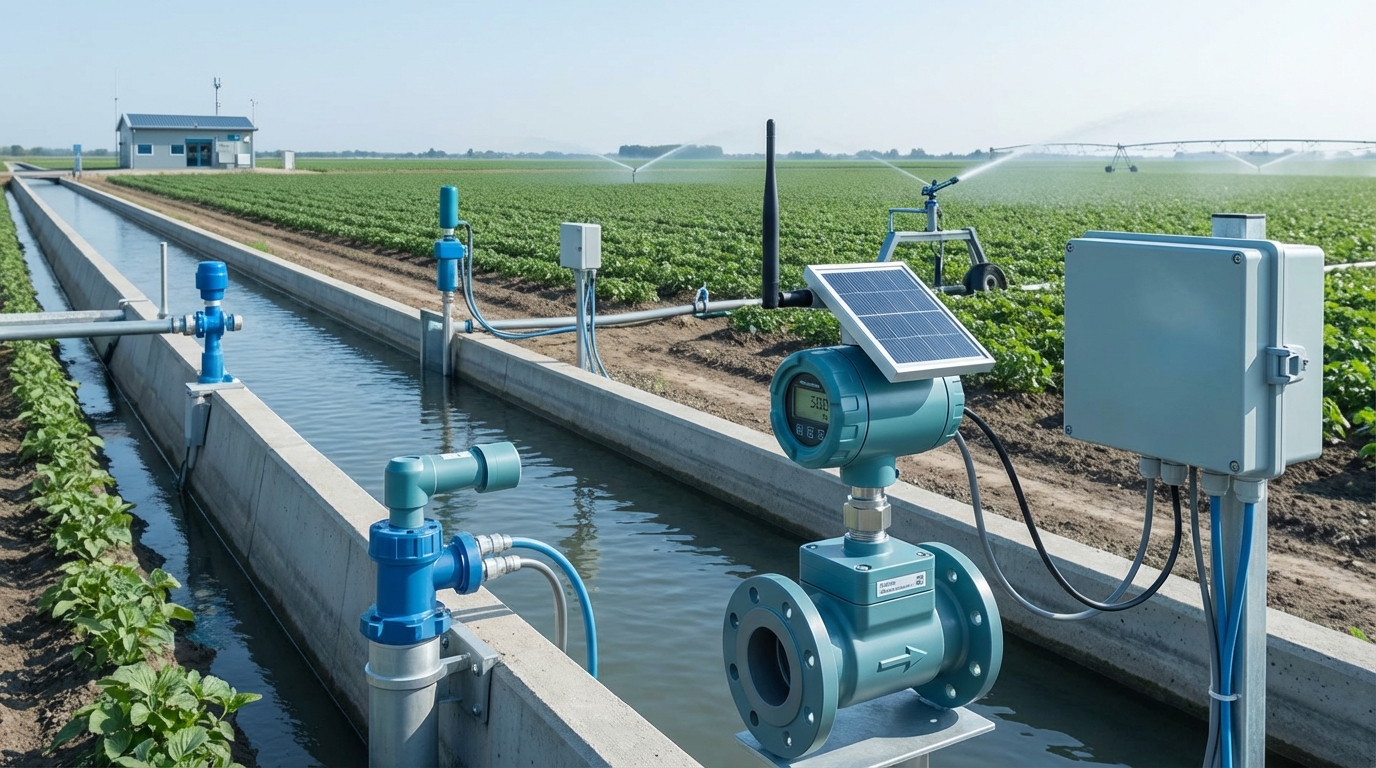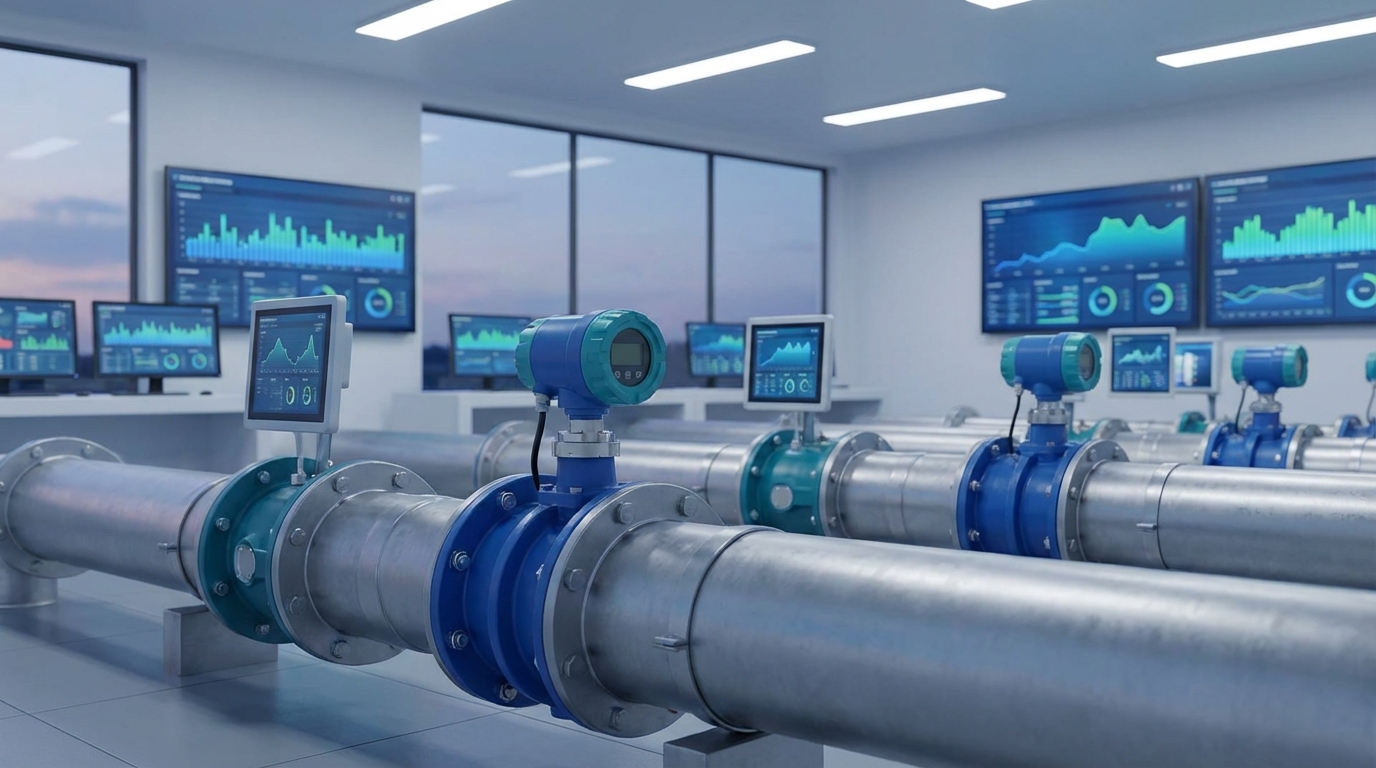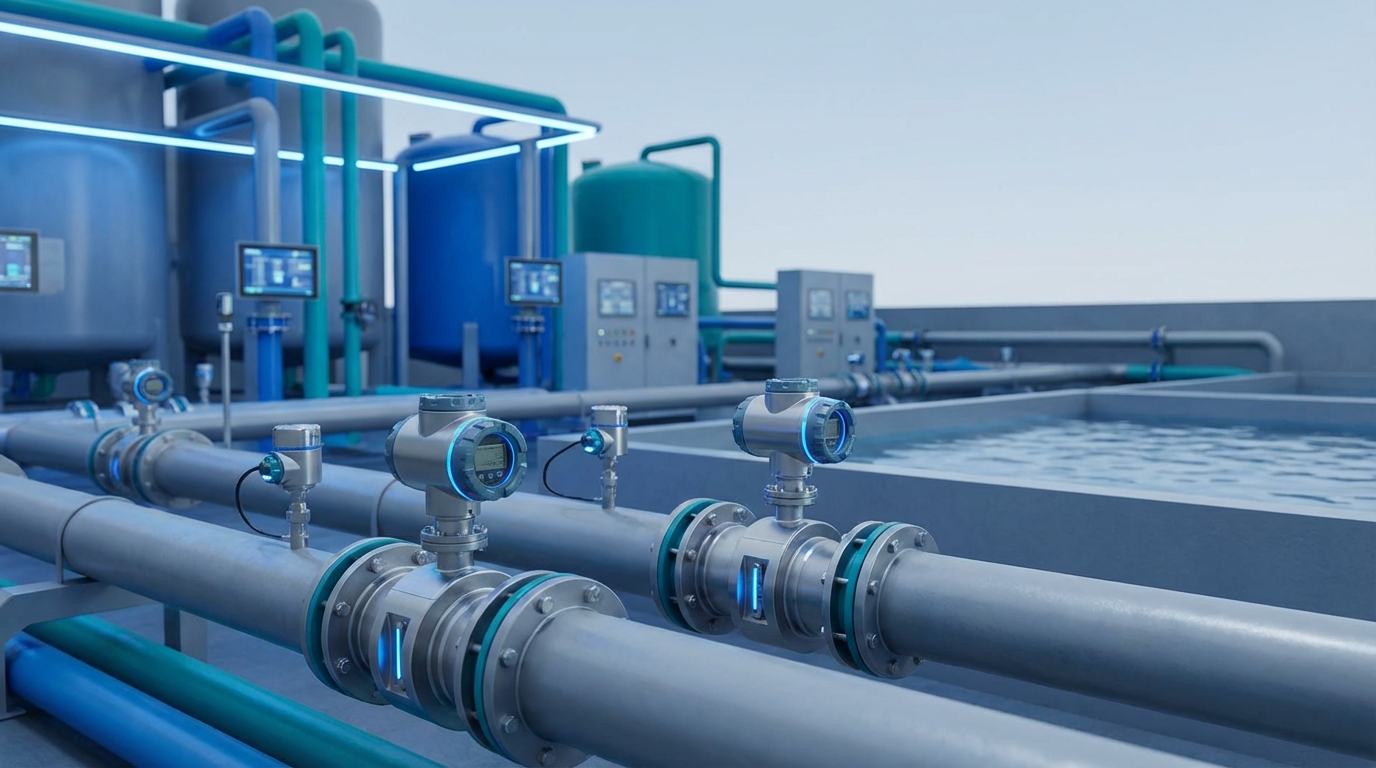
The Silent Threat to Water Infrastructure: The Hidden Cost of Liner Failure
In the world of water management, data is king. Accurate flow measurement is the bedrock of everything from billing and leak detection to regulatory compliance and resource allocation. Yet, the very instruments we rely on for this critical data—electromagnetic flowmeters—harbor a well-known but often-underestimated vulnerability: the internal liner. For decades, the industry has accepted that liners made of materials like PTFE, PFA, or rubber are a necessary, albeit imperfect, component. But what is the true cost of this imperfection? It’s measured in inaccurate readings, unscheduled downtime, costly replacements, and a persistent risk of catastrophic failure. The American Society of Civil Engineers (ASCE) consistently grades U.S. drinking water infrastructure with a C-, citing an estimated water main break every two minutes and a staggering $1 trillion investment gap. While not all of these issues stem from metering, the reliability of every component is paramount. A single failed flowmeter can compromise the integrity of an entire network, leading to non-revenue water loss and misinformed operational decisions. The problem is that traditional liners are prone to degradation. They are a separate layer bonded to the meter’s metal body, creating an inherent point of weakness. Over time, this bond is attacked by a trifecta of operational stresses: chemical corrosion, pressure fluctuations, and temperature cycling. The result is delamination, blistering, cracking, and eventual failure. This isn't a matter of 'if,' but 'when.' For procurement managers and utility engineers, this translates into a frustrating cycle of replacement and a total cost of ownership (TCO) that far exceeds the initial purchase price. The industry has been searching for a better way—a solution that doesn't just patch the problem but eliminates it at its source. That solution is now here, and it comes from the demanding world of aerospace engineering.
The Achilles' Heel: Why Traditional Flowmeter Liners Inevitably Fail
To appreciate the innovation of liner-free technology, it's crucial to understand the fundamental flaws of traditional lined flowmeters. An electromagnetic flowmeter operates on Faraday's Law of Induction, requiring the inner surface of the pipe to be electrically insulating. This is why a liner is necessary in a conductive metal pipe body. For years, materials like PTFE (Teflon), PFA, and various synthetic rubbers have been the standard choice, each with its own set of compromises.
- PTFE/PFA Liners: Valued for their exceptional chemical resistance, these fluoropolymers are susceptible to mechanical failure. They are relatively soft and can be easily damaged during installation. More critically, they suffer from high permeation rates with certain gases and liquids. This means molecules from the process fluid can slowly pass through the liner and become trapped between the liner and the metal body. Over time, with temperature and pressure changes, these trapped molecules expand, creating blisters and causing the liner to detach from the wall—a phenomenon known as delamination.
- Rubber Liners (Hard and Soft): While more resilient to abrasion than PTFE, rubber liners have limited chemical and temperature resistance. They age and become brittle over time, especially when exposed to certain chemicals or UV light during storage or installation. This embrittlement leads to cracking, creating leak paths and compromising the meter's insulating properties.
These failure modes are not just theoretical. They are a daily reality for maintenance teams. A delaminated liner can obstruct flow, causing a dramatic and difficult-to-diagnose drop in accuracy. A cracked liner can lead to fluid contact with the meter body, causing corrosion and complete electronic failure. The consequence is always the same: the meter must be taken offline, and the entire flanged unit must be replaced. This process is expensive, disruptive, and a significant drain on operational budgets. The core issue is the multi-material construction. Any time you bond two dissimilar materials with different thermal expansion coefficients and physical properties, you create a potential for failure. The solution, therefore, is not to find a better glue, but to create a flowmeter from a single, homogenous material that requires no liner at all.
From Aerospace to Aqueducts: The LGF-PA66 Material Revolution
The quest for a monolithic, corrosion-proof material led innovators to the high-performance world of aerospace and automotive engineering. In these industries, materials must withstand extreme temperatures, constant vibration, and aggressive chemicals while being lightweight and incredibly strong. This is the domain of advanced composites, specifically Long Glass Fiber reinforced Polyamide 66 (LGF-PA66).
LGF-PA66 is a high-performance thermoplastic composite. It consists of a tough Polyamide 66 (Nylon) matrix reinforced with long glass fibers. Unlike short-fiber composites, the long fibers form an internal skeletal structure, delivering a unique combination of properties:
- Exceptional Strength and Rigidity: LGF-PA66 exhibits metal-like strength and stiffness, ensuring it can handle high pipeline pressures and mechanical stress without warping or deforming.
- Superior Creep and Fatigue Resistance: The material resists the slow deformation (creep) that occurs under constant load and is highly resistant to the material fatigue caused by pressure and temperature cycles, a primary killer of traditional liners.
- Outstanding Chemical and Corrosion Resistance: The Polyamide 66 matrix is inherently resistant to a wide range of chemicals, oils, and solvents found in municipal and industrial water. The embedded glass fibers are inert, creating a completely corrosion-proof material.
- Dimensional Stability: LGF-PA66 has a very low coefficient of thermal expansion, meaning it maintains its shape and size across a wide range of operating temperatures. This stability is critical for maintaining measurement accuracy over the long term.
This combination of properties makes LGF-PA66 the ideal candidate to replace the traditional lined-metal construction of flowmeters. It’s a material that is both the structural body and the insulating liner in one.
Ecolor Technology's Breakthrough: The SITUMAN Liner-Free Electromagnetic Flowmeter
Recognizing the transformative potential of this material, Ecolor Technology has pioneered its application in the water industry. Through our sensor manufacturing sub-brand, SITUMAN, we have developed a new generation of LGF polymer flowmeters that completely re-engineers the instrument for unparalleled reliability.
The key is our manufacturing process: one-piece injection molding. The entire flow tube, including the flanges, is formed in a single step from LGF-PA66. This monolithic design has no welds, no seams, and most importantly, no liner. By creating a liner-free electromagnetic flowmeter, we have engineered out the primary cause of failure in traditional designs. The benefits for water utilities and industrial operators are profound:
- Elimination of Delamination and Blistering: With no liner to detach, this entire category of failure is rendered obsolete. The meter's internal surface is the same robust material as its external body.
- 20-Year Maintenance-Free Lifespan: The inherent resistance of LGF-PA66 to corrosion, aging, and fatigue allows us to confidently project a service life of 20 years or more, free from maintenance related to material degradation. This aligns capital planning with long-term asset reliability.
- Lower Total Cost of Ownership (TCO): While the upfront cost is competitive, the true value lies in the TCO. By eliminating liner-related replacements, unscheduled downtime, and the associated labor costs, the lifetime cost of a SITUMAN LGF polymer flowmeter is significantly lower than that of its traditional counterparts.
- Enhanced Safety and Accuracy: The risk of undetected liner damage causing inaccurate billing or false compliance data is removed. The meter's integrity is assured by its solid construction, upholding our brand promise to help you "See What You Measure."
This isn't just an incremental improvement; it's a paradigm shift. It moves the electromagnetic flowmeter from a consumable component with a limited lifespan to a long-term, reliable piece of infrastructure, much like the pipes it connects to. In a market where the global smart water meter segment is projected to exceed $30 billion by 2030, driven by the need for reliability and data accuracy, this innovation directly addresses the core demands of the modern water industry.
Conclusion: Building Resilient Infrastructure with Advanced Materials
The challenges facing water managers are immense, from aging infrastructure and tightening budgets to the increasing demands for data-driven efficiency. In this environment, specifying components that offer maximum reliability and the lowest possible lifetime cost is not just good practice—it's a strategic necessity. The traditional lined electromagnetic flowmeter, with its inherent vulnerability to degradation, represents a weak link in an otherwise strengthening chain of smart water technology. The adoption of aerospace-grade materials like LGF-PA66 in a one-piece, liner-free design marks a definitive step forward. It resolves a chronic engineering problem and delivers a level of long-term dependability that the industry has long deserved. By moving beyond the liner, we can build water networks that are more resilient, more efficient, and more trustworthy for decades to come. As utilities and industries continue to invest in the future of water management, embracing material science innovation will be key to success. To learn more about how the next generation of anti-corrosion, LGF polymer flowmeters can enhance the reliability of your operations, please visit us at www.cssoc.com.
Sources
- ASCE. (2021). 2021 Report Card for America's Infrastructure: Drinking Water.
- Fortune Business Insights. (2023). Smart Water Meter Market Size, Share & COVID-19 Impact Analysis.
- Emerson. Troubleshooting Common Magmeter Issues.
- SpecialChem (Omnexus). Long Fiber Reinforced Thermoplastics (LFT) - The Complete Guide.
Recommended Products
Ecolor Technology provides professional instruments for smart water, environmental monitoring & industrial automation: