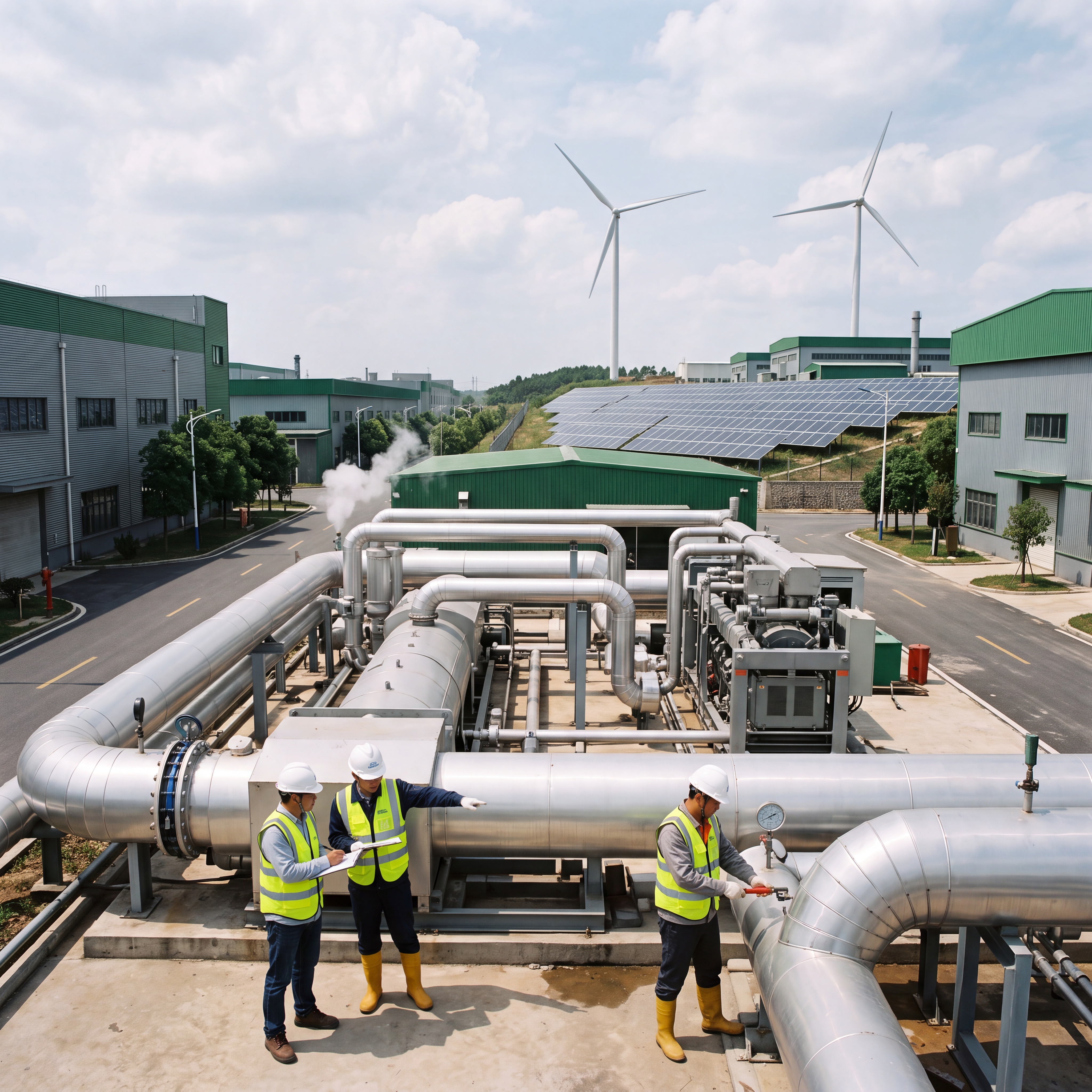
The Strategic Shift to Data-Driven Water Infrastructure
Global water infrastructure is transitioning from emergency-driven maintenance to predictive, data-led resilience. Discover how precision IoT sensing and edge telemetry are redefining utility operations. As water scarcity intensifies across arid and urbanizing regions, global utilities are abandoning reactive patchwork repairs in favor of predictive, sensor-driven networks. This paradigm shift relies on continuous telemetry, edge computing, and high-precision instrumentation to transform hydrological data into actionable operational intelligence.
From Emergency Response to Preventive Intelligence
The global water sector is undergoing a fundamental strategic realignment. Historically, municipal and industrial water management operated on a reactive model: waiting for pipe bursts, overflow events, or compliance violations before deploying resources. However, recent analyses from international policy institutes and environmental think tanks emphasize that financing and operational frameworks must pivot decisively toward prevention. The hydrological cycle is increasingly treated as a shared strategic asset, demanding stronger accountability mechanisms, standardized data architectures, and proactive watershed management.
This transition is not merely philosophical; it is driven by hard economic realities. Urban water networks routinely lose between 25% and 40% of treated water before it reaches end consumers due to aging infrastructure, undetected micro-leaks, and hydraulic imbalances. When combined with climate-induced volatility—prolonged droughts alternating with flash flood events—the margin for operational error has virtually disappeared. Utilities that fail to digitize their physical assets risk severe financial penalties, regulatory non-compliance, and public service degradation.
The Sensor Layer: Why AI Needs Accurate Ground Truth
Artificial intelligence and machine learning algorithms have captured significant attention in the smart water technology discourse. Predictive models for leak localization, demand forecasting, and energy optimization show remarkable promise in pilot deployments. Yet, AI systems are only as reliable as the data they ingest. Without high-fidelity, real-time telemetry from the physical environment, algorithmic predictions become speculative. This is where water IoT infrastructure bridges the gap between theoretical analytics and operational execution.
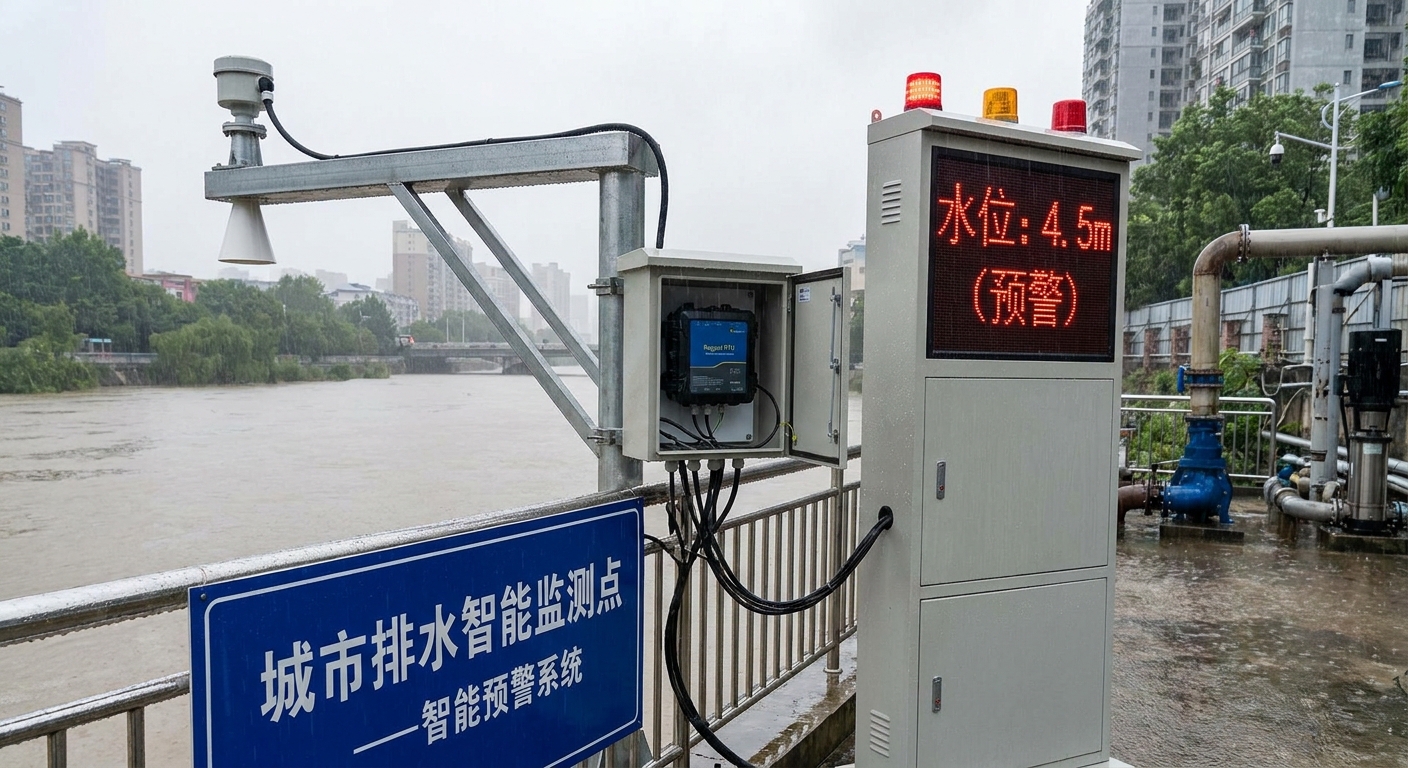
Procurement managers and system architects must prioritize the foundational sensing layer before investing heavily in cloud-based analytics platforms. Edge devices must deliver consistent, drift-free measurements under variable environmental conditions—submerged chambers, turbulent flow regimes, extreme temperature fluctuations, and corrosive chemical exposure. The integration of radar-based telemetry, electromagnetic flow measurement, and protocol-compliant remote terminal units (RTUs) creates a closed-loop data pipeline that feeds digital twins, hydraulic models, and automated control systems.
Precision Instrumentation in Modern Utility Networks
Ecolor Technology has engineered its product portfolio specifically to address the measurement gaps that hinder water digital transformation. By combining SITUMAN sensor manufacturing capabilities with HuaYu ZhongNeng system integration expertise, the company delivers end-to-end telemetry solutions tailored for both surface water management and underground drainage networks.
LGF Electromagnetic Flowmeter
Engineered for pressurized pipeline networks and industrial effluent monitoring, the LGF series delivers ±0.2% measurement accuracy across DN50–DN2000 diameters. Its non-intrusive sensing principle eliminates moving parts, drastically reducing maintenance cycles while maintaining IP68 ingress protection for continuous submerged operation. Ideal for water allocation billing, pump efficiency tracking, and district metering areas (DMAs).
Visual Doppler Flow Radar (80GHz + Camera)
A globally unique solution for open-channel urban drainage and ecological discharge monitoring. Combining 80GHz radar penetration with machine vision, this instrument measures surface velocity, water level, and cross-sectional flow simultaneously. The integrated camera provides visual verification during storm events, eliminating ambiguity in compliance reporting and flood forecasting.
The synergy between high-frequency radar level sensors and electromagnetic flow meters establishes a comprehensive spatial-temporal map of hydrological behavior. When paired with robust telemetry gateways, utilities gain the visibility required to implement dynamic pressure management, optimize aeration basins, and validate wastewater recycling yields.
Procurement Criteria: Reliability, Protocol Compliance, and Lifecycle Cost
For project managers and utility engineers, selecting IoT instrumentation extends beyond initial capital expenditure. The true cost of ownership encompasses calibration stability, communication protocol compatibility, firmware update cycles, and integration complexity with legacy SCADA architectures. Devices that operate in isolation create data silos; devices that speak standardized languages enable enterprise-wide interoperability.
The HERO V9 RTU exemplifies this integration-first philosophy. Designed around the SL651 telemetry protocol—a widely adopted standard in Chinese hydrological and meteorological networks—the unit ensures seamless data exchange with provincial water authority platforms. Its low-power architecture, multi-sensor input channels, and edge-processing capabilities allow utilities to deploy dense monitoring grids without overwhelming backhaul bandwidth or cloud infrastructure costs.
When evaluating smart water technology investments, engineering teams should prioritize the following technical benchmarks:
- Measurement Drift Tolerance: Instruments must maintain calibration stability across seasonal temperature swings and chemical exposure cycles.
- Protocol Interoperability: SL651, Modbus RTU, MQTT, and OPC-UA compatibility ensure future-proof integration with municipal data lakes.
- Edge Analytics Capability: Local threshold triggering reduces false alarms and minimizes cellular data transmission costs.
- Visual Verification: Radar-camera fusion eliminates ambiguity during extreme weather events, providing auditable evidence for regulatory compliance.
Financing the Circular Water Economy
Beyond operational efficiency, water digital transformation is increasingly tied to sustainable financing models. Global institutions are redirecting capital from emergency relief toward resilience infrastructure, watershed restoration, and advanced wastewater treatment. Microalgae-based bioremediation, membrane bioreactors, and energy-positive desalination plants represent the next generation of circular water systems. However, these technologies require continuous monitoring to validate environmental performance, secure green bonds, and meet ESG reporting mandates.
Real-time telemetry transforms compliance from a periodic audit into a continuous, verifiable stream of data. When utilities can demonstrate precise flow accounting, leak reduction metrics, and effluent quality consistency, they unlock preferential lending rates, carbon credit eligibility, and public-private partnership opportunities. The instrumentation layer is no longer a cost center; it is a financial enabler.
"Treating the hydrological cycle as a common good requires stronger norms, financing tools, data systems, and accountability mechanisms. Digital transparency is the foundation of water security in the 21st century." — Global Water Resilience Analysis, 2026
Building the Invisible Infrastructure of Tomorrow
The future of water management will not be defined by larger reservoirs or deeper boreholes, but by smarter sensing networks that make invisible flows visible, measurable, and controllable. Urban drainage systems will self-optimize during storm surges. Industrial cooling loops will dynamically adjust to minimize freshwater withdrawal. Agricultural irrigation will synchronize with soil moisture telemetry and weather forecasts. Each of these outcomes depends on a common denominator: reliable, high-precision instrumentation deployed at scale.
For procurement leaders and engineering directors, the mandate is clear. Prioritize sensor accuracy over marketing claims. Demand protocol compliance over proprietary lock-in. Invest in edge telemetry that reduces operational latency rather than increasing it. The utilities that succeed in the coming decade will be those that treat measurement not as an afterthought, but as the strategic core of their water resilience framework.
See What You Measure
Ecolor Technology, headquartered in Hangzhou, continues to advance the frontier of water IoT instrumentation. Through SITUMAN precision sensor manufacturing and HuaYu ZhongNeng system integration capabilities, we deliver end-to-end telemetry solutions that empower utilities to transition from reactive maintenance to predictive, data-driven operations. Our LGF electromagnetic flowmeters, HERO V9 RTUs, and visual fusion radar level sensors are engineered for the harsh realities of global water infrastructure, ensuring compliance, accuracy, and long-term reliability.
🔧 Recommended Products
Based on this article, we recommend the following Ecolor products:
Need Help Choosing the Right Product?
Our engineering team is ready to provide free technical consultation and quotes