Open Channel Flow Monitoring System Solution
Open channels, as common water conveyance channels in nature and hydraulic engineering, are widely found in rivers, irrigation canals, urban drainage networks, and other scenarios. Accurate monitoring of their flow is a crucial foundation for rational water resource allocation, flood control and drought relief decision-making, and hydraulic engineering management. The Open Channel Flow Monitoring System can measure water flow in open channels in real-time, providing reliable data support for water resource measurement, water usage scheduling, and ecological protection. It is a key technological equipment for achieving refined water resource management.
Overview
Summary
Open channels, as common water conveyance channels in nature and hydraulic engineering, are widely found in rivers, irrigation canals, urban drainage networks, and other scenarios. Accurate monitoring of their flow is a crucial foundation for rational water resource allocation, flood control and drought relief decision-making, and hydraulic engineering management. The Open Channel Flow Monitoring System can measure water flow in open channels in real-time, providing reliable data support for water resource measurement, water usage scheduling, and ecological protection. It is a key technological equipment for achieving refined water resource management.
Key Advantages
Challenges
- Accuracy Bottleneck in Adapting to Complex Flow Regimes & Channel Cross-Sections
- Corrosion & Wear from Harsh Water Quality & Environments
- Installation Constraints & Construction Limitations
- Stability Challenges in Power Supply & Communication
- High Operation & Maintenance Costs and Calibration Difficulties
Results
- Pingyang County Ecological Flow Verification & Guarantee Pilot Project
- Hangzhou Xihu District Liuxia Sub-district Mountain-Water Diversion Monitoring Service Project
- Shanghai Drainage Group Binhai New Area Drainage Monitoring Project
Solution Details
Open Channel Flow Monitoring System Solution
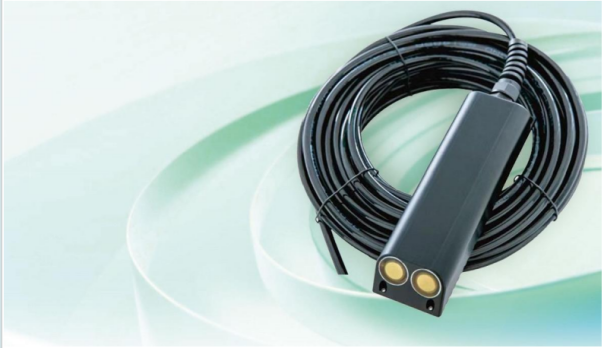
The Doppler flowmeter is an instrument used for velocity and flow rate detection in applications such as rivers, open channels, and pipelines. It employs ultrasonic detection technology, offering high measurement accuracy, high stability, minimal influence from environmental factors, no moving parts, low maintenance frequency, and high operational reliability. It is the preferred product for both online and portable measurements.
Key Advantages of the Doppler Flowmeter
- Compact size, small wetted surface area, and streamlined profile, minimizing impact on flow regime.
- Utilizes Modbus communication protocol and RS485 bus for communication.
- No mechanical moving parts, eliminating issues like sediment blockage or entanglement with aquatic weeds and debris.
- Fully electronic design, wide voltage power supply, low power consumption, and no mechanical components.
- Features accurate and stable measurement, high reliability, and strong anti-interference capability.
- Wide application range, suitable for various water environments from tap water to Yellow River water.
Device Parameters
Measurement Principle
Ultrasonic Doppler
Communication
RS485, Modbus
Power Supply
Wide Voltage, Low Consumption
Product Features
- High-Precision Measurement for Partially-Filled Pipes & Complex Flow Regimes
- Strong Anti-Interference & Environmental Adaptability
- Easy Installation & Low Retrofit Cost
- Low Power Consumption & Stable Data Transmission
- Intelligent Data Processing & Early Warning
- System Compatibility & Scalability
Approach
How we implement intelligence into your infrastructure step by step.
Site Survey & Requirement Confirmation
Investigate open channel cross-section shape, flow conditions (velocity range, water level fluctuation), and water quality characteristics (sediment content, corrosiveness). Clarify requirements for monitoring accuracy, data reporting frequency, and alarm thresholds. Determine installation points and assess power supply and communication conditions.
Solution Design & Equipment Selection
Select appropriate Doppler flowmeter model. Determine installation method (bracket wall-mounting, channel bottom fixing, bridge suspension). Design power supply solution (solar + battery) and communication solution.
Equipment Installation & Commissioning
Install Doppler flowmeter probe, adjusting its immersion depth and angle. Connect data acquisition terminal to power supply and communication modules. Power on to test probe signal strength, calibrate velocity measurement zero point, and input open channel cross-section parameters.
System Integration & Data Verification
Establish data link from "probe - acquisition terminal - cloud platform". Test data transmission stability. Compare with standard flow measurement data to correct flow calculation model parameters. Configure alarm thresholds and simulate flow exceedance scenarios to verify alarm notification functionality.
Trial Operation & Optimization
Conduct 1-2 weeks of trial operation, covering different conditions such as sunny/rainy weather and high/low water levels. Monitor equipment operation status, troubleshoot issues like data deviation and communication interruption. Optimize probe installation position and parameter configuration to improve measurement accuracy.
Recommended Hardware
Essential components for this solution.
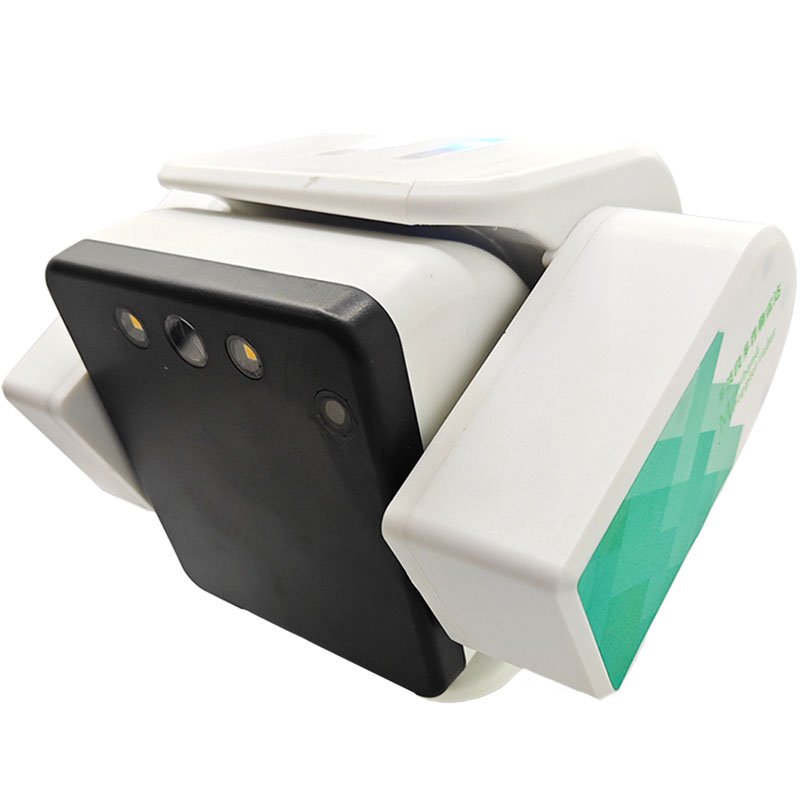
Multi-band Doppler Radar (Flow Meter)
The Multi-band Doppler Radar Flowmeter is an independently developed and innovated non-contact fluid...
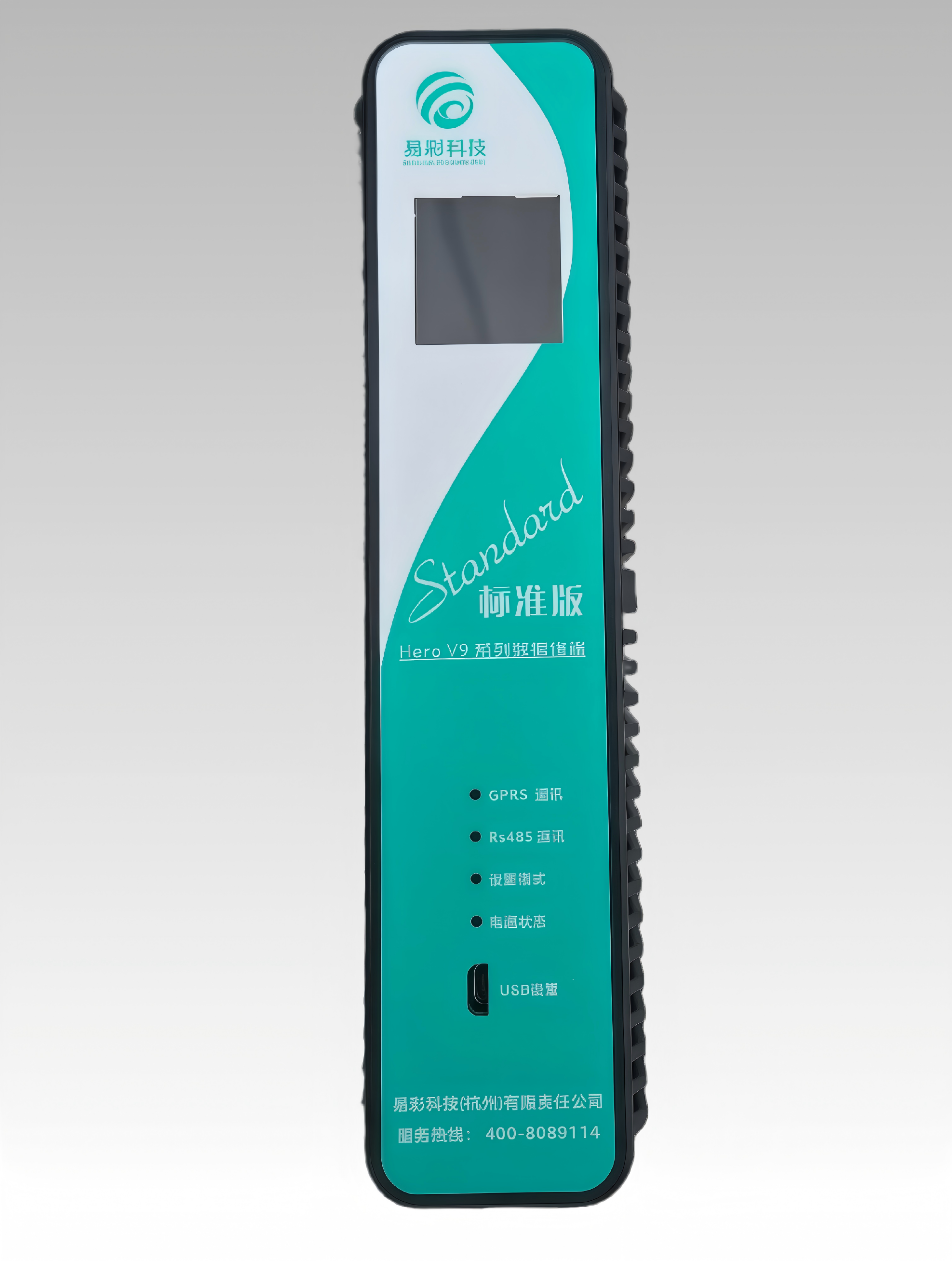
Measurement and Control Terminal Machine (Hero V9 Series - EC32)
This product has the functions of remote data collection, control and communication. It can receive ...
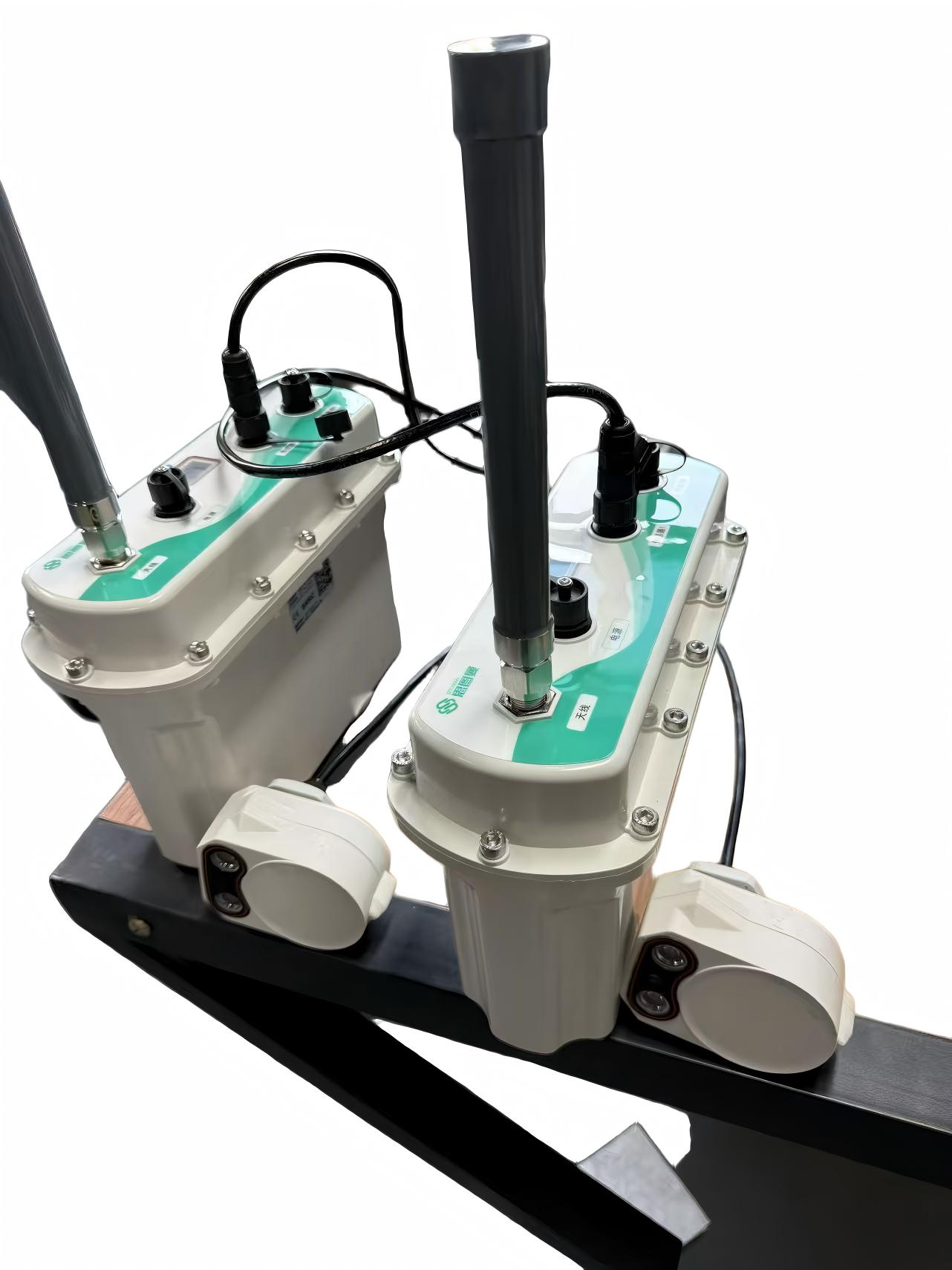
Visual Radar Water Level Gauge
The Visual Radar Water Level Gauge series is independently innovated and developed by Ecolor. Notabl...

Ready to Optimize Your Business?
Contact us, and our professional team will provide customized solutions to help your business achieve digital transformation.
Get In Touch