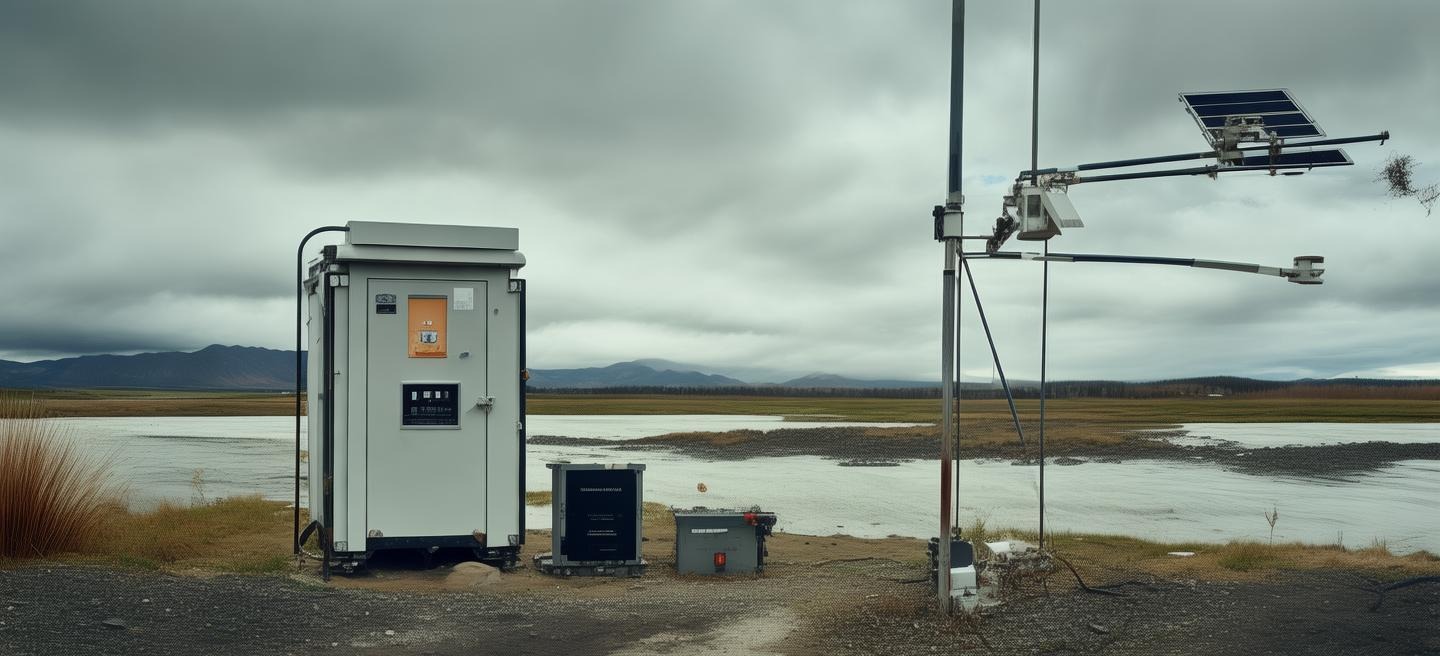
EC32 Hydrological RTU Solution for National Hydrological Station Networking and Multi-Center Data Reporting
Addressing the pain points of dispersed national hydrological station networks, duplicated multi-department deployments, inconsistent reporting protocols, poor power and communication conditions at remote stations, and high O&M costs, this solution is built around the EC32 hydrological telemetry terminal as the core networking unit: type-tested against SL/T 427-2021 water resources monitoring data transmission protocols, with 2x RS485 plus analog/pulse/switch inputs to acquire water level, flow, rainfall and water quality sensors, 4G/NB dual-mode communication with one-station-multi-send so the same dataset is reported simultaneously to basin authorities, provincial hydrology bureaus and local water departments under each center's protocol, remote firmware updates and threshold alarms that sharply reduce unattended-station maintenance, and MTBF ≥50,000 h with T6 explosion-proof certification for long-term national network reliability.
Overview
Summary
Addressing the pain points of dispersed national hydrological station networks, duplicated multi-department deployments, inconsistent reporting protocols, poor power and communication conditions at remote stations, and high O&M costs, this solution is built around the EC32 hydrological telemetry terminal as the core networking unit: type-tested against SL/T 427-2021 water resources monitoring data transmission protocols, with 2x RS485 plus analog/pulse/switch inputs to acquire water level, flow, rainfall and water quality sensors, 4G/NB dual-mode communication with one-station-multi-send so the same dataset is reported simultaneously to basin authorities, provincial hydrology bureaus and local water departments under each center's protocol, remote firmware updates and threshold alarms that sharply reduce unattended-station maintenance, and MTBF ≥50,000 h with T6 explosion-proof certification for long-term national network reliability.
Key Advantages
Challenges
- Duplicated multi-department deployments: basin, provincial, municipal and ecological departments each fund separate acquisition terminals for the same station, leaving multiple RTUs on one cross-section, wasting investment and causing mutual interference
- Inconsistent reporting protocols and error-prone manual transcription: each center requires different protocols, schedules, formats and addresses; manual download, transcription and secondary reporting lag behind and drift in accuracy, with misreports hard to eliminate
- Harsh power and communication conditions at remote stations: many national baseline stations lie in remote river reaches and mountainous reservoir areas without grid power or wired networks; ordinary devices draw too much power and adapt poorly to weak signals, compromising data delivery rates
- High O&M cost of unattended stations: dispersed sites with poor access require staff to travel on-site for firmware updates, parameter changes and fault handling, making each inspection expensive and slow, with high risk of data gaps
- Stringent reliability requirements of the national network: baseline station data is the legal basis for flood control dispatching and water resources assessment; devices must run stably for years with lightning and explosion protection across wide temperatures, and any data loss can affect flood-control decisions
Results
- Collect once, share with many centers: a single EC32 acquires water level, flow, rainfall and water quality data and distributes it simultaneously to basin authorities, provincial hydrology bureaus and local water departments, eliminating duplicate deployments and sharply cutting station-side equipment and investment
- Unified reporting with automatic distribution: every center automatically receives the same-source data under its own protocol, schedule and address; manual transcription is removed, and timeliness and consistency improve markedly
- Guaranteed delivery rates at remote stations: 4G/NB dual-mode communication selects the network automatically by signal conditions, and wide-voltage low-power design fits solar power systems, keeping unattended-station data delivery rates consistently high
- Far fewer site visits: remote firmware updates, remote parameter configuration and threshold alarms replace most inspections; sites only need periodic calibration and battery maintenance, cutting annual per-station O&M cost significantly
- Long-term stability of the national network: MTBF ≥50,000 h, T6 explosion-proof certification, -20°C to 70°C wide-temperature operation and lightning protection pass the harsh-environment validation of national baseline stations, keeping data continuous and trustworthy through critical flood seasons
Solution Details
EC32 Hydrological RTU: The Networking Core for National Hydrological Station Networks
National hydrological station networks are the foundational data backbone for flood and drought control, water resources dispatching and aquatic ecological protection. As basin authorities, provincial hydrology bureaus, local water departments and environmental agencies all demand data from the same gauging stations, the traditional "one station, one system" model has exposed serious problems: each center funds and installs its own acquisition equipment, leaving multiple RTUs on a single cross-section; differing protocols, reporting schedules and formats force manual transcription and secondary reporting that is both delayed and error-prone; and many national baseline stations sit in remote river reaches where grid power and wired communication cannot reach, making fault inspection extremely costly.
This solution uses the EC32 hydrological telemetry terminal as the core networking unit to build an IoT system of "collect once, report to many centers". Type-tested against SL/T 427-2021 data transmission protocols, the EC32 offers 2x RS485, 2x analog, 2x pulse and switch inputs in a single device, connecting radar level gauges, Doppler radar flow meters, tipping-bucket rain gauges and multi-parameter water quality analyzers. 4G/NB dual-mode wireless communication with one-station-multi-send distributes the same water level, flow and rainfall data in parallel according to each center's protocol, schedule and address, so basin, provincial and municipal authorities share a single source of truth and duplicate deployments disappear. Remote firmware updates, remote parameter configuration and out-of-limit alarms cut most site visits; a color LCD shows live acquisition status on site; and MTBF ≥50,000 h with T6 explosion-proof certification meets the all-weather unattended operation requirements of national baseline hydrological stations.
National Standard Certification and Protocol Compliance
The EC32 hydrological RTU is type-tested against SL/T 427-2021 and SZY206-2016 water resources monitoring data transmission protocols, and is natively compatible with national and basin hydrological data receiving platforms. This certification ensures that data collected at national baseline stations can be accepted directly by higher-level platforms without protocol conversion gateways or manual reformatting.
One-Station-Multi-Send Data Reporting Architecture
The same station data is distributed in parallel per each center's protocol, schedule and address, so basin, provincial and municipal authorities share one data source and duplicate acquisition is eliminated. Instead of installing separate RTUs for each receiving center, a single EC32 terminal serves all of them simultaneously.
Full-Interface Sensor Connectivity
A single EC32 terminal provides the I/O to connect the full range of hydrological sensors deployed at national stations:
- 2x RS485 ports for digital sensors and smart instruments
- 2x analog inputs (4-20 mA / 0-5 V) for radar level gauges and analog transmitters
- 2x pulse inputs for tipping-bucket rain gauges and pulse-output flow meters
- 2x switch inputs and relay outputs for status monitoring and reverse control
This interface set lets one terminal connect radar level gauges, Doppler flow meters, tipping-bucket rain gauges and water quality analyzers without additional acquisition modules.
4G/NB Dual-Mode Communication for Remote Stations
The EC32 automatically selects 4G or NB-IoT by site signal conditions, and with solar plus lithium-battery power fits remote river reaches without grid power or wired networks. This dual-mode design keeps national baseline stations reporting even where cellular coverage is marginal or where only narrowband IoT signals are available.
Remote O&M Capability for Unattended Stations
Remote firmware updates, remote parameter configuration and precise reverse control of pumps, valves and gates are supported, with out-of-limit alarms and a color LCD for on-site readout, greatly reducing station visits. Maintenance staff can adjust reporting schedules, update firmware or diagnose faults without traveling to remote cross-sections.
Industrial-Grade Reliability Specifications
The EC32 is built for all-weather unattended operation at national baseline hydrological stations. Key reliability parameters:
≥50,000 h
MTBF
T6
Explosion-proof certification
-20°C to 70°C
Operating temperature
9-24 VDC / 220 VAC
Wide-voltage supply
SL/T 427-2021
Type-tested protocol
SZY206-2016
Water resources protocol
Application Scenarios for Hydrological Station Networking
The EC32 hydrological RTU solution is designed for national hydrological station networking and multi-center data reporting, including basin authority monitoring networks, provincial hydrology bureau station upgrades, municipal water department reporting systems and environmental agency water quality monitoring stations. It is particularly suited to remote national baseline stations where grid power and wired communication are unavailable, and to cross-sections where multiple agencies require the same water level, flow and rainfall data.
? 参考来源
- SL/T 427-2021 — Water resources monitoring data transmission protocol
- SZY206-2016 — Water resources monitoring data transmission protocol
- EC32 Hydrological Telemetry Terminal product specifications
Approach
How we implement intelligence into your infrastructure step by step.
Network survey and planning
Compile station lists and departmental data requirements: monitored variables per station (level/flow/rainfall/quality), existing acquisition devices and duplication, each receiving center's protocol and schedule, and site power and signal conditions, forming a per-station networking plan and retrofit list.
EC32 configuration and sensor integration
Configure EC32 interfaces per station variables: radar level gauges and Doppler flow meters via RS485, tipping-bucket rain gauges on pulse inputs, water quality analyzers on analog/RS485; size solar plus battery systems by site insolation and load, and install lightning protection and enclosures.
Multi-center reporting configuration
Configure each receiving center's address, protocol version (SL/T 427-2021 etc.), schedule and variable mapping on the EC32 and enable one-station-multi-send; set alarm thresholds and recipients, then complete joint debugging and data reconciliation with every receiving platform.
Trial operation and data comparison
Run one flood season in parallel: verify completeness, timeliness and consistency of data received by each center, compare level and flow accuracy against legacy manual reporting, and validate 4G/NB auto-switching and solar endurance through continuous rainy periods.
Acceptance and long-term O&M
Organize acceptance per national hydrological station codes and hand over station archives and remote O&M permissions; establish remote inspection routines (monthly firmware, voltage and delivery-rate checks), calibrate sensors on site before each flood season, and use remote firmware updates to upgrade the whole network uniformly.
Recommended Hardware
Essential components for this solution.
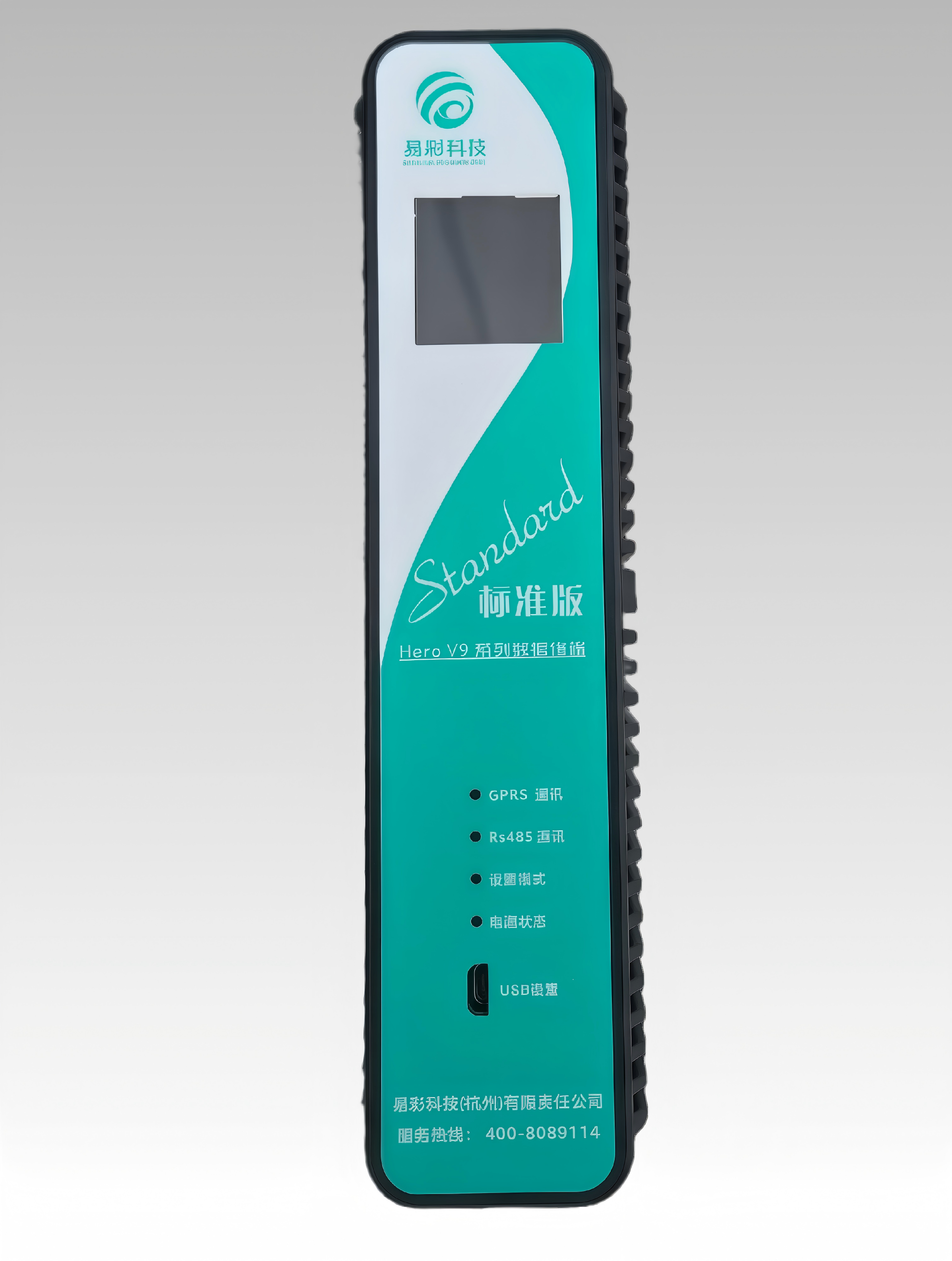
HERO V9-EC32 Hydrology RTU | Remote Terminal Unit
This product has the functions of remote data collection, control and communication. It can receive ...
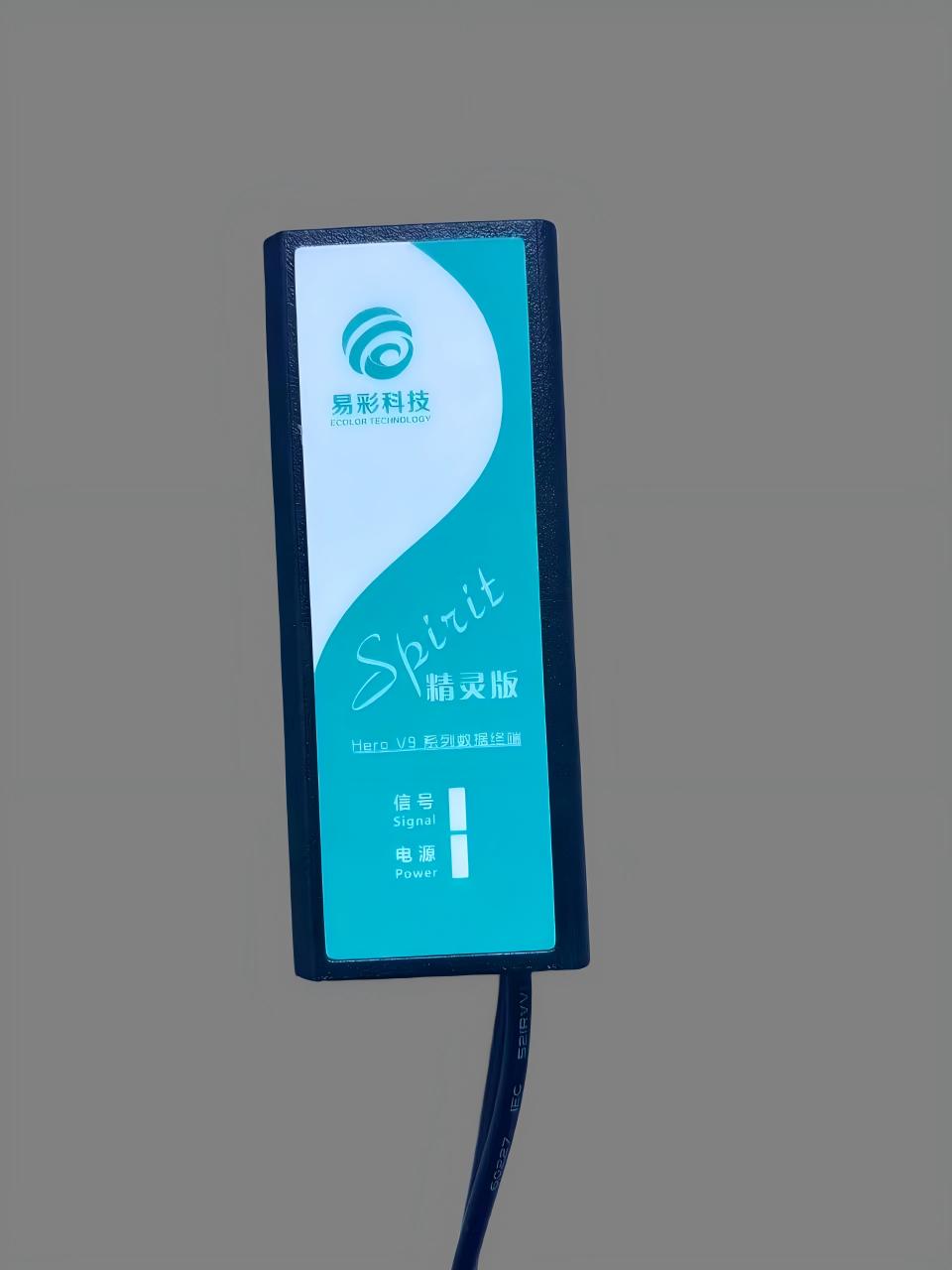
Measurement and Control Terminal (Hero V9 Series - EC60)
The Measurement and Control Terminal (Hero V9 Series - EC60) is a meticulously developed terminal pr...
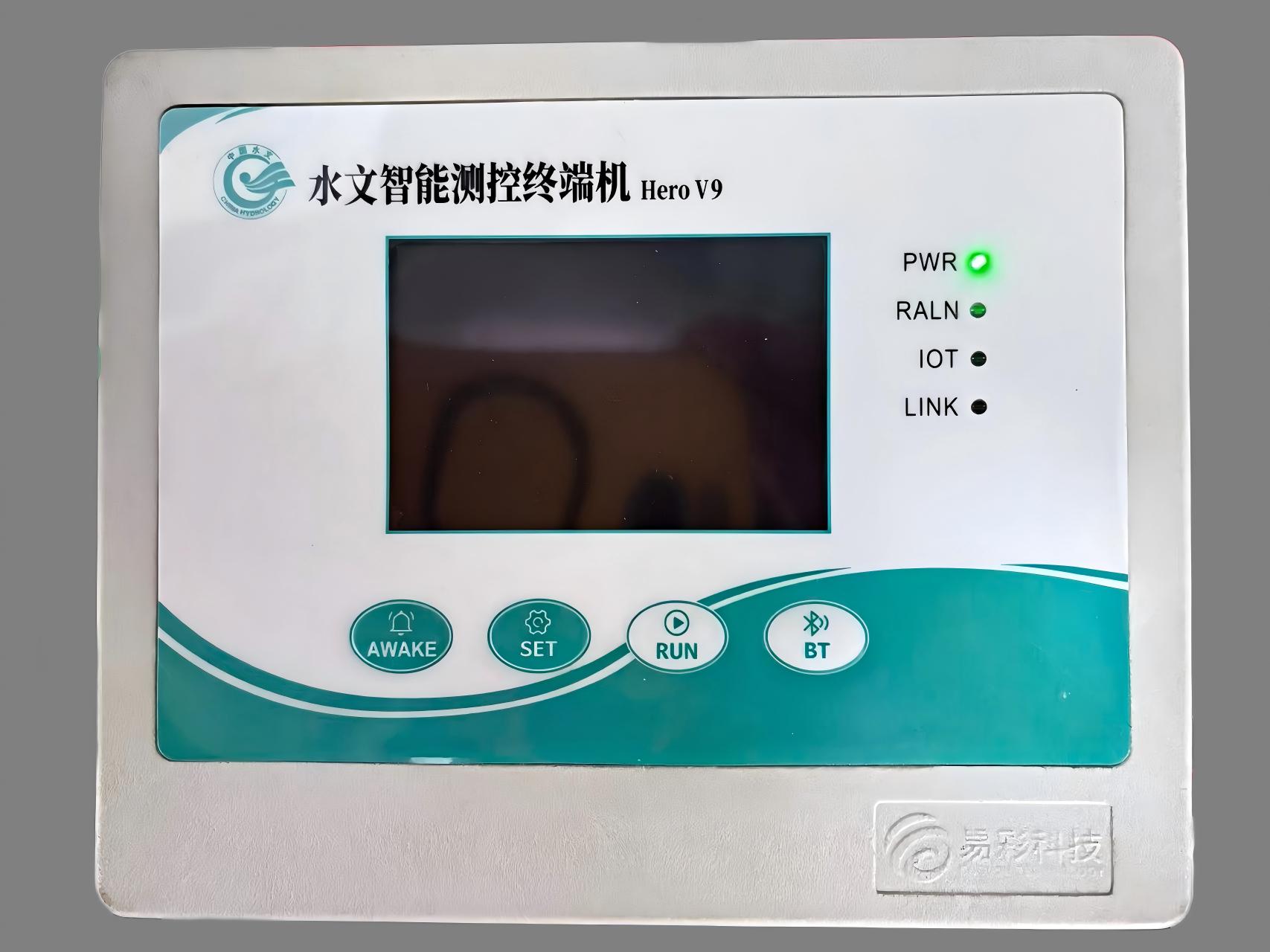
Hydrological Intelligent Monitoring and Control Terminal (Hero V9 Series - EC32)
The Hydrological Intelligent Monitoring and Control Terminal (Hero V9 Series - EC32), independently ...
❓ Related FAQs
Related Solutions
Visual Fusion Radar Water Level Gauge Solution for Urban River Ecological Replenishment Level Monitoring
Water Resource Tax Intake Metering & Online Monitoring Solution
Doppler Radar Flowmeter Downhole Non-Contact Flow Monitoring Standard Solution

Ready to Optimize Your Business?
Contact us, and our professional team will provide customized solutions to help your business achieve digital transformation.
Get In Touch