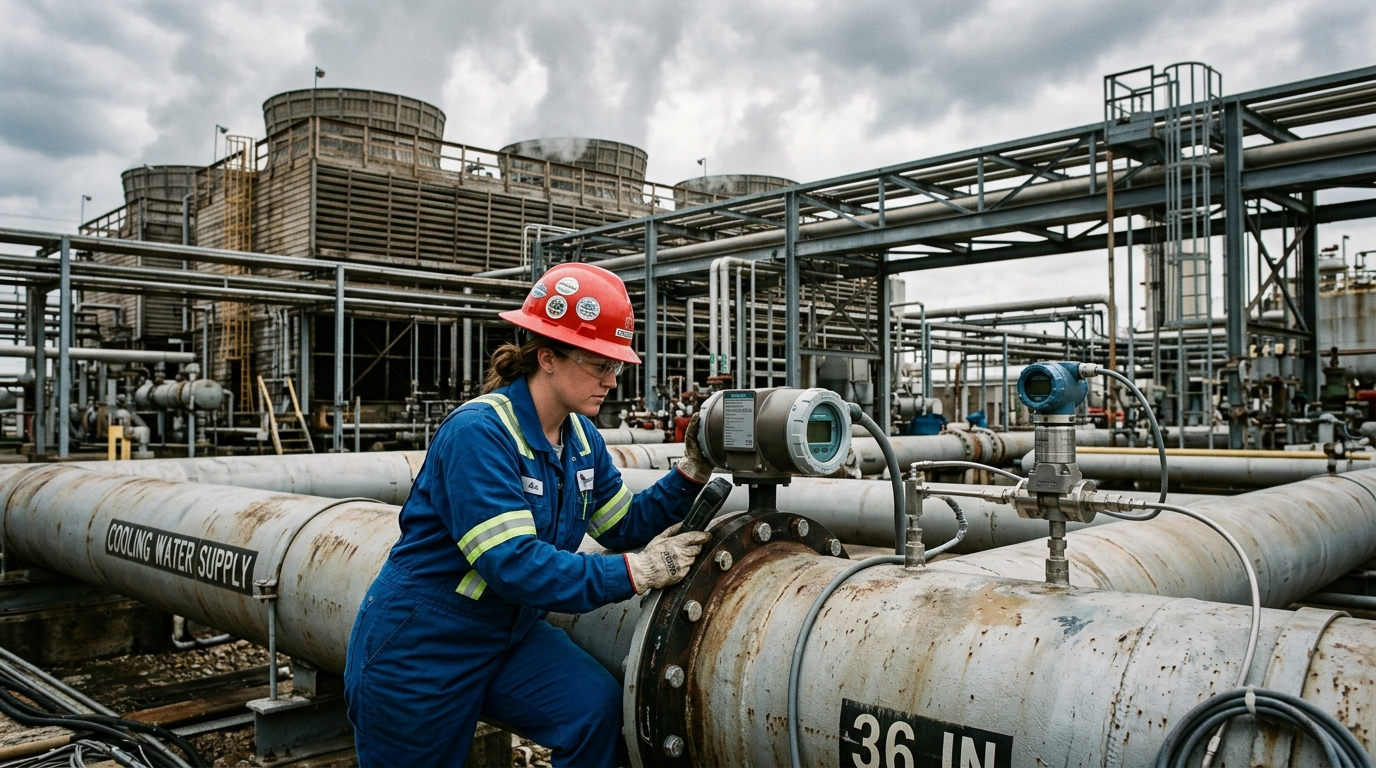
Combined Metering and Energy Efficiency Optimization of Industrial Circulating Cooling Water Systems with Electromagnetic Flow Meters and Pressure Transmitters
Targeting the lack of flow metering, large pressure fluctuations, extensive energy consumption of circulating water pumps, unclear water balance and insufficient energy assessment data in industrial circulating cooling water systems, this solution deploys integral/split electromagnetic flow meters and pressure transmitters to build a combined supply-and-return metering network. Together with RTU/data acquisition platforms it enables synchronized multi-parameter acquisition of flow, pressure and temperature and variable-frequency interlocked control of circulating pumps, achieving flow metering accuracy of ±0.5%, pipeline pressure fluctuation within ±0.02 MPa, and 8%~15% reduction in comprehensive pump power consumption, providing a continuous and reliable metering data foundation for water and energy saving, water balance testing and energy management system certification.
Overview
Summary
Targeting the lack of flow metering, large pressure fluctuations, extensive energy consumption of circulating water pumps, unclear water balance and insufficient energy assessment data in industrial circulating cooling water systems, this solution deploys integral/split electromagnetic flow meters and pressure transmitters to build a combined supply-and-return metering network. Together with RTU/data acquisition platforms it enables synchronized multi-parameter acquisition of flow, pressure and temperature and variable-frequency interlocked control of circulating pumps, achieving flow metering accuracy of ±0.5%, pipeline pressure fluctuation within ±0.02 MPa, and 8%~15% reduction in comprehensive pump power consumption, providing a continuous and reliable metering data foundation for water and energy saving, water balance testing and energy management system certification.
Key Advantages
Challenges
- Missing metering points in circulating water networks; circulation volume estimated from pump nameplates with deviations over 20%, leaving water balance tests without data support
- Many pressure monitoring blind spots; delayed detection of pressure fluctuations destabilizes cooling supply and affects heat exchange of production units
- Circulating pumps run at fixed frequency for long periods with high flow and small temperature rise, wasting electricity without quantitative assessment
- Flow, pressure and temperature data scattered across local instruments with severe silos, preventing combined energy efficiency analysis and network diagnostics
- Missing make-up water metering; cycles of concentration cannot be controlled, and blowdown and chemical consumption remain high
Results
- Full-coverage metering on supply main, return main and major branches with ±0.5% accuracy, enabling continuous and traceable water balance data
- Real-time online pressure monitoring at key nodes with fluctuations within ±0.02 MPa, significantly improving cooling supply stability
- Variable-frequency interlocked pump control based on combined flow, pressure and temperature data reduces comprehensive pump power consumption by 8%~15%
- Continuous metering of make-up and blowdown water keeps cycles of concentration stable at 3~5, saving over 10% water annually
- Unified multi-parameter data platform provides the data foundation for energy assessment, network diagnostics and energy management system certification
Solution Details
Combined Metering and Energy Efficiency Optimization of Industrial Circulating Cooling Water Systems
Industrial circulating cooling water is the largest water consumer in water-intensive industries such as petrochemical, power, metallurgy and chemical engineering. The metering and pressure monitoring of circulating water systems directly affect cooling performance, equipment safety and operating energy consumption. This solution combines electromagnetic flow meters and pressure transmitters to deliver refined metering, energy efficiency optimization and digital management of industrial circulating cooling water systems.
The Challenges of Traditional Circulating Cooling Water Management
Under traditional management, circulating water networks generally suffer from missing metering points, improper instrument selection, pressure monitoring blind spots and severe data silos. These issues create significant operational and financial losses:
- Circulation volume is estimated from pump nameplate data with deviations over 20%
- Pressure fluctuations cannot be detected in time, destabilizing cooling supply
- Pumps run at fixed frequency for long periods with high flow and small temperature rise, wasting electricity
- Water balance tests lack continuous metering data, making water-saving potential impossible to quantify
How Electromagnetic Flow Meters and Pressure Transmitters Work Together
This solution uses electromagnetic flow meters and pressure transmitters as core sensing units, deploying a combined metering network on the supply main, return main, branch lines and cooling tower make-up points. Electromagnetic flow meters measure conductive liquids unaffected by temperature, pressure, density or viscosity, with a wide turndown ratio above 1:100, ideal for high-flow, variable-condition circulating water metering; pressure transmitters monitor key pipeline nodes in real time and, combined with flow data, enable network resistance analysis. All instruments connect via 4-20mA/RS485 to RTUs or data acquisition platforms, achieving synchronized acquisition, remote transmission and centralized monitoring of flow, pressure and temperature, and supporting variable-frequency constant-pressure/temperature-difference interlocked control of circulating pumps, ultimately realizing refined metering, energy efficiency optimization and digital management of circulating cooling water systems.
Key Product Features and Technical Specifications
- Integral/split electromagnetic flow meters: measurement unaffected by temperature, pressure, density or viscosity, turndown ratio above 1:100, accuracy ±0.5%, selectable liner and electrode materials for circulating water quality
- Pressure transmitters: diffused silicon/ceramic piezoresistive sensing, accuracy 0.2%FS~0.5%FS, 4-20mA+HART/RS485 output, excellent long-term stability
- Combined supply-and-return metering network: synchronized flow, pressure and temperature acquisition supporting temperature-rise energy analysis and network resistance diagnostics
- RTU/data acquisition platform: Modbus RTU/TCP, 4G/NB-IoT/Ethernet reporting, store-and-forward, remote configuration and diagnostics
- Variable-frequency pump interlock: PID control based on return water temperature and supply-return differential pressure, automatically adjusting pump speed to avoid high flow and small temperature rise
- Water balance and concentration management: three-level metering of make-up, blowdown and circulation volumes guiding blowdown and dosing strategies
Core Performance Data at a Glance
±0.5%
Electromagnetic Flow Meter Accuracy
>1:100
Turndown Ratio
0.2%FS~0.5%FS
Pressure Transmitter Accuracy
4-20mA / RS485
Signal Output
Modbus RTU/TCP
Communication Protocol
4G / NB-IoT / Ethernet
Remote Reporting Options
Application Scenarios for Circulating Cooling Water Metering
The combined metering and energy efficiency optimization solution is designed for water-intensive industries including petrochemical, power generation, metallurgy and chemical engineering. It is particularly suited to industrial circulating cooling water systems that require continuous flow and pressure monitoring, variable-frequency pump control, water balance analysis and digital management. By deploying electromagnetic flow meters and pressure transmitters across supply mains, return mains, branch lines and cooling tower make-up points, plant operators gain full visibility into cooling water network performance and can systematically reduce energy consumption and water waste.
? Reference Sources
- Industrial circulating cooling water system metering and energy efficiency optimization practices
- Electromagnetic flow meter and pressure transmitter technical specifications
- RTU/data acquisition platform integration for industrial water systems
Approach
How we implement intelligence into your infrastructure step by step.
Site survey and metering point planning
Map the circulating water process (cooling tower - circulating pumps - supply main - process units - return main - cooling tower), determine metering points on supply/return mains, branches and make-up/blowdown lines, verify pipe diameters, flow ranges and pressure ratings, and complete instrument selection and installation design.
Instrument installation and signal integration
Install electromagnetic flow meters on supply/return mains and branches per upstream/downstream straight-pipe requirements, and pressure transmitters at pump outlets, key main-line nodes and cooling tower inlets; connect flow, pressure and temperature signals via 4-20mA or RS485 to RTU/acquisition cabinets with proper power supply, grounding and lightning protection.
Platform deployment and interlock configuration
Deploy the data acquisition and energy management platform, configure point registers, sampling rates and alarm thresholds; establish combined flow-pressure-temperature data models, configure variable-frequency interlocked control strategies for circulating pumps (return temperature + differential pressure PID), and complete water balance and concentration calculation models.
Commissioning and energy efficiency diagnostics
Run a 30-day commissioning period, verify the balance between metering data, pump power consumption and make-up volume; conduct network resistance analysis and energy diagnostics based on combined data, optimize pump combinations and variable-frequency control parameters, and deliver an energy efficiency report.
Long-term O&M and continuous optimization
Establish periodic instrument verification and data quality inspection routines; the platform automatically generates water balance reports, energy consumption reports and alarm work orders; dynamically adjust metering points and control strategies with process changes to support corporate water/energy saving targets and continuous improvement of the energy management system.
Recommended Hardware
Essential components for this solution.
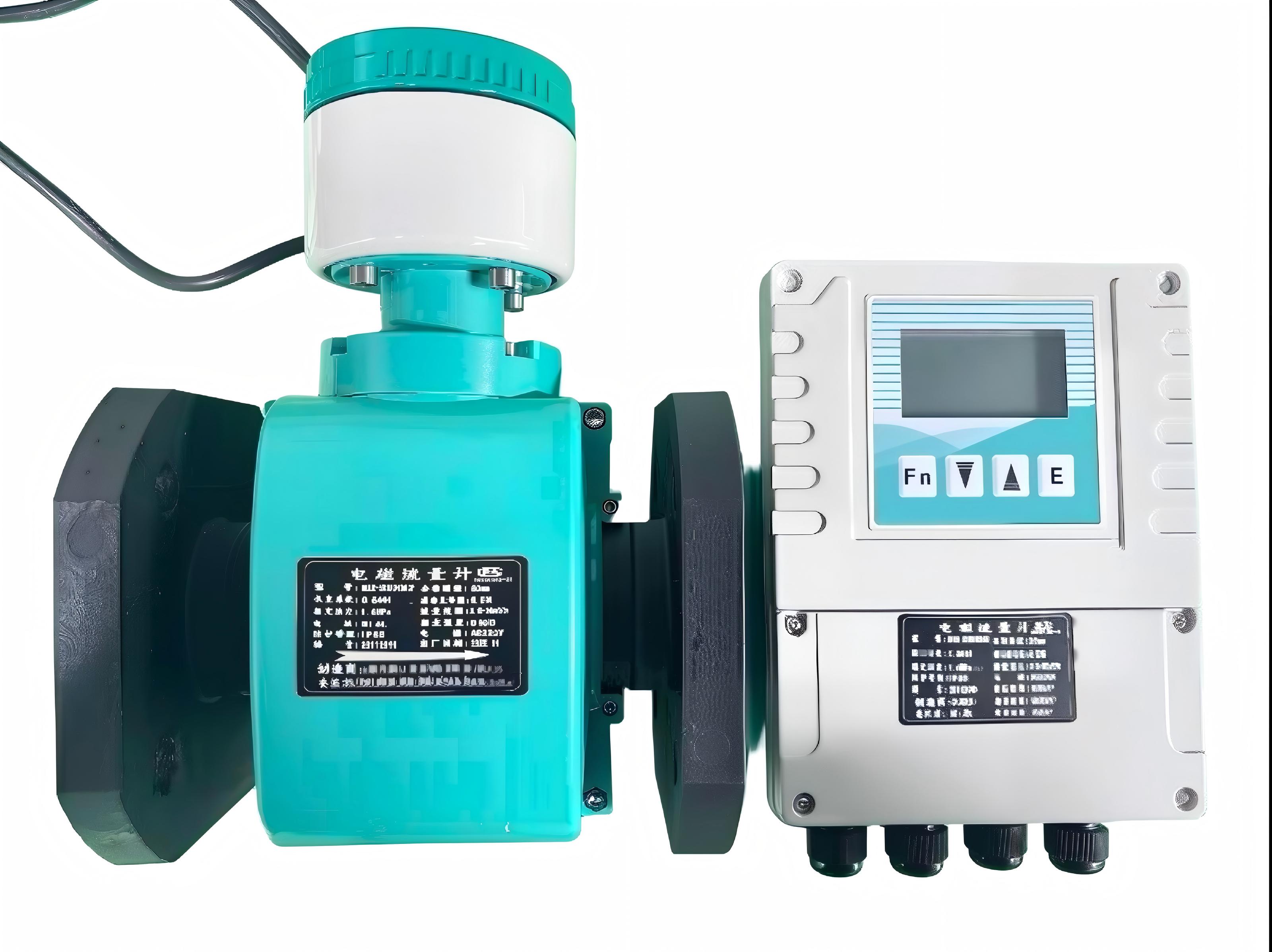
Split-Type Electromagnetic Flow Meter | IP68 ±0.5%
Ecolor's self-developed split-type electromagnetic flowmeter, made from aerospace-grade polymer mate...
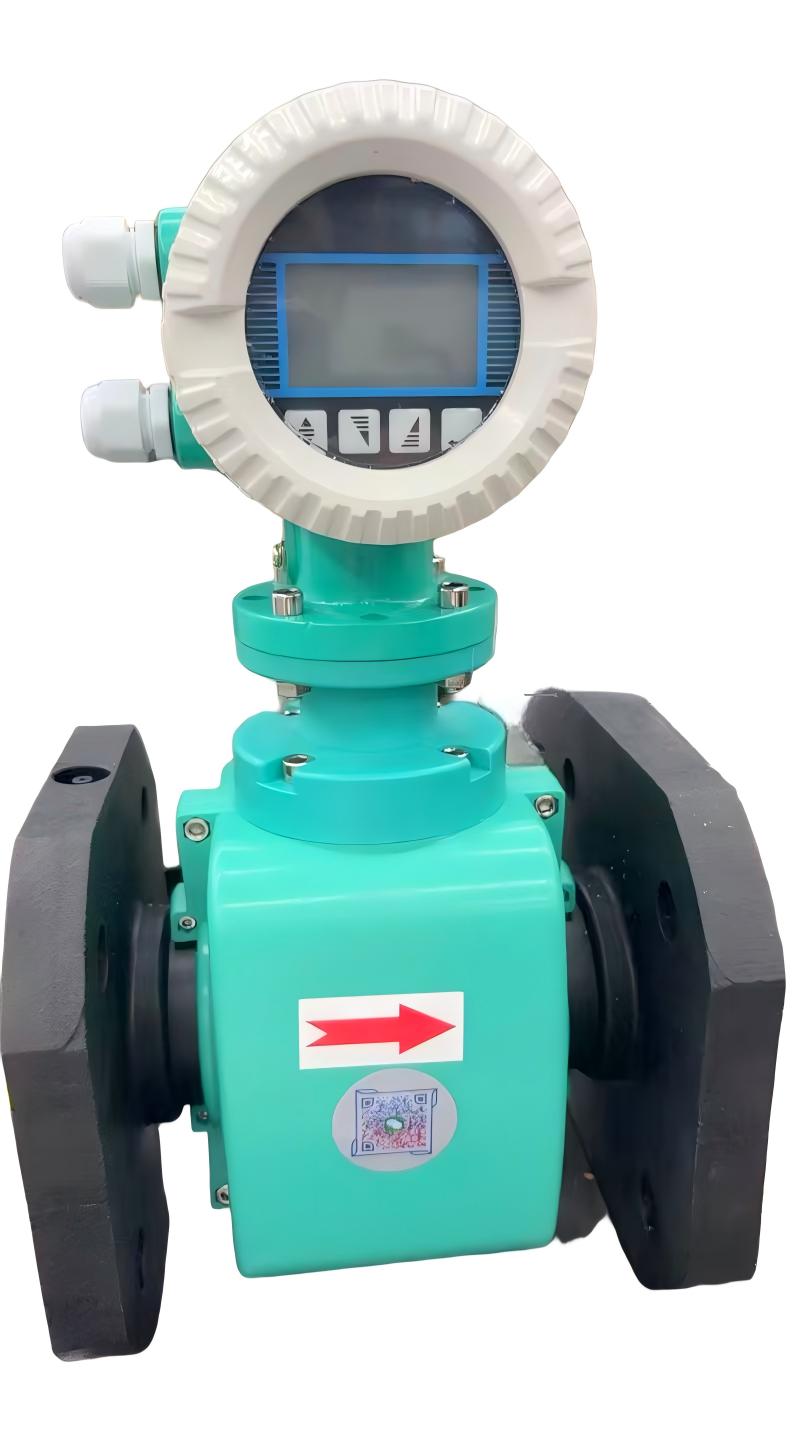
LGF Integrated Electromagnetic Flowmeter
Ecolor's self-developed aerospace polymer material electromagnetic flowmeter is suitable for flow me...
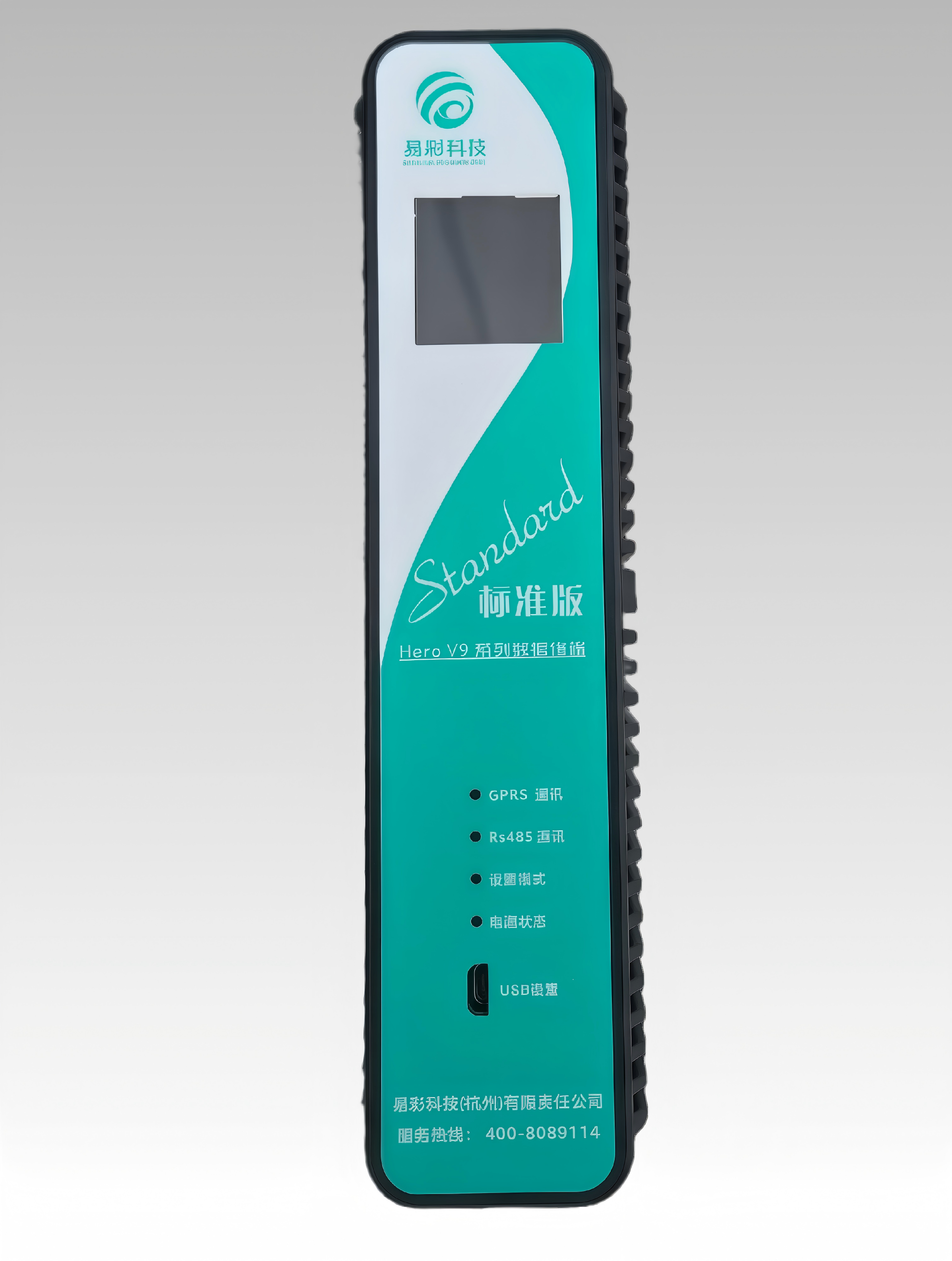
HERO V9-EC32 Hydrology RTU | Remote Terminal Unit
This product has the functions of remote data collection, control and communication. It can receive ...
❓ Related FAQs
Related Solutions
Zero-Carbon Park Integrated Energy Management & Carbon Asset Digitalization Solution
Industrial Carbon Emission Real-Time Monitoring and ESG Reporting System Solution
Enterprise Water Efficiency Monitoring and Conservation Management System Solution

Ready to Optimize Your Business?
Contact us, and our professional team will provide customized solutions to help your business achieve digital transformation.
Get In Touch