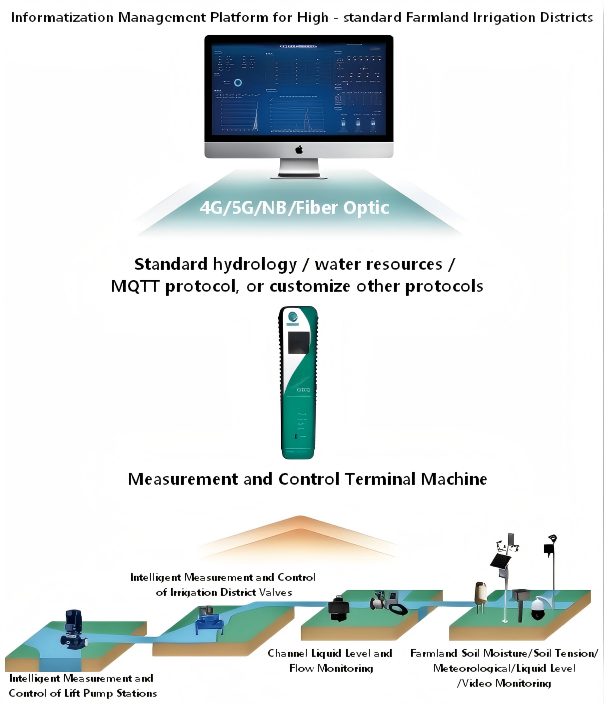
Field Weather Monitoring System
The Field Weather Monitoring System is a core infrastructure of modern smart agriculture. It enables precision management of agricultural production by collecting real-time data on meteorology, soil, and crop growth.
Overview
Summary
The Field Weather Monitoring System is a core infrastructure of modern smart agriculture. It enables precision management of agricultural production by collecting real-time data on meteorology, soil, and crop growth.
Key Advantages
Challenges
- Adaptability to Harsh Field Environments
- Power Supply and Communication Stability Constraints
- Data Accuracy and Quality Control Challenges
- System Compatibility and Data Value Realization
Results
- Achieves precise perception of field microclimate and real-time data availability
- Supports scientific decision-making for irrigation, fertilization, and pesticide application
- Reduces manual inspection costs and agricultural disaster risks
- Enhances water resource utilization efficiency and improves crop yield and quality
Solution Details
Field Weather Monitoring System: Comprehensive Environmental Data Collection
The Field Weather Monitoring System is a robust solution designed for precise environmental monitoring. The device features 1 channel for wind speed, 1 for wind direction, 1 for air temperature and humidity, 1 for rainfall collection, and 2 relay outputs. Data can be uploaded to the monitoring software platform via GPRS or Ethernet port. Additionally, the weather station includes 1 ModBus-RTU slave interface, allowing data transmission to customer monitoring software or PLC configuration screens via 485 communication. It also supports connection to an external LED display.
Key Project Features of the Weather Monitoring System
The system is engineered for reliability and ease of use in remote field locations.
- Utilizes solar power supply, eliminating the need for grid electricity.
- Standard mounting bracket for easy installation.
- Employs an ultra-low-power Remote Terminal Unit (RTU), allowing for a smaller, more cost-effective solar power configuration and easy installation. A mobile APP provides intuitive visualization of on-site monitoring data, enabling farmers and administrators to grasp field weather and soil conditions in real-time.
Core Product Characteristics
- Multi-Parameter Precision Acquisition: Accurately measures wind, temperature, humidity, and rainfall.
- High Adaptability to Harsh Field Environments: Built to withstand demanding outdoor conditions.
- Flexible and Stable Data Transmission: Supports GPRS, Ethernet, and 485 communication for reliable data flow.
- Intelligent Early Warning and Decision Support: Provides actionable insights for proactive management.
- Lightweight Deployment and Easy Operation: Simple to install and manage via a user-friendly mobile app.
- Modular Expandability and System Compatibility: Easily integrates with existing software and hardware like PLCs and LED displays.
- Low Operation and Maintenance Costs: Solar-powered and efficient design minimizes ongoing expenses.
Technical Data Overview
Approach
How we implement intelligence into your infrastructure step by step.
Requirement Analysis and Site Planning
Conduct on-site surveys of farmland topography and crop types to define monitoring parameters (temperature, humidity, rainfall, etc.). Determine the number and locations of monitoring points based on crop distribution and microclimate variations, avoiding agricultural machinery operation zones and low-lying waterlogged areas.
Solution Design and Equipment Selection
Design a three-tier "Sensing - Transmission - Platform" architecture, matching field communication (prioritizing LoRa/NB-IoT) and power supply solutions (solar + battery). Select sensors with high protection ratings and low power consumption, ensuring their accuracy meets agricultural observation standards.
Equipment Deployment and Installation
Carry out construction during non-growing seasons. Complete tasks including pole foundation pouring, sensor installation, and debugging of power and communication modules. Install protective enclosures and implement measures for lightning protection and prevention of agricultural machinery collisions.
System Setup and Joint Commissioning
Deploy the monitoring platform and configure data acquisition frequency and alarm thresholds. Establish the data link between devices and the platform, testing data resumption after interruption. Verify multi-terminal data viewing and alarm notification functions.
Calibration and Trial Operation
Calibrate sensor accuracy using standard meteorological instruments. Conduct a 1-2 week trial run to monitor equipment stability and data accuracy, optimizing parameter configurations.
Recommended Hardware
Essential components for this solution.
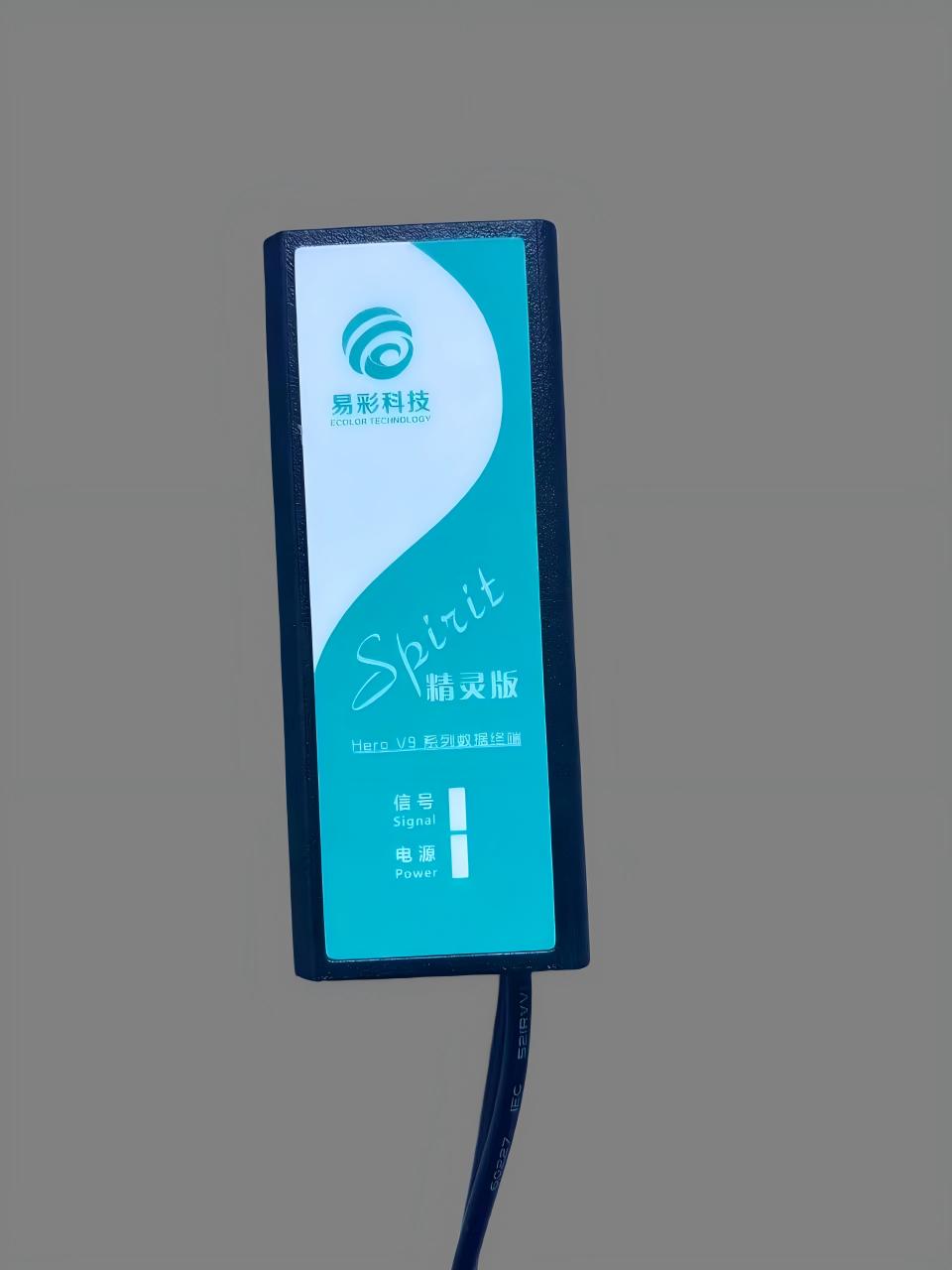
Measurement and Control Terminal (Hero V9 Series - EC60)
The Measurement and Control Terminal (Hero V9 Series - EC60) is a meticulously developed terminal pr...
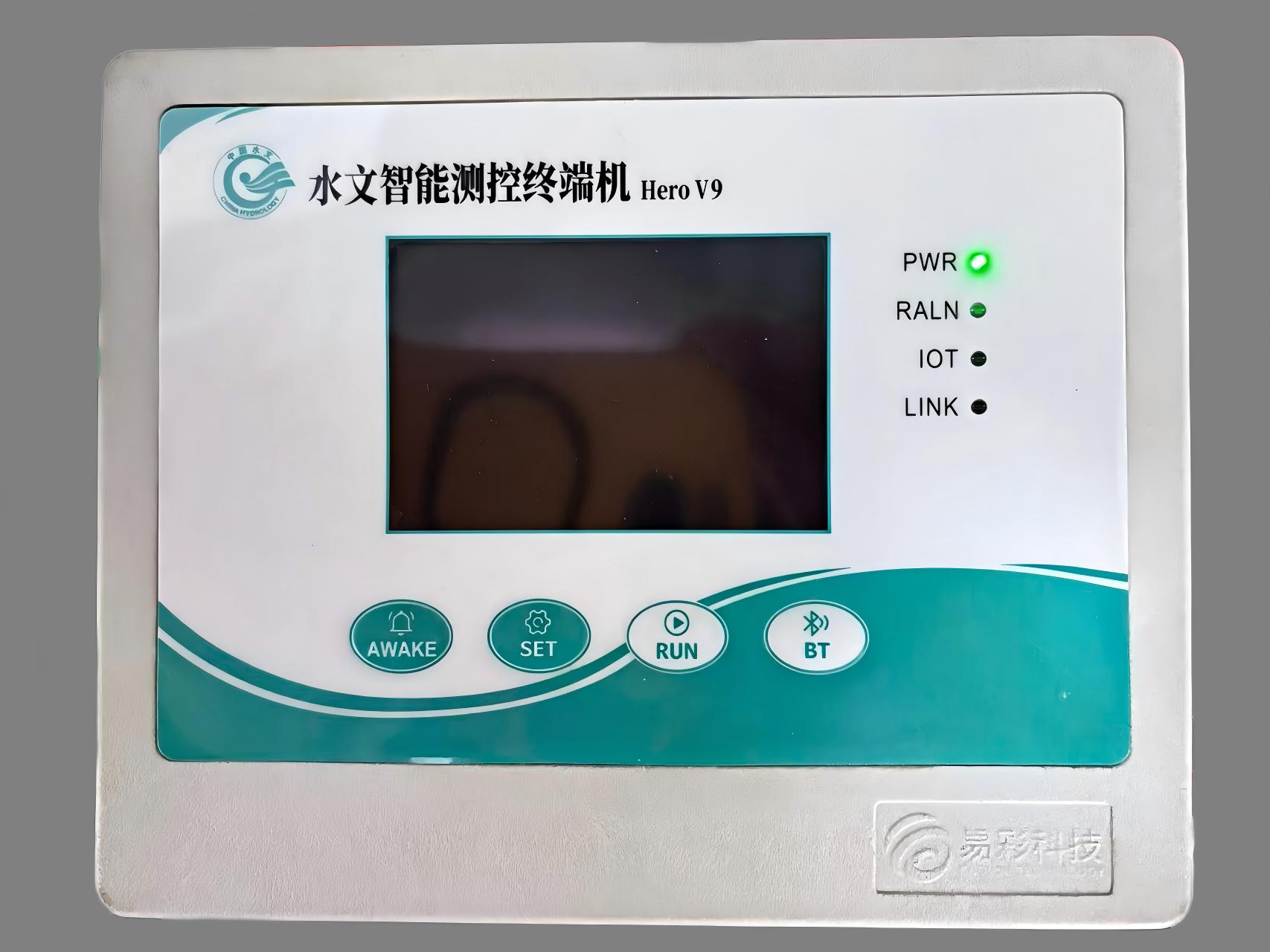
Hydrological Intelligent Monitoring and Control Terminal (Hero V9 Series - EC32)
The Hydrological Intelligent Monitoring and Control Terminal (Hero V9 Series - EC32), independently ...
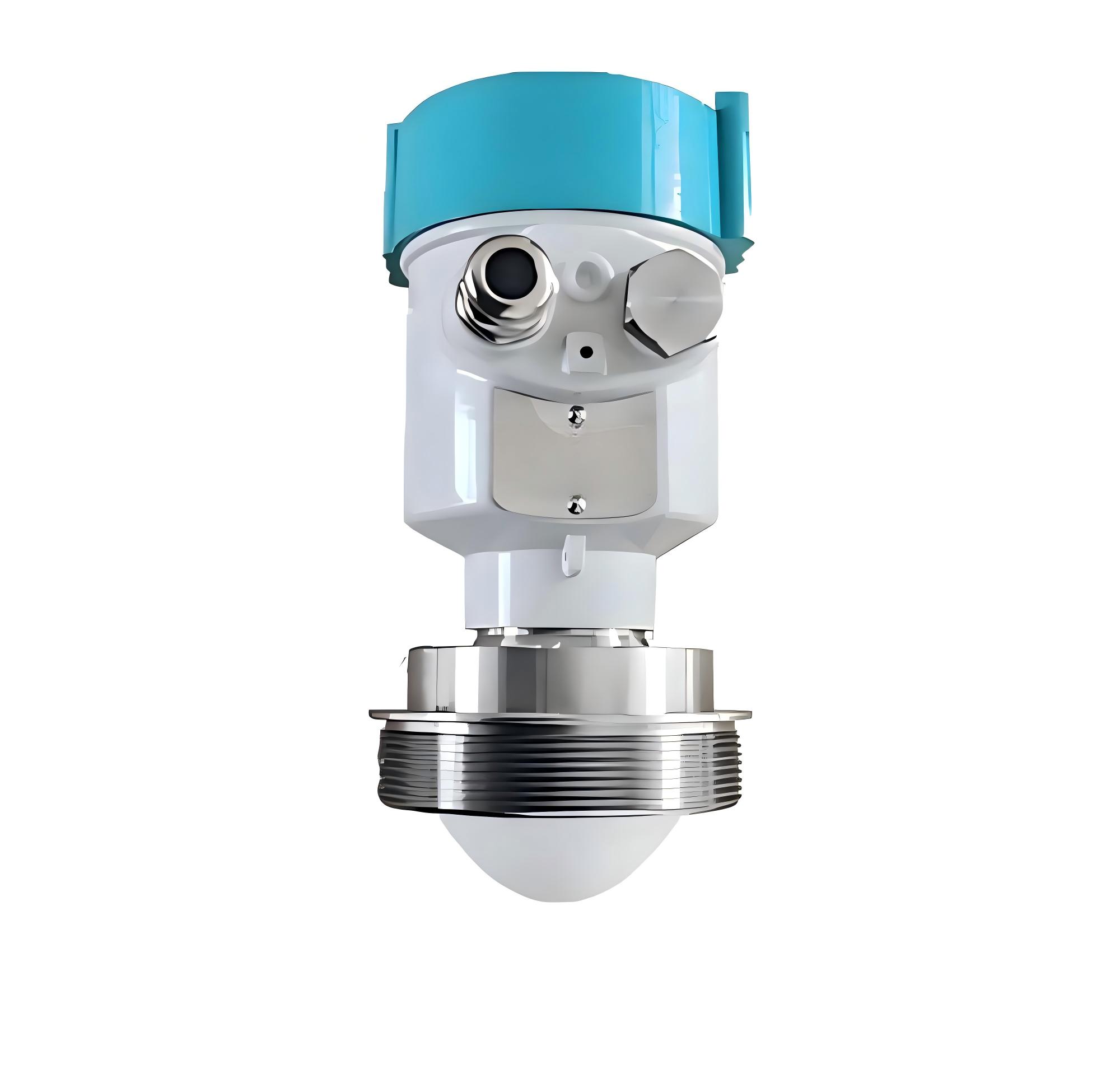
Radar Level Gauge
A radar level gauge is an instrument that utilizes radar technology to measure the level height of s...
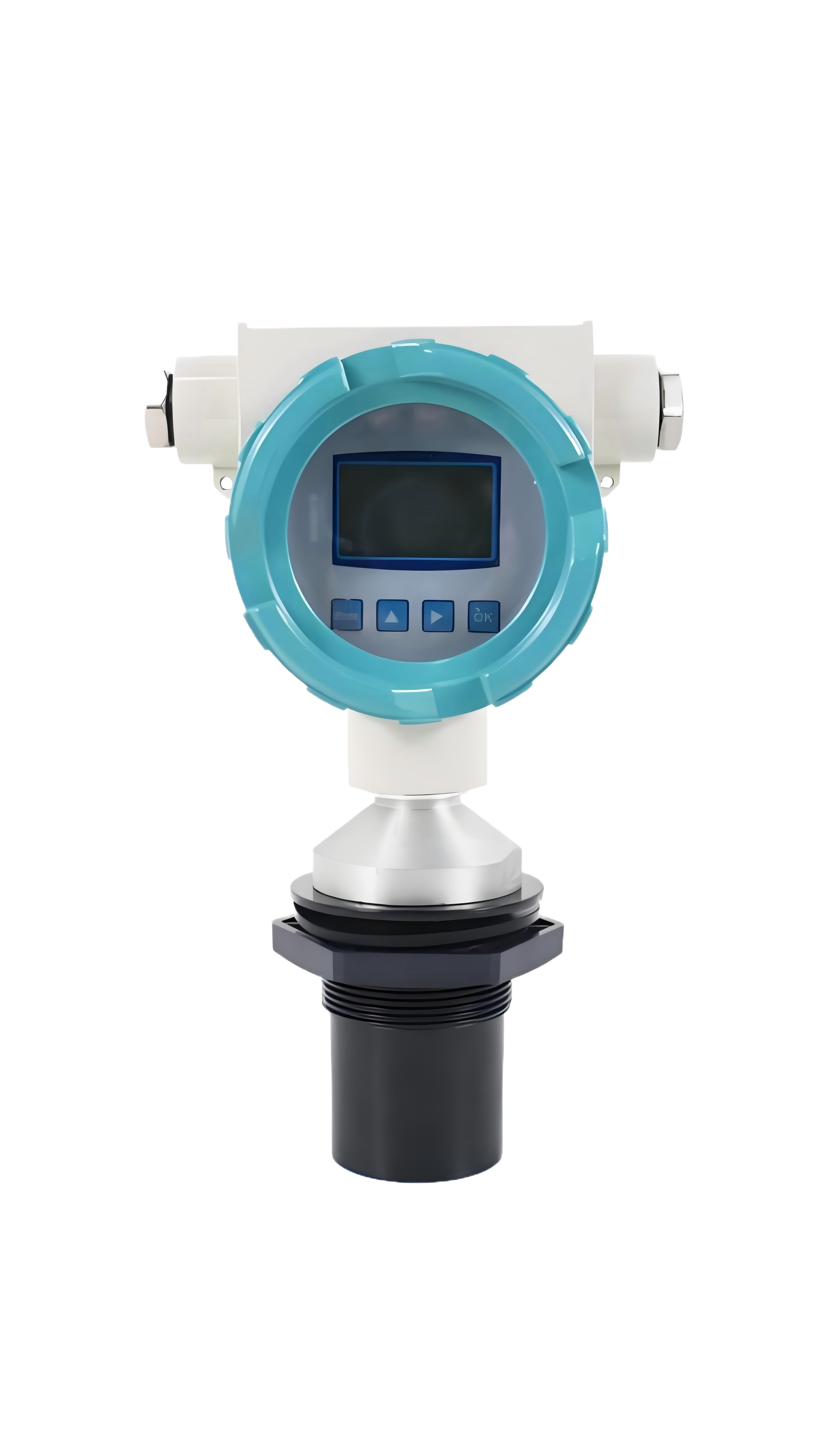
Ultrasonic Level Meter
The ultrasonic level meter is an instrument that utilizes ultrasonic technology for liquid level mea...
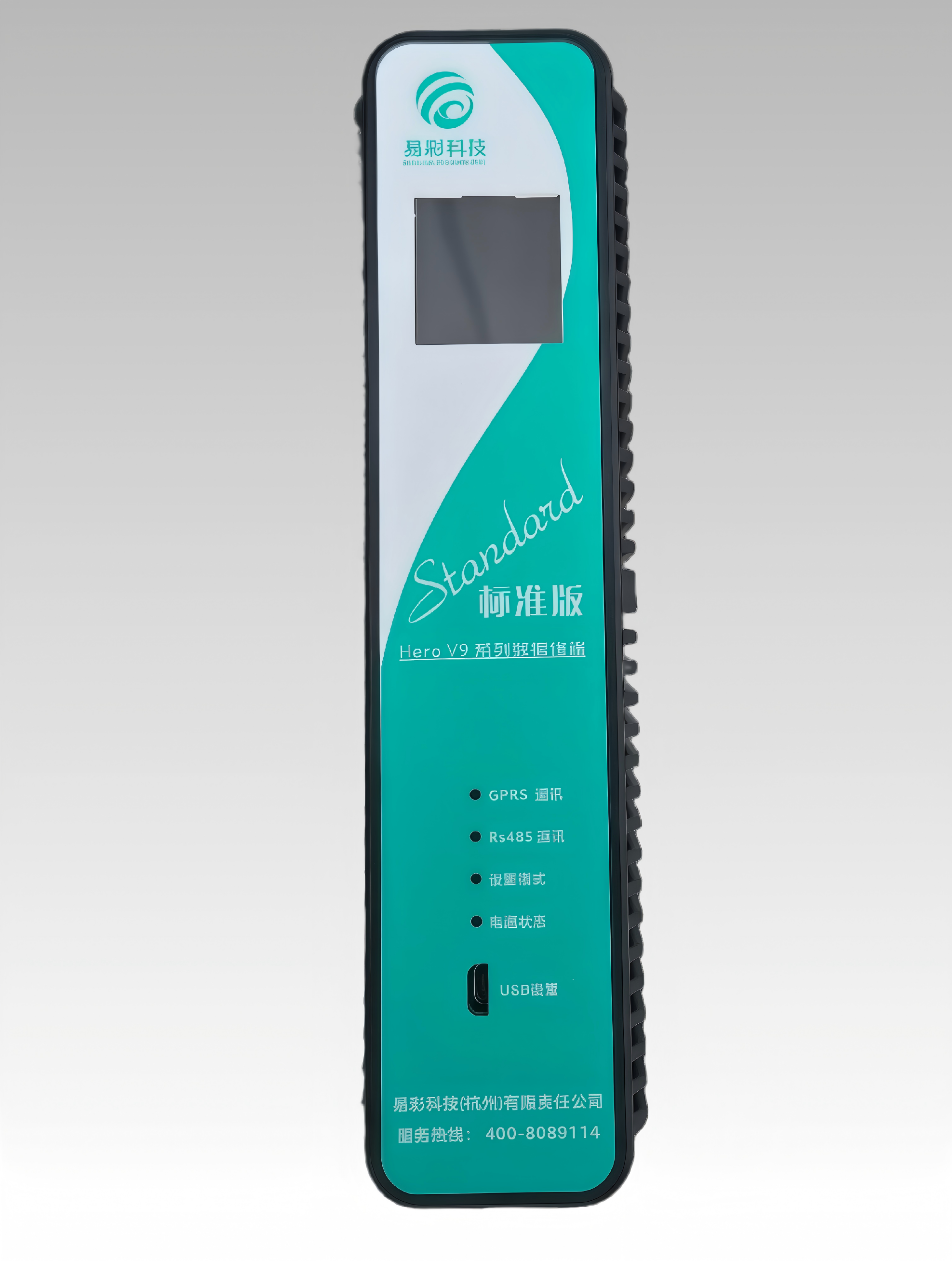
Measurement and Control Terminal Machine (Hero V9 Series - EC32)
This product has the functions of remote data collection, control and communication. It can receive ...
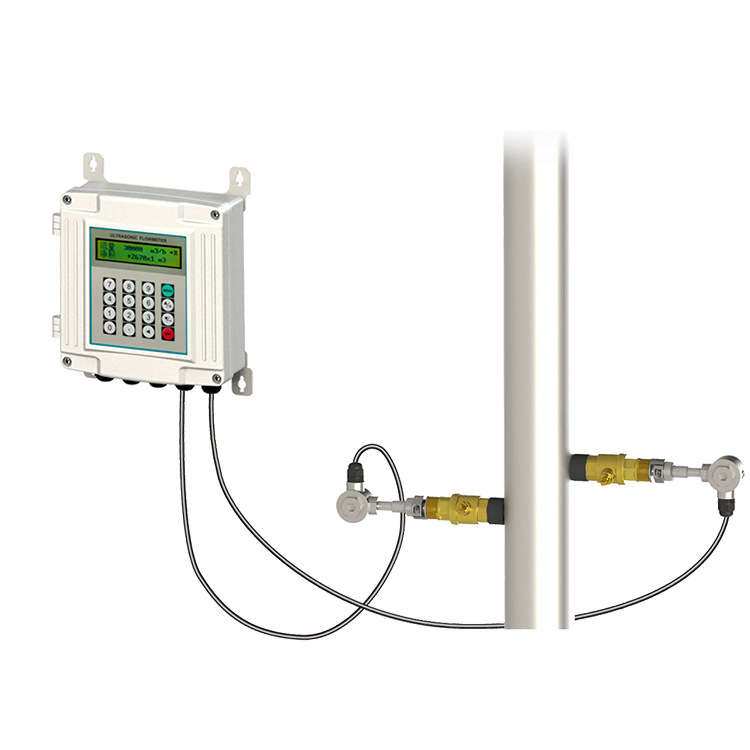
Insertion Ultrasonic Flow Meter
The insertion ultrasonic flow meter consists of a wall-mounted transmitter and an insertion sensor. ...
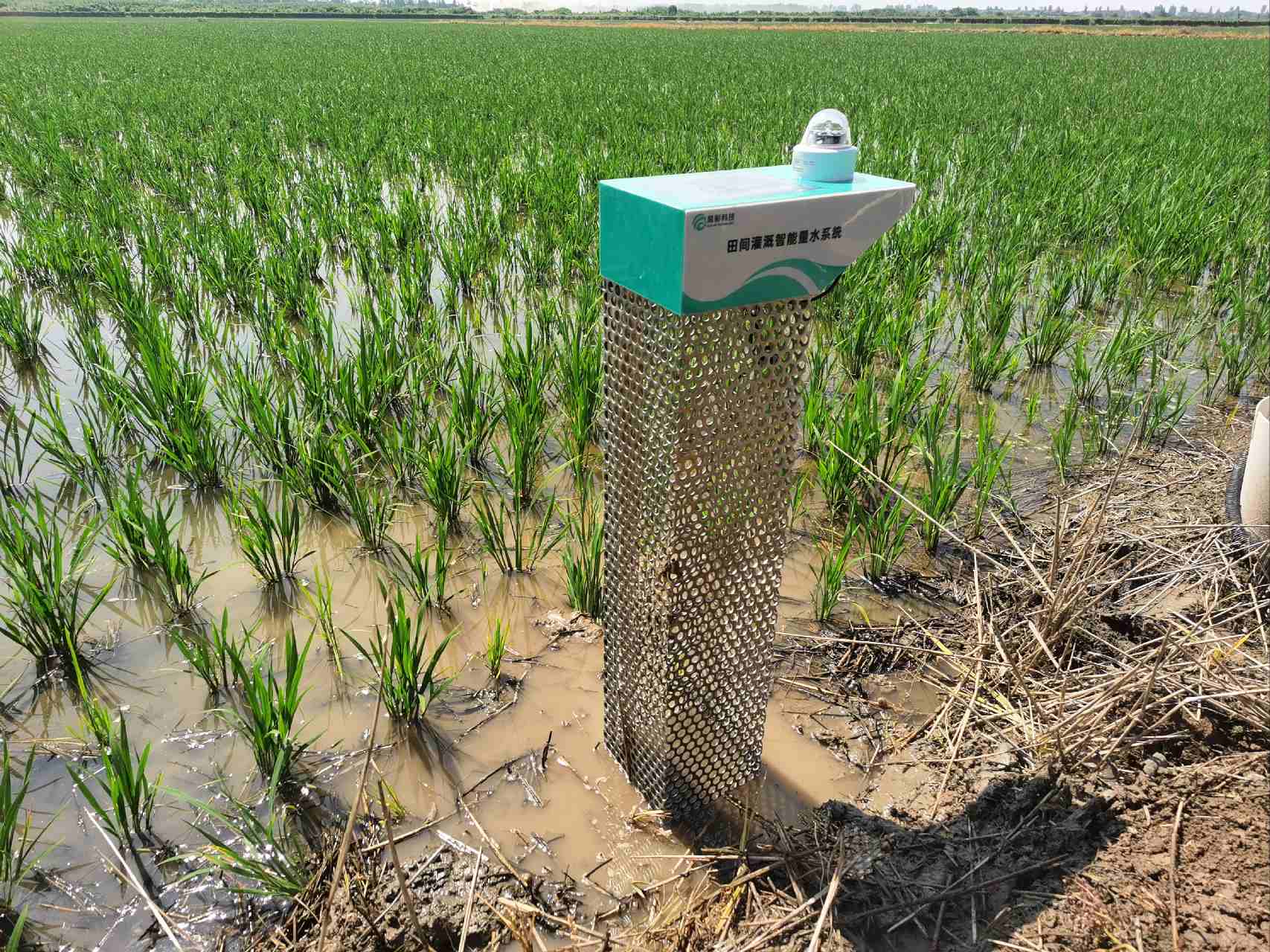
Intelligent Field Water Measurement Device for Irrigation Districts
The Intelligent Field Water Measurement Device for Irrigation Districts, independently developed and...
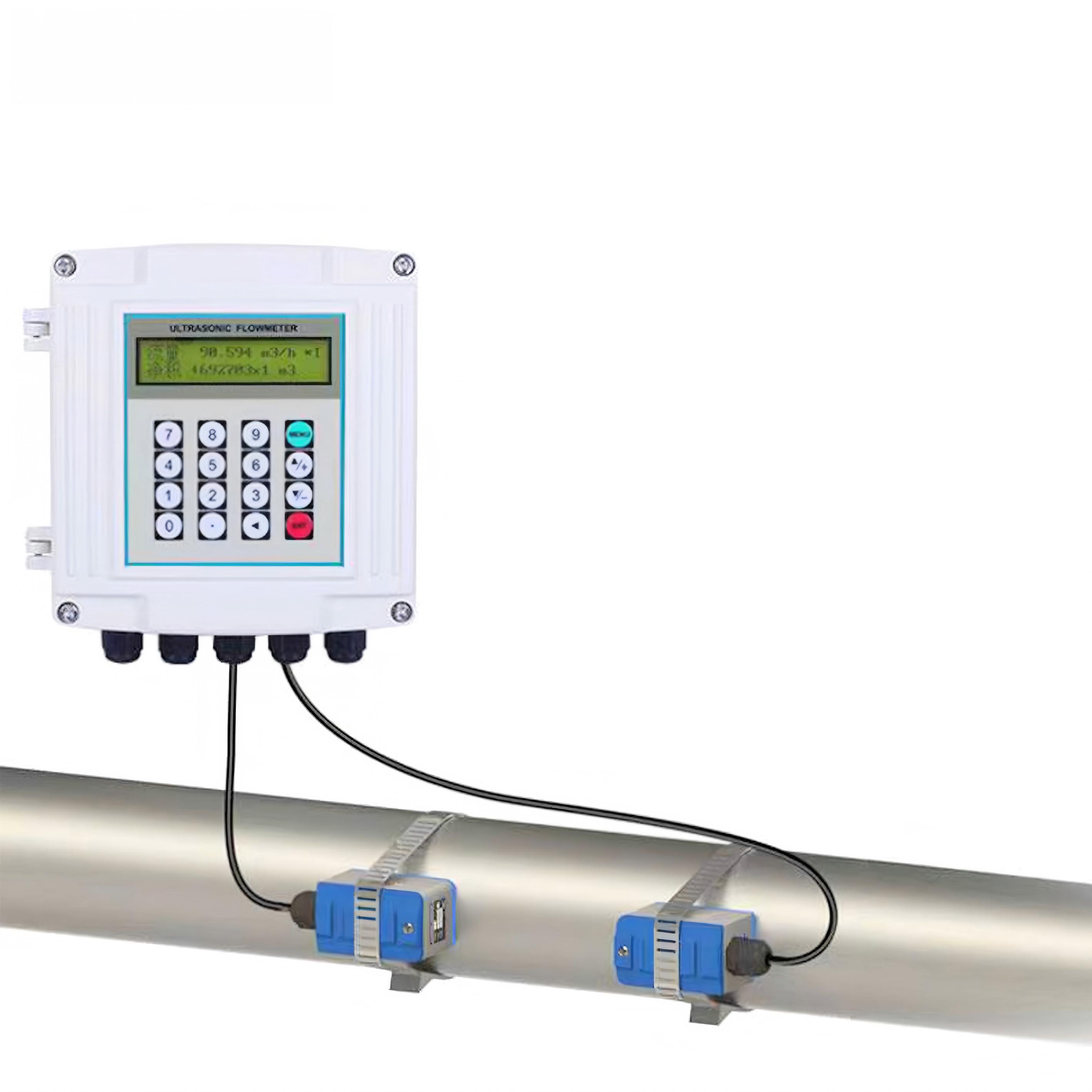
Clamp-on Ultrasonic Flow Meter
Measures pure liquids without pipe cutting, ideal for non-invasive measurement of relatively clean l...

Ready to Optimize Your Business?
Contact us, and our professional team will provide customized solutions to help your business achieve digital transformation.
Get In Touch