
Orifice Plate Flow Meter Solution for Steam Network Trade Metering and Differential Pressure Systems
Addressing density-drift metering errors, DP signal instability and orifice wear in steam custody transfer, this solution pairs GB/T 2624 (ISO 5167) standard orifice plates with high-accuracy differential pressure transmitters and full temperature-pressure compensation, delivering Class 1.0-1.5 system accuracy, RTU-based settlement data and auditable metrology records for steam trade transactions.
Overview
Summary
Addressing density-drift metering errors, DP signal instability and orifice wear in steam custody transfer, this solution pairs GB/T 2624 (ISO 5167) standard orifice plates with high-accuracy differential pressure transmitters and full temperature-pressure compensation, delivering Class 1.0-1.5 system accuracy, RTU-based settlement data and auditable metrology records for steam trade transactions.
Key Advantages
Challenges
- Steam density swings with pressure and temperature; fixed-density integration can exceed 5% error under load variation, fuelling billing disputes
- High-velocity steam erodes the orifice sharp edge, shifting the discharge coefficient and breaking traceability
- Impulse-line blockage, condensing-chamber imbalance and frozen tappings make the differential pressure signal drift
- Insufficient upstream/downstream straight runs distort the velocity profile and amplify metering error
- Manual meter reading leaves no time-of-use settlement or anomaly alarms, so network losses cannot be quantified
Results
- Combined DP, pressure and temperature compensation with on-line density lookup holds system accuracy steady at Class 1.0-1.5
- Batch-certified orifice plates per GB/T 2624 (ISO 5167) keep the discharge coefficient traceable across verification cycles
- Standardised three-valve manifolds with condensing chambers and regular pulsing cut DP-drift failures dramatically
- Metering data auto-uploads via RTU to the energy platform: per-consumer ledgers, settlement reports and automatic alarms replace manual reading
- Zone-by-zone supply-versus-consumption reconciliation quantifies network losses and restores trust in custody transfer
Solution Details
Orifice Plate Flow Meter Solution for Steam Network Trade Metering
Steam is the primary commercial energy carrier in industrial parks and district heating networks, and its custody-transfer metering directly determines billing fairness between heating suppliers and dozens of steam consumers. Unlike liquids, the density of superheated or saturated steam changes sharply with pressure and temperature: a 0.1 MPa pressure swing or a 10 degree C temperature drift can push accumulated mass-flow error beyond 5%. Add orifice edge erosion, impulse-line blockage and equalizing-tank imbalance, and most steam meters end up running without reckoning correctly.
This solution uses standard orifice plates as the primary sensing element, designed and manufactured to GB/T 2624 (identical to ISO 5167) with corner or flange tappings; sharp-edge geometry, materials (carbon steel, 316L or high-temperature alloys) and tolerances are batch-certified. High-accuracy DP transmitters (0.075-0.1 class) with 4-20 mA/HART output, together with pressure and temperature transmitters, form a density-compensated measuring chain, while the flow computer performs on-line saturation-table lookups, achieving a system accuracy of Class 1.0-1.5 and fully adequate for fiscal steam metering.
Engineered Solutions for Differential Pressure Steam Metering Pain Points
Field pain points are engineered out one by one: flow conditioners restore the velocity profile where straight runs fall short of 10D/5D; three-valve manifolds, condensing chambers and reference water legs keep the DP signal stable for years; impulse-line slope, heat tracing and drainage follow piping codes to prevent freezing and blockage; and beta-ratio selection between 0.2 and 0.75 balances permanent pressure loss against turndown.
Data Integration and Legal Metrology for Steam Custody Transfer
On the data side, flow computers connect via RS485/Modbus to RTU telemetry units and the plant energy-management platform, providing per-consumer ledgers, time-of-use settlement, automatic alarms for over-range, sensor failure and DP anomalies, and full historical traceability. Instruments are verified on the statutory periodic-verification cycle, and a lifecycle metrology file is maintained for every orifice, transmitter and integrator, so that each tonne of steam handed over is backed by defensible data.
Key Features of the Orifice Plate Steam Flow Meter Solution
- Standard throttling device: orifice plates designed, manufactured and installed to GB/T 2624 (ISO 5167), corner/flange tappings, batch-inspected edges with no wet calibration needed
- Wide flow range: beta ratios from 0.2 to 0.75 paired with 0.075-0.1 class DP transmitters cover gases, steam and liquids across large load swings
- Integrated compensation: multi-variable DP/pressure/temperature transmitters with HART allow on-line configuration; the flow computer corrects density automatically
- High temperature and pressure: carbon steel, 316L or alloy plates and gaskets suit lines up to 450 degrees C and 10 MPa; annular-chamber design eases removal and inspection
- Plant-network ready: 4-20 mA plus RS485 (Modbus RTU) outputs feed RTU, PLC and SCADA for centralised settlement data and alarming
- Legal-metrology package: source fittings, instrument files and verification schedules designed around statutory periodic-verification rules
Steam Trade Metering Specifications at a Glance
System Accuracy
Class 1.0-1.5
Beta Ratio Range
0.2 to 0.75
DP Transmitter Class
0.075-0.1
Max Temperature
450 degrees C
Max Pressure
10 MPa
Output Signals
4-20 mA / HART / RS485
? 参考来源
- GB/T 2624 (ISO 5167) — Measurement of fluid flow by means of pressure differential devices
- Statutory periodic-verification rules for steam custody-transfer metering instruments
Approach
How we implement intelligence into your infrastructure step by step.
Survey and metering-point planning
Collect steam parameters (pressure, temperature, flow range, load profile), pipe size and straight-run conditions; classify custody-transfer versus internal check points and set instrument accuracy tiers.
Orifice and transmitter sizing
Run GB/T 2624 discharge-coefficient and uncertainty calculations; select tapping type, beta ratio and materials; size DP transmitter range and accuracy for minimum/maximum flow coverage.
Metering skid installation
Assemble plate and annular chambers with flow-direction and straight-run checks; install three-valve manifolds, condensing chambers and reference legs; execute impulse-line slope, heat tracing, drainage, leak testing and pulsing.
Compensation commissioning
Wire pressure and temperature transmitters to the flow computer, configure density compensation, ranges and time-of-use settlement logic, and set over-range, sensor-failure and DP-anomaly alarm thresholds.
Data integration and periodic verification
Upload integrated data via RS485/RTU to the energy-management platform for ledgers and settlement reports; schedule orifice re-inspection, transmitter calibration and edge-wear checks to sustain traceability.
Recommended Hardware
Essential components for this solution.
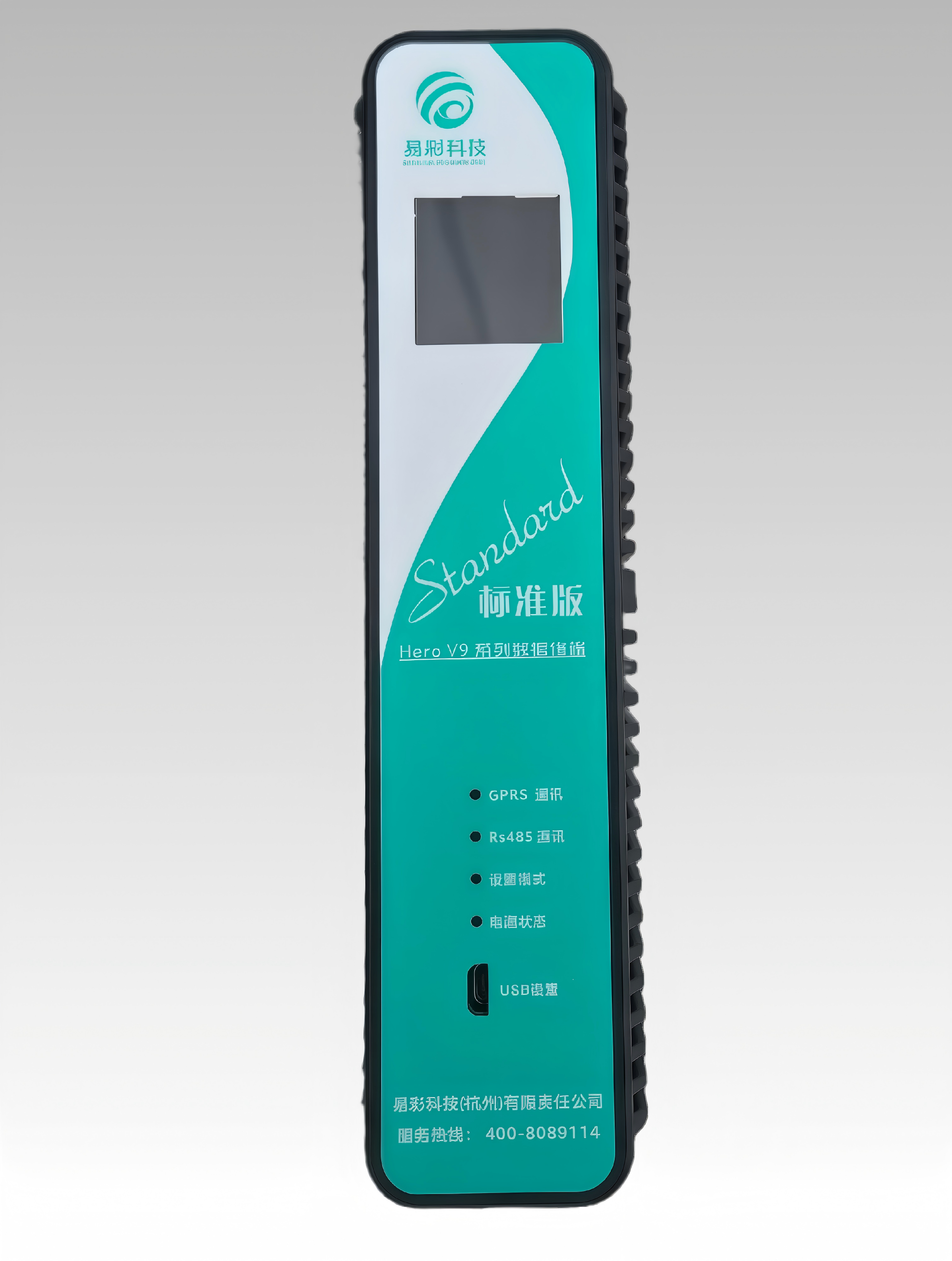
❓ Related FAQs
Related Solutions
Split-Type Electromagnetic Flow Meter Solution for Pump Stations with High Humidity and Heavy Vibration
Inline Ultrasonic Flow Meter Solution for Pump Station Discharge Metering and Pump Efficiency Testing
Doppler Ultrasonic Flow Meter Solution for Flow Monitoring in Partially Filled Municipal Drainage Conduits

Ready to Optimize Your Business?
Contact us, and our professional team will provide customized solutions to help your business achieve digital transformation.
Get In Touch