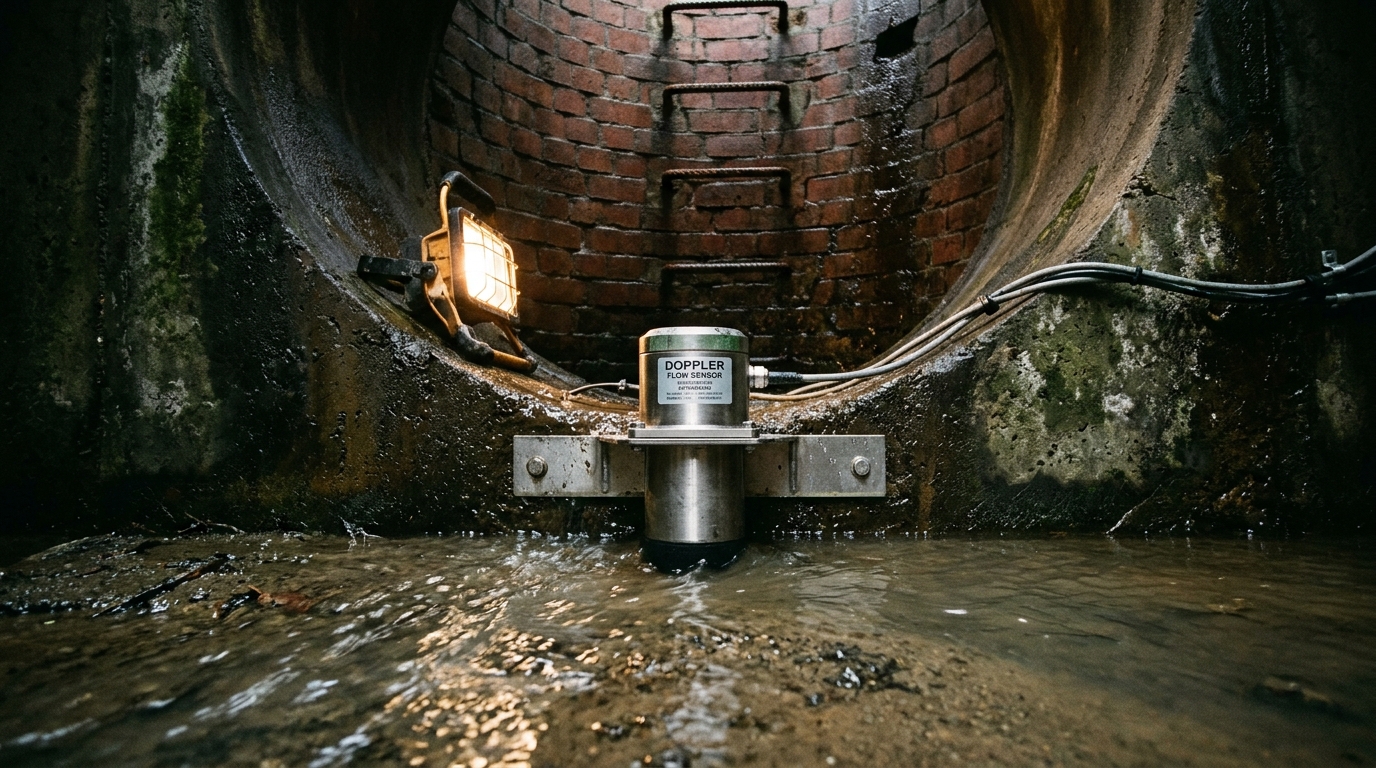
Doppler Ultrasonic Flow Meter Solution for Flow Monitoring in Partially Filled Municipal Drainage Conduits
Addressing the pain points of low flow velocity, heavy sediment and debris, and harsh in-sewer environments in partially filled municipal drainage networks - where contact-type meters clog or fail and manual gauging is infrequent and lagging - this solution is built around Doppler ultrasonic flow meters with a 0.021-6.00 m/s velocity range and <=1.0% +/-1 cm/s accuracy, measuring water level (0.03-10 m, 0.25% FS) and temperature simultaneously. With no moving parts immune to sediment blockage and weed entanglement, IP68 protection, -10 to 60 degC wide-temperature operation and <=6 mA sleep current, the meter feeds RTUs over Modbus RS485 for continuous velocity-level-discharge monitoring of culverts, box conduits and gravity sewers, providing real-time data for drainage dispatch, flood warning and discharge compliance supervision.
Overview
Summary
Addressing the pain points of low flow velocity, heavy sediment and debris, and harsh in-sewer environments in partially filled municipal drainage networks - where contact-type meters clog or fail and manual gauging is infrequent and lagging - this solution is built around Doppler ultrasonic flow meters with a 0.021-6.00 m/s velocity range and <=1.0% +/-1 cm/s accuracy, measuring water level (0.03-10 m, 0.25% FS) and temperature simultaneously. With no moving parts immune to sediment blockage and weed entanglement, IP68 protection, -10 to 60 degC wide-temperature operation and <=6 mA sleep current, the meter feeds RTUs over Modbus RS485 for continuous velocity-level-discharge monitoring of culverts, box conduits and gravity sewers, providing real-time data for drainage dispatch, flood warning and discharge compliance supervision.
Key Advantages
Challenges
- Metering difficulty in partially filled low-velocity conditions: dry-weather sewer levels are low and velocities often below 0.1 m/s; electromagnetic meters need full pipes and transit-time ultrasonic meters lose signal-to-noise, so conventional technologies collectively fail under gravity-flow conditions
- Infrequent manual gauging with high safety risk: confined-space rules limit in-sewer gauging to weekly rounds and no work during storms, so data is missing exactly when flood defense needs it most and the hydrograph is severely distorted
- Sediment and debris clog or damage instruments: drainage media carry heavy sediment, grease, weeds and floating debris; meters with moving parts or exposed measuring cavities clog and seize frequently, driving up maintenance cost
- Harsh in-sewer environment shortens instrument life: manholes stay humid with accumulated hydrogen sulfide; ordinary housings and connectors corrode quickly, instruments drift and availability drops
- Diverse cross-sections distort discharge conversion: circular pipes, box culverts and covered channels differ geometrically; monitoring points lacking joint velocity-level-section computation output velocity only, leaving supervision and dispatch without true discharge figures
Results
- Velocity, level and temperature are monitored continuously at partially filled cross-sections with second-level response replacing weekly manual gauging; dry-weather low flows and storm peaks are fully covered with traceable hydrographs
- No data gaps during rain: IP68 submerged operation with remote telemetry delivers real-time flow through storms without confined-space entry, giving flood dispatch and overflow warning measured, in-situ support
- The moving-part-free rugged probe eliminates sediment-clogging and weed-entanglement failures; with corrosion-resistant design, in-sewer maintenance extends from monthly cleaning to quarterly inspection and availability rises markedly
- Discharge is computed from actual conduit geometry: instantaneous flow to 9999 m3/s and cumulative flow resolution at the 0.001 m3 scale give pollution supervision, I/I analysis and network dispatch a unified discharge basis
- Modbus RS485 + RTU networking unifies multi-point data into the drainage platform; <=6 mA sleep current per point supports battery/solar supply, enabling low-cost large-scale deployment on unpowered conduit sections
Solution Details
Doppler Ultrasonic Flow Meter Solution for Partially Filled Municipal Drainage Conduits
Municipal drainage networks run partially filled under gravity most of the time: flows are small and velocities low in dry weather, levels surge and velocities vary in storms, and cross-sections range from circular pipes to box culverts. Accurate discharge measurement is the foundation of network dispatch, overflow warning, inflow/infiltration analysis and pollution supervision - yet it is precisely the partially filled, low-velocity condition that defeats conventional metering: electromagnetic meters require full pipes, transit-time ultrasonic meters suffer poor signal-to-noise at low velocity, and open-channel flumes cannot be retrofitted into existing conduits.
Manual gauging is equally unsustainable: confined-space entry is safety-restricted, gauging is weekly at best, and during storms - when data matters most - crews cannot reach the site at all. Sewer manholes are humid, corrosive with hydrogen sulfide, and prone to sediment deposition and debris entanglement, so ordinary instruments drift badly and fail early.
This solution installs Doppler ultrasonic flow meters on conduit inverts or channel beds. The sensor emits 2 MHz ultrasonic pulses (5 deg beam angle) into the flow; suspended particles and bubbles scatter the sound back, and velocity is derived from the Doppler frequency shift with the measuring point ahead of the body, undisturbed by the meter itself. Combined with integrated pressure-based level measurement, instantaneous and cumulative discharge are computed from the actual cross-section geometry. The 0.021-6.00 m/s velocity range covers dry-weather lows and storm peaks with
Key Advantages of the Doppler Ultrasonic Flow Meter
- Doppler principle fit for partially filled flow: 2 MHz ultrasonic pulses at a 5 deg beam angle with the measuring point ahead of the body, deriving velocity from particle-scatter frequency shift - naturally suited to low-velocity, sediment-laden gravity flow
- Wide range, high accuracy: velocity 0.021-6.00 m/s (optional reverse -6.000 to -0.021 m/s), accuracy <=1.0% +/-1 cm/s, resolution 0.001 m/s; customizable level range 0.03-10 m at 0.25% FS with 0.001 m resolution; temperature -10 to 80 degC at +/-0.5 degC
- No moving parts, rugged and durable: probe free of impellers and cavities, unafraid of sediment blockage or weed and debris entanglement - ideal for high-sediment, debris-rich and severe ice-period waters
- Industrial protection and corrosion resistance: IP68, 0-10 m operating depth, corrosion resistance class 10, ABS polymer housing, MTBF > 25,000 h for long-term humid, corrosive sewer environments
- Low-power remote networking: 6.8-15 VDC supply with <=6 mA average sleep current; Modbus RS485 output connects straight to RTU/telemetry terminals, supporting battery- and solar-powered unattended sites
- EMC-hardened design: ESD immunity level 3, surge immunity level 4, 1 s response; instantaneous flow 0-9999 m3/s and cumulative flow 0-999999999 m3 meet supervisory metering requirements
Technical Specifications at a Glance
0.021-6.00 m/s
Velocity Range
≤1.0% ±1 cm/s
Velocity Accuracy
0.001 m/s
Velocity Resolution
0.03-10 m
Level Range (Customizable)
0.25% FS
Level Accuracy
IP68
Protection Rating
0-10 m
Operating Depth
>25,000 h
MTBF
≤6 mA
Average Sleep Current
Applications in Municipal Drainage Monitoring
The Doppler ultrasonic flow meter is engineered for the realities of partially filled municipal drainage conduits, from circular pipes to box culverts. Its particle-scatter Doppler principle and pressure-based level measurement deliver reliable instantaneous and cumulative discharge data for network dispatch, overflow warning, inflow/infiltration analysis and pollution supervision - even in low-velocity dry-weather flow and sediment-laden storm surges.
With no moving parts, IP68 protection, corrosion resistance class 10 and low-power Modbus RS485 networking, the meter supports battery- and solar-powered unattended sites in humid, corrosive sewer manholes, providing long-term stable performance where ordinary instruments drift and fail early.
? 参考来源
- Product description and technical specifications provided by the manufacturer
Approach
How we implement intelligence into your infrastructure step by step.
Conduit survey and monitoring-point planning
Map target sewer alignments, pipe/box-culvert dimensions, gradients, normal level ranges and sediment conditions; select straight reaches with smooth flow free of weir interference as monitoring points and compile a velocity-level joint monitoring schedule.
Installation and cross-section modeling
Fix sensors to conduit inverts or channel beds with stainless brackets or clamps, transducer face up and aimed into the flow away from deposition zones; enter actual circular/box cross-section geometry into the meter or platform to build the level-flow-area conversion model.
RTU integration and power configuration
Connect sensors over RS485 Modbus to hydrological RTUs or telemetry terminals; choose mains, lithium battery or solar power per site conditions; configure sampling rates (5-15 min dry weather, down to 1 min in storms) and remote alarm thresholds.
Platform integration and discharge verification
Stream velocity, level and temperature into the drainage monitoring platform with automatic instantaneous/cumulative discharge from the section model; during commissioning cross-check with mobile ADCP or flume measurements and correct the velocity coefficient before formal operation.
O&M management and data application
Inspect quarterly to clean probe surface deposits and check bracket tightness and cable seals; use data for outfall supervision, storm overflow warning, I/I analysis and network dispatch optimization, building a long-term sewer discharge archive.
Recommended Hardware
Essential components for this solution.
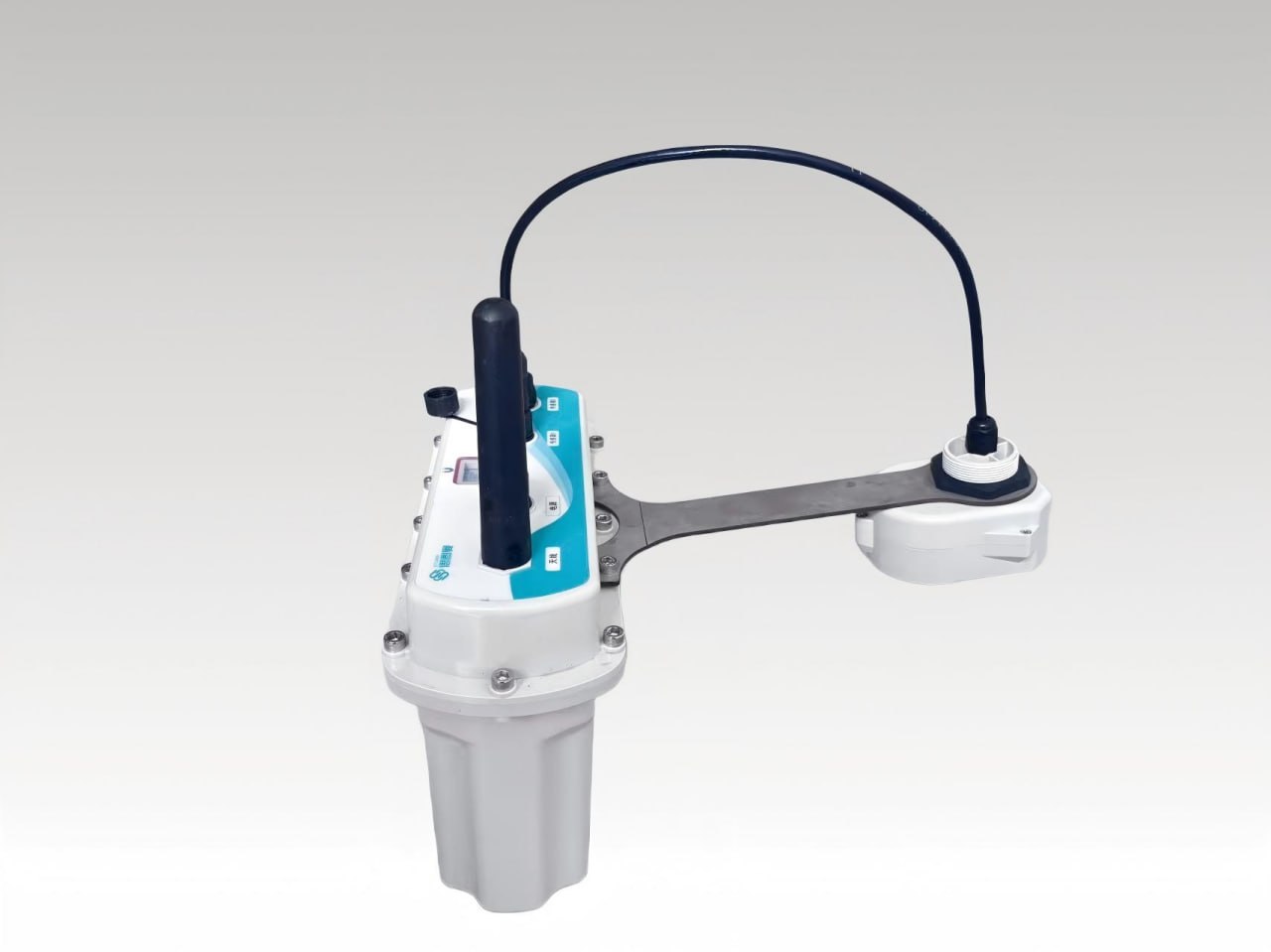
Visual Fusion Radar Water Level Gauge
The Visual Fusion Radar Water Level Gauge series is independently innovated and developed by Ecolor....
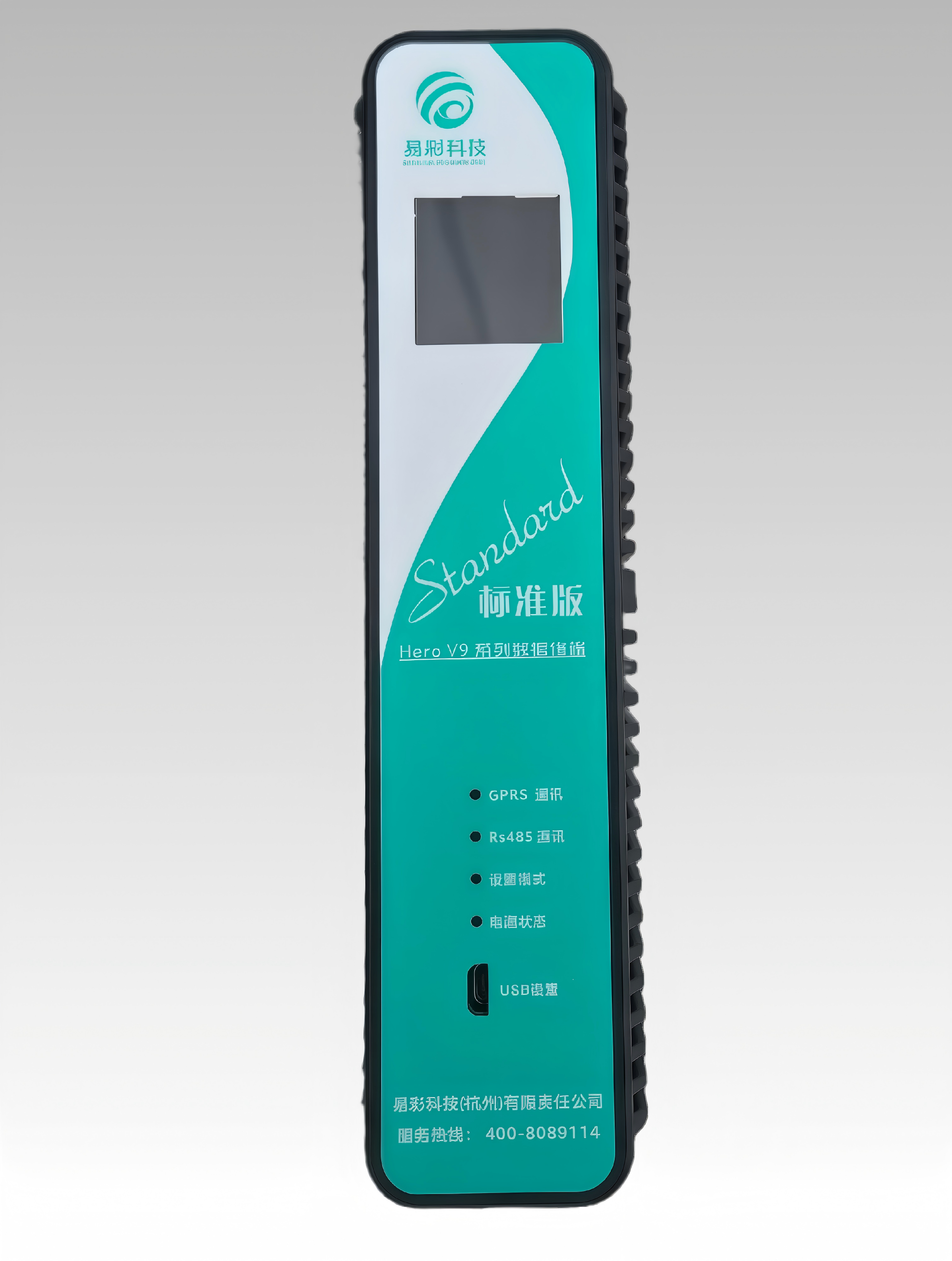
HERO V9-EC32 Hydrology RTU | Remote Terminal Unit
This product has the functions of remote data collection, control and communication. It can receive ...
❓ Related FAQs
Related Solutions
Split-Type Electromagnetic Flow Meter Solution for Pump Stations with High Humidity and Heavy Vibration
Inline Ultrasonic Flow Meter Solution for Pump Station Discharge Metering and Pump Efficiency Testing
Mechanical Water Meter Solution for Household Metering in Rural Centralized Water Supply Projects

Ready to Optimize Your Business?
Contact us, and our professional team will provide customized solutions to help your business achieve digital transformation.
Get In Touch