
Split-Type Electromagnetic Flow Meter Solution for Pump Stations with High Humidity and Heavy Vibration
Addressing the pain points of integral-type electromagnetic flow meters failing early as their electronics suffer from condensation-heavy humidity and pump vibration, cramped installation space in underground and submersible pump rooms, costly shutdown maintenance, and diverse conductive-media metering needs, this solution is built around split-type electromagnetic flow meters: the sensor and transmitter are installed separately, the measuring tube is injection-molded from aviation-grade LGF-PA66 reinforced composite with a weld-free structure that eliminates magnetic interference, the IP68 split sensor withstands immersion, and the transmitter is wall-mounted in a dry area away from vibration sources. With DN25-DN300 sizes, up to 4.0 MPa working pressure, 0.5% accuracy and 4-20 mA / RS485 / pulse outputs feeding RTUs and monitoring platforms, it delivers continuous accurate metering of pump station inflow and outflow plus energy-efficiency analysis in harsh humid, high-vibration environments.
Overview
Summary
Addressing the pain points of integral-type electromagnetic flow meters failing early as their electronics suffer from condensation-heavy humidity and pump vibration, cramped installation space in underground and submersible pump rooms, costly shutdown maintenance, and diverse conductive-media metering needs, this solution is built around split-type electromagnetic flow meters: the sensor and transmitter are installed separately, the measuring tube is injection-molded from aviation-grade LGF-PA66 reinforced composite with a weld-free structure that eliminates magnetic interference, the IP68 split sensor withstands immersion, and the transmitter is wall-mounted in a dry area away from vibration sources. With DN25-DN300 sizes, up to 4.0 MPa working pressure, 0.5% accuracy and 4-20 mA / RS485 / pulse outputs feeding RTUs and monitoring platforms, it delivers continuous accurate metering of pump station inflow and outflow plus energy-efficiency analysis in harsh humid, high-vibration environments.
Key Advantages
Challenges
- High humidity and condensation attack electronics: underground and submersible pump rooms run above 90% relative humidity year-round, with condensation dripping from walls and pipes and occasional flooding; integral meters mount transmitters right beside the pipe, so boards corrode and displays fail frequently
- Pump vibration shortens meter life: continuous vibration and water-hammer pulsation from pump start/stop transmit directly into meter electronics, loosening connectors and fatigue-cracking solder joints; in integral designs the electronics share the vibration zone with the sensor, sharply cutting service life
- Cramped installation space, costly maintenance: pump rooms are dense with pipework and tight on space, and submersible stations can barely fit small instruments; integral meter heads occupy space beside the pipe, and replacing electronics requires full disassembly with water and power shutdowns
- Complex multi-media metering needs: pump station media range from clean water to sewage, slurry and dosing chemicals with widely varying conductivity; two-phase solids-laden media demand wear- and corrosion-resistant electrodes, while ordinary meters wear out fast and drift
- No telemetry, no efficiency analysis: most legacy pump station meters offer local display only, without RS485 or 4-20 mA outputs; flow data never reaches the monitoring platform, leaving pump efficiency testing, specific energy consumption and non-revenue water analysis without support
Results
- Separated sensor and transmitter: the IP68 split sensor tolerates pump room humidity, condensation and short-term immersion while the wall-mounted transmitter stays in a dry area away from vibration - moisture-corrosion failures of electronics are virtually eliminated and system life is significantly extended
- The aviation-grade LGF-PA66 composite measuring tube, injection-molded in one piece with a weld-free structure that eliminates magnetic interference, delivers 0.5% accuracy and long-term stability below 0.2% FS/year - pump station metering data stays trustworthy for years
- DN25-DN300 sizes with 316L / titanium / tantalum / platinum electrode options cover clean water, sewage, slurry and corrosive media, with low electrode wear and minimal drift in solids-laden two-phase flows
- 4-20 mA / RS485 / pulse telemetry feeds RTUs and the monitoring platform in real time, enabling pump efficiency testing, specific-energy-consumption accounting and non-revenue water analysis for refined pump station operation
- The independently wall-mounted transmitter allows electronics replacement without touching pipework or shutting down water - easy installation and maintenance in submersible and cramped pump rooms, sharply lowering lifetime maintenance cost
Solution Details
Split-Type Electromagnetic Flow Meter for Harsh Pump Station Environments
Water supply pump stations and drainage pumping stations are the power heart of pipe networks, and accurate metering of their inflow and outflow directly drives dispatch decisions, energy accounting and leakage analysis. Yet the pump station environment is extremely harsh for flow instrumentation: continuous vibration and pressure pulsation from pump sets directly impact meter electronics; underground and submersible pump rooms stay humidity-saturated year-round with condensation dripping from walls and pipes and occasional short-term flooding. Integral-type electromagnetic flow meters mount their transmitter right beside the pipe, so circuit boards suffer moisture corrosion, connectors loosen and displays fail - average service life drops sharply, and every replacement demands water and power shutdowns at high cost.
This solution deploys split-type electromagnetic flow meters to solve metering in harsh pump station environments. The sensor and transmitter are physically separated: the sensor installs close to the pipe, featuring a measuring tube injection-molded as one piece from aviation-grade long-glass-fiber reinforced composite LGF-PA66 - a weld-free structure that fundamentally eliminates the magnetic interference inherent in metal tube sections - with electrodes over-molded into the tube for excellent waterproofing and corrosion resistance, and IP68 protection for long-term operation in damp or even immersed conditions. The transmitter is wall-mounted in the dry, low-vibration duty room or electrical room, connected to the sensor by dedicated cable, keeping all electronics far from moisture and vibration and virtually eliminating humidity-related failures. Sizes DN25-DN300 with working pressure up to 4.0 MPa meter any conductive liquid above 50 uS/cm including two-phase media such as sewage, slurry and mining tailings, with 0.5% accuracy, long-term stability below 0.2% FS/year, and electrode materials of 316L, titanium, tantalum or platinum for corrosive duty. Outputs of 4-20 mA / RS485 / pulse (RS485 standard) feed RTUs or telemetry terminals, streaming data to the monitoring platform for pump station metering, pump efficiency testing and specific-energy-consumption analysis - a reliable data foundation for unmanned pump station operation.
Key Specifications at a Glance
Split-Type Structure with IP68 Protection
The sensor and transmitter are physically separated, which is the core advantage of this split-type electromagnetic flow meter design. The split sensor is rated IP68 for stable operation in damp or immersed conditions, while the transmitter is mounted in a dry area away from moisture and vibration sources. This separation keeps all sensitive electronics far from the humidity and vibration that destroy integral-type meters in pump stations.
Aviation-Grade Composite Measuring Tube
The measuring section is injection-molded as one piece from LGF-PA66 long-glass-fiber reinforced composite. The weld-free process fundamentally eliminates magnetic interference inherent in metal tubes, and the seamless sensor-tube structure rules out leakage. Electrodes are over-molded into the tube for excellent waterproofing and corrosion resistance, ensuring reliable performance even in the most demanding pump station conditions.
High Accuracy and Long-Term Stability
The meter delivers a standard 0.5% accuracy class with long-term stability below 0.2% FS/year and sensitivity temperature drift of ±1.5% FS/degC. Proprietary transmitter algorithms ensure fast response with stable repeatability and linearity, providing dependable data for energy accounting and leakage analysis.
Wide Media Compatibility for Conductive Liquids
The split-type electromagnetic flow meter handles conductive liquids above 50 uS/cm, including two-phase media such as tailings, slurry and pulp. Multiple electrode materials are available to suit corrosive duties:
- 316L stainless steel for general water and wastewater applications
- Titanium for oxidizing and aggressive media
- Tantalum for highly corrosive chemical duties
- Platinum for extreme corrosion resistance requirements
Modular Design for Easy Maintenance
Modular excitation coils reduce winding deviation and can be replaced quickly. Dual waterproof sealing plus precision assembly ensure long service life, and independent transmitter mounting means electronics service never touches the pipeline - eliminating the need for water and power shutdowns during maintenance.
Flexible Networking and Output Options
The transmitter provides 4-20 mA, RS485 and pulse outputs with RS485 as standard. The sensor is powered by the transmitter (220 VAC / 24 VDC), connecting directly to RTUs, telemetry terminals and SCADA platforms with national-standard flange connections. Data streams to the monitoring platform for pump station metering, pump efficiency testing and specific-energy-consumption analysis - a reliable data foundation for unmanned pump station operation.
Technical Specifications Summary
- Pipe sizes: DN25-DN300
- Working pressure: up to 4.0 MPa
- Accuracy: 0.5% class
- Long-term stability: below 0.2% FS/year
- Sensitivity temperature drift: ±1.5% FS/degC
- Minimum conductivity: 50 uS/cm
- Sensor protection: IP68
- Electrode materials: 316L, titanium, tantalum, platinum
- Outputs: 4-20 mA / RS485 / pulse (RS485 standard)
- Power supply: 220 VAC / 24 VDC (sensor powered by transmitter)
- Connection: national-standard flange
Typical Applications in Pump Stations
- Water supply pump station inflow and outflow metering
- Drainage pumping station flow monitoring
- Pump efficiency testing and specific-energy-consumption analysis
- Sewage, slurry and mining tailings measurement
- Unmanned pump station operation with RTU and SCADA integration
? 参考来源
- Product specification data provided by the manufacturer
- Application notes for split-type electromagnetic flow meters in pump station environments
Approach
How we implement intelligence into your infrastructure step by step.
Site survey and measuring point planning
Survey pump station pipe sizes, media types and conductivity, pressure and temperature duties, humidity and vibration distribution, installation space and straight-run conditions; determine size, electrode and liner configuration for every point plus transmitter location, documented in a one-station-one-file ledger.
Selection and installation design
Choose DN25-DN300 sizes by pipe diameter and verify flange rating against working pressure; select wear-resistant electrodes for sewage and slurry, titanium/tantalum/platinum for corrosive media; guarantee 10D upstream and 5D downstream straight runs, avoid peak-vibration points, wall-mount the transmitter in the dry low-vibration duty or electrical room, and route signal cables away from power cables with waterproof sealing.
RTU access and platform networking
Connect meters to RTUs or telemetry terminals via RS485 Modbus or 4-20 mA, configure sampling rates and transmission channels; upload flow data to the monitoring platform and link it with pump start/stop status and pressure data on the pump station operation view.
Metering verification and efficiency analysis setup
During commissioning, verify zero points and coefficients against a master meter or clamp-on ultrasonic reference; configure instantaneous/totalized flow, specific energy consumption, pump efficiency curves and NRW reports on the platform, and set minimum night flow alarms for leakage screening.
O&M management and spare parts strategy
Establish quarterly inspections of electrode fouling, cable sealing and transmitter moisture protection; modular transmitter design allows electronics-only replacement, so stocking one spare transmitter enables fast fault recovery, and historical metering data accumulates as the pump station energy-efficiency archive.
Recommended Hardware
Essential components for this solution.
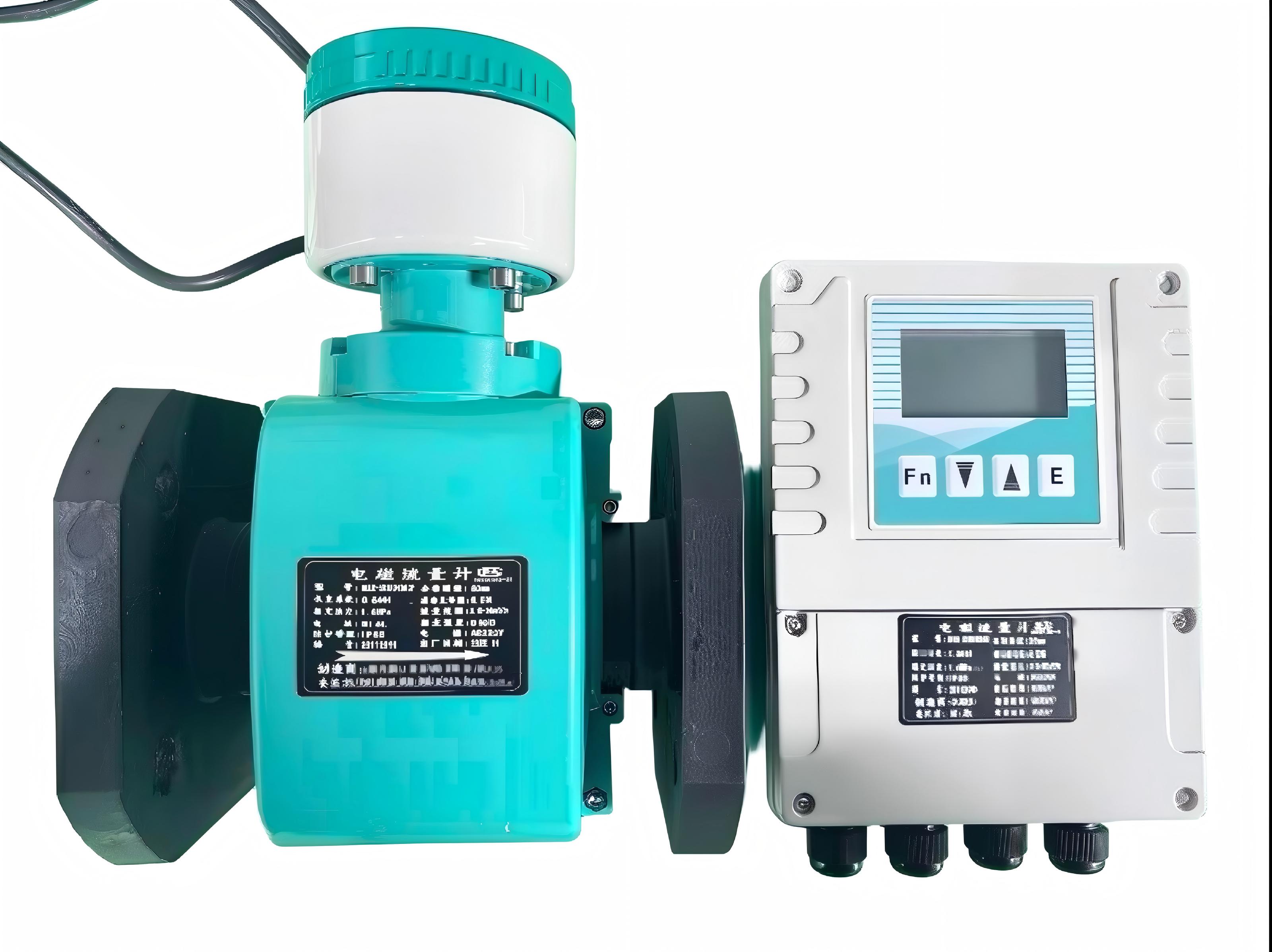
Split-Type Electromagnetic Flow Meter | IP68 ±0.5%
Ecolor's self-developed split-type electromagnetic flowmeter, made from aerospace-grade polymer mate...
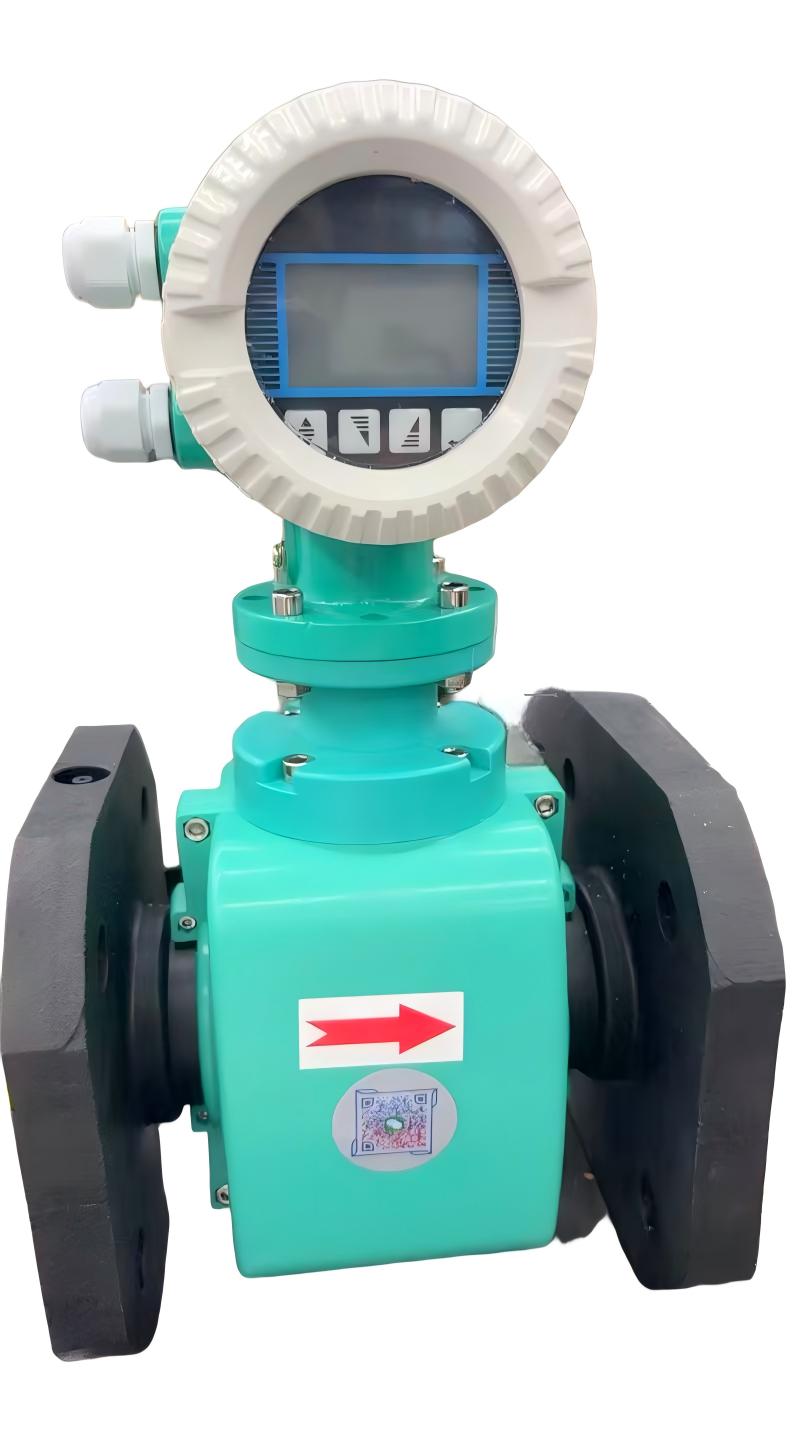
LGF Integrated Electromagnetic Flowmeter
Ecolor's self-developed aerospace polymer material electromagnetic flowmeter is suitable for flow me...
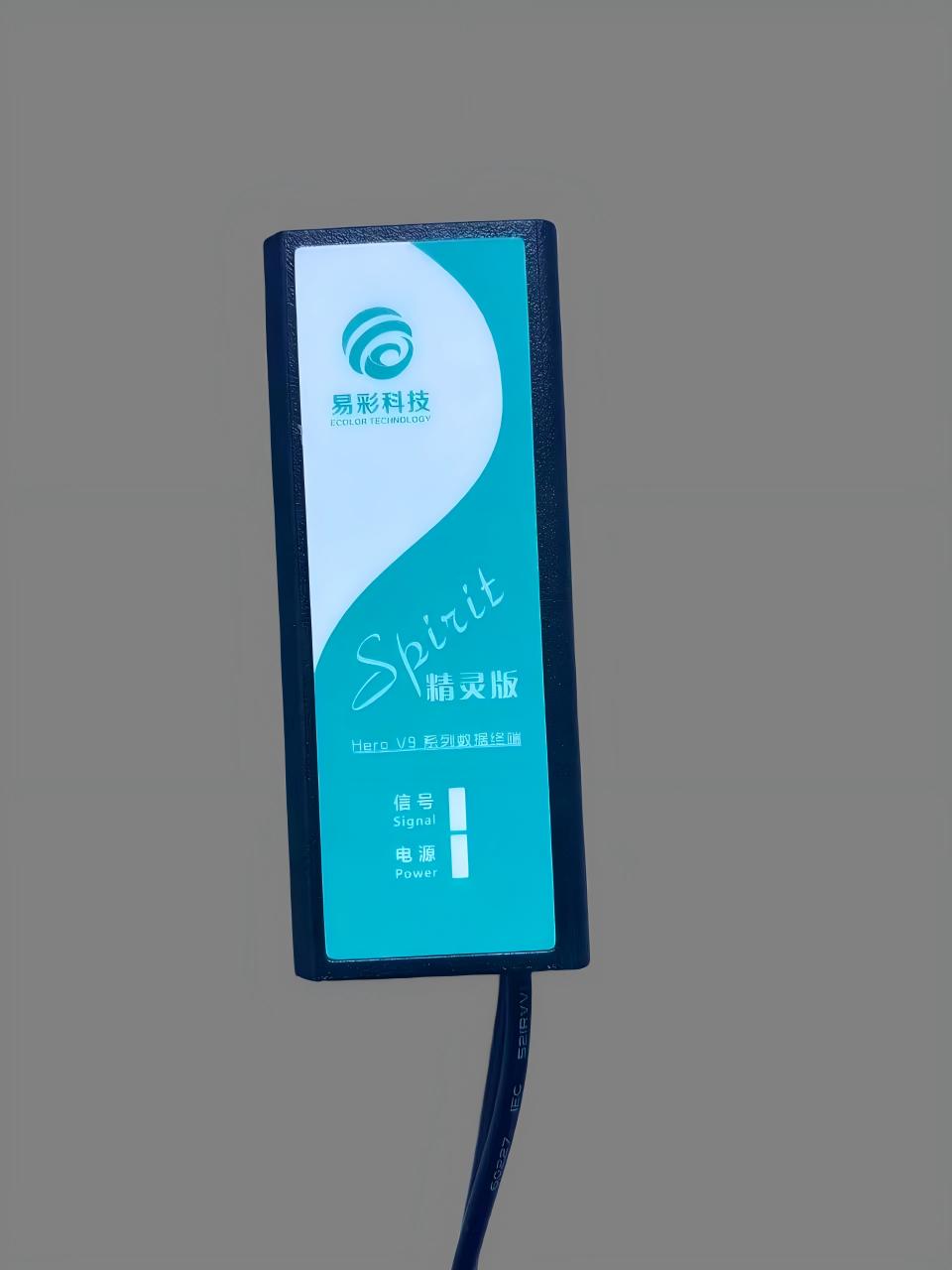
Measurement and Control Terminal (Hero V9 Series - EC60)
The Measurement and Control Terminal (Hero V9 Series - EC60) is a meticulously developed terminal pr...
❓ Related FAQs
Related Solutions
Inline Ultrasonic Flow Meter Solution for Pump Station Discharge Metering and Pump Efficiency Testing
Doppler Ultrasonic Flow Meter Solution for Flow Monitoring in Partially Filled Municipal Drainage Conduits
Mechanical Water Meter Solution for Household Metering in Rural Centralized Water Supply Projects

Ready to Optimize Your Business?
Contact us, and our professional team will provide customized solutions to help your business achieve digital transformation.
Get In Touch