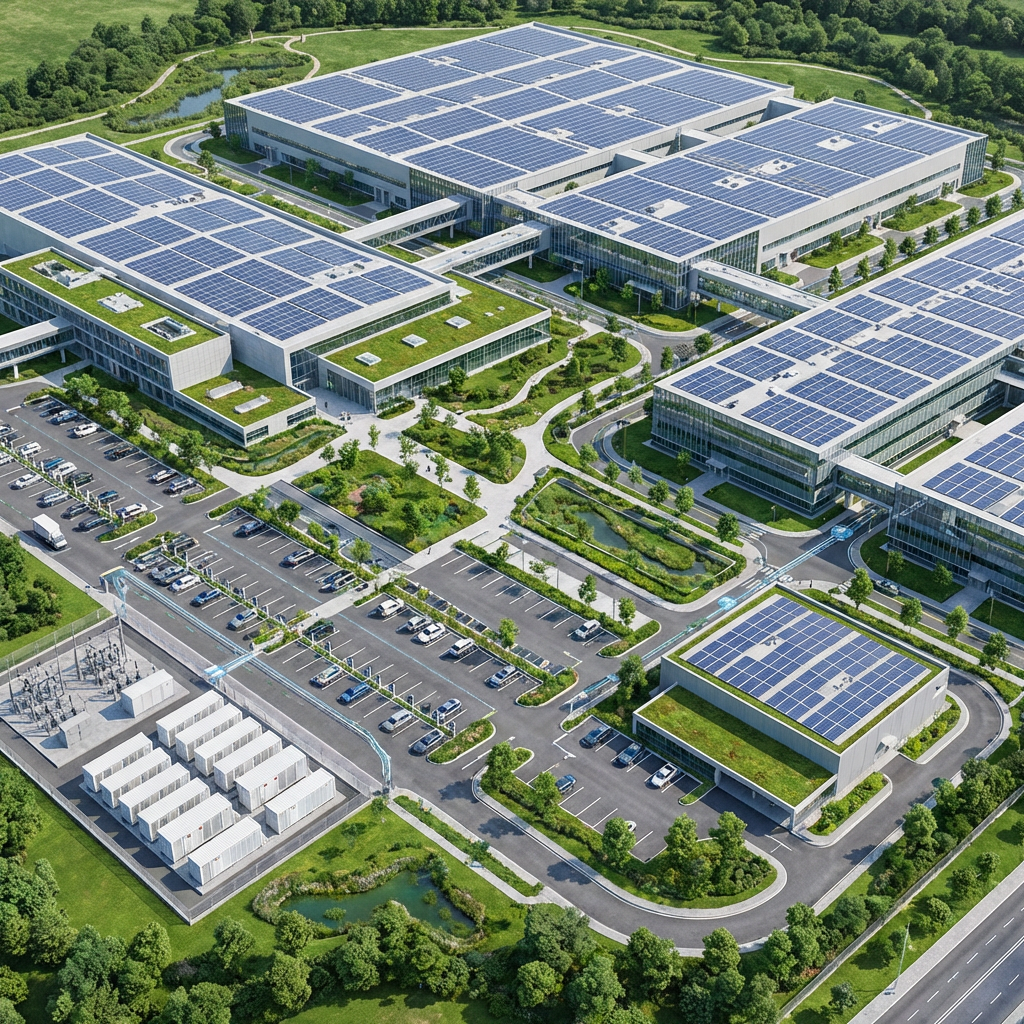
Smart Park Integrated Energy Management Platform Solution
Multi-energy complementary management platform for industrial parks featuring solar-storage-charging integrated smart management
Overview
Summary
Multi-energy complementary management platform for industrial parks featuring solar-storage-charging integrated smart management
Key Advantages
Challenges
- Independent energy systems across multiple buildings lack unified management and scheduling efficiency
- Distributed PV, storage, and EV charging create exponentially increasing system complexity
- Multi-energy forms (electricity, gas, heating, cooling) require complex optimization algorithms
- Time-of-use tariffs and demand response mechanisms make energy cost optimization challenging
- Increasingly strict carbon assessment requirements lack global carbon management decision tools
Results
- 18% overall energy cost reduction for a national high-tech zone after platform deployment
- 1.2M kWh annual PV generation with 85% self-consumption rate and over ¥600K annual revenue
- Smart EV charging scheduling avoided transformer overload, improving capacity utilization by 35%
- Cross-building energy benchmarking identified and resolved 8 high-consumption issues in 3 months
- Over ¥1M annual subsidy income through demand response participation in grid peak shaving
Solution Details
Policy Background for Smart Park Energy Management
The global energy transition is driving industrial parks toward integrated energy management. Distributed solar PV, battery storage, and EV charging infrastructure are rapidly expanding, creating both opportunities and challenges for park-level energy optimization. Time-of-use tariffs and demand response programs offer significant cost savings for parks that can intelligently manage their energy assets.
Technical Highlights: Multi-Energy Complementary Smart Dispatch
Ecolor Technology's Smart Park Integrated Energy Management Platform uses Hero V9 RTU terminals as the sensing and control core, achieving unified access and coordinated management of PV systems, battery storage, EV chargers, HVAC, and lighting. The core dispatch engine uses Mixed-Integer Linear Programming (MILP) algorithms to generate optimal energy scheduling plans in real-time.
The solar-storage-charging integration achieves PV generation forecasting (>90% accuracy for next-day 96-point forecasts), intelligent battery charge/discharge optimization, and orderly EV charging scheduling with V2G support.
Key Features of the Smart Park Platform
- Multi-energy complementary optimal dispatch and source-grid-load-storage coordination
- Distributed PV monitoring and power forecasting
- Battery storage charge/discharge optimization and lifecycle management
- Smart EV charging cluster scheduling and orderly charging management
- Time-of-use tariff optimization and demand response strategies
- Park-level carbon emission panoramic monitoring and low-carbon operations dashboard
Smart Park Integrated Energy Management Application Scenarios
Suitable for industrial parks, technology parks, logistics centers, commercial complexes, and campus environments. The system supports both greenfield deployment and gradual energy transformation for existing parks.
System Architecture for Integrated Management
Three-tier distributed architecture: device endpoints with Hero V9 EC32/EC60 RTU; edge computing for regional optimization and fast response; cloud platform for global energy dispatch optimization, carbon monitoring, and analytics.
Approach
How we implement intelligence into your infrastructure step by step.
Energy Status Assessment
Comprehensive survey of building energy structures, load characteristics, and renewable energy potential; analysis of multi-energy flows and distributed energy integration conditions.
Architecture Design & Deployment
Four-layer architecture design with Ecolor Hero V9 RTU (EC32/EC60) terminals deployed at energy nodes for unified device access and data collection.
Multi-energy Strategy Configuration
Configure peak-valley arbitrage, peak shaving, and demand response strategies based on tariff policies, load curves, and PV output forecasts.
Launch & Continuous Optimization
2-4 week system commissioning after deployment, continuous optimization of scheduling strategies based on operational data.
Recommended Hardware
Essential components for this solution.
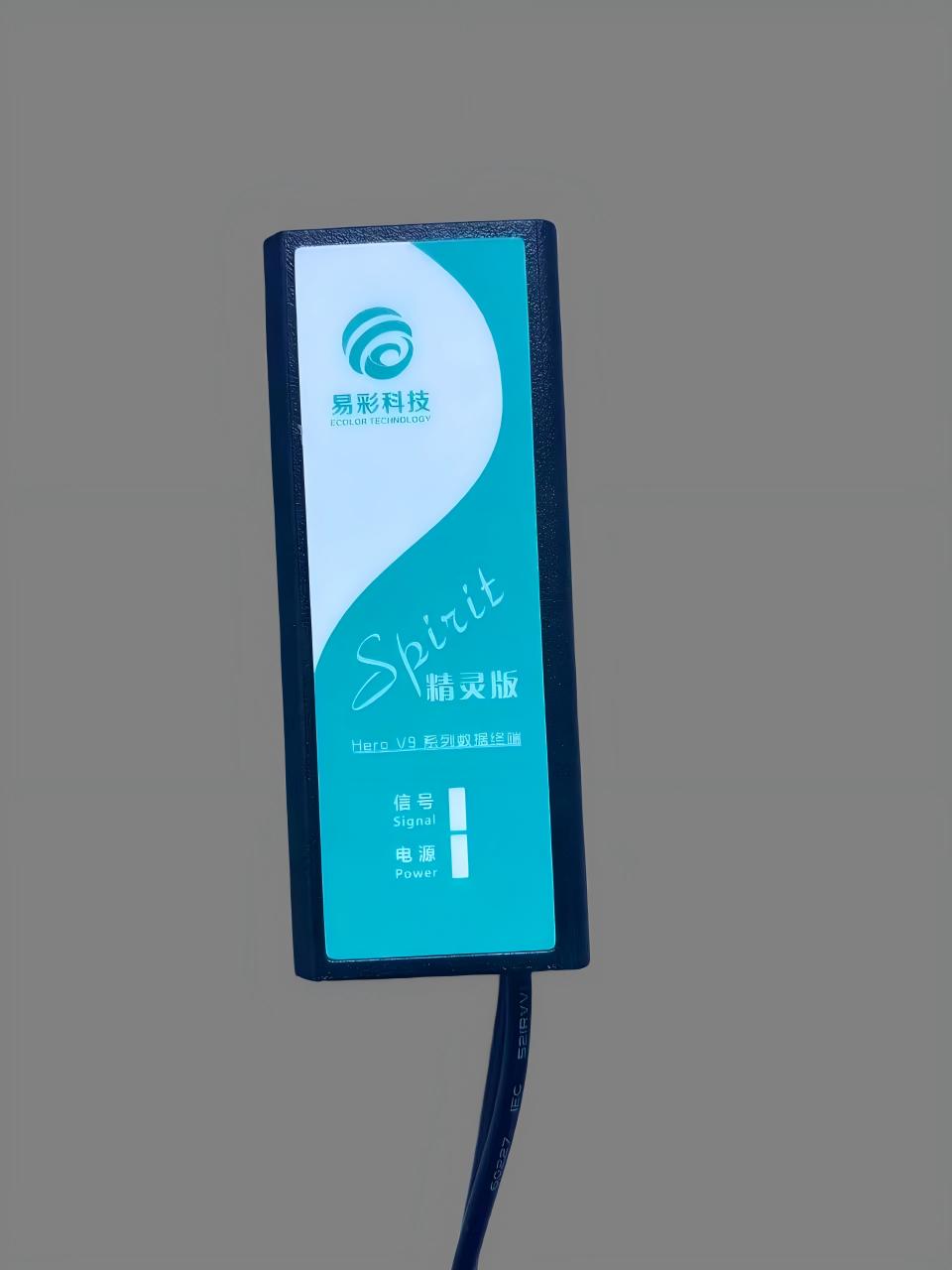
Measurement and Control Terminal (Hero V9 Series - EC60)
The Measurement and Control Terminal (Hero V9 Series - EC60) is a meticulously developed terminal pr...
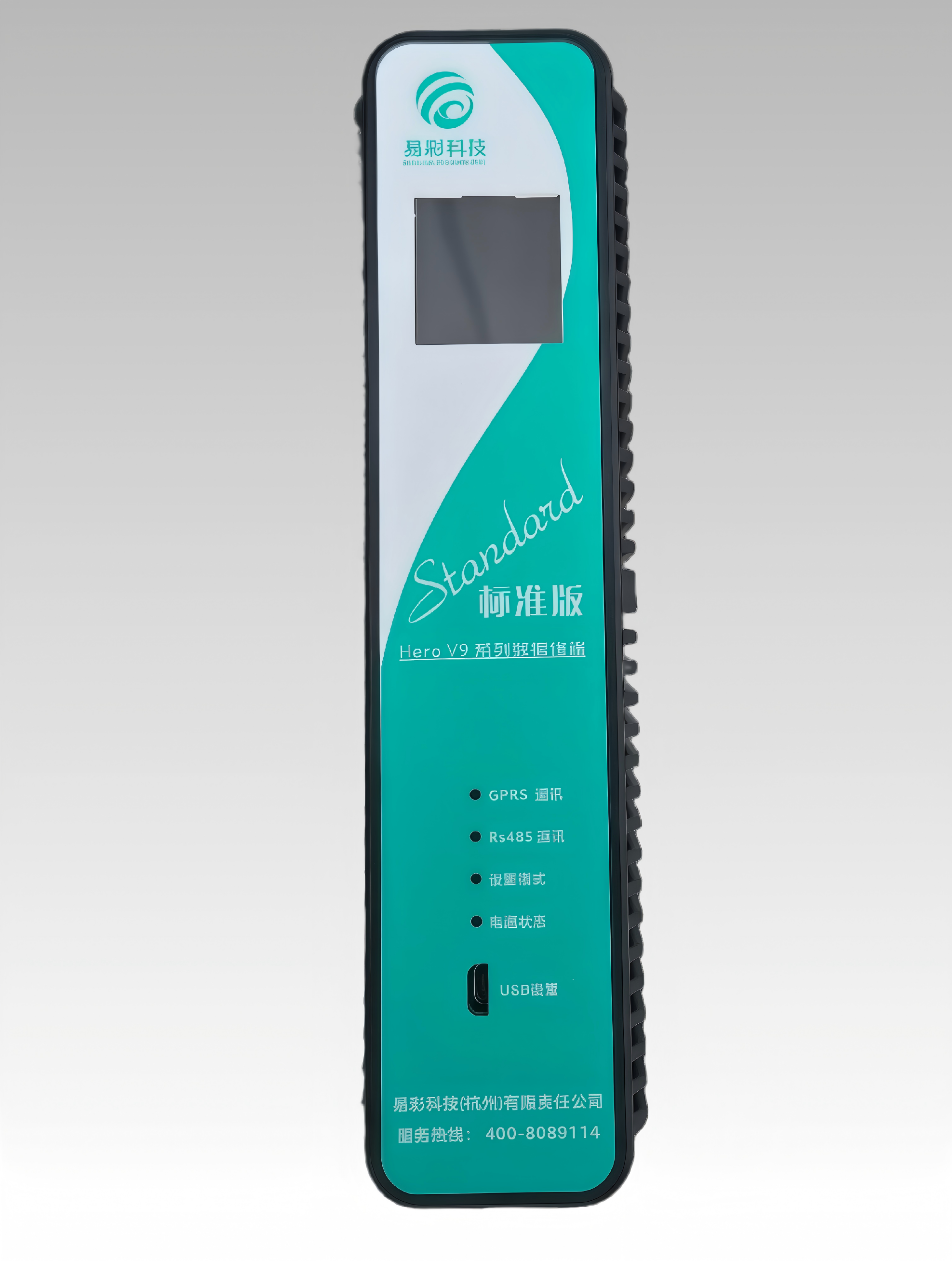
Measurement and Control Terminal Machine (Hero V9 Series - EC32)
This product has the functions of remote data collection, control and communication. It can receive ...
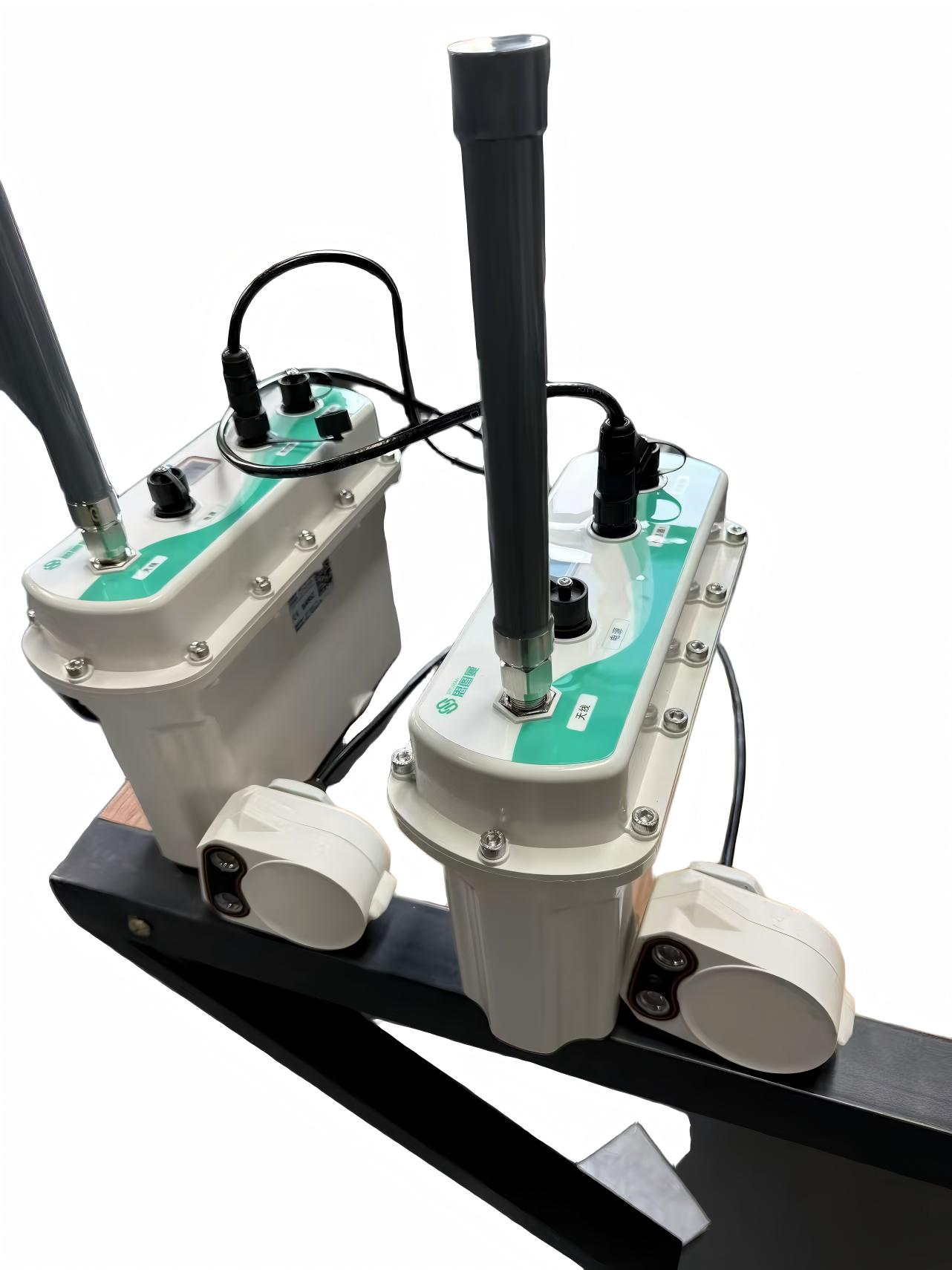
Low Power Self-Powered Portable Remote Telemetry Terminal (Hero V9 Series)
The self-powered portable remote telemetry terminal Hero V9 series is designed for outdoor operation...

Ready to Optimize Your Business?
Contact us, and our professional team will provide customized solutions to help your business achieve digital transformation.
Get In Touch