Data-Driven Pipe Networks: How Real-Time Sensing and Edge Telemetry Redefine Global Water Security
The convergence of multi-sensor fusion, edge computing, and advanced telemetry is transforming aging water grids into resilient, self-optimizing networks capable of withstanding climate and demographic pressures. This shift from reactive maintenance to continuous, high-fidelity data acquisition marks a new era in global water security.

The Urgency of Modernizing Legacy Infrastructure
Global water utilities face unprecedented pressure as aging infrastructure, climate volatility, and population growth strain legacy networks. Traditional reactive maintenance models are no longer viable, pushing operators toward continuous, high-fidelity data acquisition.
The industry is rapidly shifting from periodic manual inspections to always-on digital monitoring, where real-time telemetry and edge analytics serve as the central nervous system for modern water management.
The Infrastructure Deficit and the Data Imperative
Decades of underinvestment, compounded by increasingly severe weather patterns, have left vast portions of municipal distribution and collection systems vulnerable to catastrophic failure. Non-revenue water (NRW) remains a persistent drain on utility finances, with global estimates suggesting that over 30% of treated water is lost before reaching consumers.
Simultaneously, regulatory frameworks are tightening, demanding stricter compliance for water quality monitoring and environmental discharge reporting. In this high-stakes environment, visibility is no longer a luxury; it is an operational necessity.
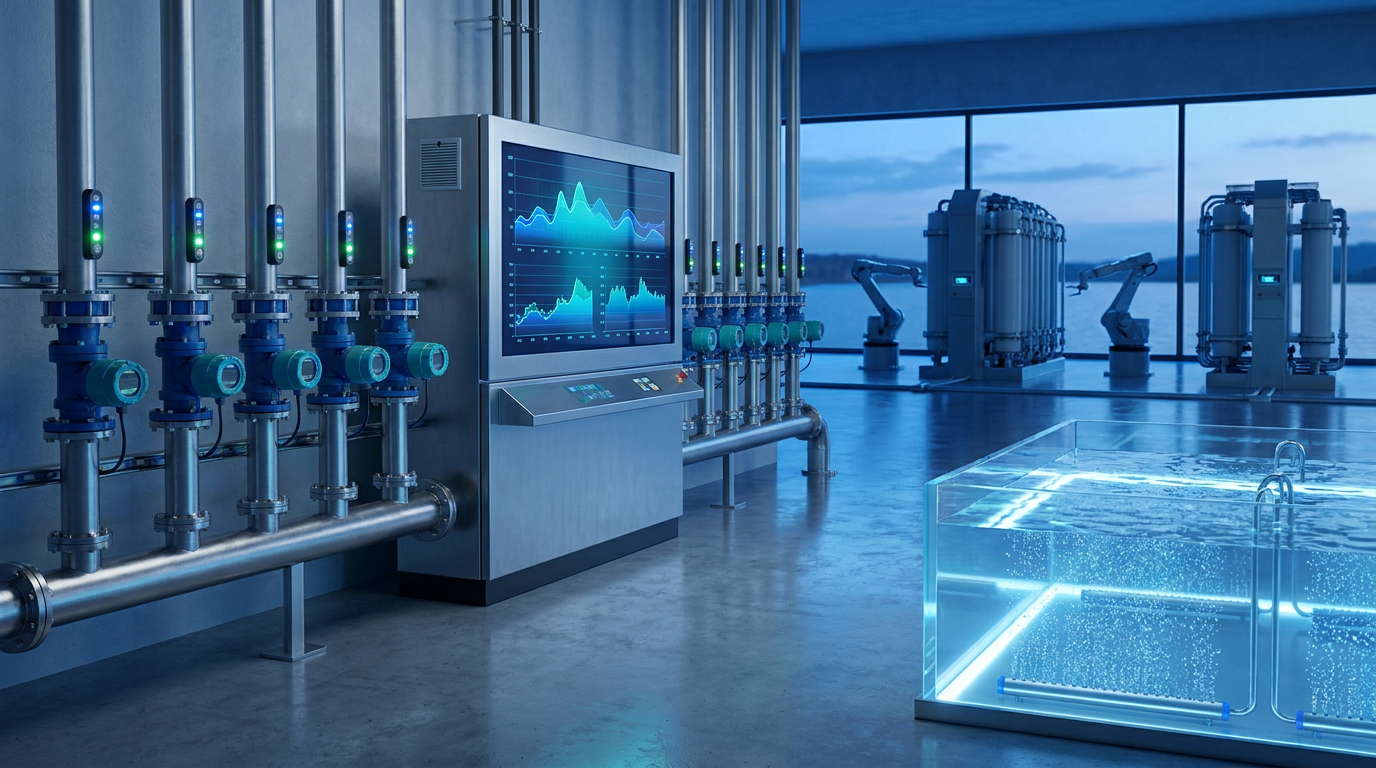
Utilities are rapidly abandoning legacy SCADA architectures that rely on isolated, low-frequency data polling. The new paradigm demands granular, continuous sensing at the edge. By deploying intelligent instrumentation directly within the field, operators can detect micro-leaks, pressure transients, and contamination events in real time.
Key Technology Shift
From centralized batch processing to distributed, continuous telemetry.
Multi-Sensor Fusion and the Edge Computing Revolution
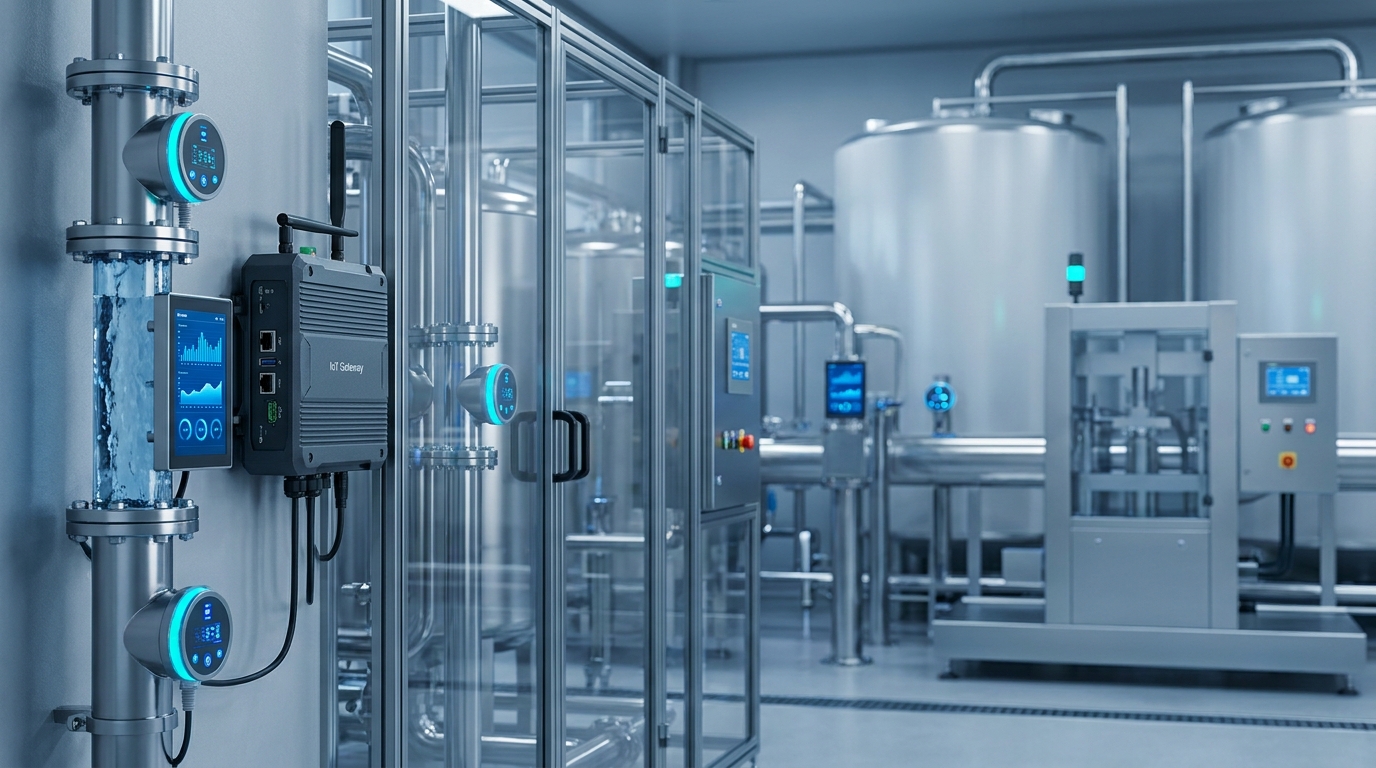
Modern water networks require instrumentation capable of capturing multidimensional hydraulic profiles. Single-parameter sensors are increasingly insufficient for diagnosing complex system anomalies. The industry standard is moving toward integrated sensing arrays that measure flow velocity, pressure head, temperature, and acoustic signatures simultaneously.
When paired with localized processing capabilities, these devices can filter noise, validate readings, and transmit only actionable intelligence to control centers. This reduces cellular data costs while dramatically improving decision latency.
Underground Visibility and Predictive Diagnostics
Perhaps the most challenging frontier in water management remains the buried pipeline network. Traditional inspection methods often require costly excavation or temporary service interruptions. Advanced acoustic and radar-based profiling technologies are now enabling non-invasive, continuous monitoring of subsurface assets.
By correlating hydraulic performance metrics with visual and structural data, utilities can predict degradation trajectories long before surface failures occur. This capability is particularly critical for combined sewer overflow prevention and stormwater retention optimization.
Global Supply Chain Dynamics and Technological Positioning
As demand for smart water infrastructure accelerates, the global instrumentation market is experiencing a structural shift. European and North American manufacturers have long dominated high-precision analytics, but cost constraints and deployment speed requirements are driving utilities toward more agile, vertically integrated suppliers.
Chinese technology firms have emerged as key enablers in this transition, offering robust, field-proven solutions that combine advanced sensor physics with industrial-grade telemetry hardware. Companies like Ecolor Technology exemplify this evolution by delivering purpose-built architectures tailored for harsh, remote, and underground environments.
LGF Electromagnetic Flowmeter
Provides high-accuracy volumetric measurement essential for district metered area (DMA) balancing.
80GHz Visual Fusion Radar Level Sensor
Delivers sub-millimeter precision for reservoir and pump station monitoring, unaffected by foam, vapor, or temperature fluctuations.
Multi-band Doppler Flow Radar
A unique solution integrating world-class underground pipe monitoring with an embedded optical camera for direct structural assessment without excavation.
HERO V9 RTU
Orchestrates sensing nodes through edge communication, consolidating protocol translation, local data buffering, and secure cloud transmission.
Strategic Implications for Water Utilities
The integration of continuous telemetry and edge analytics yields compounding returns across the utility value chain. Financially, it transforms capital expenditure from reactive emergency repairs into targeted, condition-based interventions. Operationally, it enables dynamic pressure management, reducing pipe stress and extending asset lifespans.
Environmentally, it minimizes water loss and prevents untreated discharge into sensitive ecosystems. Most importantly, it builds institutional knowledge, allowing utilities to simulate network behavior under stress and optimize resource allocation proactively.
Core Benefits of Real-Time Sensing
Enhanced NRW Reduction
Real-time flow balancing and acoustic leak correlation cut unaccounted-for water by 15–25% within the first deployment cycle.
Regulatory Compliance
Continuous quality and discharge monitoring automate reporting, reducing administrative overhead and penalty risks.
Climate Resilience
Predictive modeling fed by live sensor data allows rapid adaptation to drought conditions, flash flooding, and seasonal demand shifts.
Workforce Optimization
Automated fault routing directs field crews precisely to failure points, minimizing downtime and safety hazards.
The Future of Global Water Management
The future of global water management hinges on the seamless integration of physical infrastructure with digital intelligence. As sensor costs decline and edge processing capabilities mature, the barrier to entry for smart water networks continues to fall.
Utilities that embrace open-architecture telemetry, prioritize data interoperability, and partner with instrumentation providers capable of delivering end-to-end monitoring solutions will secure a decisive advantage. In an era defined by resource scarcity and climate uncertainty, real-time visibility is not merely an operational upgrade; it is the foundation of long-term water security.