Precision Subsurface Sensing and Edge Telemetry Drive Water Network Resilience
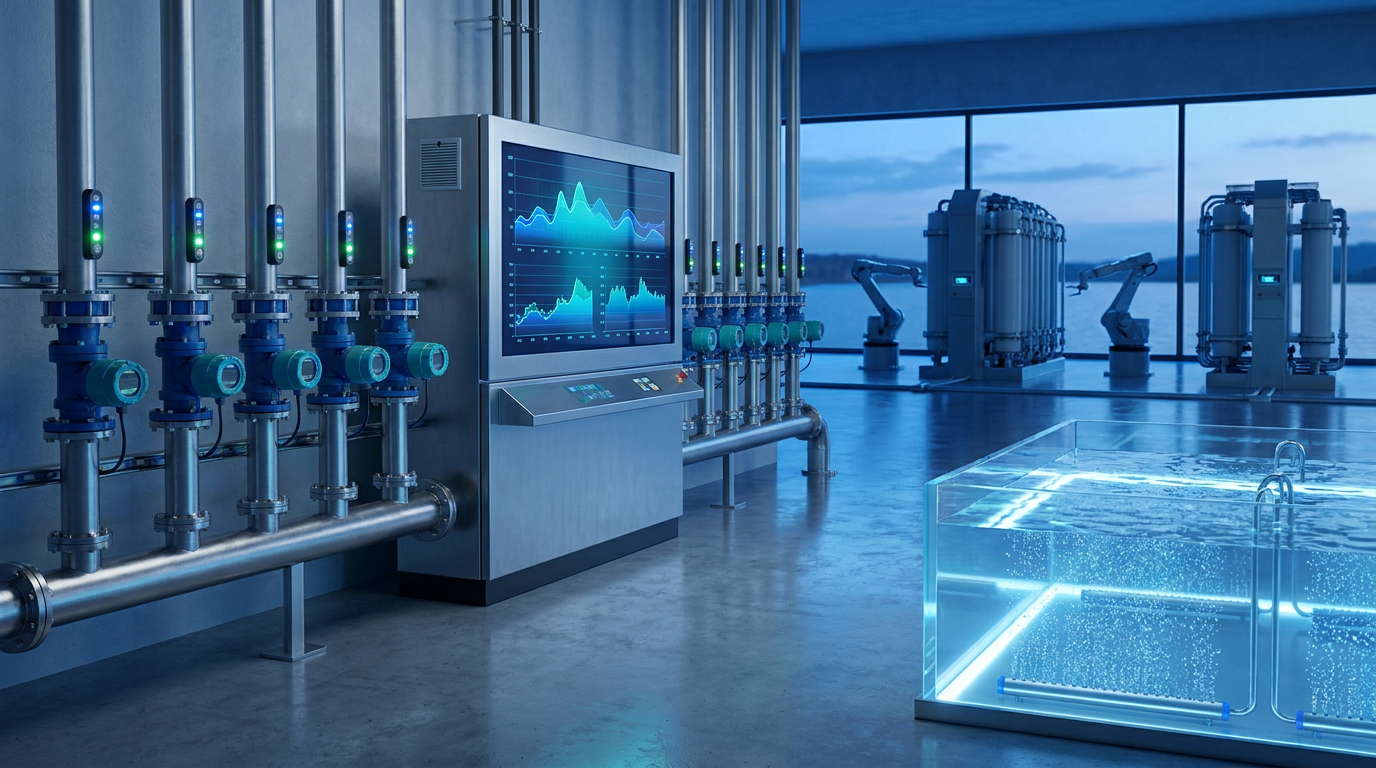
As climate volatility and aging infrastructure strain global utilities, high-accuracy subsurface sensing paired with edge telemetry is transitioning from experimental pilots to operational necessity.
The Infrastructure Imperative: Why Data Quality Dictates Resilience
Global water utilities are confronting a dual crisis: aging subterranean networks approaching or exceeding their operational lifespan, and climate-driven hydrological volatility that exceeds historical design parameters. The traditional model of scheduled inspections and reactive repairs is financially unsustainable and operationally risky. Industry analyses consistently highlight that non-revenue water losses, driven by undetected leaks and pressure transients, account for billions in annual economic waste. The solution lies not in wholesale pipe replacement, but in continuous, high-fidelity asset intelligence. Utilities are increasingly prioritizing deployment-ready telemetry architectures that deliver accurate, real-time hydraulic data from the most inaccessible network segments. This shift requires sensors that maintain metrological precision under extreme environmental stress while transmitting actionable insights to centralized management systems.
The Infrastructure Imperative: Why Data Quality Dictates Resilience
Decades of deferred maintenance have left global pipe networks vulnerable to sudden failures. Water authorities are shifting from reactive emergency response to continuous monitoring frameworks that treat underground infrastructure as transparent, data-generating assets. The bottleneck in this transition has historically been field data reliability. Inaccurate or intermittent measurements render predictive algorithms ineffective and complicate hydraulic modeling. Modern utility strategies now mandate instruments that deliver stable, high-resolution telemetry across variable temperature, pressure, and moisture conditions. This operational pivot is accelerating the adoption of solid-state sensing technologies that eliminate moving parts, reduce calibration drift, and extend deployment intervals in harsh subterranean environments.
Multi-Sensor Convergence for Subsurface Visibility
Single-parameter monitoring has proven inadequate for modern network diagnostics. Contemporary utility strategies demand multi-modal sensing that captures flow dynamics, level variations, and physical pipe conditions simultaneously. Advanced radar and electromagnetic technologies are replacing legacy mechanical instruments, offering non-intrusive measurement with minimal maintenance overhead. The integration of visual inspection capabilities with flow monitoring represents a significant technological leap. By combining high-frequency radar profiling with embedded optical systems, operators can now correlate hydraulic anomalies with visible structural degradation, biofouling, or sediment accumulation in real time. This convergence eliminates the historical delay between data collection and visual verification, enabling immediate root-cause analysis. Furthermore, multi-band Doppler systems are proving essential for open-channel and partially filled pipe environments, where traditional velocity sensors struggle with debris interference and variable cross-sectional geometry.
Edge Processing and the Evolution of Remote Telemetry Units
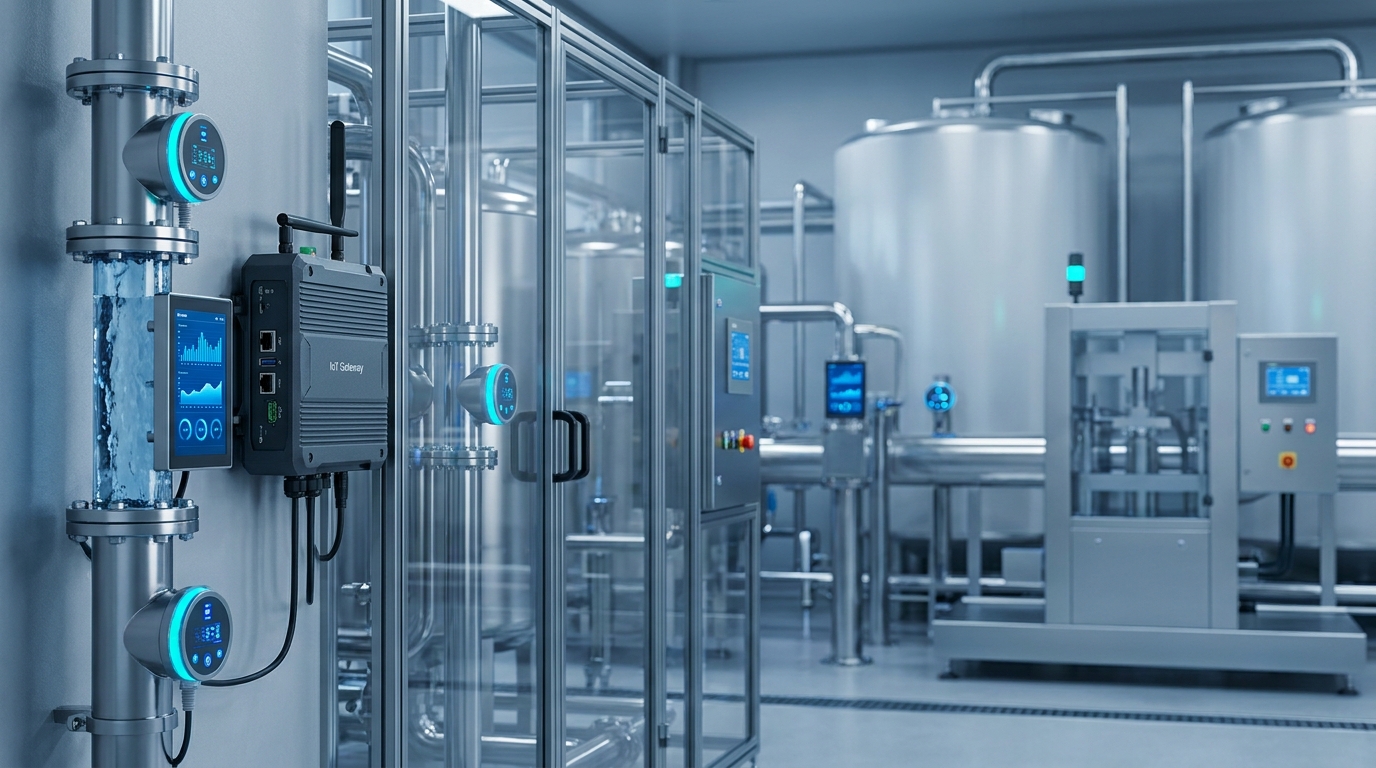
Raw sensor data, without intelligent preprocessing, creates network congestion and delays decision-making. The modern remote telemetry unit has evolved from a simple data logger to an edge computing node capable of executing local analytics, anomaly filtering, and adaptive sampling protocols. By processing measurements at the network edge, utilities reduce bandwidth consumption, extend battery life, and ensure continuous operation during communication outages. Contemporary RTUs now support multiple industrial communication standards, secure encrypted transmission, and seamless integration with cloud-based digital twin platforms. This architecture allows field devices to autonomously adjust sampling rates during pressure surges or abnormal flow events, capturing critical transient data that would otherwise be lost. The result is a resilient telemetry layer that transforms scattered sensor networks into coordinated, self-optimizing monitoring ecosystems.
Global Supply Chain Dynamics and Technology Positioning
The demand for reliable, cost-effective water monitoring hardware has accelerated the globalization of sensor manufacturing. Chinese technology firms have emerged as significant contributors to this ecosystem, leveraging advanced semiconductor integration, precision machining, and rigorous environmental testing protocols. Companies like Ecolor Technology are aligning their product portfolios with international utility requirements, offering solutions that balance metrological accuracy with deployment scalability. Their LGF electromagnetic flowmeter series addresses the need for stable, maintenance-free flow measurement in complex distribution networks, while their 80GHz visual fusion radar level sensors provide high-resolution profiling for reservoirs, lift stations, and industrial process tanks. The multi-band Doppler flow radar, uniquely engineered with integrated visual inspection for underground pipe monitoring, exemplifies how targeted hardware innovation can solve persistent field challenges. Paired with robust telemetry controllers such as the HERO V9 RTU, these systems deliver end-to-end data pipelines that meet the operational demands of modern water authorities.
Strategic Implications for Network Operators
Adopting advanced sensing and edge telemetry is no longer a technology experiment; it is a regulatory and financial imperative. Water regulators worldwide are tightening performance metrics for leakage reduction, energy efficiency, and service continuity. Utilities that deploy integrated monitoring architectures gain measurable advantages in capital planning, operational expenditure optimization, and risk mitigation. The data generated by modern sensor networks feeds directly into hydraulic modeling, predictive maintenance algorithms, and automated pressure management systems. As artificial intelligence and machine learning frameworks mature, the value of high-quality field data will only increase. Operators who invest in standardized, interoperable telemetry infrastructure today will be positioned to scale AI-driven optimization across their networks tomorrow. The transition requires careful vendor selection, phased deployment strategies, and workforce training, but the long-term resilience gains are well documented.
Conclusion: Building the Data-Ready Utility
The global water sector is at an inflection point. Infrastructure modernization cannot rely solely on physical pipe replacement; it must be driven by continuous, high-integrity data acquisition. By embracing multi-sensor convergence, edge-enabled telemetry, and interoperable hardware platforms, utilities can transform aging networks into intelligent, self-monitoring systems. The collaboration between technology manufacturers and water operators will define the pace and effectiveness of this transformation. As climate pressures intensify and regulatory standards evolve, the utilities that prioritize data visibility and operational transparency will lead the industry toward sustainable, resilient water management for the decades ahead.
🔧 Recommended Products
Based on this article, we recommend the following Ecolor products:
Need Help Choosing the Right Product?
Our engineering team is ready to provide free technical consultation and quotes