Network Leakage vs. Zoning: A Selection Guide for Urban Water Supply Scenarios
As urban water supply management shifts from extensive inspections to refined operations, DMA metering has become the industry's focal point. The choice of technology route directly impacts leakage calculation accuracy, detection efficiency, and return on investment.
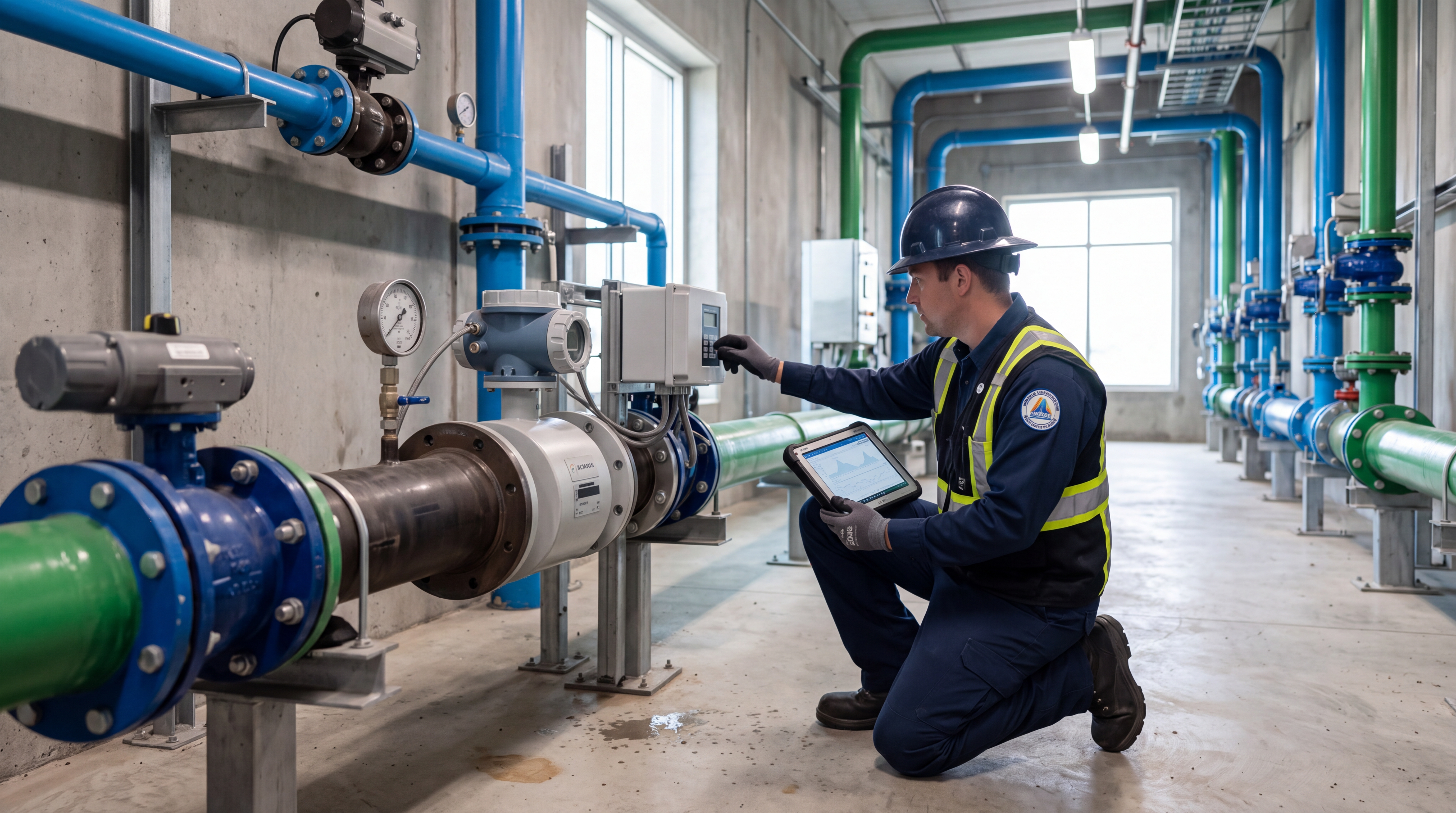
By dividing networks into independent metered areas (DMAs), operators can continuously monitor flow, pressure, and consumption data to assess the leakage level of each zone. However, no single technology fits all scenarios. Below is a detailed comparison of four mainstream technical routes to help you make informed selection decisions.
1 Flow Meter Boundary Metering Route
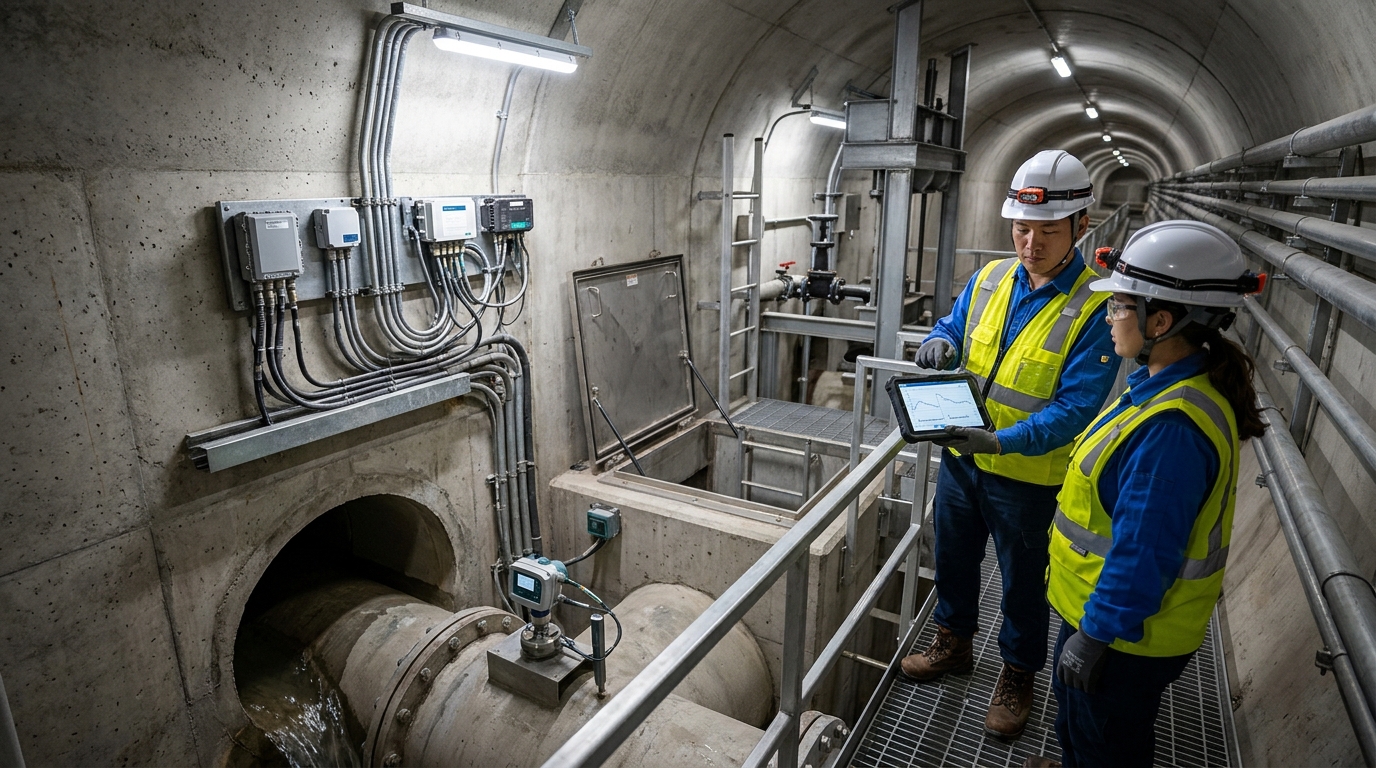
This is the most traditional and direct approach, utilizing equipment such as electromagnetic flow meters, ultrasonic flow meters, and mechanical water meters.
- Core Advantage: Provides intuitive data at the district inlet/outlet with mature technology, facilitating accurate leakage rate calculations.
- Best For: Trunk mains, medium-to-large DMAs, and areas requiring long-term performance assessment.
- Limitations: High requirements for installation chambers, straight pipe sections, power supply, and communication infrastructure. Maintenance costs can be significant.
2 Pressure Monitoring & Regulation Route
This route primarily relies on pressure sensors, smart pressure reducing valves (PRVs), and monitoring systems to control excessive pressure.
- Core Advantage: Reduces background leakage and the risk of pipe bursts by lowering static pressure.
- Best For: Areas with high pressure zones, frequent pipe bursts, and significant nighttime pressure fluctuations.
- Limitations: Pressure data alone cannot perform volume metering. It must be combined with flow data and hydraulic models for comprehensive analysis.
3 Acoustic Monitoring & Noise Leak Detection
Utilizing devices like noise loggers, correlators, and hydrophones, this route focuses on detecting the "sound" of leaks.
- Core Advantage: Continuously monitors pipeline status and assists in locating hidden leaks without immediate excavation.
- Best For: Aging networks, non-metallic pipes (where signal transmission varies), and areas where excavation is restricted or costly.
- Limitations: Highly affected by burial depth, soil conditions, and background noise. It is better suited for leak localization rather than total district metering.
4 Smart Remote-Read Meters & Water Balance Analysis
This advanced route acquires end-user consumption data via smart water meters and compares it with the district inlet flow to improve granularity.
- Core Advantage: Identifies abnormal usage, unauthorized water use, and metering errors, significantly enhancing Non-Revenue Water (NRW) management.
- Best For: Utilities aiming for high-precision consumer-level analytics and digital transformation.
- Limitations: Requires substantial investment in hardware, communication networks, battery maintenance, and platform operation.
Strategic Selection Recommendations
Industry experts generally recommend avoiding reliance on a single technology. Instead, adopt a hybrid approach based on your primary objectives:
- If focusing on leakage rate assessment: Prioritize building stable boundary metering.
- If focusing on burst reduction: Add pressure regulation capabilities.
- If focusing on hidden leak location: Configure acoustic monitoring systems.
- If enhancing end-user data is needed: Gradually roll out smart water meters.
Additionally, determine the DMA scale reasonably by considering network topology, valve closure status, and existing data foundations.
Conclusion: The Power of Multi-Technology Synergy
DMA metering is a systematic engineering project, not just an equipment installation. Each technology plays a distinct role:
- ? Flow Meters answer "Where does the volume come from?"
- ⚖️ Pressure Management controls "Whether leakage is amplified."
- ? Acoustic Monitoring answers "Where is the leak point?"
- ? Smart Meters fill in the end-user data gaps.
Only through the synergy of these technologies can metering accuracy be continuously improved, ultimately reducing the pipeline network leakage rate and ensuring sustainable water resource management.