DMA Implementation Case Study: Technical Pathway to Reduce Water Network Leakage from 35% to 12%
This DMA implementation case study documents a full-cycle, three-tier District Metered Area (DMA) deployment in central China — delivering a dramatic reduction in physical water loss from 35% to 12%. It details the hydraulic zoning strategy, cost-optimized equipment selection (including low-cost electromagnetic flow meter flow meters), real-time MNF analytics, and pressure management — offering a replicable technical pathway for utilities targeting non-revenue water (NRW) reduction.
Pre-Project Network Assessment & Baseline Leakage Analysis
The project covered a 120 km² urban service area with 480+ km of trunk mains (≥DN100), serving ~800,000 residents. Using the IWA Water Balance methodology, pre-intervention analysis revealed a physical leakage rate of 35% — equivalent to over 12 million m³/year lost.
Root causes included aging infrastructure (60% gray cast iron pipes, installed 30–40 years ago), lack of hydraulic zoning, and elevated minimum night flow (MNF >15 m³/h in multiple sectors) — clear indicators of widespread hidden leaks and pressure-induced failures.
Three-Tier Hierarchical DMA Zoning Architecture
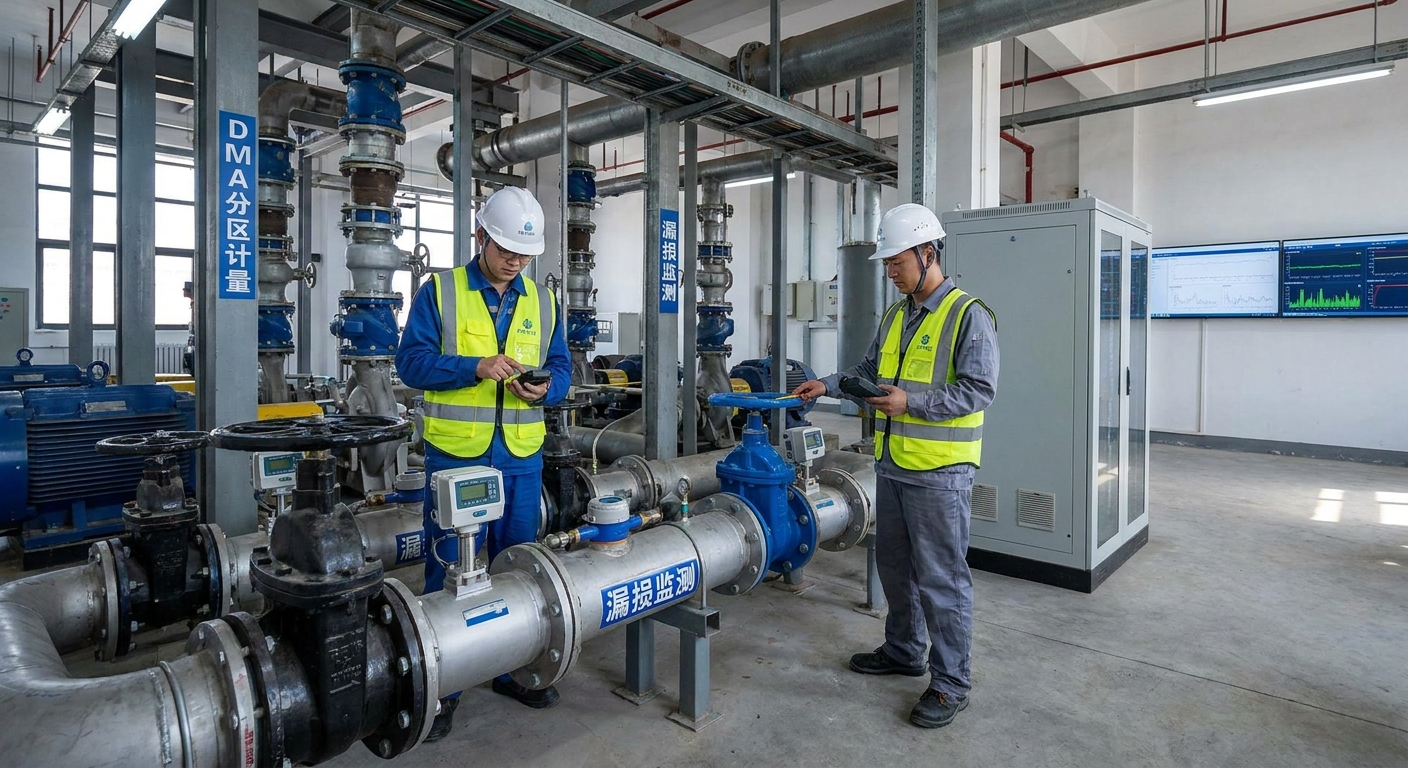
To align instrumentation with hydraulic reality, the project deployed a three-tier DMA structure, each tier optimized for specific monitoring and control objectives:
- Tier 1 Supply Zones (5): Defined by treatment plant boundaries; equipped with high-accuracy DN400–DN800 electromagnetic flow meters (Class 0.2, IP68) and HERO V9 RTUs.
- Tier 2 Pressure Management Zones (23): Sub-zones based on trunk main topology; instrumented with DN200–DN400 flow meters and ≥1 pressure sensor per km².
- Tier 3 DMA Cells (86): Customer-based cells (500–3,000 connections); each inlet fitted with DN50–DN150 flow meters for granular MNF tracking and leak localization.
Equipment Selection & Rationale for Scalable DMA Instrumentation
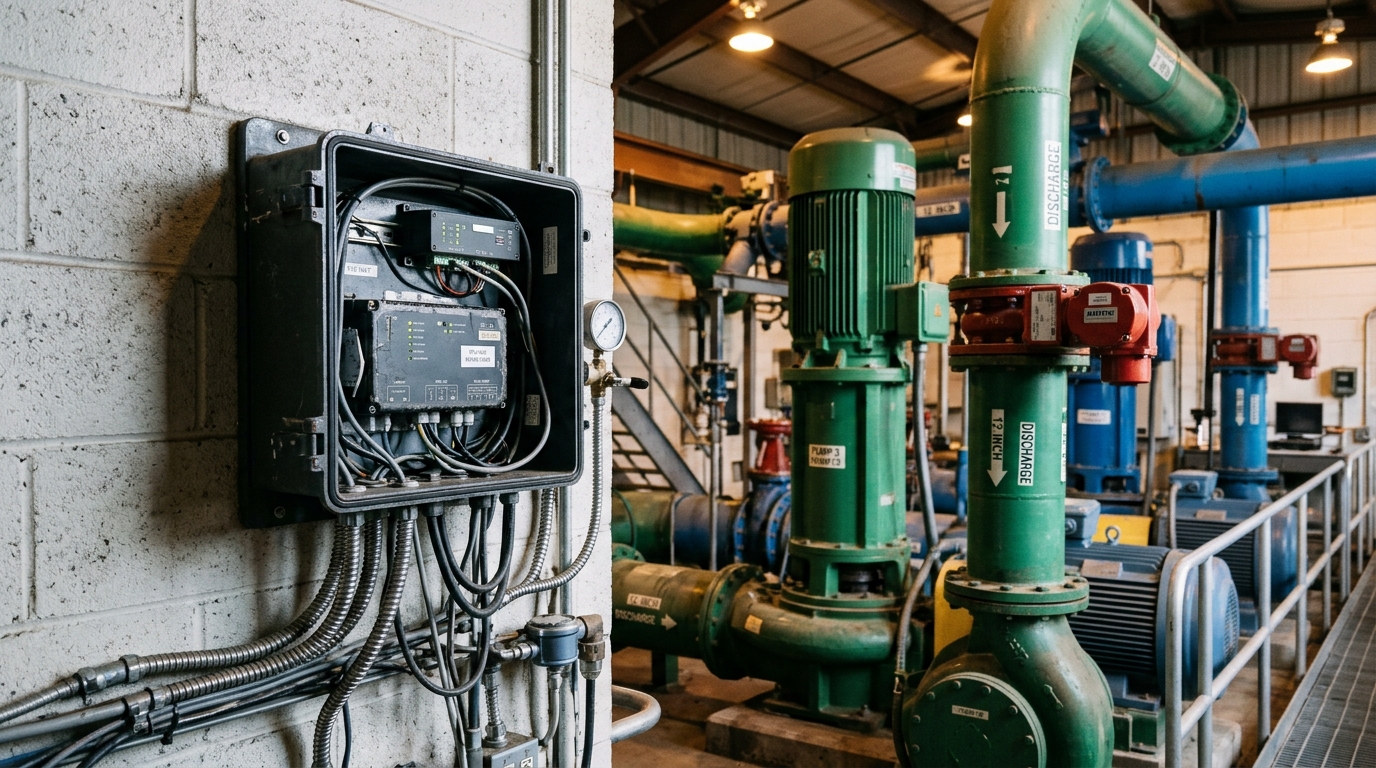
Cost-effective, fit-for-purpose hardware was critical to achieving high-density Tier-3 coverage. All flow meters met ISO 4064 and OIML R49 standards and featured IP68 protection for underground pit installations.
Flow Metering Strategy
- • Tier 1 & 2: Battery-powered electromagnetic meters with integrated GPRS/NB-IoT
- • Tier 3: LGF flow meter series polymer-lined EM meters — unit cost < ¥850 (~$120) for DN50
- • Enabled economical instrumentation of all 86 DMA inlets
Telemetry & Data Acquisition
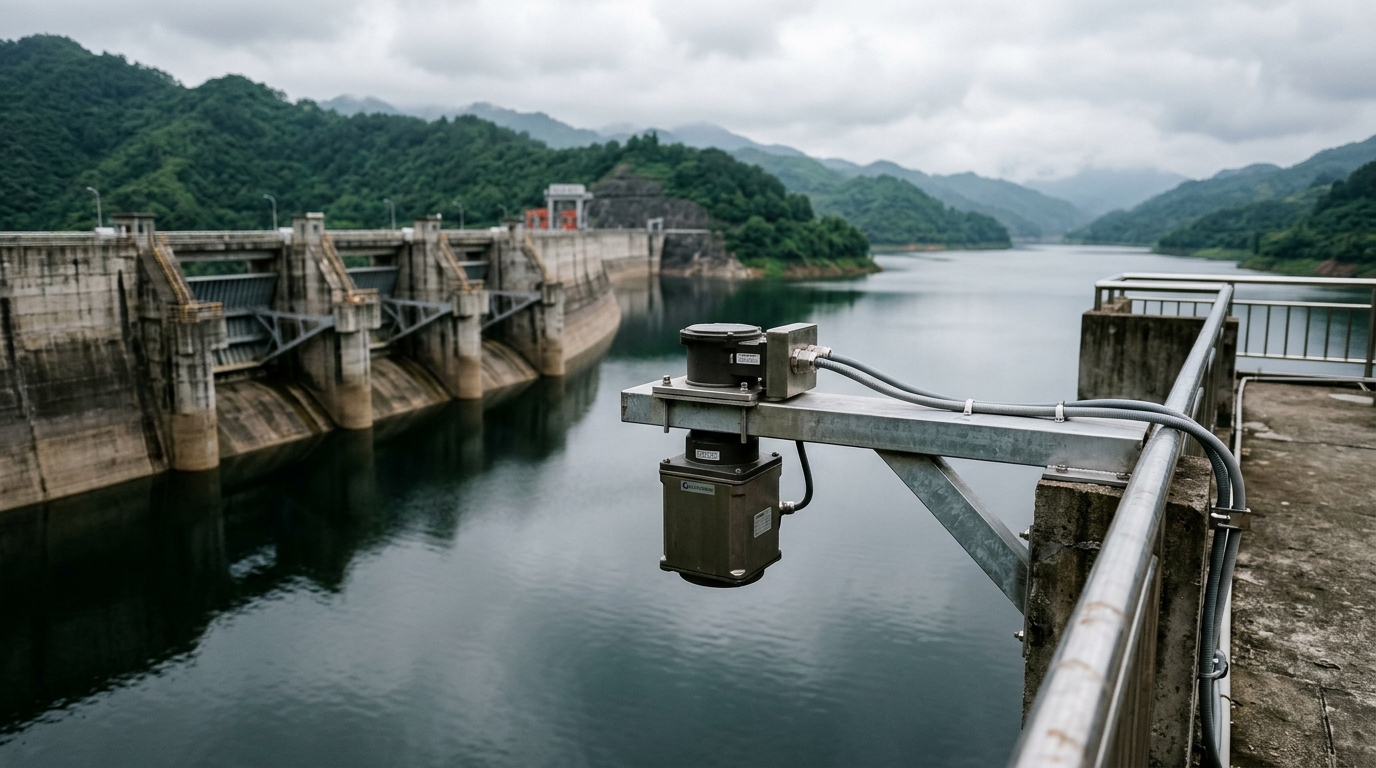
- • HERO V9 RTU with dual-channel 4G/NB-IoT + automatic failover
- • Lithium-thionyl chloride battery: 3+ years autonomous operation
- • Standard 15-min sampling; increased to 5-min during MNF window (00:00–05:00)
Core Leakage Control Measures: MNF Analytics & Pressure Optimization
Real-time data enabled two interlocking interventions: automated Minimum Night Flow (MNF) analysis for early leak detection, and dynamic pressure management to reduce stress on aging pipes.
Automated MNF Leak Detection
An algorithm computed daily MNF for all 86 Tier-3 DMAs against a theoretical baseline (based on connections + pipe length). An MNF ratio >1.5× triggered an automated work order. 47 leak points were precisely located, with >70% classified as non-surfacing (hidden) leaks — previously undetectable via traditional methods.
Strategic Pressure Management
PCVs installed across 23 Tier-2 zones reduced nighttime pressure from 0.42 MPa to 0.28 MPa (33% reduction). A time-phased modulation schedule prevented transients and safeguarded water quality. Result: ~1.8 million m³/year saved — directly attributable to lower burst frequency and slower leak growth.
Quantified Results After 18 Months
12%
Physical Leakage Rate
(↓ from 35%)
8M m³
Annual Water Savings
(~$3.1M economic benefit)
21%
NRW Ratio
(↓ from 42%)
96%
Pressure Compliance
(↑ from 78%)
Project payback period: ~2.5 years. Achieved below China’s national NRW target of 15%.
Engineering Takeaways: Beyond Meter Installation
This DMA implementation case study underscores that successful leakage reduction is not about deploying meters — it’s about systems engineering: integrating hydraulic modeling, network segmentation, calibrated instrumentation, and operational workflows built for sustainability.
- The three-tier DMA architecture balanced capital efficiency with actionable granularity — enabling targeted intervention without over-instrumentation.
- LGF-series low-cost electromagnetic flow meters made high-resolution Tier-3 monitoring economically viable — a key enabler for scalable DMA rollout.
- RTU-enabled real-time MNF analytics shifted operations from reactive repair to proactive warning — the true linchpin of sustained water network leakage reduction.