How to Choose Suitable Drainage Network Monitoring? Precision and Stability are Key
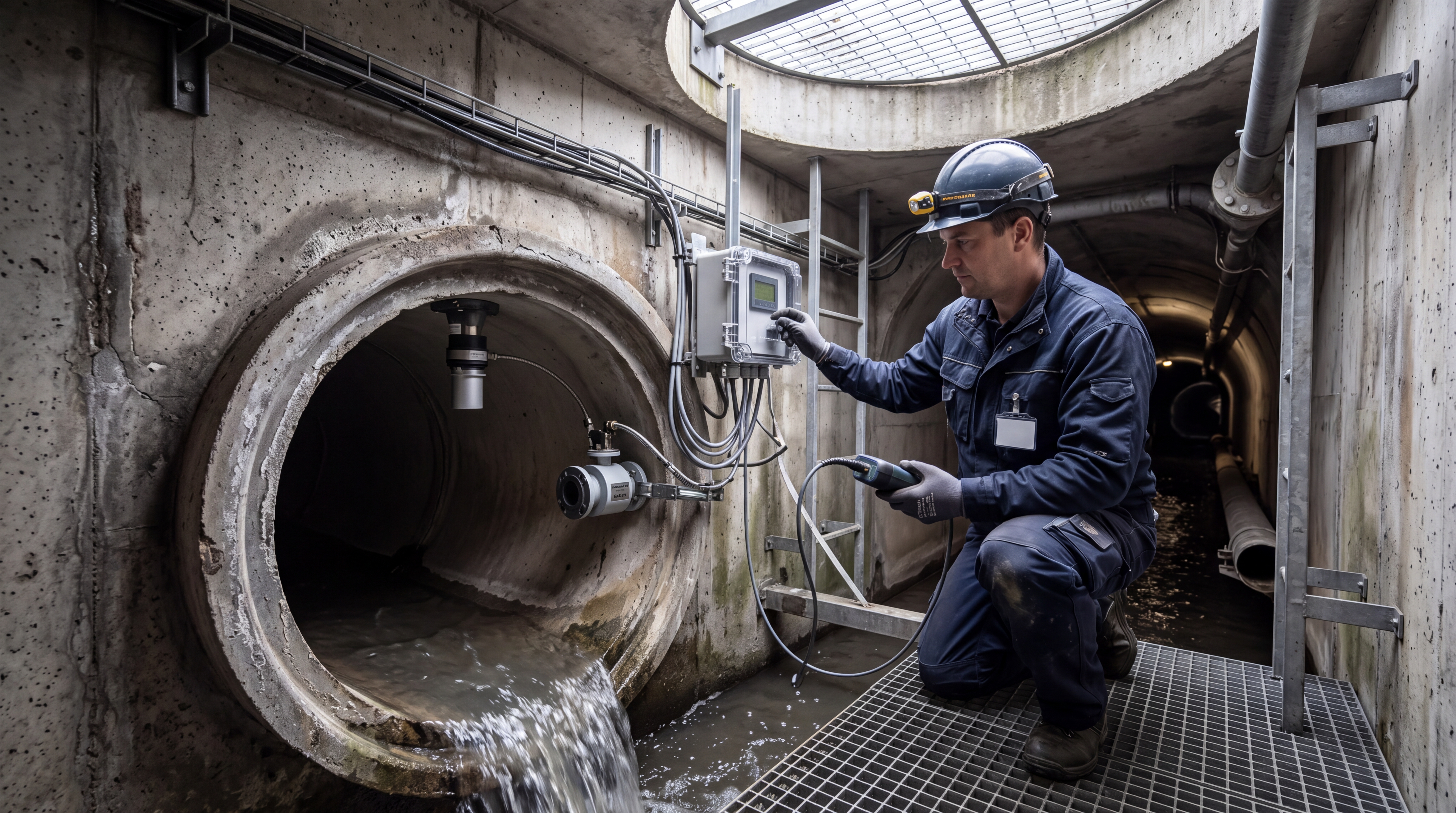
Figure 1: Technical comparison of drainage network monitoring solutions.
In recent years, the frequent occurrence of extreme rainfall and the advancement of urban infrastructure renewal have shifted drainage network monitoring from manual inspections to online sensing. In the operation and management of drainage systems, liquid level, flow rate, and waterlogging prevention data are fundamental indicators for assessing network load, overflow risk, and dispatch effectiveness. From the perspective of industry applications, this article compares mainstream technical routes to provide references for water utilities, municipal authorities, and park management units.
Liquid Level Monitoring: The Foundation of Sensing
Liquid level monitoring is the most fundamental sensing component of drainage networks. Common technologies include float-type, submersible pressure, ultrasonic, and radar level gauges. Each has distinct advantages and limitations depending on the environment:
- Float-type Gauges: Low-cost but susceptible to interference from floating debris and mechanical jamming, resulting in higher maintenance frequencies.
- Submersible Pressure Sensors: Offer stable accuracy and are suitable for long-term monitoring, but attention must be paid to corrosion prevention, siltation prevention, and zero-point drift.
- Ultrasonic Sensors: Easy to install but may experience abnormal echoes in high-humidity, condensation, or foam environments.
- Radar Gauges: Possess strong anti-interference capabilities, making them suitable for complex operating conditions, albeit at a relatively higher cost.
Recommendation: Ultrasonic or pressure-type sensors can be used for standard stormwater manholes, while radar gauges or redundant configurations are recommended for critical discharge outlets, pump station forebays, and waterlogging-prone nodes.
Flow Rate Monitoring: Evaluating Conveyance Capacity
Flow rate monitoring is crucial for evaluating the conveyance capacity of drainage networks. Unlike liquid level, which only shows volume status, flow rate reveals dynamic capacity.
Electromagnetic Flowmeters
Offer high accuracy under full-pipe pressurized flow conditions, ideal for pump station discharge pipes. However, their applicability is limited for non-full-pipe gravity flow.
Transit-Time Ultrasonic
Can be clamp-on mounted, suitable for large-diameter pipes where flow interruption is impractical. Highly sensitive to bubbles, suspended solids, and flow velocity profiles.
Doppler Ultrasonic
Applicable in environments with impurities, non-full-pipe conditions, or open channels. Can simultaneously measure liquid level and flow velocity; commonly used for outlet monitoring.
Open Channel Flume/Weir
Suitable for stable cross-sections but requires stringent construction and calibration.
For urban gravity drainage networks, non-full-pipe flow monitoring reflects the actual operational status more accurately than liquid level measurement alone.
Waterlogging Prevention: Multi-Source Fusion
In waterlogging prevention applications, monitoring targets encompass not only network liquid level and flow rate but also road surface ponding, river water levels, rainfall intensity, and pump and gate statuses.
Single liquid level data can determine whether the network is operating at high water levels, but predicting the formation of ponding is difficult without rainfall and downstream boundary conditions. Integrating network liquid level, flow rates at critical nodes, and ponding point monitoring, along with meteorological forecasts and hydraulic models, can enhance the timeliness of urban waterlogging early warnings.
Note: Video recognition provides intuitive visual confirmation but requires cross-validation.
Video recognition offers intuitive advantages at overpasses and underpasses, but due to the impacts of nighttime conditions and glare, it requires cross-validation with electronic water level staff gauges or radar water level gauges.
Data Transmission & Platform Reliability
Data transmission significantly affects system availability. Drainage manholes are widely dispersed, and wireless methods such as NB-IoT, 4G, and LoRa are commonly used.
- NB-IoT: Wide coverage and low power consumption, suitable for low-frequency liquid level reporting. Signal penetration into underground manholes must be considered.
- 4G: High bandwidth, ideal for video and multi-parameter stations, albeit at a relatively higher cost.
- LoRa: Well-suited for building localized private networks.
On the platform side, emphasis should be placed on data cleaning, anomaly detection, breakpoint resume transmission, and device status monitoring. For waterlogging prevention dispatch, real-time performance, continuity, and data credibility are more critical than simply increasing the number of measurement points.
Equipment Selection Recommendations
Equipment selection recommendations should be configured hierarchically according to the scenario:
- General Drainage Surveys: Prioritize liquid level monitoring to establish high water level and overflow early warnings.
- Critical Nodes: Add flow rate monitoring at pump station inlets/outlets, critical trunk pipes, and discharge outlets to evaluate conveyance capacity.
- Ponding Points: Historical ponding points, underpasses, and river boundaries should employ integrated monitoring of liquid level, ponding depth, video, and meteorological data.
Caution: Selection must consider whether the pipe is full, manhole space, power and communication supply, O&M cycles, and data interface standards. Blindly pursuing high precision or multi-parameter capabilities may increase construction and maintenance burdens.
Conclusion
Overall, drainage network monitoring is evolving from single-point sensing to multi-source fusion.
- Liquid level monitoring answers "whether it is full."
- Flow rate monitoring answers "how much has flowed."
- The waterlogging prevention system focuses on "when the risk escalates and how to dispatch."
Industry users should select technical routes by integrating the drainage system type, network structure, and management objectives, achieving a balance among reliability, economy, and scalability. The editors at Yicai Technology believe that the future value of drainage monitoring will be increasingly reflected in the synergy of data quality, model algorithms, and O&M mechanisms.