Electromagnetic Flow Meter Market 2026: Price Trends & Selection
A comprehensive analysis of DN50 caliber demand, TCO evaluation, and anti-corrosion technologies.
I Introduction: The Shift to Refined Selection
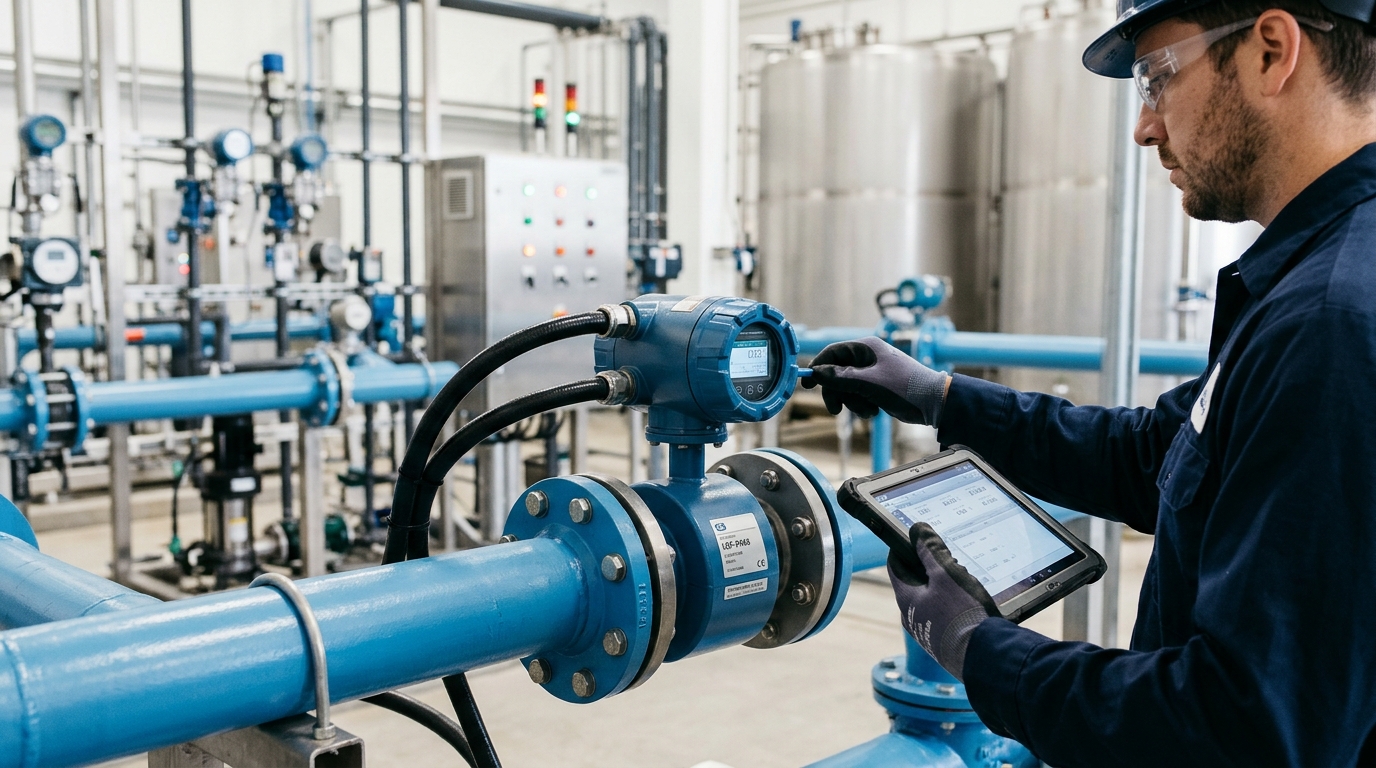
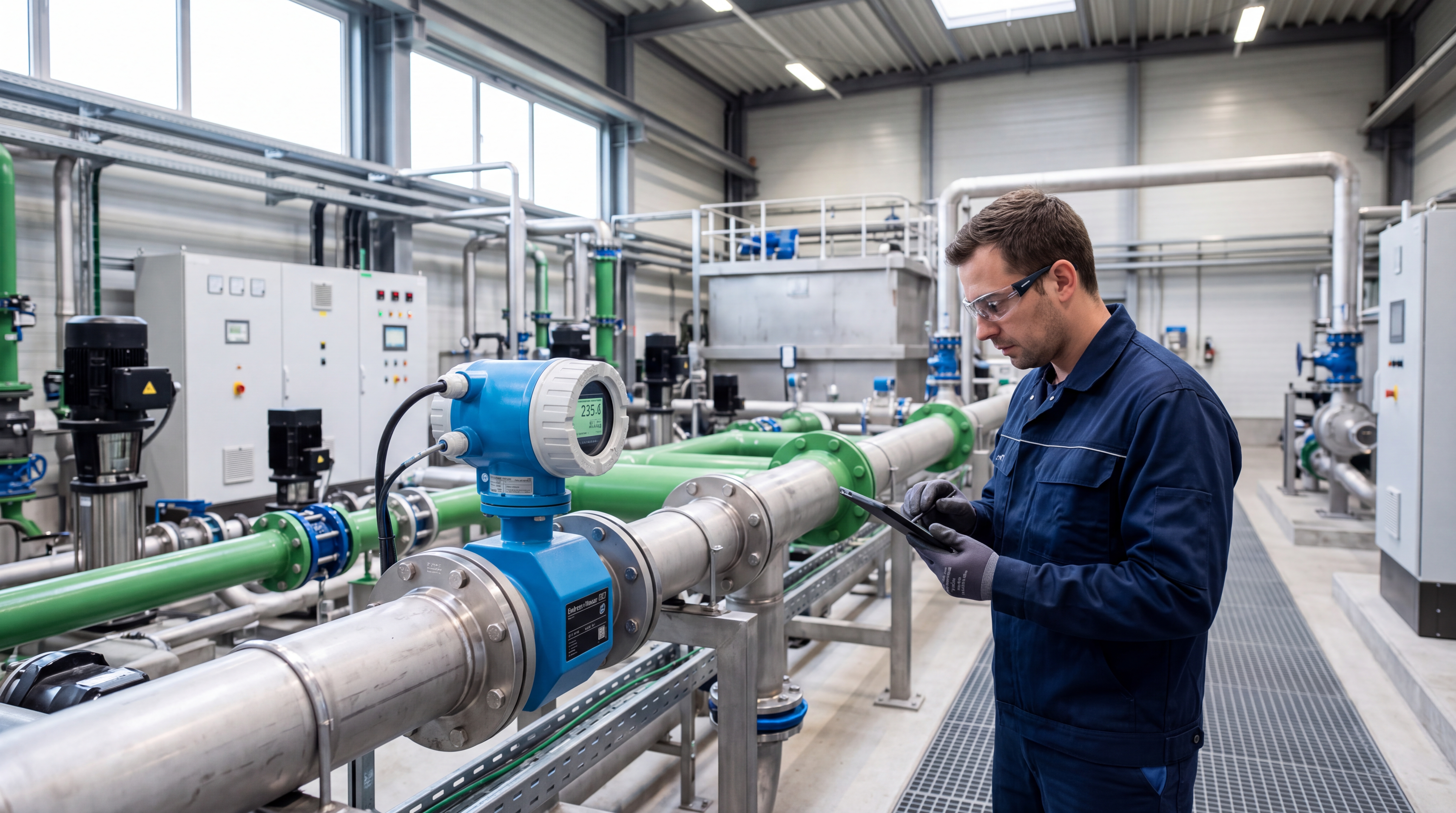
Based on Faraday's law of electromagnetic induction, electromagnetic flowmeters calculate volumetric flow rate by measuring the induced electromotive force generated when a conductive liquid passes through a magnetic field. Due to the absence of moving parts and flow obstructors in the measuring tube, along with minimal pressure loss, electromagnetic flowmeters are widely used in municipal water management, chemical, power, metallurgy, food and pharmaceutical, and new energy material industries.
As industrial process measurement shifts from merely "being able to measure" to "measuring stably, accurately, and efficiently," purchasers' focus has shifted from a single procurement price to comprehensive indicators such as caliber matching, anti-corrosion capability, long-term stability, intelligent diagnostics, installation conditions, and maintenance costs.
Key Market Trend: Demand for small to medium-bore electromagnetic flowmeters (DN15–DN100) continues to grow. Specifically, DN50 has become a high-frequency caliber due to its common use in dosing systems, circulating cooling water branch pipes, and CIP return lines.
Keywords such as anti-corrosion structure, one-piece injection-molded housing, LGF-PA66 material, IP65/IP67 protection, and HART/RS485 communication frequently appear in bidding technical documents, reflecting increasing user requirements for adaptability to complex working conditions.
II Market Demand Structure
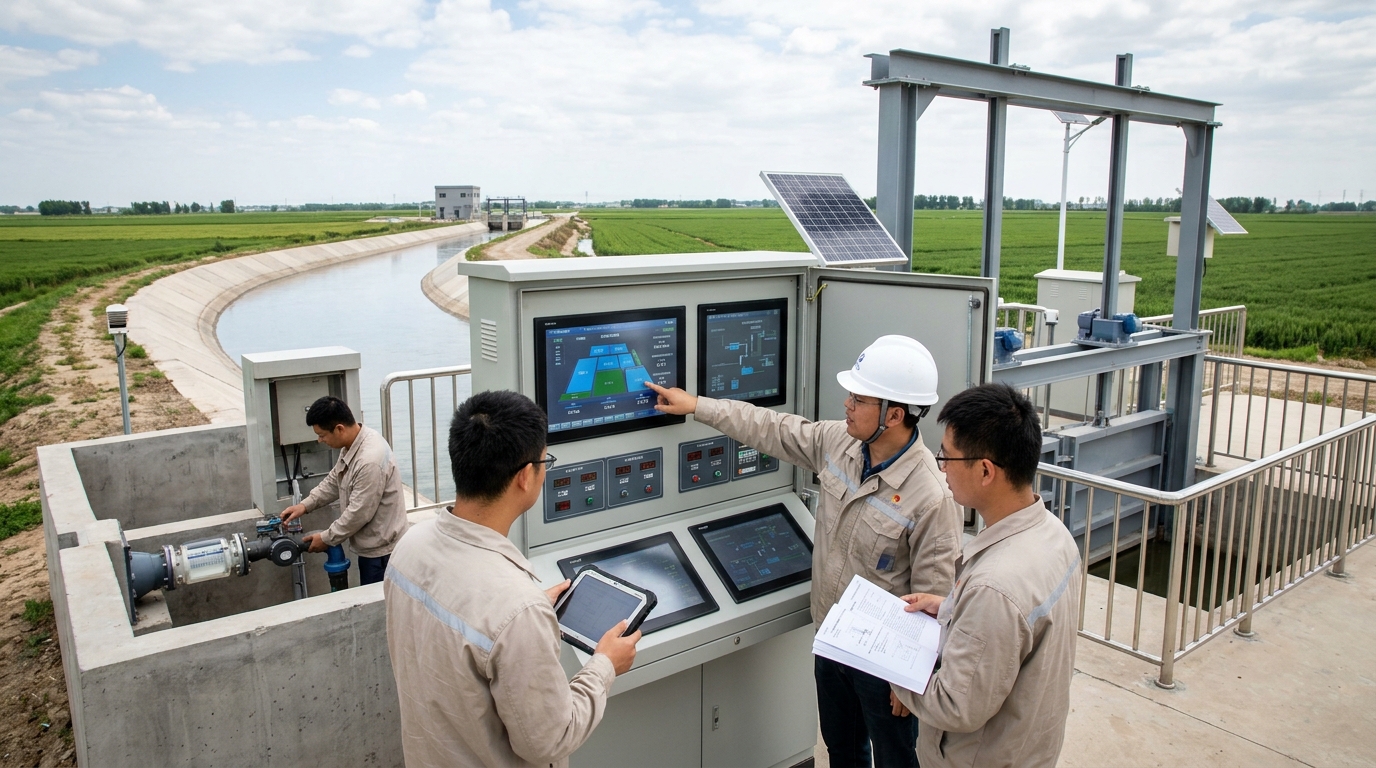
The domestic electromagnetic flowmeter market has maintained steady growth, estimated between 6 billion and 9 billion RMB, with a compound annual growth rate of approximately 5% to 8%. Growth is driven by three main factors:
- Metering upgrades in municipal water supply and sewage treatment.
- Increasing demand for metering corrosive media in chemical and new energy industries.
- Growing acceptance of hygienic, small-bore, and high-precision flowmeters in food, pharmaceutical, and semiconductor sectors.
Application Breakdown
Water Management (30-40%)
Focuses on long-term stability and low maintenance.
Chemical Industry (20-30%)
Prioritizes anti-corrosion and explosion-proof features.
Heavy Industries (15%)
Includes power, metallurgy, and mining applications.
Food & Pharma (10-15%)
Emphasizes hygienic structures and cleaning compatibility.
The DN50 Caliber Advantage
Small to medium-bore products (DN15–DN100) account for 45% to 55% of the market. For a DN50 pipe operating at a typical velocity of 1–3 m/s, the flow rate is approximately 7–21 m³/h. This range is ideal for branch pipe metering and chemical dosing.
Case Study: In a municipal sewage treatment plant modification, changing a dosing branch from DN80 to DN50 reduced flow fluctuation from ±6% to within ±1.5%, proving that matching actual flow ranges improves signal-to-noise ratio.
III Price Range Analysis
Price differences in DN50 electromagnetic flowmeters are primarily determined by anti-corrosion capabilities, accuracy grades, and intelligent functions. Market quotations generally fall into four tiers:
Basic Water Type
Price: ¥8,000 – ¥16,000
Configurations include rubber/neoprene liners, 316L electrodes, carbon steel housings, IP65 protection, and 4-20mA output. Suitable for ordinary tap water and low-corrosion sewage.
Mid-Range Anti-Corrosion
Price: ¥16,000 – ¥35,000
Features PTFE/PFA liners, Hastelloy/titanium electrodes, and LGF-PA66 one-piece injection-molded housings. Supports HART/RS485. Ideal for chemical dosing and acid/alkali environments.
High-End Process Control
Price: ¥35,000 – ¥80,000
Accuracy 0.2%-0.5%. Includes explosion-proof certifications, hygienic connections, and intelligent diagnostics (empty pipe alarms, electrode contamination). Used for trade transfer and critical batching.
Special/Imported
Price: ¥80,000+
For extreme conditions (high temp/pressure, nuclear safety). Features special alloys, ceramic tubes, and strict documentation/acceptance processes.
Note on Total Cost: Installation and commissioning costs typically add 10%–30% to the equipment price. Factors like explosion-proof areas or high-altitude installation can increase this further.
IV Purchasing Advice: A 6-Step Guide
- Confirm Medium Suitability: Ensure electrical conductivity is ≥5 μS/cm. Avoid high-purity water, oils, or steam.
- Calculate Flow Range & Caliber: Ideal velocity is 1–3 m/s. If actual flow is very low (<0.3 m/s), consider smaller calibers (DN25/DN32); if high (>5 m/s), consider larger ones (DN65/DN80) to prevent liner wear.
- Select Liner & Electrode Materials: Match materials to the specific chemical environment. Use PTFE/PFA for strong acids/bases, rubber for abrasives, and specialized alloys (Hastelloy, Tantalum) for specific corrosives.
- Check Protection Rating: For outdoor or wet environments, IP65 is standard, IP67 handles short-term immersion. Consider LGF-PA66 one-piece injection-molded housings for superior external corrosion resistance compared to painted metal.
- Confirm Output & Diagnostics: Basic projects need 4-20mA; critical points benefit from HART/Modbus for remote diagnostics (e.g., empty pipe alarms, self-diagnostics).
- Installation Conditions: Ensure sufficient straight pipe sections (Upstream ≥5D, Downstream ≥3D). Proper grounding is critical; poor grounding can cause fluctuations up to ±8%.
V Innovation: LGF-PA66 One-Piece Injection Molding
While internal components (liner/electrodes) handle medium contact, the housing protects against environmental corrosion. Traditional painted steel housings rust within ~2 years in harsh environments (coastal, chemical plants).
Why LGF-PA66?
- Material Strength: Long glass fiber reinforced PA66 offers tensile strength >180 MPa and heat deflection temperature >200°C.
- One-Piece Design: Eliminates seams and screw fastenings where moisture/corrosive gases enter. Integrates shell, wiring chamber, and ribs.
- Weight & Durability: Lighter than metal, resistant to salt mist and acid/alkali fog. Reduces maintenance frequency significantly.
Case Evidence: A sewage treatment station replaced carbon steel housings with LGF-PA66 one-piece units. After 36 months, no rust or seal failure was observed, reducing maintenance from quarterly to semi-annual visits.
Note: LGF-PA66 solves external corrosion. Internal lining/electrode selection must still match the process medium.
VI Maintenance Cost Analysis
Although electromagnetic flowmeters have no moving parts, they require periodic calibration and cleaning. Annual maintenance costs are estimated at 2%–6% of the equipment price.
| Product Tier | Annual Maintenance Est. | Primary Costs |
|---|---|---|
| Basic (¥10k) | ¥200 – ¥600 | Inspection, zero check |
| Mid-Range (¥25k) | ¥500 – ¥1,500 | Cleaning, grounding detection |
| High-End (¥50k) | ¥1,000 – ¥3,000 | Calibration, seal replacement |
Calibration Frequency: General process control every 24 months; trade settlement/energy assessment every 12 months. Third-party lab calibration costs ¥800–¥2,500/unit.
Intelligent Diagnostics Impact: Features like HART remote reading allow shifting from "regular inspections" to "condition-based maintenance." One fine chemical enterprise reduced inspection frequency from monthly to quarterly, cutting unplanned downtime by 20%.
VII Outlook: Intelligence & TCO
The market is shifting from hardware sales to a "hardware + diagnostics + services" model. Key trends include:
- IoT Integration: Remote health monitoring, electrode contamination trends, and energy consumption data.
- Material Upgrades: Wider adoption of LGF-PA66 and high-performance engineering plastics for modular, lightweight designs.
- TCO Procurement: Buyers increasingly value calibration cycles, spare parts availability, and historical reliability over lowest initial bid price.
In conclusion, the DN50 electromagnetic flowmeter remains a critical component in industrial metering. Rational selection requires a systematic approach: matching medium characteristics, optimizing caliber for flow velocity, selecting appropriate anti-corrosion materials (both internal and external), and leveraging intelligent diagnostics to minimize total cost of ownership.