Granular Flow Intelligence: How AI and Multi-Modal Sensing Are Redefining Water Management
The convergence of ultrasonic analytics, direct flow sensing, and AI-driven pattern recognition is transforming water monitoring from reactive leak detection to predictive infrastructure management.
From Reactive Alerts to Predictive Flow Intelligence
The global water sector is undergoing a quiet but profound transformation. For decades, utilities and property managers relied on periodic meter readings and manual inspections to identify inefficiencies. Today, a new generation of smart sensors, powered by artificial intelligence and multi-modal sensing technologies, is shifting the paradigm from passive tracking to active, predictive flow intelligence. Recent product launches from major players alongside significant public funding from regulators signal a maturing market where granular data collection is becoming the baseline for water resilience. This shift is not merely technological; it represents a fundamental rethinking of how hydrological networks are monitored, maintained, and optimized at every scale.
The Residential Proving Ground: Consumer Sensors as Data Nodes
The residential sector currently serves as the primary testing ground for next-generation water monitoring architectures. Devices such as the Droplet smart monitor utilize ultrasonic technology paired with machine learning algorithms to analyze acoustic signatures within household piping. By training on thousands of hours of appliance-specific flow patterns, these systems can instantly distinguish between routine operations like dishwasher cycles and catastrophic pipe bursts. Similarly, non-invasive sensors that clamp directly onto existing water meters offer homeowners real-time visibility into both indoor and outdoor consumption without requiring complex plumbing modifications. These consumer-grade solutions demonstrate how edge computing and pattern recognition can dramatically reduce non-revenue water at the point of use, effectively turning every household into a responsive, data-generating node within a larger hydrological network.
Methodological Divergence: Acoustic Listening Versus Direct Flow Measurement
Despite shared objectives, the industry is witnessing a clear technical divergence in sensing methodologies. While ultrasonic and acoustic approaches dominate the consumer space due to their non-invasive installation, several manufacturers emphasize the operational superiority of direct internal flow sensors. By measuring actual volumetric movement and pressure differentials within the pipe, direct sensing architectures eliminate false positives caused by ambient household noise and provide millisecond-level automated shutoff capabilities. This debate over sensing architecture directly impacts data accuracy, system latency, and the reliability of automated valve responses. As machine learning models grow more sophisticated, hybrid systems that cross-validate acoustic, pressure, and volumetric data are likely to emerge, offering unprecedented diagnostic precision across diverse plumbing configurations and aging pipe materials.
Municipal Scaling and the Infrastructure Intelligence Gap
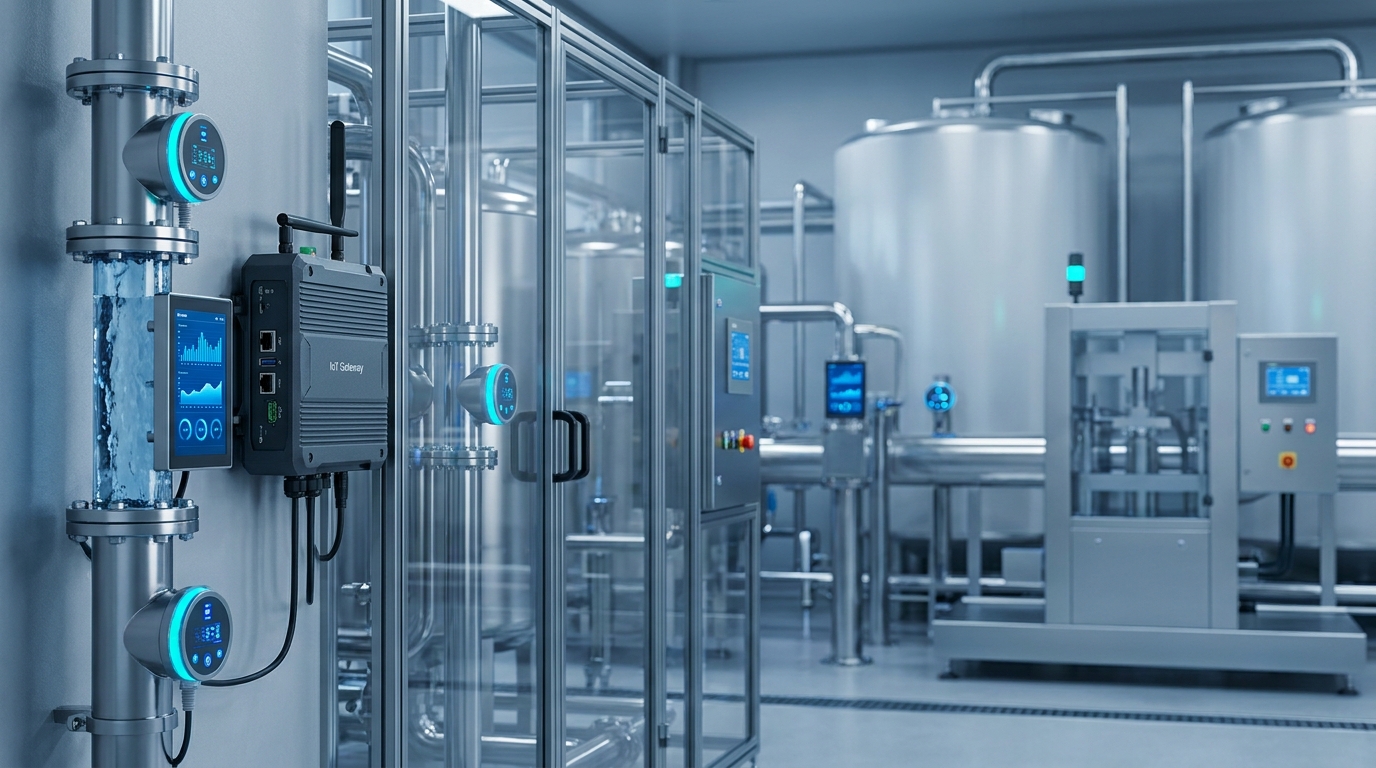
The implications of these residential advancements extend far beyond individual properties. Regulatory bodies are actively funding AI-driven monitoring frameworks to safeguard drinking water quality and optimize catchment management. Remote sensing tools are being deployed to detect contamination risks and infrastructure stress at higher frequencies, enabling proactive maintenance rather than reactive emergency repairs. However, municipal scaling requires robust, industrial-grade telemetry infrastructure capable of transmitting high-resolution data across vast, often harsh environments. The transition from smart home gadgets to city-wide water intelligence networks demands sensors with higher durability, broader measurement ranges, and seamless integration with legacy SCADA systems. Utilities face significant challenges in data standardization, cybersecurity, and interoperability, making the selection of open-architecture telemetry and hardened sensing hardware critical for long-term operational success.
Bridging Residential Innovation with Industrial Precision
In this rapidly evolving landscape, technology providers are strategically positioning themselves to bridge the gap between consumer accessibility and heavy infrastructure requirements. Companies operating in the industrial sensing space are developing precision instruments tailored for complex municipal and commercial applications. The LGF electromagnetic flowmeter delivers high-accuracy volumetric measurement in demanding pipeline networks, directly addressing the need for reliable baseline data that predictive AI models require. Meanwhile, the 80GHz visual fusion radar level sensor offers non-contact monitoring for open channels, treatment basins, and reservoirs, which is crucial for flood forecasting, stormwater management, and large-scale water resource allocation.
Perhaps most notably, advancements in subsurface diagnostics are addressing one of the sector's most persistent blind spots: underground infrastructure degradation. The multi-band Doppler flow radar represents a significant breakthrough, enabling the world's only underground pipe monitoring system integrated with visual cameras for real-time structural assessment. When paired with robust communication hardware like the HERO V9 RTU, which ensures low-latency, high-reliability data transmission across cellular and satellite networks, these solutions form a cohesive ecosystem that scales residential-grade intelligence to municipal and industrial standards. This integration allows utilities to move beyond simple leak alerts toward comprehensive asset lifecycle management, pressure optimization, and automated network balancing.
Economic and Regulatory Implications for the Global Sector
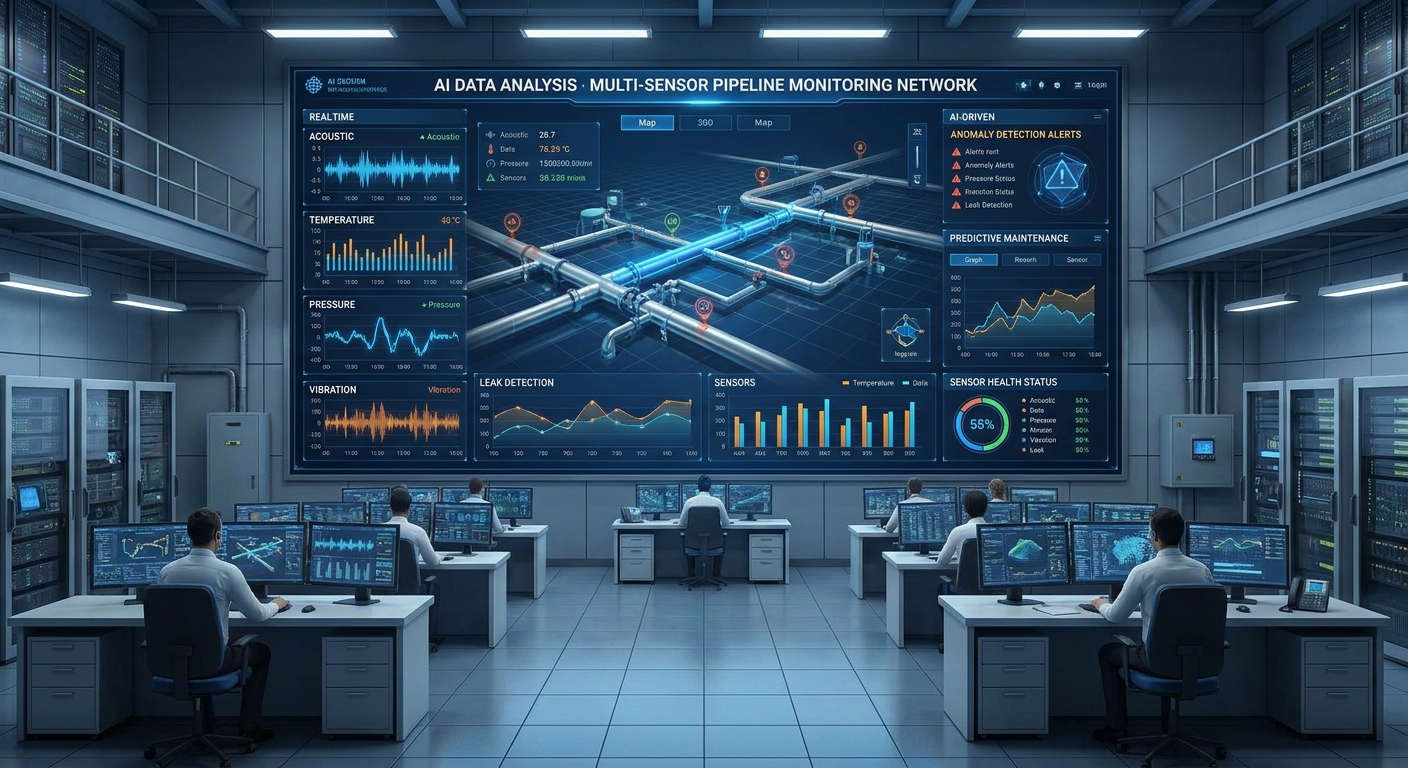
The broader sectoral impact is becoming increasingly visible across policy and financial markets. Water management is transitioning from isolated metering to interconnected cognitive networks. As AI models ingest richer, multi-dimensional datasets, utilities will progressively adopt autonomous leak isolation, dynamic pressure management, and predictive maintenance scheduling. Regulatory frameworks are beginning to mandate real-time reporting standards for large commercial properties, while property insurers are actively integrating smart water monitoring into premium structures and building codes. The convergence of affordable edge sensors, cloud analytics, and automated control systems will ultimately compress the timeline for infrastructure modernization, allowing aging networks to be upgraded incrementally rather than through costly, disruptive replacements.
Ultimately, the smart water revolution is no longer about simply tracking consumption volumes. It is about building a responsive, self-optimizing hydrological infrastructure that anticipates failures before they cascade into service disruptions or environmental damage. By harmonizing consumer accessibility with industrial precision, the global water sector is laying the groundwork for a future where every pipeline is continuously monitored, every anomaly is instantly diagnosed, and every network dynamically learns to operate with maximum efficiency and minimum waste.
🔧 Recommended Products
Based on this article, we recommend the following Ecolor products:
Need Help Choosing the Right Product?
Our engineering team is ready to provide free technical consultation and quotes