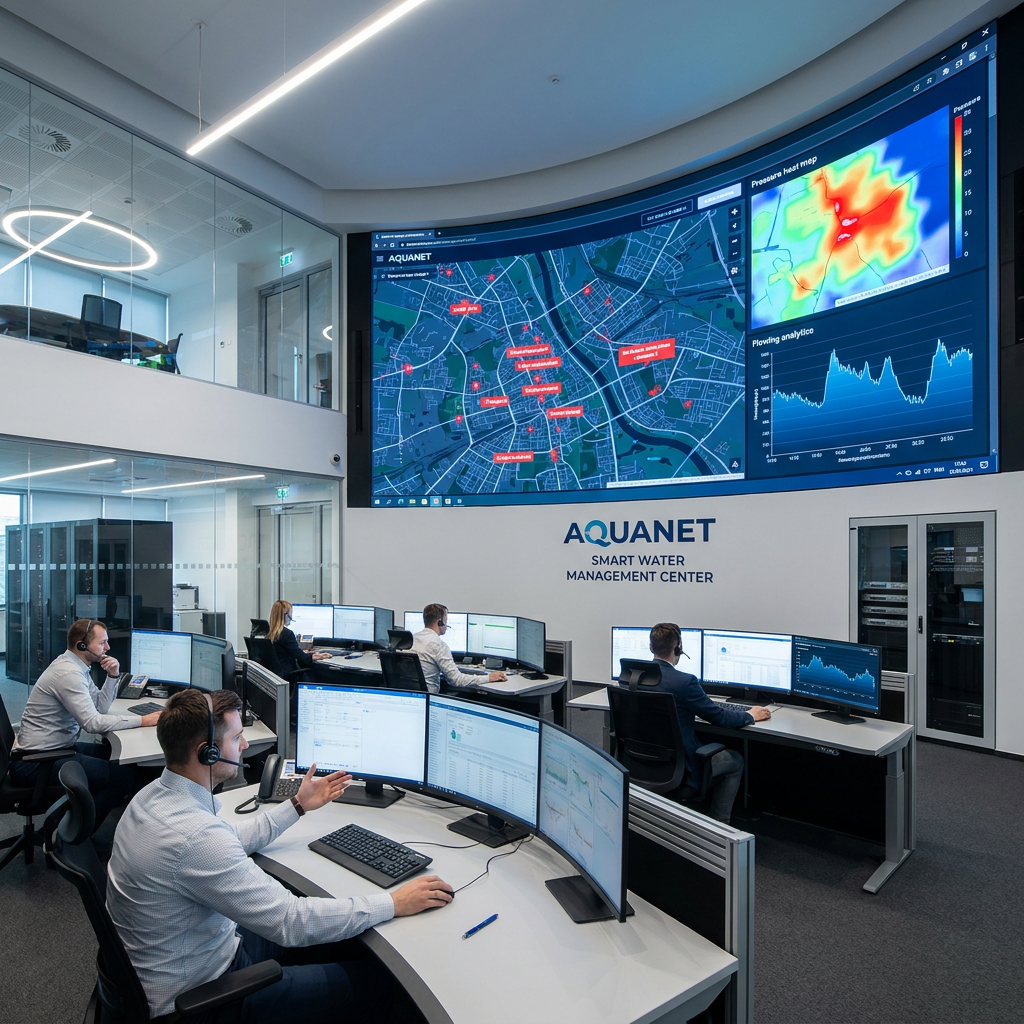
AI-Driven Water Network Leakage Intelligent Analysis and Precision Positioning Solution
Based on AI algorithms and DMA (District Metered Area) technology, achieve intelligent analysis, anomaly detection, and precision positioning of water network leakage, reducing leakage rate by 15%-30%.
Overview
Summary
Based on AI algorithms and DMA (District Metered Area) technology, achieve intelligent analysis, anomaly detection, and precision positioning of water network leakage, reducing leakage rate by 15%-30%.
Key Advantages
Challenges
- Traditional manual inspection takes 3-5 days on average
- Leakage rate remains high, exceeding 25% in some cities
- Lack of real-time monitoring, delayed leakage detection
- Leakage positioning relies on experience with large errors
Results
- Leakage identification accuracy reaches 92%+
- Positioning accuracy improved to ±5m
- Network leakage rate reduced by 15%-30%
- Anomaly response time shortened to within 30 minutes
Solution Details
AI-Driven Water Network Leakage Intelligent Analysis and Precision Positioning Solution
Water network leakage is a major challenge for water utilities. Traditional manual inspection is inefficient and inaccurate. This solution integrates AI algorithms, DMA metering, and minimum night flow analysis to build an intelligent leakage analysis and positioning system.
System Architecture: Intelligent Monitoring and AI Engine
Deploy electromagnetic flowmeters and clamp-on ultrasonic flowmeters at key network nodes. RTU collects real-time flow and pressure data. The AI engine trains leakage identification models based on historical data, combined with DMA flow balance analysis to automatically identify abnormal zones and calculate leakage positions.
Core Capabilities of the AI Leakage Identification Model
- Minimum night flow method for background leakage identification
- AI model learns network hydraulic characteristics to predict leakage probability
- Multi-source data fusion (flow+pressure+acoustic) improves positioning accuracy to ±5m
- Real-time anomaly alerts with automatic work order dispatch
Key Technical Parameters and Performance
Positioning Accuracy
±5m
Data Sources
Flow + Pressure + Acoustic
Detection Method
Minimum Night Flow
Alert Type
Real-time Anomaly
Dispatch
Automatic Work Order
AI Model
Hydraulic Learning
Applications in Smart Water Management
- Urban water utilities
- Industrial park water management
- Aging pipeline renovation
- Smart water platform construction
Approach
How we implement intelligence into your infrastructure step by step.
Network Data Collection
Deploy flowmeters and pressure sensors at key nodes, RTU uploads data in real-time
DMA Zone Modeling
Define metering zones, establish flow balance analysis models
AI Model Training
Train leakage identification and positioning models based on historical data
Real-time Monitoring
AI engine continuously analyzes, automatically alerts and positions anomalies
Work Order Management
Alerts automatically dispatch work orders, repair feedback optimizes models
Recommended Hardware
Essential components for this solution.
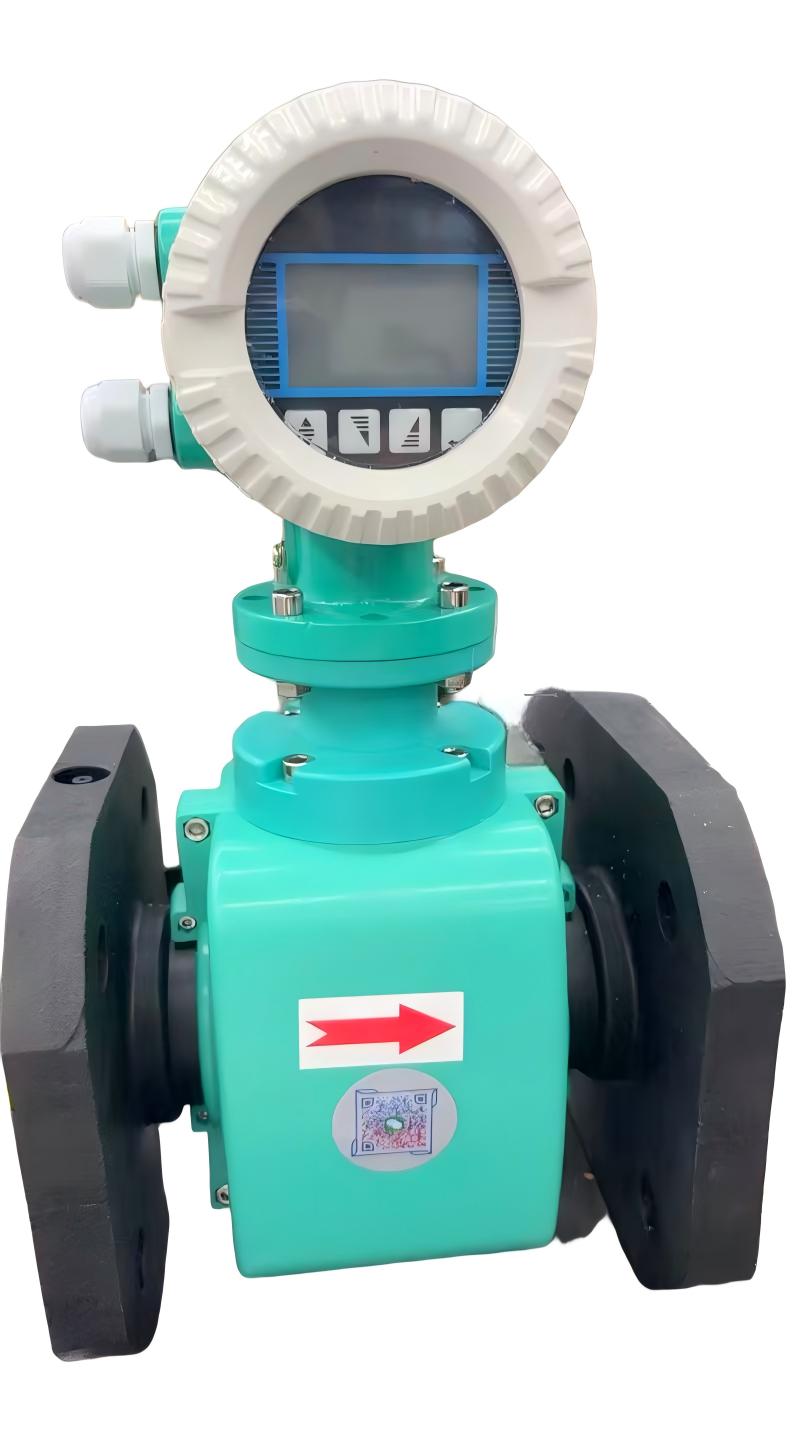
LGF Integrated Electromagnetic Flowmeter
Ecolor's self-developed aerospace polymer material electromagnetic flowmeter is suitable for flow me...
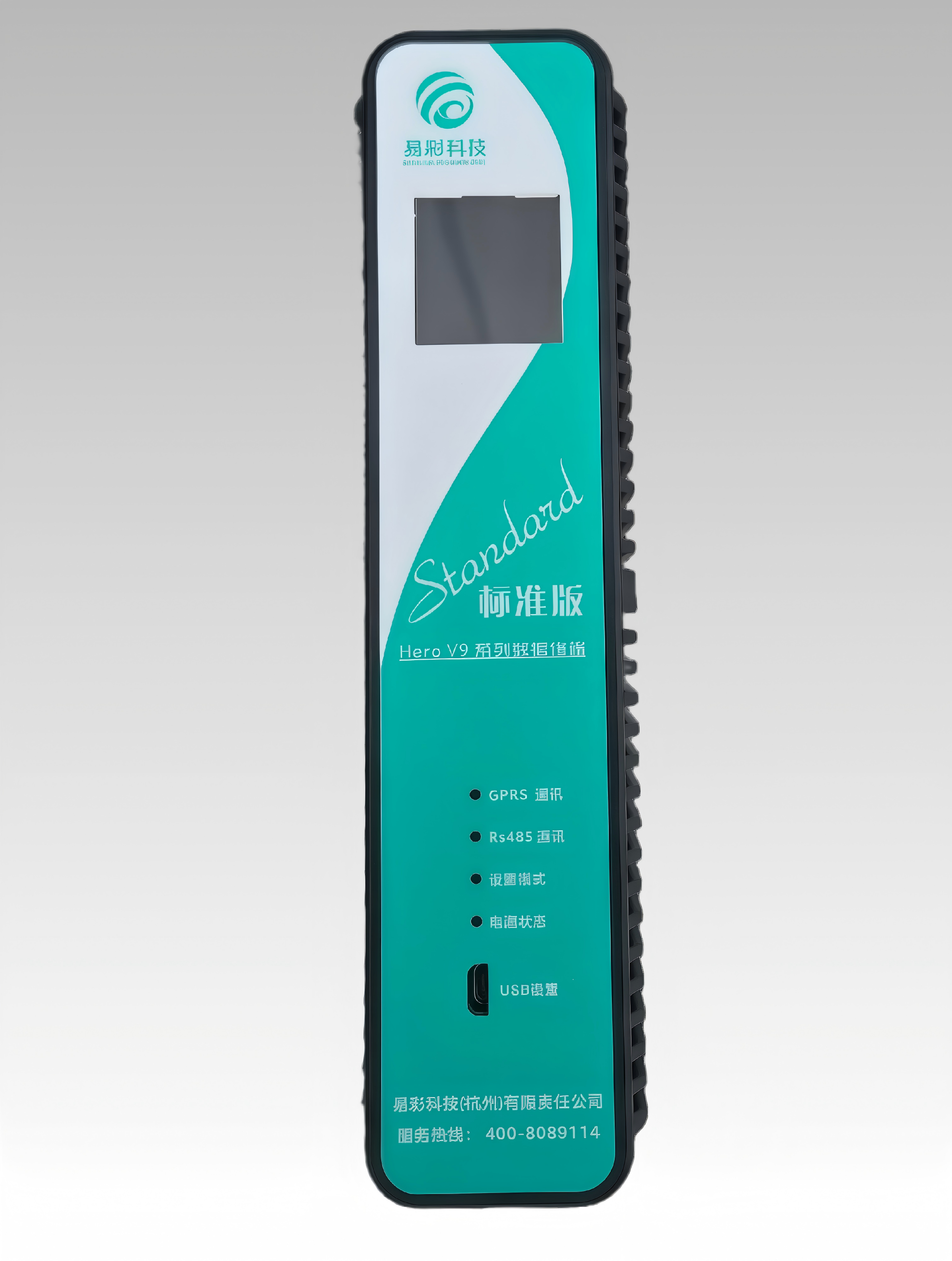
HERO V9-EC32 Hydrology RTU | Remote Terminal Unit
This product has the functions of remote data collection, control and communication. It can receive ...
❓ Related FAQs
Related Solutions
High-Density Doppler Radar Flow Monitoring for Urban Drainage — Whitepaper Solution
Low-Cost DMA District Metering Rapid Deployment System
Urban Drainage Pipeline Downhole Non-Contact Sensing System Architecture Whitepaper

Ready to Optimize Your Business?
Contact us, and our professional team will provide customized solutions to help your business achieve digital transformation.
Get In Touch