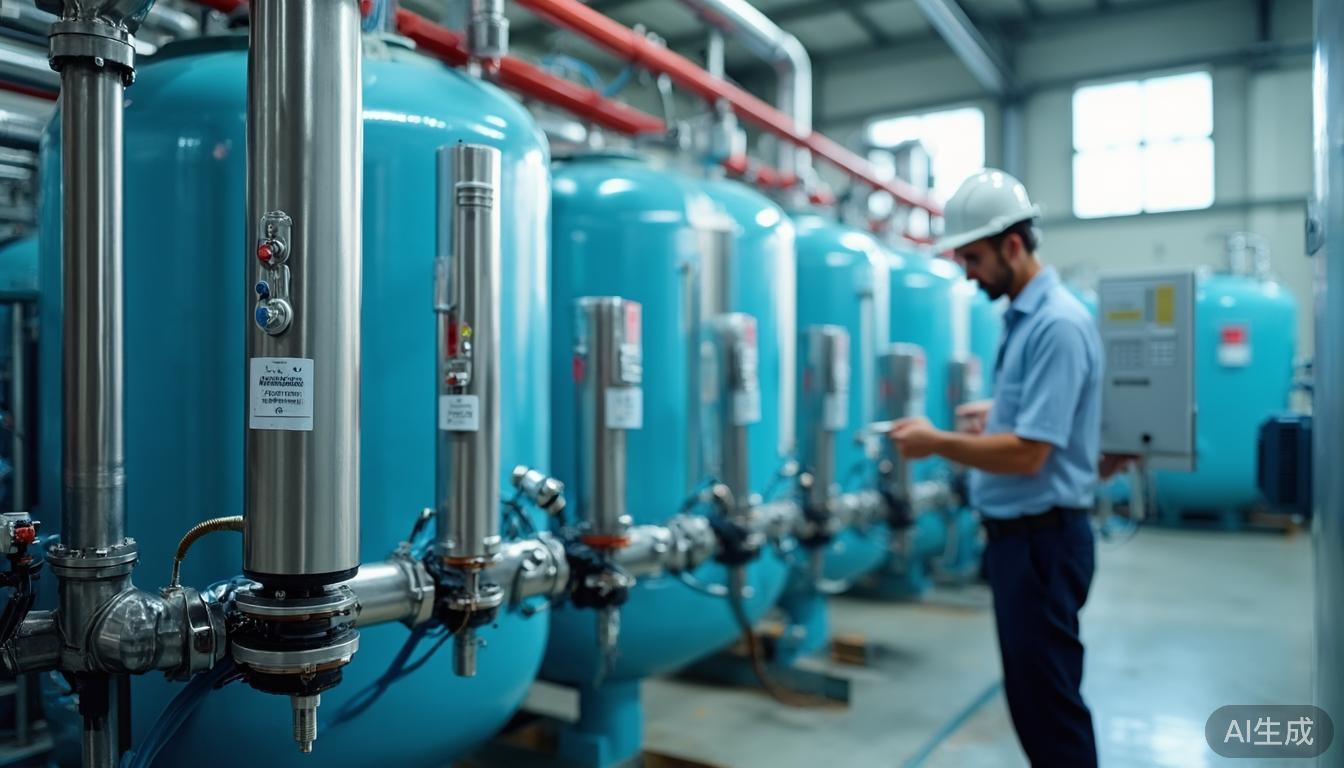
Conductivity Meter Application for Online Product Water Quality Monitoring in RO Seawater Desalination
Addressing the pain points of reverse osmosis seawater desalination - delayed detection of product water quality excursions, difficulty locating leaking membrane elements, experience-based chemical cleaning schedules, slow interlock response to off-spec water, and lack of cross-rack comparison - this solution is built around online conductivity meters: a two-tier measuring network on the product water header and each membrane rack branch captures conductivity transients within microseconds to detect membrane damage and O-ring leaks at the first moment; automatic temperature compensation eliminates seasonal seawater temperature drift from readings; lateral comparison of branch conductivities quickly isolates the abnormal rack for targeted shutdown and element replacement; long-term conductivity trends drive clean-in-place decisions from calendar-based to condition-based cleaning, extending membrane life; off-spec signals directly interlock the dump valve and high-pressure pumps so non-compliant water never enters the clean water tank. With the Ecolor IoT platform for data aggregation, alarm push and historical traceability, the system provides desalination plants with a continuous, trustworthy water quality defense line.
Overview
Summary
Addressing the pain points of reverse osmosis seawater desalination - delayed detection of product water quality excursions, difficulty locating leaking membrane elements, experience-based chemical cleaning schedules, slow interlock response to off-spec water, and lack of cross-rack comparison - this solution is built around online conductivity meters: a two-tier measuring network on the product water header and each membrane rack branch captures conductivity transients within microseconds to detect membrane damage and O-ring leaks at the first moment; automatic temperature compensation eliminates seasonal seawater temperature drift from readings; lateral comparison of branch conductivities quickly isolates the abnormal rack for targeted shutdown and element replacement; long-term conductivity trends drive clean-in-place decisions from calendar-based to condition-based cleaning, extending membrane life; off-spec signals directly interlock the dump valve and high-pressure pumps so non-compliant water never enters the clean water tank. With the Ecolor IoT platform for data aggregation, alarm push and historical traceability, the system provides desalination plants with a continuous, trustworthy water quality defense line.
Key Advantages
Challenges
- Delayed detection of quality excursions: infrequent manual sampling with large time lags means conductivity rises from membrane leaks may go undetected for hours or days, and off-spec water may already have entered the clean water tank and supply network
- Hard-to-locate membrane leaks: an RO train contains a large number of membrane elements; once header quality goes off-spec there is no way to tell which rack is leaking, and sequential shutdown inspection costs time and production
- Temperature interference: seawater temperature varies greatly by season, so uncompensated conductivity readings drift at baseline and genuine quality deterioration cannot be told apart from temperature effects
- Experience-based CIP scheduling: calendar cleaning wastes chemicals and ages membranes early, while experience-based cleaning may miss the optimal window - fouling worsens, energy rises and membrane life shortens
- Slow off-spec interlock response: relying on operators watching screens and manually switching to dump creates a long response chain and a risk window in which off-spec water can enter the clean water tank
Results
- 24/7 continuous product water monitoring: the header-plus-branch tiered network captures conductivity transients within microseconds, cutting membrane leak detection from hours to seconds and keeping off-spec water out of the clean water tank
- Precise abnormal-rack localization: lateral comparison of branch conductivities automatically locks onto the rack deviating from its peer group, narrowing inspection from hundreds of elements to a single rack and greatly shortening downtime
- Temperature compensation eliminates baseline drift: built-in temperature sensors and automatic compensation normalize readings to reference temperature, so seasonal seawater temperature swings no longer distort quality judgment and alarm thresholds stay valid year-round
- Condition-based cleaning extends membrane life: long-term conductivity trends quantify fouling accumulation, moving CIP from calendar-based to condition-based - lower chemical consumption, longer membrane life and stable energy use
- Second-level off-spec interlock protection: over-limit conductivity signals directly interlock the dump valve and high-pressure pumps, diverting off-spec water instantly without relying on manual response - the safety line moves upstream
Solution Details
Online Conductivity Monitoring for RO Seawater Desalination Product Water Quality
Reverse osmosis (RO) seawater desalination is one of the most important incremental water sources for water-stressed coastal regions, and product water quality - represented by conductivity and salinity - directly determines municipal supply safety and the protection of industrial users' equipment. Membrane elements operate under multiple stresses of high pressure, high salinity and biofouling; micro-tears in membrane sheets, aged O-ring seals or abnormal product water back pressure all allow salt passage, raising product water conductivity. Traditional manual sampling and lab analysis are infrequent and lagging: a membrane leak may go undetected for hours or even days, during which off-spec water may already have entered the clean water tank and distribution network. Chemical cleaning timing is mostly based on operator experience or fixed schedules - cleaning too early wastes chemicals and accelerates membrane aging, while cleaning too late allows fouling to worsen and energy consumption to rise.
Tiered Continuous Conductivity Monitoring System Architecture
This solution deploys online conductivity meters to build a tiered continuous monitoring system for RO desalination product water quality. A high-accuracy conductivity meter on the product water header serves as the compliance checkpoint, while branch conductivity meters on each membrane rack form a per-rack sensing network: electrodes of corrosion-resistant materials in streamlined housings are inserted directly into the product water piping for continuous measurement, capturing conductivity transients within microseconds. Built-in temperature sensors and automatic temperature compensation algorithms normalize readings to the reference temperature, eliminating baseline drift caused by winter-summer seawater temperature differences. Lateral comparison of branch data against the header and the peer group flags any rack whose conductivity deviates significantly as abnormal, allowing O&M staff to precisely isolate, inspect and replace the faulty elements - narrowing the search from hundreds of membrane elements to a single rack.
Operational Optimization and Interlock Protection
The system uses long-term conductivity trends to drive operational optimization: a slow rise in product water conductivity indicates accumulating membrane fouling or scaling and triggers condition-based clean-in-place (CIP) decisions; the post-cleaning conductivity recovery quantifies cleaning effectiveness and membrane health. When conductivity exceeds the limit, the signal directly interlocks the product water dump valve and high-pressure pumps so off-spec water is diverted instantly and never enters the clean water tank - second-level interlock protection independent of manual watch. Measurements are aggregated via RS485 (Modbus) into the PLC/DCS and the Ecolor IoT platform, producing product water quality history curves, alarm push and compliance reports that support water quality traceability and operational assessment for desalination plants and their customers.
Key Features of the Online Conductivity Meter Solution
- High accuracy with microsecond response: electrode-based measurement responds to product water conductivity transients within microseconds, capturing membrane damage and O-ring leak signals at the first moment
- Automatic temperature compensation: built-in temperature sensors measure water temperature in real time and compensate by standard algorithms, eliminating baseline drift from seasonal seawater temperature differences
- Corrosion-resistant industrial electrodes: electrodes of corrosion-resistant materials in streamlined housings suit the low-conductivity, continuous-duty conditions of desalination product water
- Tiered branch measurement network: a two-tier network of header compliance points and per-rack sensing points enables lateral comparison to quickly locate abnormal branches for precise isolation and replacement
- Standard industrial interfaces: RS485 (Modbus) / 4-20mA outputs connect directly to PLC/DCS and the Ecolor IoT platform, with interlock logic executed closed-loop on the control side
- Integrated local display and remote monitoring: industrial LCD local readout on site while the platform shows history curves, alarm push and compliance reports simultaneously - watch duty and traceability in one
Conductivity Monitoring Specifications at a Glance
Microsecond
Transient Response
2-Tier
Header + Per-Rack Network
ATC
Automatic Temperature Compensation
RS485 / 4-20mA
PLC/DCS & IoT Interfaces
Second-Level
Interlock Protection
Corrosion-Resistant
Industrial Electrodes
Application Scenarios for RO Desalination Conductivity Monitoring
- Municipal seawater desalination plants requiring continuous product water quality compliance verification
- Industrial users relying on desalinated product water who need protection of downstream equipment from salt passage
- Membrane rack diagnostics and fault isolation to narrow inspection from hundreds of elements to a single rack
- Condition-based CIP scheduling driven by long-term conductivity trends and post-cleaning recovery assessment
- Water quality traceability and operational assessment programs supported by history curves, alarm push and compliance reports
? 参考来源
- Product description provided by the manufacturer for the online conductivity meter solution for RO seawater desalination product water quality monitoring.
Approach
How we implement intelligence into your infrastructure step by step.
Measurement point planning and instrument selection
Map the RO product water process: determine installation positions of the header compliance point and each membrane rack branch sensing point; select conductivity meters with suitable range and cell constant for product water conductivity (typically tens to hundreds of uS/cm), verify pipe material, pressure rating and mounting style, and produce a point list and selection ledger.
Installation, integration and commissioning
Install conductivity meters on the product water header and branch piping with proper grounding and shielded wiring; connect RS485 (Modbus) or 4-20mA signals to the PLC/DCS; configure device access and data channels on the Ecolor IoT platform; perform interlock tests of the dump valve and high-pressure pumps to confirm millisecond-level signal chain integrity.
Baseline establishment and threshold configuration
Continuously collect baseline conductivity data of each branch and the header; set header compliance thresholds and branch lateral-comparison deviation thresholds against the design product water specification; enable automatic temperature compensation, verify reading stability across winter-summer conditions, and configure tiered alarm strategies (warning / over-limit / interlock).
Operation monitoring and anomaly handling
Monitor header and branch conductivity curves in real time on the platform; any rack deviating significantly from its peer group is automatically flagged with alarm push; O&M follows the procedure to isolate the abnormal branch, inspect and replace faulty elements, and writes the handling result back to the platform for a closed-loop record.
Trend analysis and cleaning optimization
Use long-term conductivity trends to quantify membrane fouling accumulation and guide condition-based CIP decisions; compare pre- and post-cleaning conductivity recovery to assess cleaning effectiveness and membrane health; issue quarterly RO system operation assessment reports to support membrane replacement planning and operating cost optimization.
Recommended Hardware
Essential components for this solution.
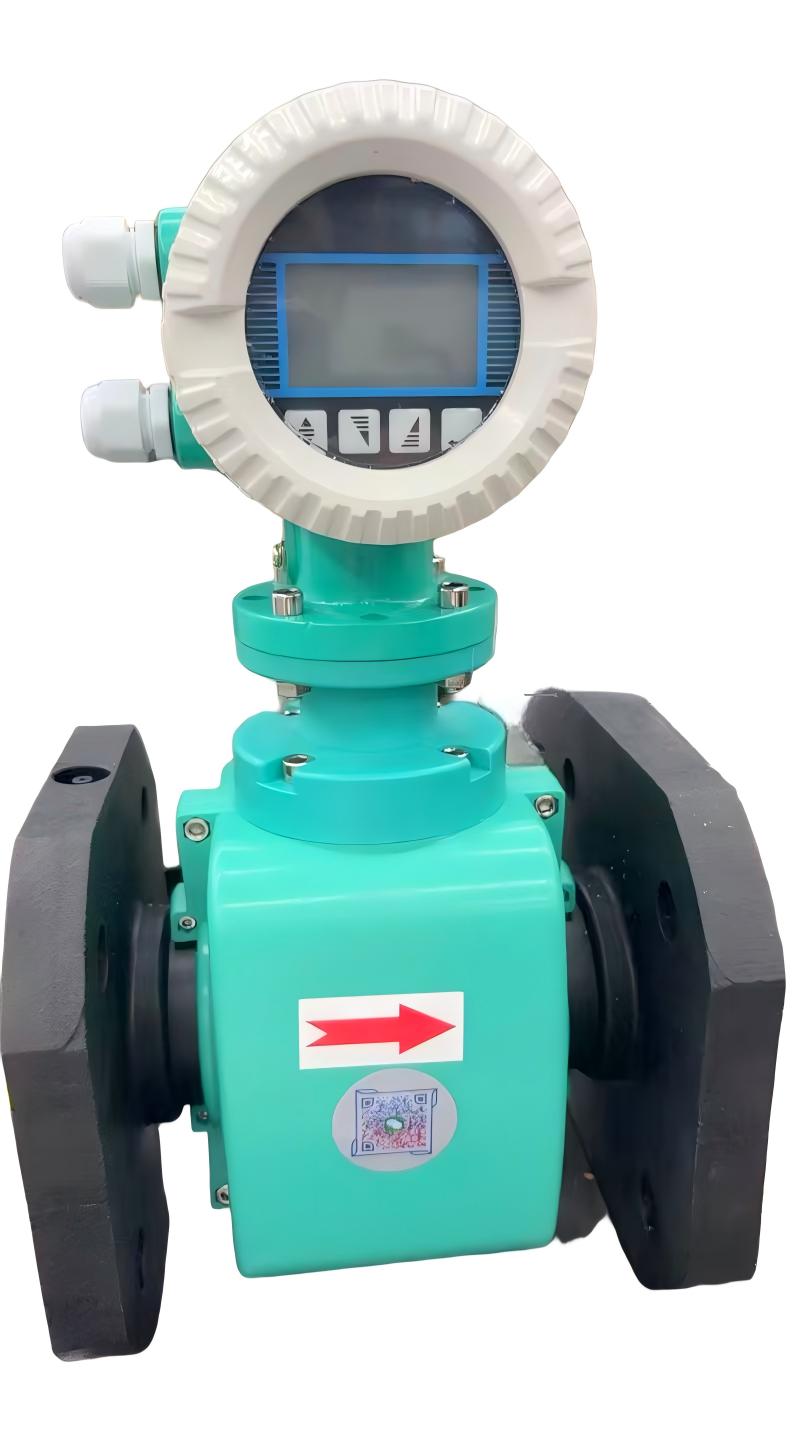
LGF Integrated Electromagnetic Flowmeter
Ecolor's self-developed aerospace polymer material electromagnetic flowmeter is suitable for flow me...
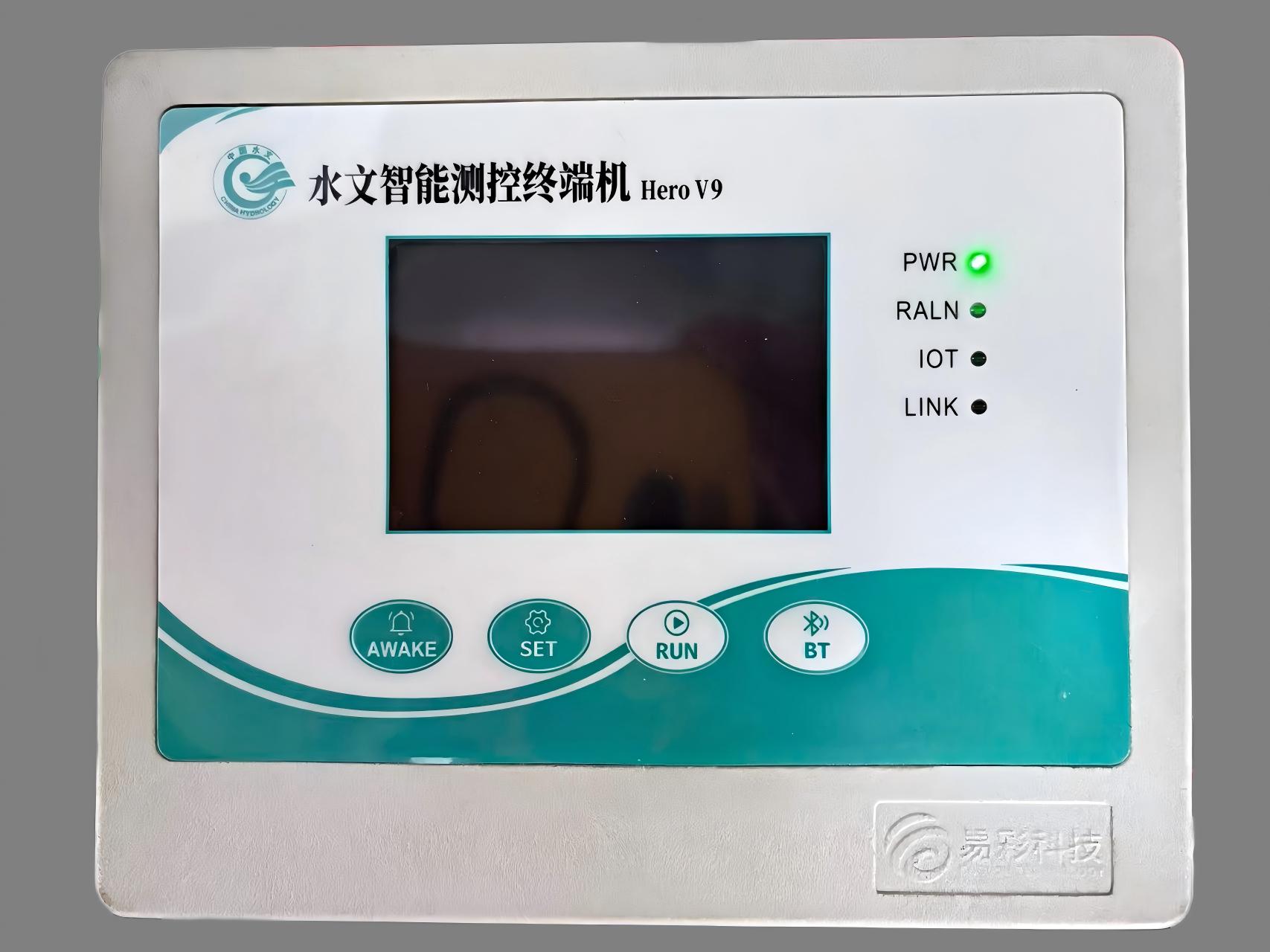
Hydrological Intelligent Monitoring and Control Terminal (Hero V9 Series - EC32)
The Hydrological Intelligent Monitoring and Control Terminal (Hero V9 Series - EC32), independently ...
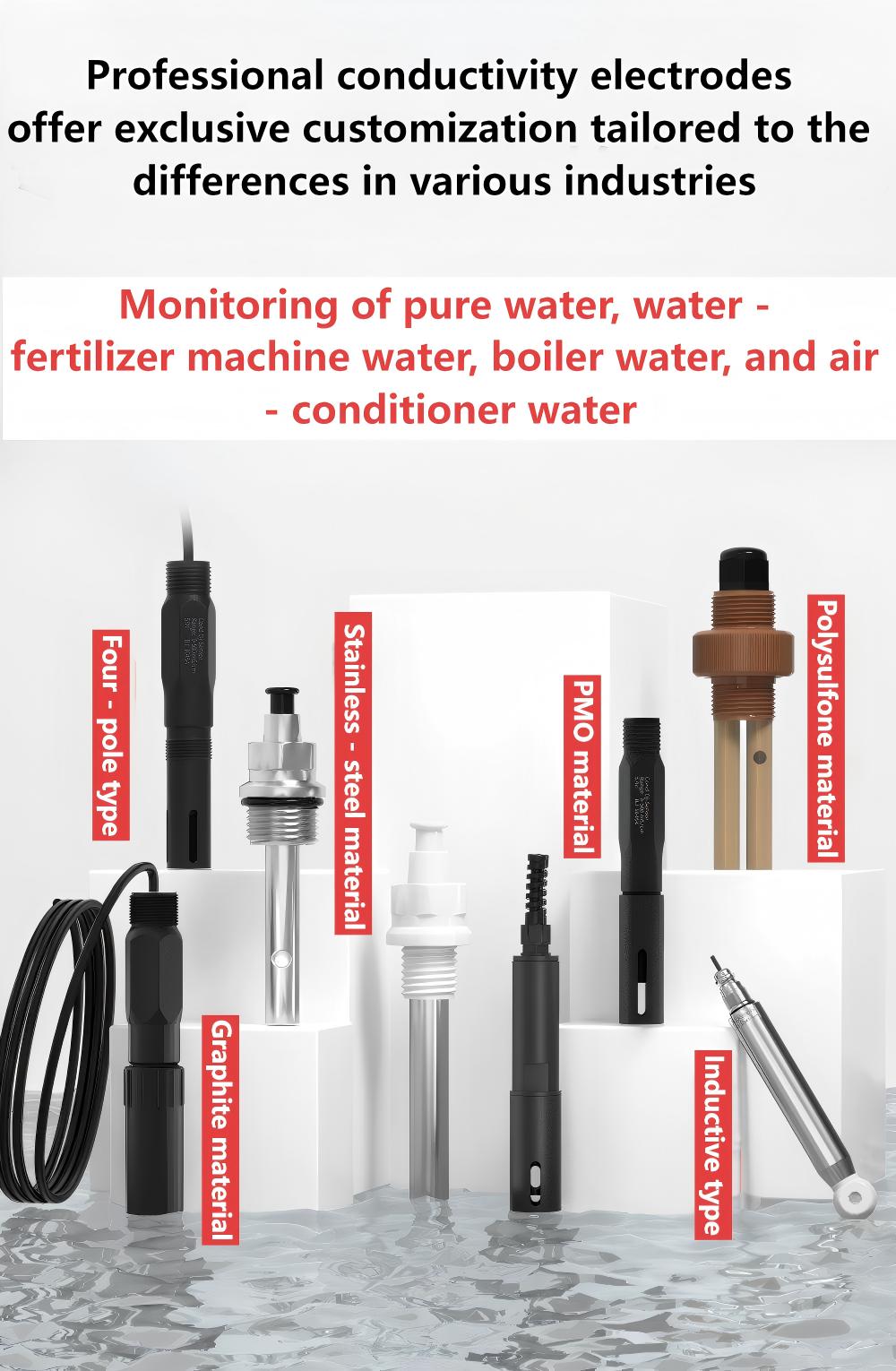
Conductivity Meter
This conductivity meter is widely used in thermal power, chemical fertilizer, metallurgy, environmen...
❓ Related FAQs
Related Solutions
pH/ORP Meter Application for Precision ORP Control of Chlorine Disinfection in Drinking Water Treatment Plants
Submersible Turbidity Electrode Solution for Sedimentation Tank Effluent and Filter Run Turbidity Monitoring
Flow-Through Turbidity Meter Solution for Filter Backwash Monitoring in Water Treatment Plants

Ready to Optimize Your Business?
Contact us, and our professional team will provide customized solutions to help your business achieve digital transformation.
Get In Touch