
Mechanical Water Meter Solution for Household Metering in Rural Centralized Water Supply Projects
Targeting the pain points of household metering in rural centralized water supply projects - widely dispersed metering points, costly manual reading, winter freezing risk and difficult tariff collection - this solution is built around an electromechanically separated mechanical water meter with Class 2 accuracy and IP68-III protection, combined with NB-IoT remote reading or IC-card prepayment, delivering transparent water billing with a lithium battery life of over 8 years, no external power supply, and low construction and lifecycle O&M costs for large-scale rural household metering.
Overview
Summary
Targeting the pain points of household metering in rural centralized water supply projects - widely dispersed metering points, costly manual reading, winter freezing risk and difficult tariff collection - this solution is built around an electromechanically separated mechanical water meter with Class 2 accuracy and IP68-III protection, combined with NB-IoT remote reading or IC-card prepayment, delivering transparent water billing with a lithium battery life of over 8 years, no external power supply, and low construction and lifecycle O&M costs for large-scale rural household metering.
Key Advantages
Challenges
- Costly and lagging manual reading: rural supply covers thousands of households with widely dispersed metering points; door-to-door reading takes long cycles and heavy labor, and delayed or erroneous data undermines billing and leakage analysis
- Winter freezing threatens operation: meter pits and exposed pipes freeze in northern winters; ordinary meters crack and leak, causing concentrated spring maintenance and lost metering data
- Weak power grid and network conditions: unstable power supply and poor 4G coverage in mountainous villages make externally powered instruments impractical for mass deployment, while wired reading systems are expensive to build and maintain
- Difficult collection and high arrears: post-paid billing relies on manual collection; high rural population mobility and varying payment awareness keep arrears rates high and strain the operating cash flow of supply stations
- Large meter base sensitive to lifecycle cost: rural projects have tight per-household budgets, and the total cost of purchase, installation, verification, battery replacement and failure replacement determines overall project economics
Results
- Household metering accuracy reaches Class 2 trade-settlement level; minimum reading 0.01 m3 and maximum reading 9999.99 m3 meet long-term rural household needs, giving tiered tariff policies a reliable data base
- In NB-IoT remote-reading mode the automatic reading rate exceeds 98%, manual reading costs drop sharply, and abnormal flows such as elevated night minimum flow or continuous flow from pipe bursts are detected and dispatched within 24 hours
- In IC-card prepayment mode, one non-replicable card per meter lets users top up proactively; recovery rates improve markedly, station cash flow turns positive, and billing disputes are largely eliminated
- IP68-III protection and the low-temperature-resistant design keep meters running reliably inside pits; freeze-related failures drop markedly and replacement and maintenance costs decline year over year
- The lithium battery lasts over 8 years, covering the mandatory verification cycle; the electromechanically separated design lets the electronic module be replaced alone, so per-household lifecycle cost is far below active metering solutions
Solution Details
Mechanical Water Meter Solution for Rural Centralized Water Supply Projects
Rural centralized water supply projects cover widely dispersed natural villages with significant elevation differences, and household metering is the “last mile” of tariff collection and leakage control. In rural settings the traditional reading-and-billing model faces multiple difficulties: metering points are scattered across thousands of households, making manual door-to-door reading costly, slow and error-prone; meter pits and exposed pipes freeze in northern winters; weak power grids and poor network coverage in mountainous areas prevent mass deployment of externally powered instruments; and post-paid collection suffers from high arrears rates that strain station cash flow.
Core Design: Electromechanically Separated Mechanical Water Meter
This solution takes an electromechanically separated mechanical water meter as its core: impeller-based mechanical metering requires no external power, Class 2 accuracy meets household trade-settlement requirements, and IP68-III protection with a low-temperature-resistant design ensures long-term operation in submerged or frost-prone meter pits. The metering mechanism and electronic module are separated, so the electronic unit can be replaced without touching the meter body or interrupting metering. On this basis two modes are flexibly configured: NB-IoT/4G remote reading automatically uploads consumption data and alarms, supporting tiered tariffs and leakage analysis; or IC-card prepayment with one non-replicable card per meter solves collection problems at the source. The lithium battery lasts over 8 years with a static current of only 10 μA, making the full-lifecycle cost far lower than active metering solutions.
Key Features of the Mechanical Water Meter Solution
- Electromechanical separation: the impeller mechanical metering module is fully separated from the electronic reading/prepayment module, which can be replaced independently without interrupting metering continuity, sharply cutting O&M cost
- Two communication modes: NB-IoT/4G remote reading or T5577 IC-card prepayment; simple networking without data collectors, low module power consumption and wide signal coverage suit weak-grid, weak-network mountain areas
- Trade-settlement accuracy: Class 2 accuracy, minimum reading 0.01 m3, pressure loss class Δp63, maximum permissible pressure 1.6/1.0 MPa - balancing metering accuracy with network safety
- Industrial protection and frost resistance: IP68-III allows long-term immersion in flooded meter pits; low-temperature-resistant design with T30/T50 temperature classes suits northern winters; E1 electromagnetic environment class keeps readings stable near rural power lines and transformers
- Ultra-low power and long life: DC 3.6 V lithium battery with static current ≤10 μA and life over 8 years, covering the verification cycle with no mid-life battery replacement
- Prepayment security: IC cards are one-per-meter and non-replicable with a service life of 100,000+ cycles, supporting card top-up and balance reminders to solve rural collection problems at the source
Technical Specifications at a Glance
Accuracy Class
Class 2
Minimum Reading
0.01 m³
Protection Rating
IP68-III
Battery Life
>8 Years
Static Current
≤10 μA
Max Permissible Pressure
1.6/1.0 MPa
Pressure Loss Class
Δp63
Temperature Classes
T30/T50
EMC Class
E1
Application Scenarios for Rural Household Metering
The mechanical water meter solution is purpose-built for household metering in rural centralized water supply projects, particularly in widely dispersed natural villages with significant elevation differences, weak power grids and poor network coverage. Whether deployed with NB-IoT/4G remote reading for automated tiered tariff and leakage analysis, or with IC-card prepayment to eliminate arrears at the source, the solution delivers reliable, long-life metering in submerged, frost-prone and electrically noisy rural environments.
? References
- Original product description: Mechanical Water Meter Solution for Household Metering in Rural Centralized Water Supply Projects
- Product features and technical specifications as provided by the manufacturer
Approach
How we implement intelligence into your infrastructure step by step.
Project survey and metering ledger
Survey household counts, pipe diameters, water pressure, pit or indoor installation conditions, winter extreme temperatures and NB-IoT/4G signal coverage; build a household-by-household ledger and decide the mix of remote-reading and IC-card prepayment modes.
Size and model selection
Select DN15-DN25 meters for household branches with Class 2 accuracy matched to operating flow; choose temperature class (T30/T50) and protection level by installation environment; verify NB base-station signal village by village and fall back to IC-card mode where signal is weak.
Standardized installation and frost protection
Install meters horizontally per flow direction with adequate upstream and downstream straight pipe; use insulated pit covers and thermal fill, and heat-trace exposed sections; pressure-test and commission household by household with installation records.
Platform networking and tariff setup
Batch-register NB-IoT meters on the rural water supply management platform with tiered tariffs, automatic reading cycles and night-minimum-flow leak alarms; for IC-card mode, set up village-level top-up points and issue registered cards bound to user profiles.
O&M and periodic verification
Keep ledgers of readings and battery voltage; analyze supply-versus-sales water balance quarterly to locate village-level leakage; rotate meters per the mandatory verification regulation (first verification on expiry, limited to 6 years for household cold-water meters); replace only the electronic module on failure and archive the full metering history.
Recommended Hardware
Essential components for this solution.
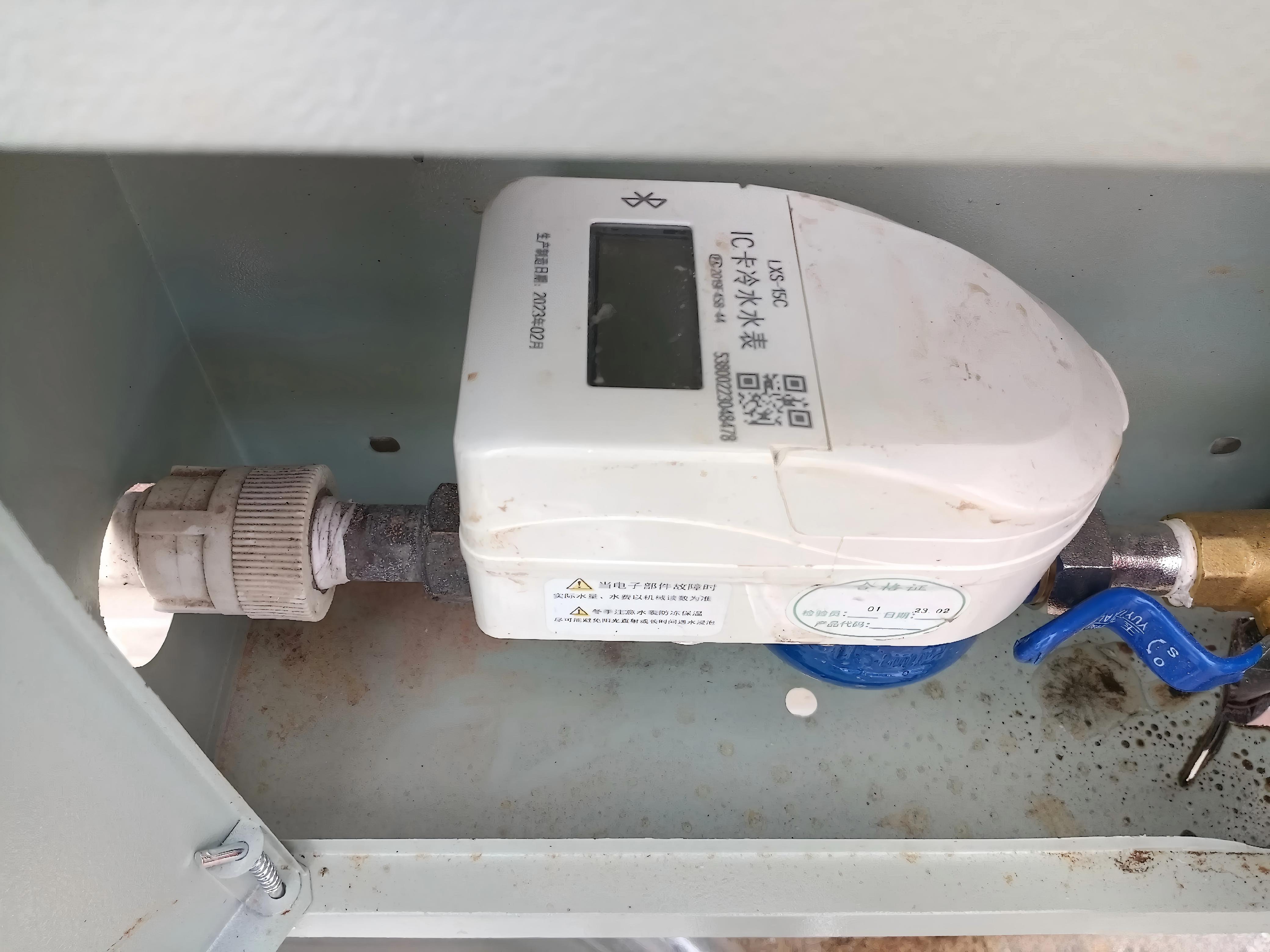
Mechanical Water Meter
A mechanical water meter is a traditional flow measurement instrument primarily used to measure the ...
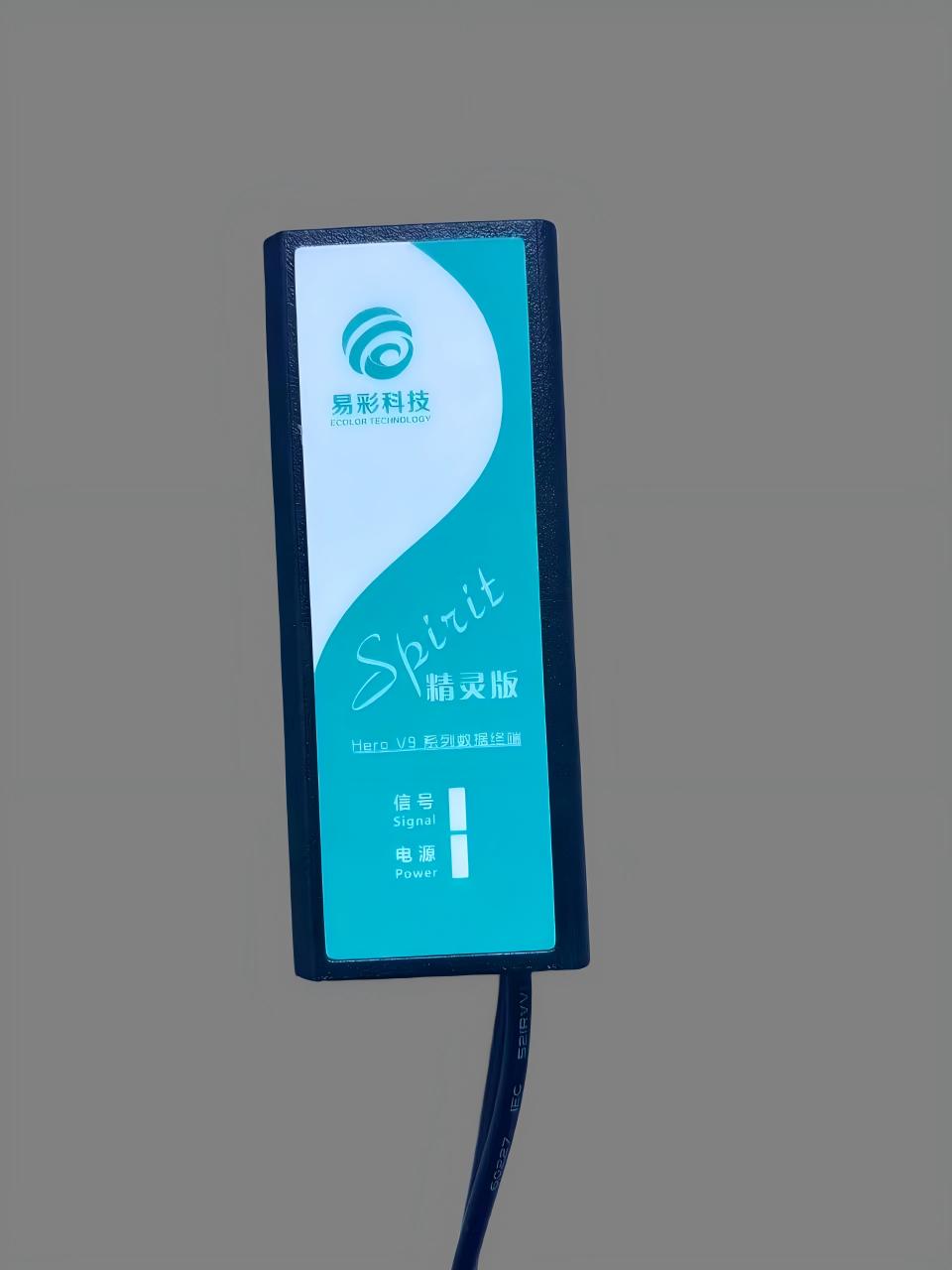
Measurement and Control Terminal (Hero V9 Series - EC60)
The Measurement and Control Terminal (Hero V9 Series - EC60) is a meticulously developed terminal pr...

Ultrasonic Water Meter
The ultrasonic water meter is a new type of water meter that measures and displays flow based on the...
❓ Related FAQs
Related Solutions
Split-Type Electromagnetic Flow Meter Solution for Pump Stations with High Humidity and Heavy Vibration
Inline Ultrasonic Flow Meter Solution for Pump Station Discharge Metering and Pump Efficiency Testing
Doppler Ultrasonic Flow Meter Solution for Flow Monitoring in Partially Filled Municipal Drainage Conduits

Ready to Optimize Your Business?
Contact us, and our professional team will provide customized solutions to help your business achieve digital transformation.
Get In Touch