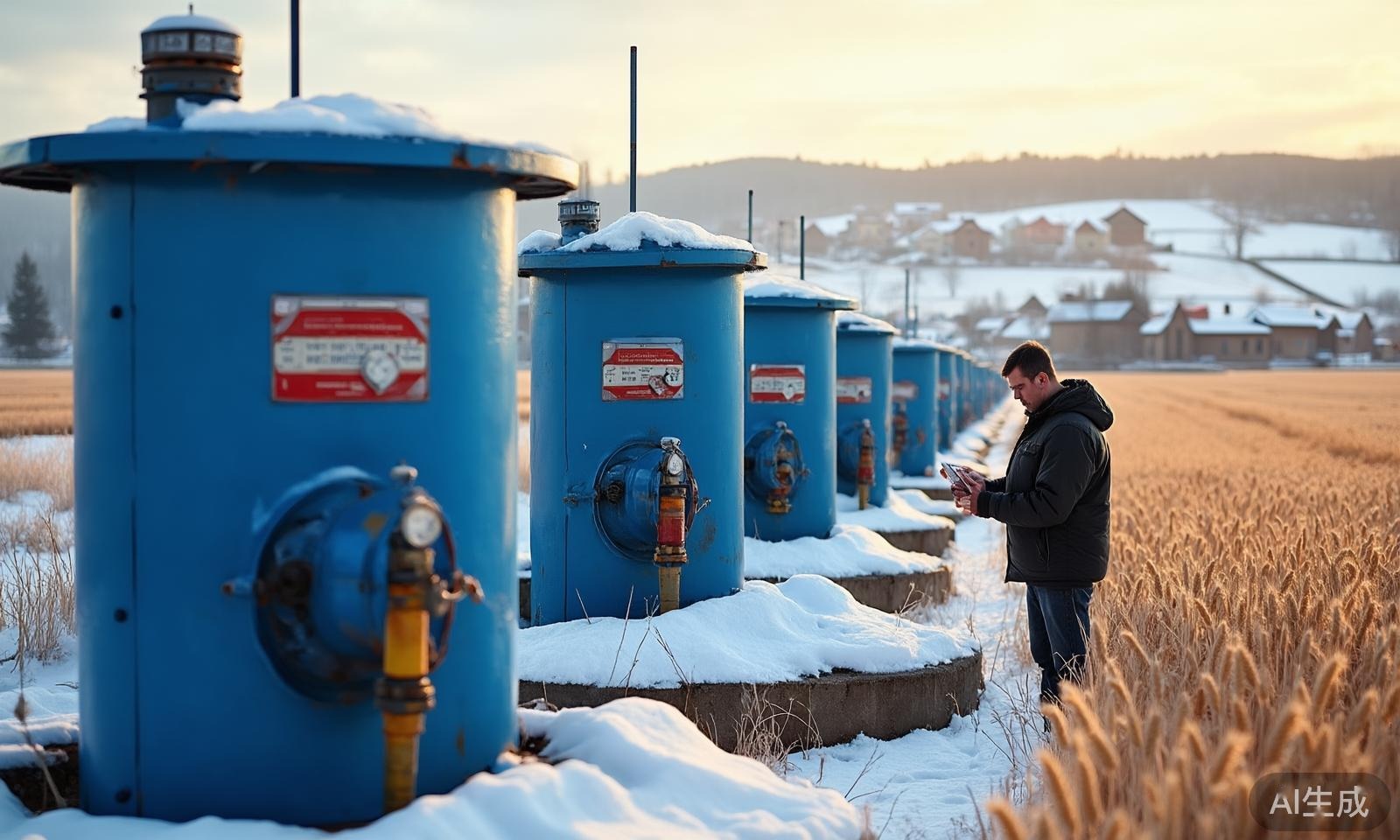
Mechanical Water Meter Application for Total Volume Control and Tiered Water Pricing in Rural Water Conservancy
Addressing the pain points of rural water conservancy - total water use control that never reaches individual users, tiered water pricing without metering support, estimated water fee collection with frequent disputes, high manual meter-reading costs across scattered wells, and late detection of over-abstraction - this solution uses robust mechanical water meters as the core metering unit: DN50-DN300 mechanical meters are installed at every tubewell outlet and every household offtake so that volume control quotas are allocated and metered down to the user; cumulative readings serve as the legal metering basis for three-tier water pricing with automatic over-quota surcharge calculation, making fee collection transparent and disputes sharply reduced; mechanical meters run without external power, tolerate sandy water and freezing winters, and suit the harsh unattended conditions of rural wells; paired with RTU terminals that freeze and upload readings over 4G/NB-IoT to the Ecolor IoT platform, the system delivers quota warnings, over-limit lockout and remote valve control, putting the strictest water resource management regime and agricultural water pricing reform into practice at the last mile of rural irrigation districts.
Overview
Summary
Addressing the pain points of rural water conservancy - total water use control that never reaches individual users, tiered water pricing without metering support, estimated water fee collection with frequent disputes, high manual meter-reading costs across scattered wells, and late detection of over-abstraction - this solution uses robust mechanical water meters as the core metering unit: DN50-DN300 mechanical meters are installed at every tubewell outlet and every household offtake so that volume control quotas are allocated and metered down to the user; cumulative readings serve as the legal metering basis for three-tier water pricing with automatic over-quota surcharge calculation, making fee collection transparent and disputes sharply reduced; mechanical meters run without external power, tolerate sandy water and freezing winters, and suit the harsh unattended conditions of rural wells; paired with RTU terminals that freeze and upload readings over 4G/NB-IoT to the Ecolor IoT platform, the system delivers quota warnings, over-limit lockout and remote valve control, putting the strictest water resource management regime and agricultural water pricing reform into practice at the last mile of rural irrigation districts.
Key Advantages
Challenges
- Total volume control never reaches users: regional quotas stop at the irrigation district level, wells and households lack individual metering, over-abstraction goes unnoticed and saving brings no benefit, so the strictest water management regime fails at the rural last mile
- Tiered pricing lacks metering support: agricultural water pricing reform requires volumetric charging with over-quota surcharges; missing or inaccurate meters make tiered calculation impossible and the reform stalls
- Estimated fee collection breeds disputes: fees apportioned by acreage or electricity bills charge heavy and light users alike, households refuse to accept them, collection rates stay low and grassroots water authorities lose operating funds
- High manual reading costs across scattered wells: a single township may have hundreds of wells spread across fields, and manual well-by-well reading is infrequent, lagging and error-prone
- Low instrument survival in harsh conditions: rural wells sit open and unattended through sandy water, winter freezing and summer scorching; electronic meters fail often and metering goes dark
Results
- Volume control quotas metered to the household: every well and every user has a legal metering basis, closing the loop of quota allocation - metering - warning - restriction, with over-abstraction detected and handled at the first moment
- Tiered pricing calculated automatically: charges computed by basic volume and over-quota surcharge bands, automatically per household and published per village - pay for what you use, so the price lever genuinely promotes saving
- Fee collection disputes sharply reduced: meter readings replace estimated apportionment, collection basis is open and transparent, household acceptance and collection rates rise markedly and grassroots water authorities run sustainably
- Meter reading costs greatly compressed: RTU terminals freeze and upload readings automatically instead of manual well-by-well tours, handheld readers cover remote gaps, and data frequency improves from monthly to daily or hourly
- Long service life at lowest cost: mechanical meters need no power and endure harsh conditions, with failure and maintenance costs far below electronic solutions - the best total cost of ownership for large-scale rural well metering
Solution Details
Mechanical Water Meter Application for Total Volume Control and Tiered Water Pricing in Rural Water Conservancy
Implementing dual control of total water consumption and consumption intensity, and advancing comprehensive agricultural water pricing reform, are the two main threads of rural water management today. Total volume control requires regional water use quotas to be allocated step by step down to irrigation districts, tubewells and individual users, which demands continuous, trustworthy metering data on how much water is used and whether quotas are exceeded; tiered pricing requires household-level metering as the basis for charging by volume bands, using price levers to promote water saving. Yet across rural irrigation districts the metering gap remains stark: many tubewells have no meter or meters that have drifted out of accuracy, water fees are apportioned by acreage or electricity bills, over-abstraction goes unnoticed and saving water brings no benefit, so total volume control stays on paper and pricing reform lacks a foothold.
Household-Level Mechanical Water Metering as the Core of the System
This solution builds a rural water metering system with mechanical water meters as the household-level metering core. A properly sized mechanical meter is installed at each tubewell outlet and at each household (or household group) offtake: DN50-DN100 for well outlets and household branches, DN150-DN300 for canal division points and pumping station master metering. The multi-jet / Woltman turbine movements run water-driven without any external power, are simple and rugged, with low starting flow and wide turndown, strongly adapted to the harsh conditions common in rural supply - sandy water, winter freezing, open-air well houses - with long-term stable metrological performance, long verification cycles and low total cost of ownership, making them especially suitable for numerous, scattered, unattended rural tubewells.
Two-Level Metering Data Management for Quotas and Tiered Water Pricing
Metering data supports two levels of management: using each household meter's cumulative reading as the legal metering basis, basic volume and two over-quota surcharge bands are set per the local agricultural water pricing reform scheme - water fee = basic volume x basic price + band-1 excess x surcharge + band-2 excess x higher surcharge - calculated automatically per household and published per village, sharply reducing collection disputes; using tubewell and offtake meter readings as the total volume control ledger, the irrigation district authority builds a district-well-household quota allocation model on the Ecolor IoT platform, with automatic warnings as cumulative use approaches allocated quotas and, on exceedance, remote closure of motorized valves or issuance of restriction notices via RTU terminals, turning total volume control from an administrative document into an engineering closed loop. For remote wells without telemetry, in-situ meter readings with periodic manual or handheld reading keep the system gap-free; wells that are ready take an RTU terminal (EC60/EC32) that freezes and uploads readings over 4G/NB-IoT on schedule for unattended automatic metering.
Key Features of the Mechanical Water Meter Solution
- Water-driven, no external power: multi-jet / Woltman turbine movements are driven by the flow itself, needing no battery or power supply and completely avoiding rural well power and battery decay problems
- Sand-tolerant and frost-resistant: simple rugged construction adapts to sandy water; with insulated well houses and anti-freeze installation practice, northern winters cause no frost damage and no metering gaps
- Low starting flow, wide turndown: sensitive starting at low flows and no overrun at high flows, covering the wide load swings of rural wells from trickle irrigation to concentrated supply
- Complete size range: DN50-DN300 covers household branches, well outlets, canal division points and pumping station master metering - a tiered metering system in one supply
- Pulse / RS485 telemetry interface: optional pulse output or photoelectric direct-reading modules connect to RTU terminals (EC60/EC32) that freeze readings and upload via 4G/NB-IoT to the platform
- Pattern-approved measuring instrument: compliant with national measuring instrument regulations, with long verification cycles, so readings serve as the legal metering basis for fee settlement and quota assessment
Technical Specifications at a Glance
Application Scenarios in Rural Water Conservancy
- Tubewell outlet metering for total volume control quota allocation and over-abstraction detection
- Household or household-group offtake metering as the legal basis for tiered water pricing and fee settlement
- Canal division point and pumping station master metering for district-level water balance and ledger management
- Remote unattended wells with RTU terminals (EC60/EC32) for scheduled 4G/NB-IoT reading freeze and upload
- Offline wells with periodic manual or handheld reading to keep the metering system gap-free
? 参考来源
- Product description and feature specifications provided by the manufacturer
- National measuring instrument regulations and pattern approval requirements
- Local agricultural water pricing reform schemes and quota allocation policies
Approach
How we implement intelligence into your infrastructure step by step.
Metering system planning and quota allocation
Map water sources, main canals, tubewells and users of the irrigation district: determine three-tier metering points - pumping station master metering, canal division metering, and well/household individual metering; combined with regional total volume quotas and irrigated area, allocate control quotas stepwise from district to well to household, producing a metering point list and quota allocation ledger.
Meter selection and installation
Select multi-jet or Woltman mechanical meters and sizes (DN50-DN300) per pipe diameter, flow range and water quality; apply standard well-house insulation, upstream/downstream straight runs, strainers and anti-freeze installation practice; add RTU terminals at telemetry points and connect motorized valve control loops; register and number each well.
Tiered pricing model configuration
Configure basic volume, band-1/band-2 over-quota surcharge standards and billing cycles on the Ecolor IoT platform per the local agricultural water pricing reform scheme; set three-level volume control quotas and warning thresholds per household, per well and per district (e.g. tiered alarms at 80%/95%/100%).
Reading upload and commissioning
Configure RTU terminals to freeze and upload readings on schedule over 4G/NB-IoT; establish periodic manual/handheld reading procedures for remote wells without telemetry; verify metering accuracy by comparing platform readings against on-site register values, and commission over-quota warning push and remote valve control logic.
Fee settlement and quota assessment operation
The platform automatically calculates household water fees under the tiered scheme and generates village-level publication lists; outputs three-level (district-well-household) volume control assessment reports, automatically warns and triggers restriction measures for over-limit wells; quarterly water-use structure analysis supports dynamic quota adjustment and pricing reform evaluation.
Recommended Hardware
Essential components for this solution.
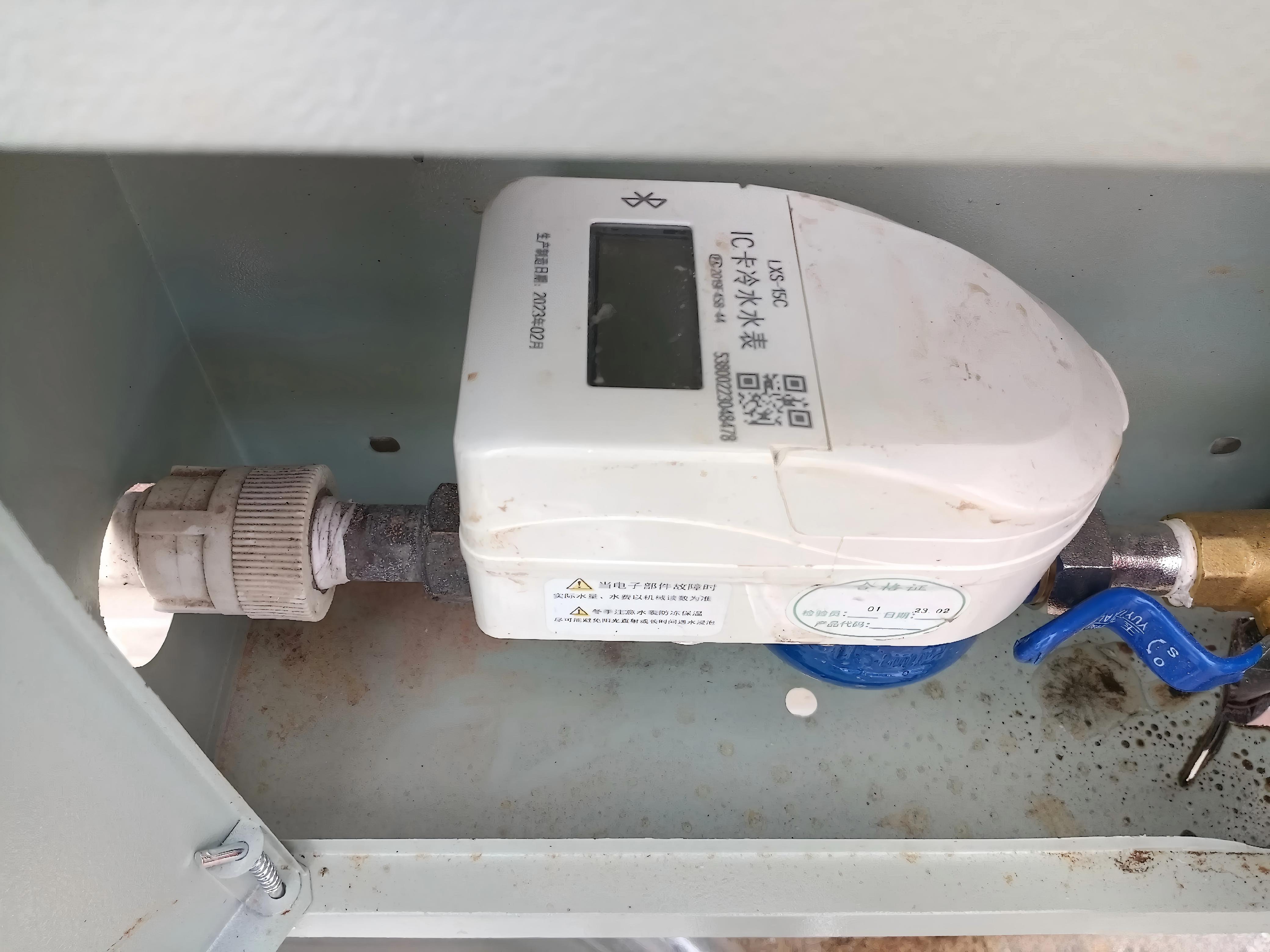
Mechanical Water Meter
A mechanical water meter is a traditional flow measurement instrument primarily used to measure the ...
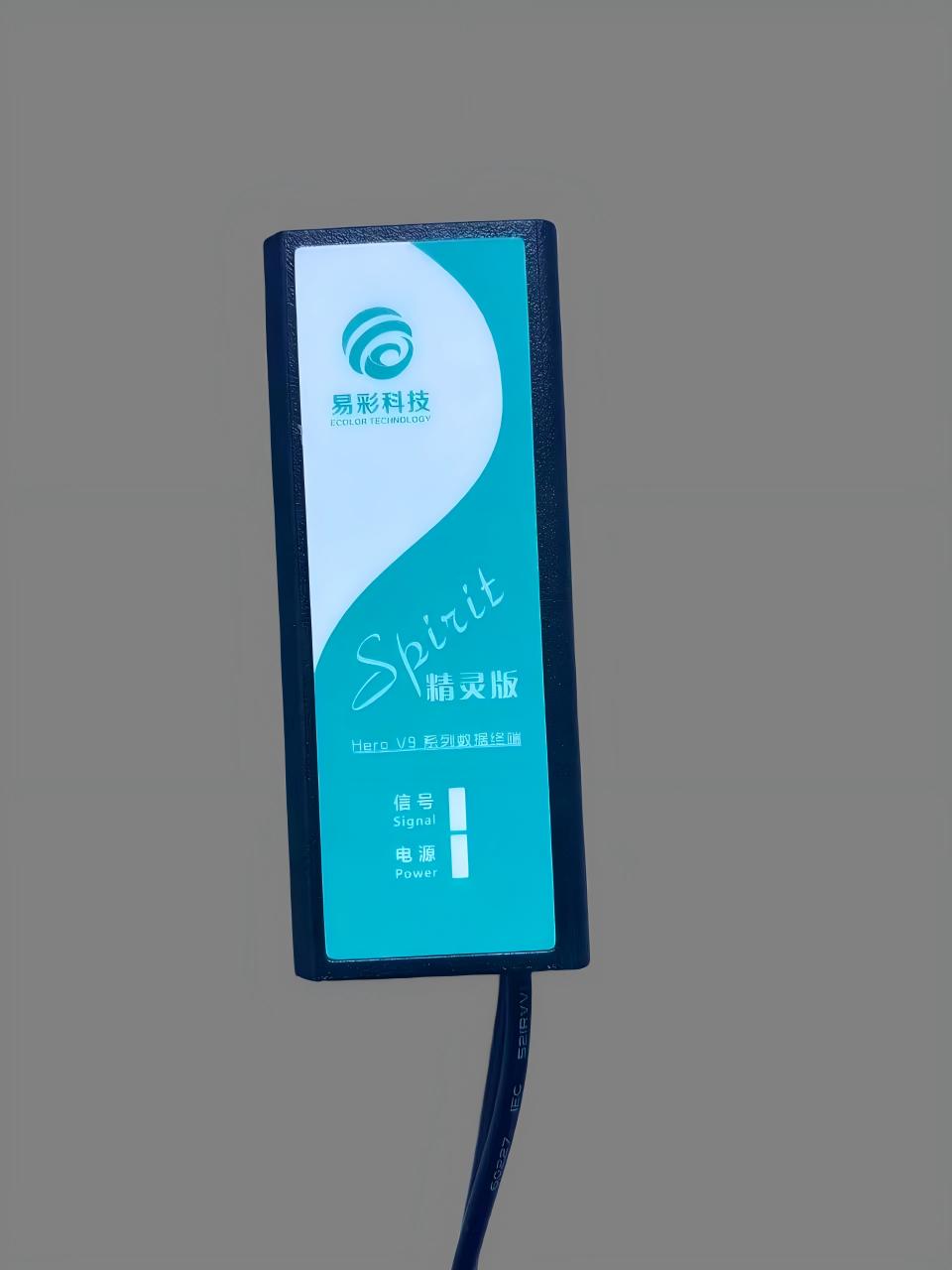
Measurement and Control Terminal (Hero V9 Series - EC60)
The Measurement and Control Terminal (Hero V9 Series - EC60) is a meticulously developed terminal pr...
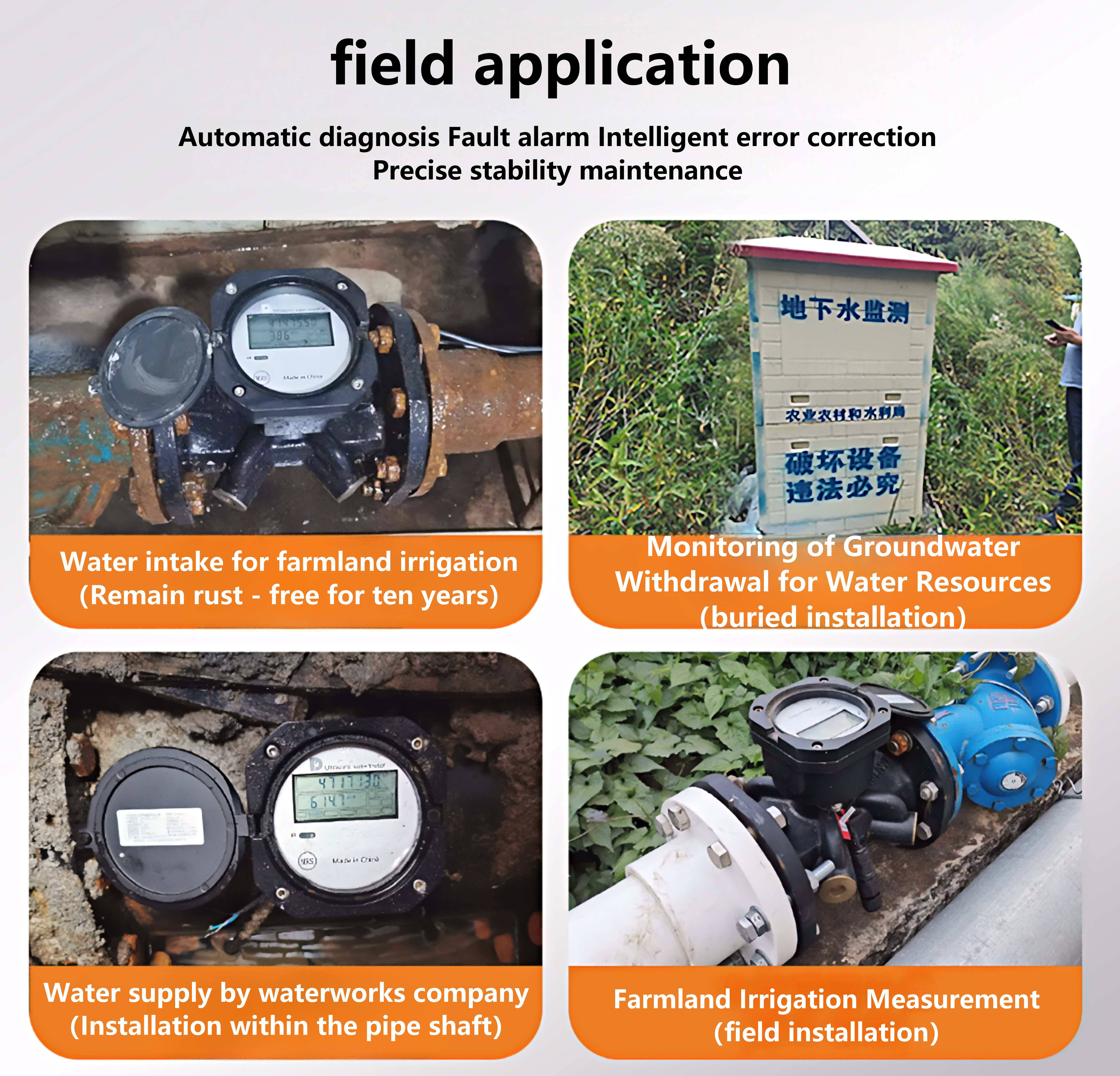
Ultrasonic Water Meter
The ultrasonic water meter is a new type of water meter that measures and displays flow based on the...
❓ Related FAQs
Related Solutions
Integrated Electromagnetic Flow Meter Application for Built-in Metering in Skid-Mounted Packaged Water Treatment Units
Split-Type Electromagnetic Flow Meter Solution for Pump Stations with High Humidity and Heavy Vibration
Inline Ultrasonic Flow Meter Solution for Pump Station Discharge Metering and Pump Efficiency Testing

Ready to Optimize Your Business?
Contact us, and our professional team will provide customized solutions to help your business achieve digital transformation.
Get In Touch