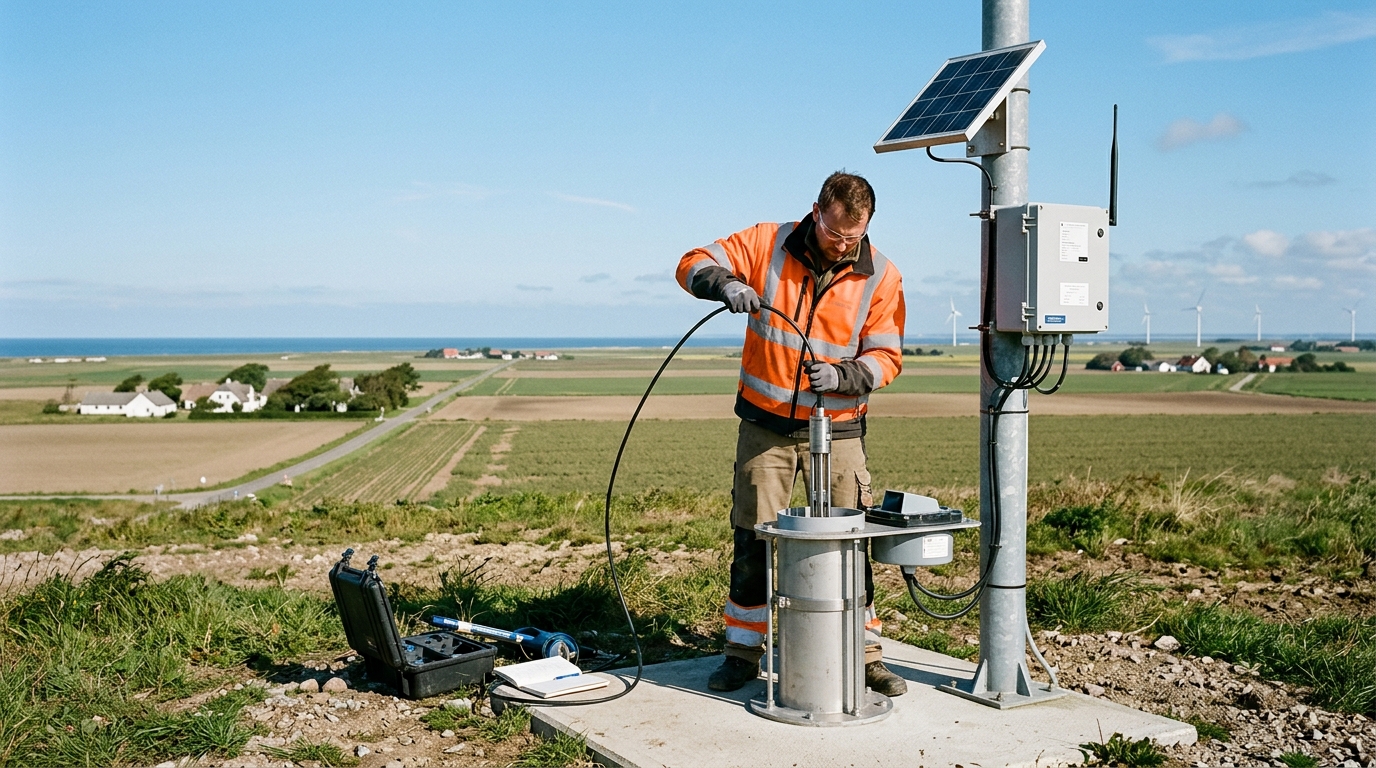
Multi-Electrode Conductivity Meter Solution for Coastal Groundwater Saltwater Intrusion Monitoring and Early Warning
Addressing infrequent manual sampling, lagging front tracking and the lack of continuous quantitative early warning in coastal saltwater intrusion monitoring, this solution deploys multi-electrode (four-electrode) conductivity meters as the core sensing units in a monitoring well network, combined with submersible level meters, hydrological RTUs and compact water quality stations for integrated online EC-level-temperature monitoring. Four-electrode measurement eliminates polarization errors across a 0.01 uS/cm to 200 mS/cm range, and tiered EC thresholds with vertical profiling automatically track the intrusion front - providing reliable data for groundwater over-pumping control and safe water use in coastal areas.
Overview
Summary
Addressing infrequent manual sampling, lagging front tracking and the lack of continuous quantitative early warning in coastal saltwater intrusion monitoring, this solution deploys multi-electrode (four-electrode) conductivity meters as the core sensing units in a monitoring well network, combined with submersible level meters, hydrological RTUs and compact water quality stations for integrated online EC-level-temperature monitoring. Four-electrode measurement eliminates polarization errors across a 0.01 uS/cm to 200 mS/cm range, and tiered EC thresholds with vertical profiling automatically track the intrusion front - providing reliable data for groundwater over-pumping control and safe water use in coastal areas.
Key Advantages
Challenges
- Manual grab sampling and laboratory analysis are infrequent (quarterly/annual) and lagging, unable to capture the gradual dynamics of saltwater intrusion
- The intrusion front migrates slowly and invisibly; well salinization is often discovered months or years later, missing the best intervention window
- Single-point spot data lacks vertical layering and cross-sectional information, making it impossible to map the 3D shape, interface position and movement of the saltwater wedge
- Coastal groundwater is high in TDS and hardness; ordinary two-electrode conductivity meters suffer severe polarization drift and fouling, with short calibration cycles and unreliable data
- Monitoring wells are scattered and mostly lack mains power and wired communications, making conventional online systems expensive to build and burdensome to maintain
Results
- Integrated online EC-level-temperature monitoring with reporting intervals under 1 hour advances intrusion detection from months to days
- Four-electrode measurement eliminates polarization and cable-resistance errors with long-term drift within ±1%FS, extending maintenance-free calibration from monthly to quarterly
- Automatic front tracking with tiered threshold warnings and vertical profiling cuts false alarms by more than 70%, supporting timely pumping restrictions and recharge decisions
- Solar-plus-lithium power with 4G/NB-IoT reporting keeps the well network unmanned at above 98% availability, reducing overall O&M costs by more than 50%
- EC time series and salinization profiles give authorities a quantitative basis for delineating over-pumping zones and assessing safe yield, aiding water level recovery and interface restoration
Solution Details
Multi-Electrode Conductivity Meter Solution for Coastal Groundwater Saltwater Intrusion Monitoring and Early Warning
Coastal regions are densely populated with intensive industry and agriculture, and groundwater is a critical water supply source. Long-term over-pumping creates regional drawdown cones that disturb the natural hydrodynamic balance between fresh and saline water, driving seawater inland into fresh aquifers along the cone of depression - salinizing wells, causing farmland soil salinization and threatening drinking water sources. Saltwater intrusion is gradual, concealed and largely irreversible: once an aquifer is salinized, recovery takes years to decades, making early detection and timely warning essential. Conventional monitoring relies on periodic manual sampling and laboratory TDS analysis, typically quarterly or even annual, unable to capture the dynamics of intrusion; single-point spot checks lack vertical layering and cross-sectional information needed to map the three-dimensional shape and movement of the saltwater wedge; and scattered monitoring wells without mains power or wired communications make networked analysis difficult.
How the Multi-Electrode Conductivity Meter Solution Works
This solution uses multi-electrode (four-electrode) conductivity meters as the core sensing units, installed at multiple depths in monitoring wells. The four-electrode design drives constant current through two electrodes while two high-impedance electrodes measure voltage, eliminating electrode polarization and cable resistance errors at the principle level for long-term stability in high-TDS, hard groundwater, with a range covering 0.01 uS/cm to 200 mS/cm and NTC10K/PT1000 automatic temperature compensation removing seasonal drift. Each well also carries a submersible level meter for dynamic water level; EC and level signals are acquired by hydrological RTUs and reported over 4G/NB-IoT to the monitoring platform, which applies tiered EC threshold warnings and vertical profile analysis to locate the fresh-saltwater interface and track front migration - supporting over-pumping control decisions such as extraction limits and artificial recharge for safe coastal groundwater use.
Key Features of the Multi-Electrode Conductivity Meter Solution
- Multi-electrode conductivity meter: four-electrode constant-current measurement eliminates electrode polarization and cable resistance at the principle level for stable long-term monitoring of high-TDS groundwater
- Full range with temperature compensation: 0.01 uS/cm to 200 mS/cm with selectable cell constants, NTC10K/PT1000 automatic temperature compensation (±0.3 °C), electronic unit basic error ±1%FS
- Coupled EC-level monitoring: submersible level meter in the same well (0.1%FS accuracy, IP68) tracks dynamic water level, enabling joint analysis of drawdown and salinization to identify over-pumping and intrusion risks
- Hydrological RTU telemetry terminal: RS485/4-20 mA multi-channel acquisition, 4G/NB-IoT reporting with store-and-forward, more than 7 days local storage, low-power solar and lithium battery supply
- Saltwater intrusion warning model: tiered EC thresholds (e.g. 1000/2000 uS/cm) for graded alarms, multi-depth vertical profiling to locate the fresh-saltwater interface, cross-section mapping to track front migration
- Compact water quality station integration: key wells can extend to multi-parameter monitoring (pH, turbidity, dissolved oxygen) for comprehensive groundwater quality and drinking source risk assessment
Multi-Electrode Conductivity Meter Specifications at a Glance
0.01 uS/cm – 200 mS/cm
Conductivity Range
±1%FS
Electronic Unit Basic Error
±0.3 °C
Temperature Compensation
0.1%FS
Level Meter Accuracy
IP68
Submersible Level Meter Rating
>7 Days
Local Data Storage
Applications of the Multi-Electrode Conductivity Meter Solution
The multi-electrode conductivity meter solution is designed for coastal groundwater saltwater intrusion monitoring and early warning, supporting over-pumping control decisions such as extraction limits and artificial recharge for safe coastal groundwater use. It is suited to coastal aquifer monitoring networks, farmland soil salinization prevention, drinking water source protection, and integrated groundwater quality risk assessment where key wells extend to multi-parameter monitoring (pH, turbidity, dissolved oxygen).
References
- Product description provided by the manufacturer for the Multi-Electrode Conductivity Meter Solution for Coastal Groundwater Saltwater Intrusion Monitoring and Early Warning.
Approach
How we implement intelligence into your infrastructure step by step.
Hydrogeological survey and well network layout
Collect coastal aquifer types, historical pumping records and groundwater level contours; delineate fresh-saline water zones from hydrogeological surveys and lay out monitoring wells in belts along the intrusion path - coastal front zone, transition zone and inland well-field zone - with multi-depth observation wells at key cross-sections to form a three-dimensional monitoring network.
Instrument selection and downhole installation
Select cell constants by aquifer salinity (1.0/10.0 electrodes for brackish zones, 0.01/0.1 for fresh zones); suspend conductivity sensors and submersible level meters in wells with proper protection, calibrate EC on site with standard solutions, and complete solar power, lightning protection grounding and wellhead protection.
Data networking and platform configuration
Connect hydrological RTUs to the groundwater monitoring platform over 4G/NB-IoT; configure acquisition frequency (EC/level every 10-30 minutes), tiered alarm thresholds and cross-section analysis models; establish per-well EC background baselines from historical data and calibrate EC-to-TDS conversion coefficients.
Commissioning and baseline verification
Run parallel comparison against manual laboratory analysis to verify online EC accuracy; conduct trial operation before the dry-season pumping peak to prove warning triggers, alarm push and front identification, removing systematic biases from sensor installation and well conditions.
Long-term operation and governance support
Establish electrode cleaning and quarterly on-site verification routines and periodically update the intrusion front map; support water authorities in dynamically assessing safe yield from EC and level data, implementing pumping restrictions and artificial recharge, and tracking water level recovery and interface restoration.
Recommended Hardware
Essential components for this solution.
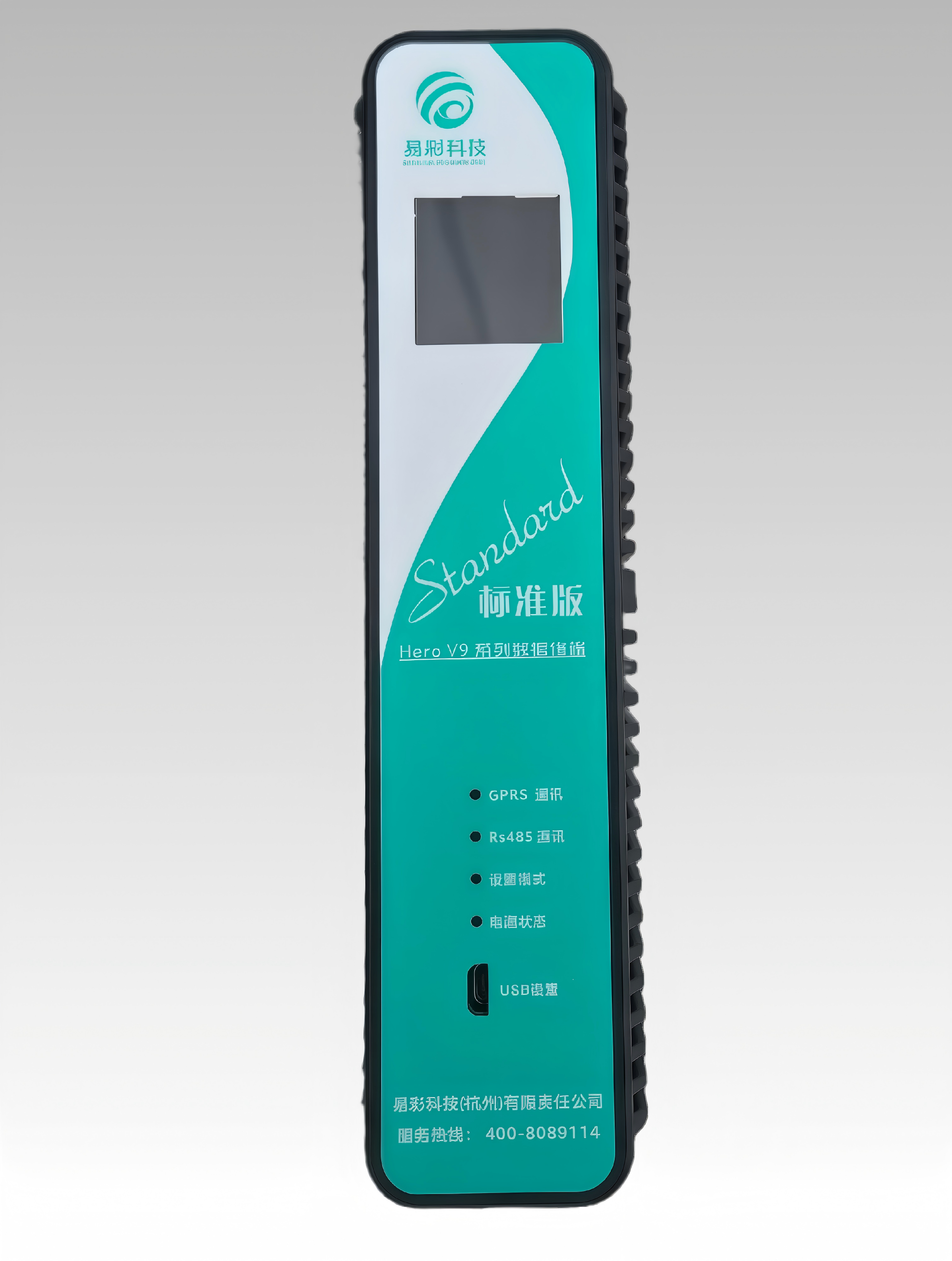
HERO V9-EC32 Hydrology RTU | Remote Terminal Unit
This product has the functions of remote data collection, control and communication. It can receive ...
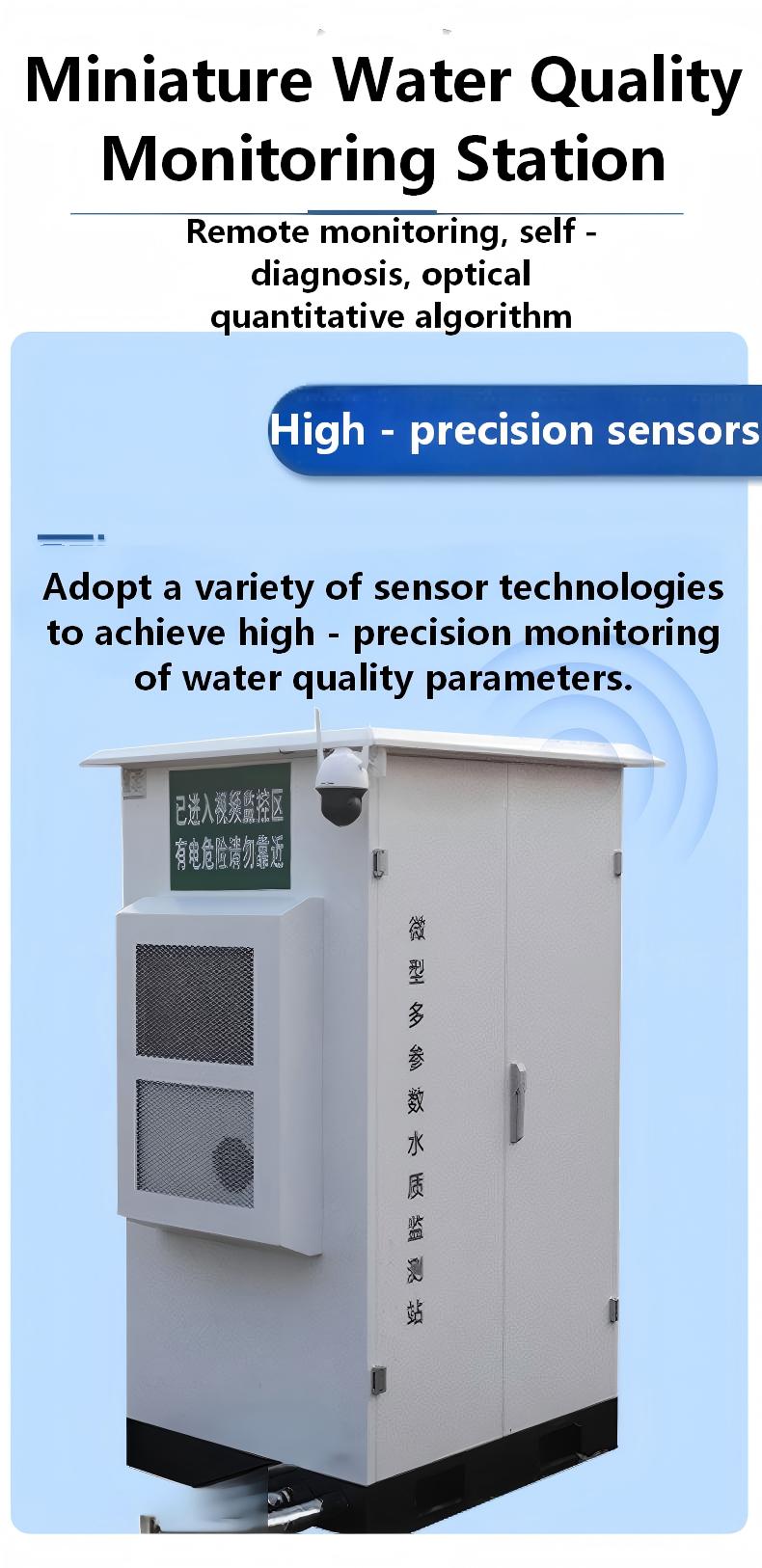
Compact Water Quality Monitoring Station
A pre-integrated, all-in-one outdoor monitoring station for convenient water environment surveillanc...
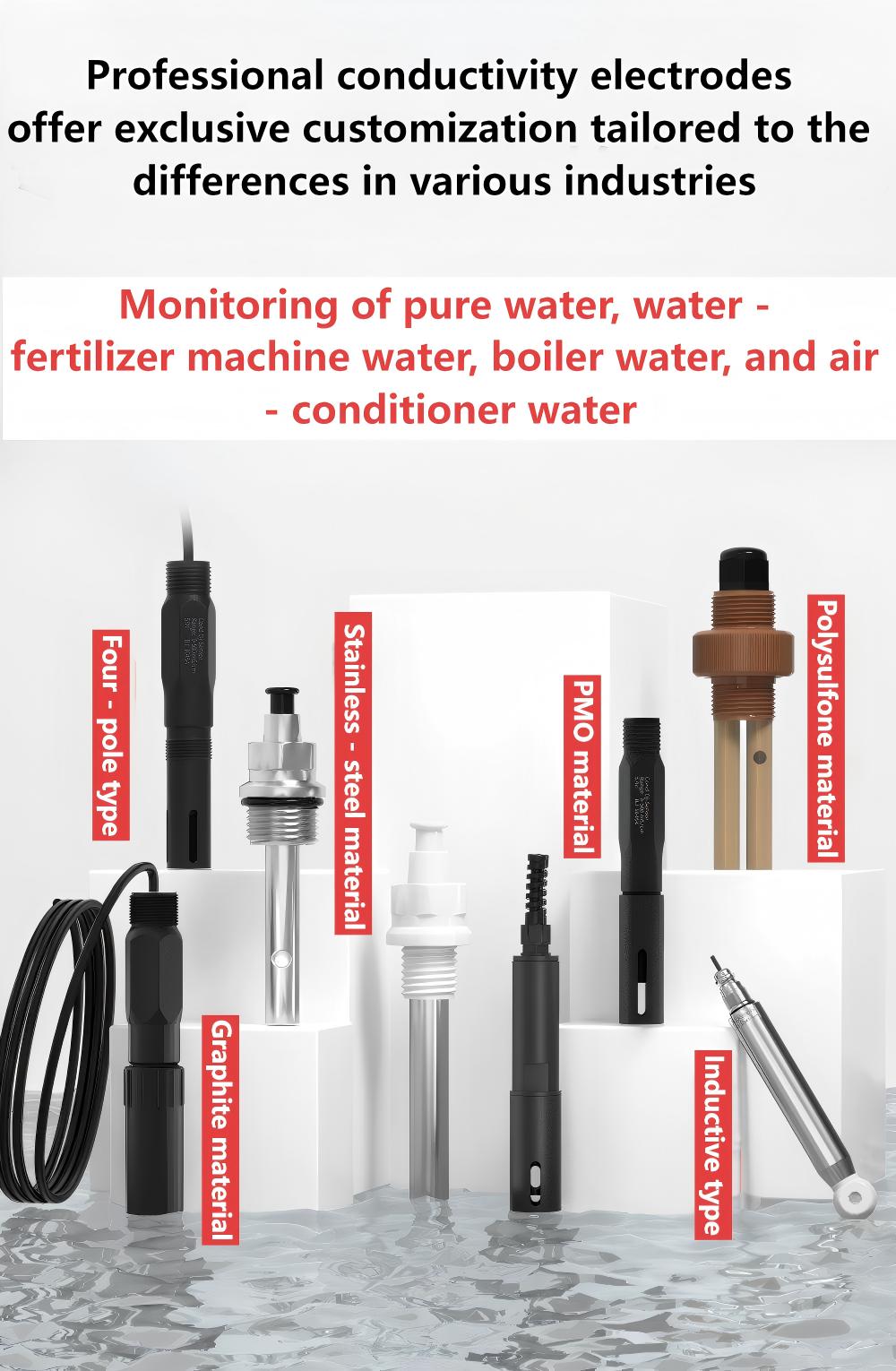
Conductivity Meter
This conductivity meter is widely used in thermal power, chemical fertilizer, metallurgy, environmen...
❓ Related FAQs
Related Solutions
Submersible Turbidity Electrode Solution for Sedimentation Tank Effluent and Filter Run Turbidity Monitoring
Flow-Through Turbidity Meter Solution for Filter Backwash Monitoring in Water Treatment Plants
Sludge Concentration Meter Solution for RAS and WAS Control in Wastewater Treatment Plants

Ready to Optimize Your Business?
Contact us, and our professional team will provide customized solutions to help your business achieve digital transformation.
Get In Touch