Sludge Concentration Meter Solution for RAS and WAS Control in Wastewater Treatment Plants
Addressing the delayed MLSS detection, experience-based RAS/WAS control and sludge blanket risks in wastewater treatment plants, this solution deploys sludge concentration meters as the core online sensing unit. Based on infrared absorption/scattering optics, it continuously measures suspended solids in return and waste sludge lines over a 0.01–4000 NTU range with ±2% accuracy. With IP68 protection and 4-20mA/RS485 outputs, it integrates seamlessly into PLC and RTU telemetry systems, enabling closed-loop return ratio regulation, precise sludge wasting and stable sludge age management for energy-saving, compliant plant operation.
Overview
Summary
Addressing the delayed MLSS detection, experience-based RAS/WAS control and sludge blanket risks in wastewater treatment plants, this solution deploys sludge concentration meters as the core online sensing unit. Based on infrared absorption/scattering optics, it continuously measures suspended solids in return and waste sludge lines over a 0.01–4000 NTU range with ±2% accuracy. With IP68 protection and 4-20mA/RS485 outputs, it integrates seamlessly into PLC and RTU telemetry systems, enabling closed-loop return ratio regulation, precise sludge wasting and stable sludge age management for energy-saving, compliant plant operation.
Key Advantages
Challenges
- MLSS/RSS measurement relies on the laboratory gravimetric method, with sampling, drying and weighing cycles of hours, leaving data far behind the dynamics of the biological system
- With the return ratio fixed at empirical values, the clarifier sludge blanket rises quickly under influent load swings, causing effluent TSS exceedances or sludge washout
- WAS discharge follows timed manual routines, so sludge age fluctuates, nitrification stability suffers and over-wasting inflates dewatering and disposal costs
- Return sludge pumps run at fixed full speed without concentration feedback for VFD regulation, keeping return pumping energy unnecessarily high
- Sludge behaviour data stays scattered in laboratory reports, leaving management without continuous trend visibility, so process upsets cannot be foreseen or traced
Results
- Sludge concentration measurement moves from multi-hour lab cycles to online second-level continuous data over a 0.01–4000 NTU range with ±2% accuracy, available in real time
- RAS concentration closes the loop on return pump VFDs, the return ratio auto-adjusts with clarifier blanket level, the blanket stays within the design window and washout risk drops markedly
- WAS is metered and wasted precisely to the target sludge age, sludge age variation narrows, nitrification becomes more shock-resistant and effluent stays compliant
- Return pumps run on-demand via VFD, cutting useless return energy; stable dewatering feed concentration lowers conditioning chemical consumption
- Sludge concentration, blanket level and return ratio data are uploaded via RTU to the smart water platform, forming continuous trend curves and alarms that shift process management from experience-driven to data-driven
Solution Details
Why Online Sludge Concentration Measurement Matters in RAS and WAS Control
The activated sludge process is the mainstream treatment train in municipal wastewater plants, where mixed liquor suspended solids (MLSS) and return activated sludge (RAS) concentration are the core parameters determining biological treatment performance. Yet in most plants, sludge concentration is still measured by the laboratory gravimetric method: manual sampling, drying and weighing take hours or even a full day per data point, far lagging behind the dynamics of the biological system. The sludge volume index SV30 can only roughly indicate sludge settleability and provides no continuous quantitative basis for controlling return and waste sludge pumps.
This detection delay leads directly to coarse control. With the return ratio fixed at an empirical value, the secondary clarifier sludge blanket rises quickly when influent load fluctuates, causing effluent suspended solids exceedances or even sludge washout. Waste activated sludge (WAS) is discharged on timed manual routines, so the sludge age swings back and forth, destabilising nitrification, while over-wasting pushes up dewatering and disposal costs. With increasingly strict environmental regulation on both effluent quality and sludge disposal, plants urgently need to bring this key parameter online and continuous.
Sludge Concentration Meter Solution Architecture for RAS and WAS Lines
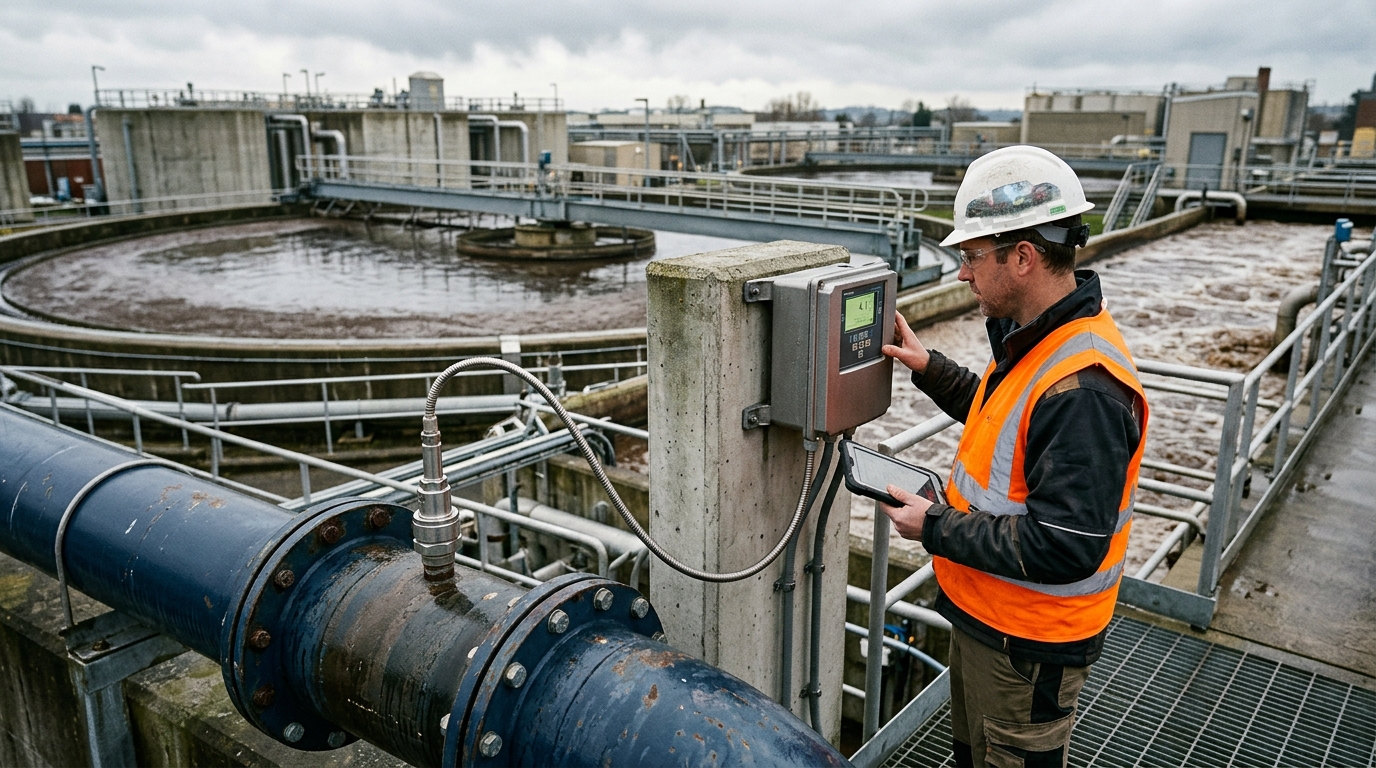
This solution uses the sludge concentration meter as the core sensing unit, deploying online measurement points at the RAS line, the WAS line and the clarifier sludge-water interface. Based on infrared absorption/scattering optics, the sensor is immersed directly in the pipe or tank medium, covering a 0.01–4000 NTU turbidity range with an accuracy of ±2% of reading or ±0.1 NTU (whichever is greater) and second-level response. The SUS316L/titanium body with IP68 rating works stably under long-term immersion in gritty, debris-laden sludge; the cable can be extended up to 100 m, fitting both tank-top mounting and centralised instrument-room wiring.
For system networking, the meter feeds 4-20 mA analogue or RS485 (Modbus RTU) digital signals into the plant PLC. Real-time RAS concentration closes the loop on the return pump VFD, automatically adjusting the return ratio with clarifier sludge blanket level; WAS line concentration interlocks with the wasting pump so that sludge is discharged precisely according to the target sludge age. An edge RTU telemetry terminal uploads sludge concentration, blanket level and return ratio data to the smart water platform, where operators track sludge behaviour trends across process stages and receive automatic alarms on anomalies.
Key Features of the Online Sludge Concentration Meter
- Infrared optical principle: dual infrared absorption/scattering measurement of suspended solids, resistant to colour interference, suitable for activated sludge, return sludge and thickened sludge media
- Wide range, high accuracy: turbidity range 0.01–4000 NTU with accuracy of ±2% of reading or ±0.1 NTU (whichever is greater), covering everything from low-concentration effluent to high-concentration return sludge
- Industrial protection and materials: SUS316L/titanium/PVC body options, IP68/NEMA6P rating, long-term immersion in gritty sludge media, pressure rating ≤0.4 MPa
- Flexible mounting and wiring: 60 mm diameter, 1.65 kg sensor with integral cable extendable to 100 m, supporting in-pipe insertion and tank-wall mounting, flow tolerance ≤2.5 m/s
- Dual outputs for easy networking: optional 4-20 mA analogue and RS485 (Modbus RTU) digital outputs, seamless integration with PLC, RTU telemetry terminals and SCADA systems
- Low-power reliable supply: DC 12–24 V power, 0–45 °C operating temperature, designed for continuous online duty with minimal maintenance
Technical Specifications at a Glance
0.01–4000 NTU
Turbidity Range
±2% or ±0.1 NTU
Accuracy
IP68 / NEMA6P
Protection Rating
SUS316L / Titanium
Body Material
4-20 mA / RS485
Output Signals
DC 12–24 V
Power Supply
Operational Gains from Continuous Sludge Concentration Monitoring
Once implemented, sludge concentration turns from one or two discrete lab values per day into a minute-level continuous curve, and return control shifts from experience-driven to data-driven: the clarifier blanket stays within the design window, washout risk drops markedly, WAS discharge and sludge age are precisely controlled, nitrification becomes more shock-resistant, and stable dewatering feed concentration reduces conditioning chemical consumption. Precise sludge management also cuts useless return pumping energy and over-wasting disposal fees, delivering measurable operational gains for plant energy saving and digital transformation.
? Reference Sources
- Activated sludge process control parameters — MLSS, RAS, WAS and SV30
- Infrared absorption/scattering optical measurement principles for suspended solids
- Municipal wastewater treatment plant instrumentation and automation standards
Approach
How we implement intelligence into your infrastructure step by step.
Process diagnosis and measurement point planning
Map the layout of the biological tanks, secondary clarifiers and sludge return/wasting system; determine key measurement points at the RAS line, WAS line and clarifier sludge-water interface; verify pipe velocity, pressure and immersion depth conditions, and produce a measurement point layout and instrument selection plan.
Sensor installation and calibration
Complete insertion or immersion installation of sludge concentration meters at the selected points with proper cable routing and protection; calibrate on site against laboratory gravimetric MLSS data, establish the NTU-to-mg/L conversion, and verify reading consistency across points.
Control system integration and interlocks
Wire the meters' 4-20 mA/RS485 signals into the PLC, configure the return pump VFD closed loop and wasting pump interlock logic, set clarifier blanket level limits and target sludge age parameters, and commission bumpless manual/auto changeover.
Telemetry networking and platform onboarding
Deploy edge RTU terminals to collect sludge concentration, blanket level, return ratio and pump status data, upload them to the smart water platform via 4G/Ethernet, and configure trend dashboards, threshold alarms and report templates for plant-level centralised sludge data management.
Operational optimisation and long-term maintenance
After commissioning, keep comparing online data with laboratory results, dynamically refine calibration coefficients and control parameters, maintain sensor cleaning and calibration records, and continuously improve return ratio and wasting strategies with platform trend analysis for long-term stable operation.
Recommended Hardware
Essential components for this solution.
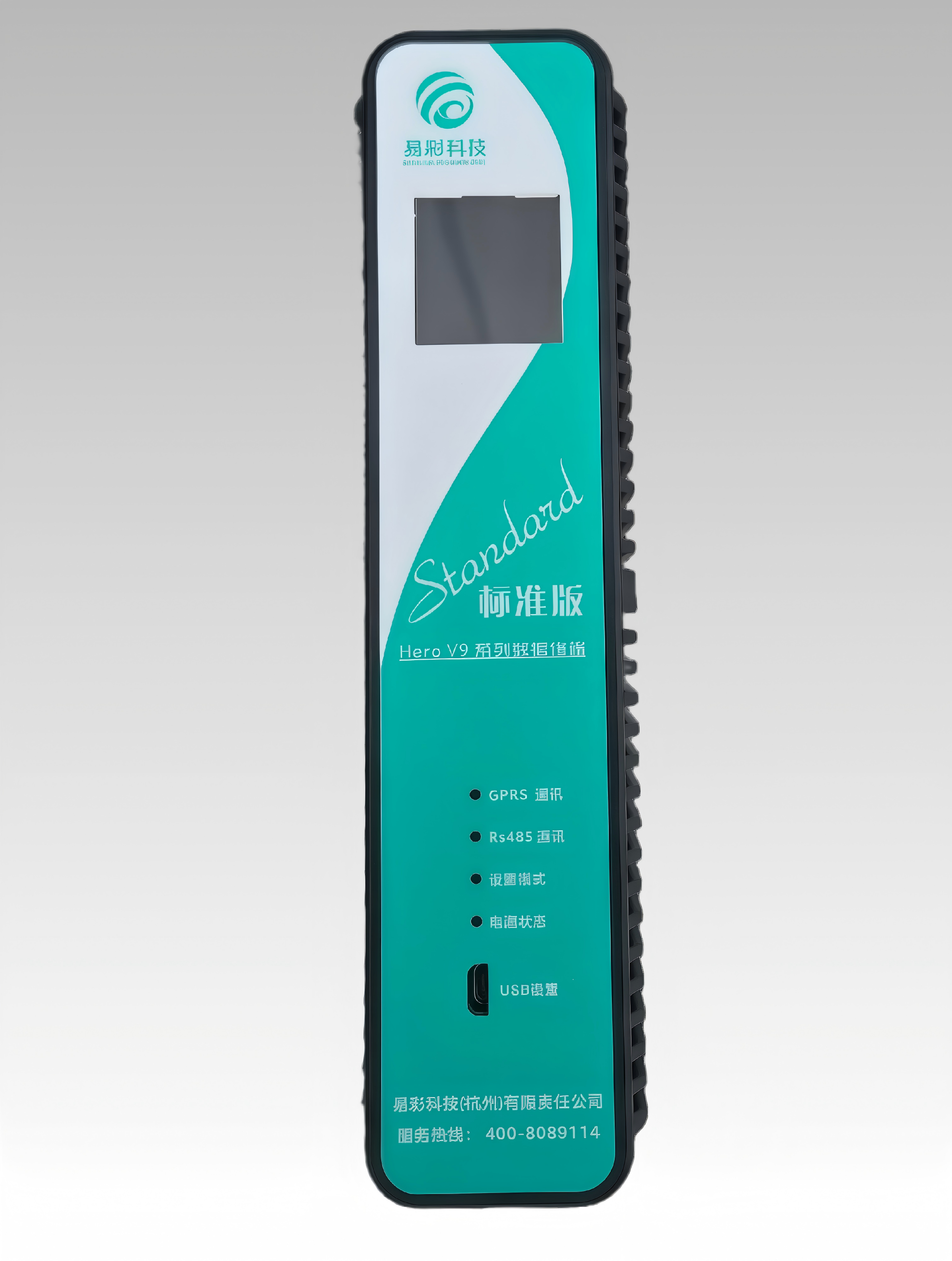
HERO V9-EC32 Hydrology RTU | Remote Terminal Unit
This product has the functions of remote data collection, control and communication. It can receive ...
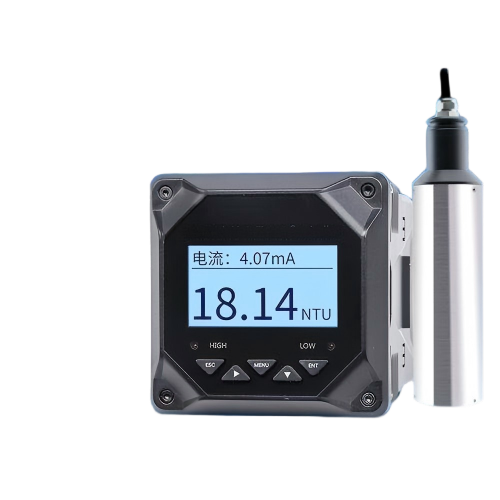
Sludge Concentration Meter / Turbidity Analyzer
The suspended solids/sludge concentration meter is designed for online monitoring of suspended solid...
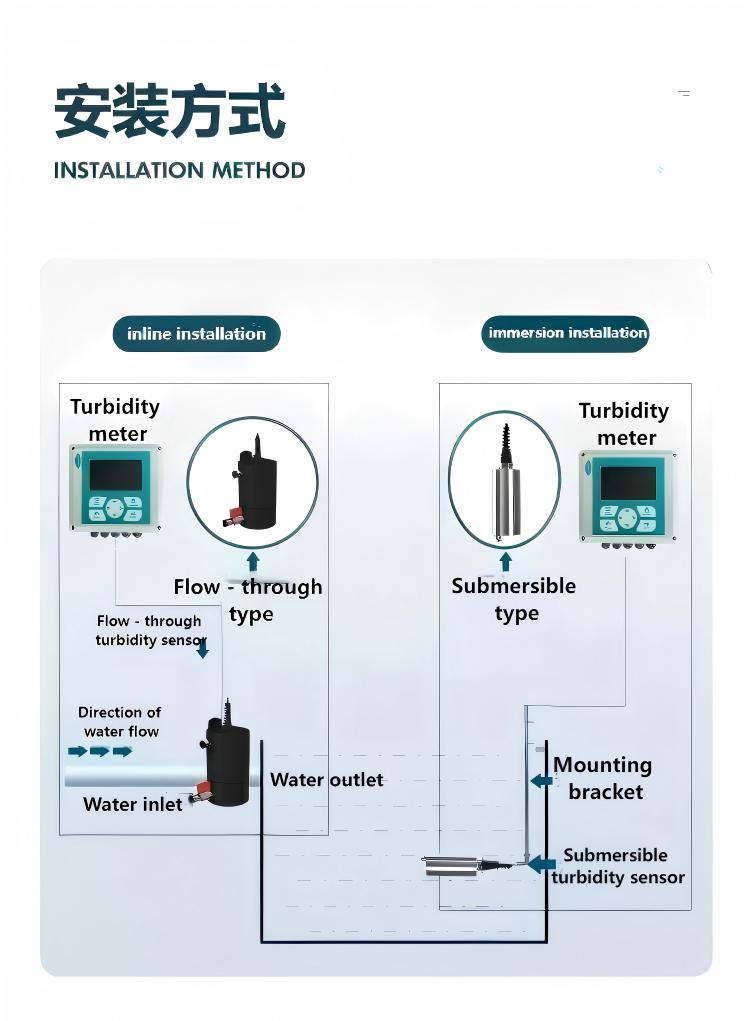
Flow-Through Turbidity Meter
The Flow-Through Turbidity Meter is an intelligent online chemical analyzer widely used in industrie...
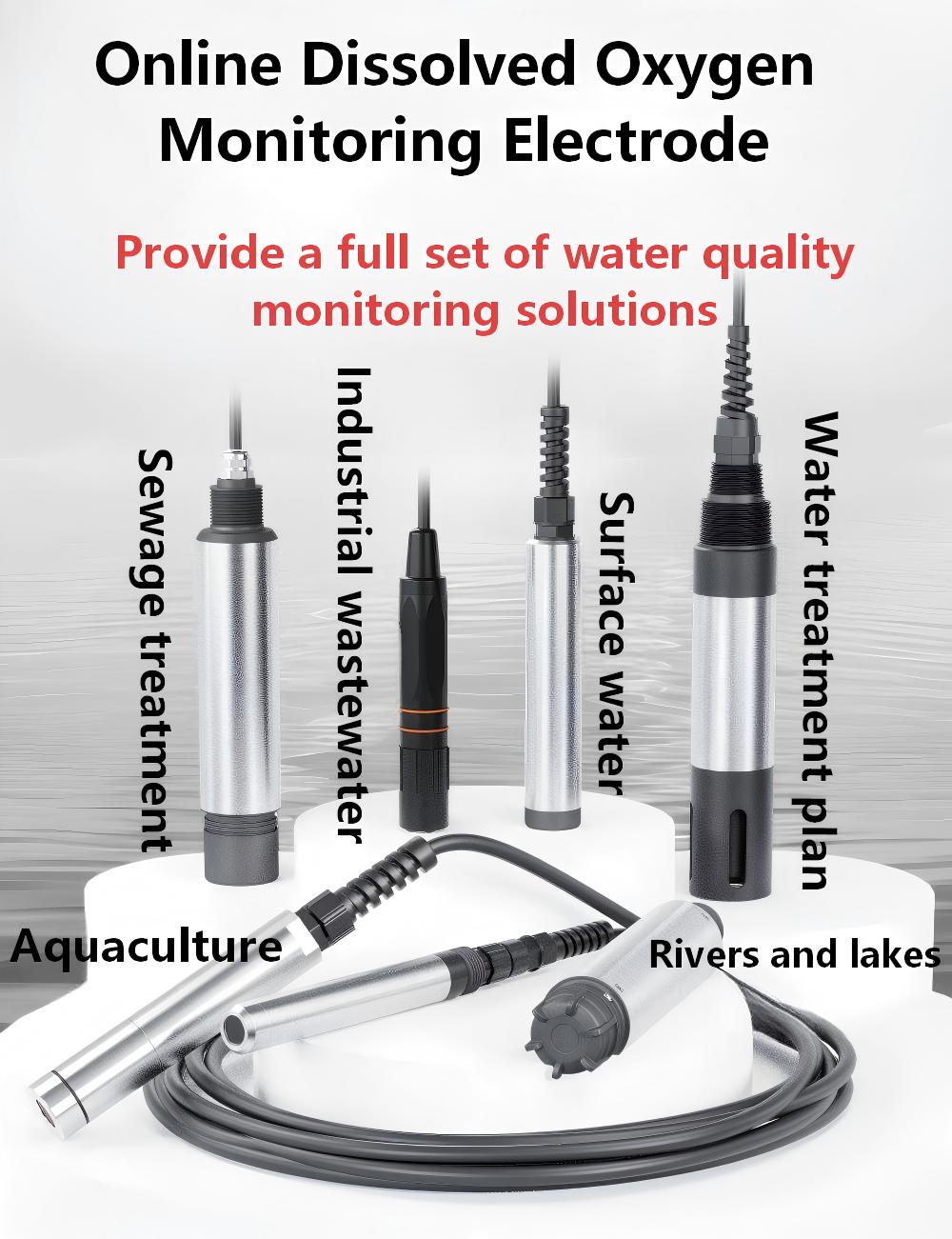
Dissolved Oxygen Electrode (Multiple Options Available)
The Dissolved Oxygen Online Analyzer is an intelligent online optical analysis instrument, widely us...
❓ Related FAQs
Related Solutions
Submersible Turbidity Electrode Solution for Sedimentation Tank Effluent and Filter Run Turbidity Monitoring
Flow-Through Turbidity Meter Solution for Filter Backwash Monitoring in Water Treatment Plants
Multi-Electrode Conductivity Meter Solution for Coastal Groundwater Saltwater Intrusion Monitoring and Early Warning

Ready to Optimize Your Business?
Contact us, and our professional team will provide customized solutions to help your business achieve digital transformation.
Get In Touch