Beyond the Bill: Water Intelligence as Civic Infrastructure
Water is no longer just metered and billed — it’s being sensed, simulated, and safeguarded at every layer of infrastructure, from underground pipes to AI-orchestrated basins. This evolution transforms water utilities into real-time civic nervous systems — where water intelligence as civic infrastructure is no longer aspirational, but operational.

The Quiet Crisis Beneath the Surface
A Georgia data center quietly withdrew 30 million gallons — enough to supply over 300 households for a year — before residents noticed low pressure. Meanwhile, U.S. residential water bills hover near $100/month, just $1 below a 2025 record high.
Yet JD Power reports rising customer satisfaction — not despite cost, but because utilities are delivering responsive service, transparent billing portals, and proactive communication. This paradox reveals a deeper shift: legitimacy now hinges less on price alone and more on perceptible control, accountability, and system intelligence.
When citizens can’t see water flow or understand its cost drivers, trust erodes — even when service is technically sound. That’s why civic water infrastructure must be visible, explainable, and intelligently governed.
The Three-Layer Intelligence Imperative
Today’s water challenges demand intelligence across three interdependent layers: subsurface visibility, service-layer transparency, and basin-scale foresight. Each fails in isolation — and succeeds only when integrated into a unified water intelligence architecture.
Layer 1: Seeing What Was Invisible
Over 60% of urban water loss occurs in aging, unmonitored underground networks — a global blind spot. Traditional acoustic or pressure-based leak detection lacks precision, coverage, and contextual awareness.
Ecolor Technology’s multi-band Doppler flow radar — the world’s only underground pipe monitoring system with integrated visual camera — delivers spatially resolved flow velocity, sediment accumulation, and structural anomalies in real time. Paired with LGF electromagnetic flowmeters and 80GHz visual fusion radar level sensors, this stack enables predictive stewardship instead of reactive repair.
This is foundational subsurface water intelligence: turning passive infrastructure into an observable, diagnosable, and accountable civic asset.
Layer 2: Rebuilding Trust Through Digital Access
JD Power’s finding — that satisfaction rises despite high costs — points directly to digital service maturity. Utilities are shifting from transactional bill delivery to relational engagement platforms.
True transparency requires contextualization: e.g., showing how a $100 bill breaks down by usage tier, infrastructure surcharge, and conservation rebate eligibility. Chinese innovators like Ecolor enable this layer not as standalone vendors, but as interoperable edge intelligence enablers.
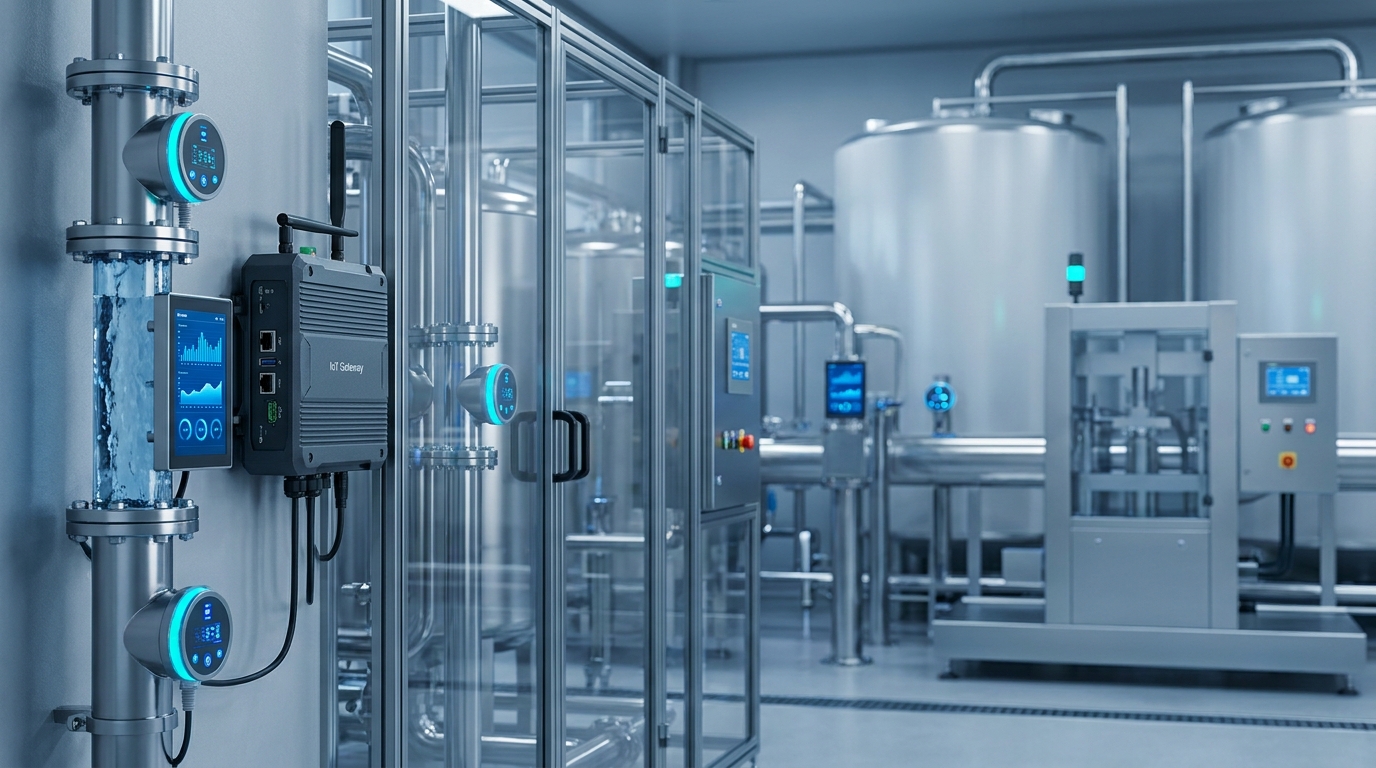
Their HERO V9 RTU aggregates field data from flowmeters, radars, and third-party sensors — feeding normalized, time-synchronized streams into cloud dashboards or municipal ERP systems. This ensures what’s measured underground informs what’s displayed online — closing the visibility gap between infrastructure and citizen.
Layer 3: Anticipating Scarcity, Not Just Managing Supply
Generative AI is actively optimizing basin-wide reuse planning, dynamic allocation, and scarcity scenario modeling — not replacing engineers, but augmenting judgment with probabilistic foresight.
Coupling real-time radar level data from reservoirs with weather forecasts and demand projections allows AI models to simulate drought stress months ahead — triggering tiered conservation messaging or temporary non-potable allocations.
Chinese technology firms contribute here not through proprietary AI models, but by supplying the high-fidelity, low-latency sensing foundation those models require — ensuring predictions rest on reality, not interpolation. This is basin-scale water intelligence for climate resilience.
From Utility to Civic Steward
The convergence of these layers signals a quiet evolution: water utilities are becoming civic infrastructure stewards — accountable not just for delivery, but for equity, resilience, and ecological continuity.
Interoperability
HERO V9 RTUs normalize data across vendor ecosystems — enabling seamless integration with ERP, SCADA, and cloud analytics platforms.
Durability
80GHz radar operates reliably in steam, dust, and fluctuating temperatures; Doppler radar functions without excavation or flow interruption.
Insight at Scale
Field-deployed sensors feed real-time, calibrated data into AI models — transforming raw measurements into actionable civic intelligence.
The Great Lakes Water Authority’s participation in the University of Michigan’s Electric and Water Utility Resilience Summit exemplifies this new posture: collaboration across sectors, shared data frameworks, and joint investment in adaptive capacity. In such ecosystems, companies like Ecolor don’t sell instruments — they enable interoperability, durability, and insight at scale.
Water intelligence as civic infrastructure isn’t about smarter meters — it’s about building public trust through visibility, responsiveness, and shared foresight. When water flows become legible, accountable, and anticipatory, utilities stop being invisible utilities — and start becoming indispensable civic institutions.
Sources
- View or Pay Your Water Bill – Municipal District Services
- Water Utility Residential Customer Satisfaction Rises Despite Persistently High Costs, JD Power Finds
- A data center drained 30M gallons of water unnoticed — until residents complained about low water pressure
- Generative artificial intelligence, a strategic asset for water utilities
- Great Lakes Water Authority - Michigan's source for water