Beyond the Spectacle: How Integrated Delivery and Real-Time Sensing Are Reshaping Water Infrastructure
The global water sector is transitioning from fragmented capital projects to integrated, performance-driven models powered by continuous monitoring and lifecycle accountability. By converging outcome-based delivery structures with advanced real-time sensing technologies, utilities are moving beyond reactive maintenance toward a future of data-anchored resilience and optimized resource management.
The Convergence of Delivery Innovation and Smart Monitoring
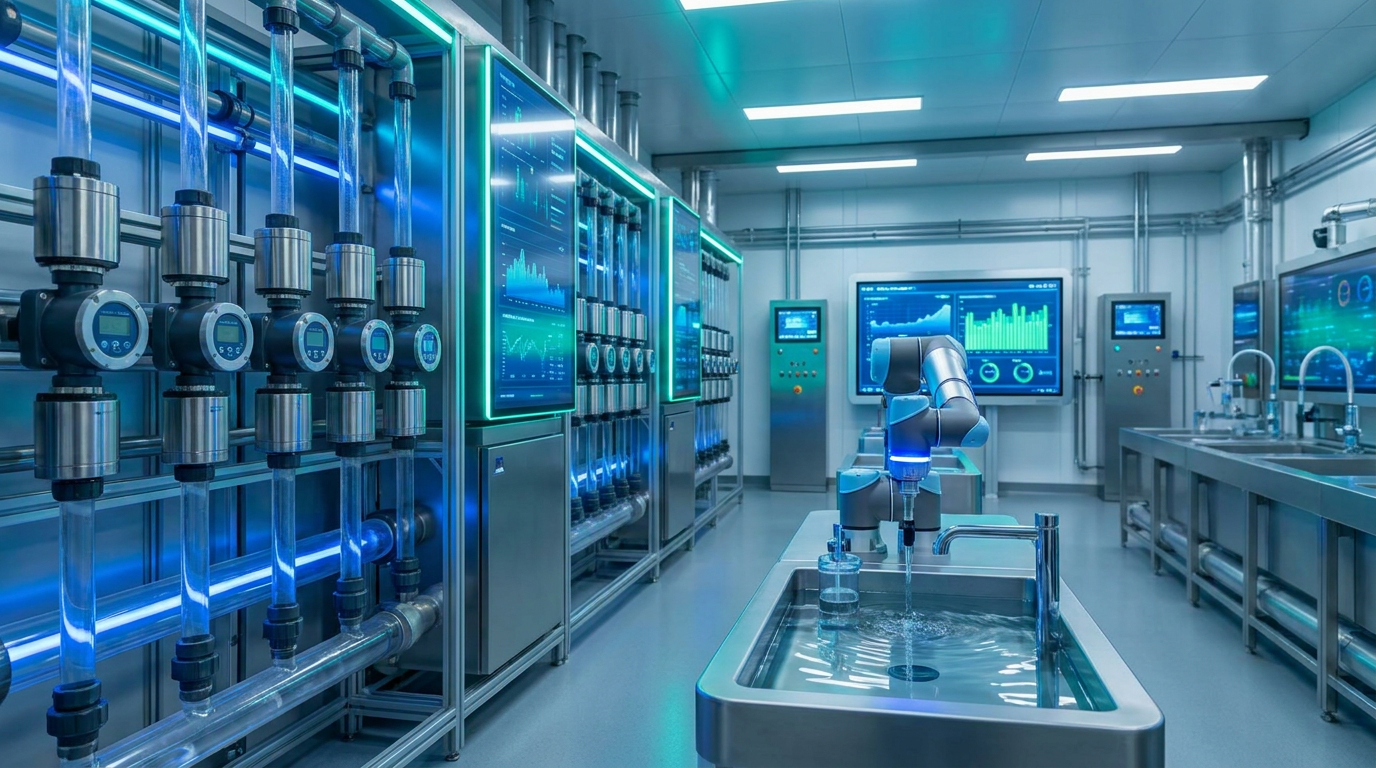
While recreational water attractions capture public imagination, the true transformation is occurring beneath the surface in municipal networks and industrial facilities. Recent developments highlight two converging trends: the adoption of outcome-based infrastructure delivery models for smaller communities and the widespread implementation of cloud-driven, real-time water monitoring systems by large-scale operators. Together, these movements signal a decisive departure from reactive maintenance toward proactive, data-anchored lifecycle management.
From Capital Projects to Performance Contracts
Historically, water infrastructure development has been siloed, treating financing, engineering, construction, and operations as disconnected phases. This often resulted in accountability gaps, deferred maintenance, and inflated lifecycle costs that burdened taxpayers. Smaller municipalities, lacking the administrative bandwidth for complex procurement, are now leading a quiet revolution by shifting toward service-based structures.
Local leaders are aligning technical partners directly with measurable outcomes such as reliable water supply, consistent wastewater treatment capacity, and predictable operational expenditures. Instead of purchasing a physical asset, communities are effectively purchasing guaranteed service levels. This forces a reevaluation of system design, prioritizing maintainability, data accessibility, and long-term resilience over the lowest-bid construction approach.
Key Benefits of Outcome-Based Delivery
Real-Time Intelligence in High-Stakes Operations
Parallel to municipal reforms, industrial sectors like hyperscale data centers are implementing cloud-based monitoring architectures to track water consumption in real time. These systems instantly flag anomalies, trigger automated leak responses, and dynamically adjust cooling solutions to optimize efficiency while supporting broader conservation goals.
Major technology operators demonstrate that water loss from aging distribution mains or inefficient cooling loops translates directly to financial drain. Real-time visibility transforms water management from a monthly billing exercise into a continuous optimization process. The global water sector must standardize how telemetry data is collected and acted upon to prevent pressure drops and contamination risks from escalating into service disruptions.
Bridging Field Sensing with Lifecycle Management
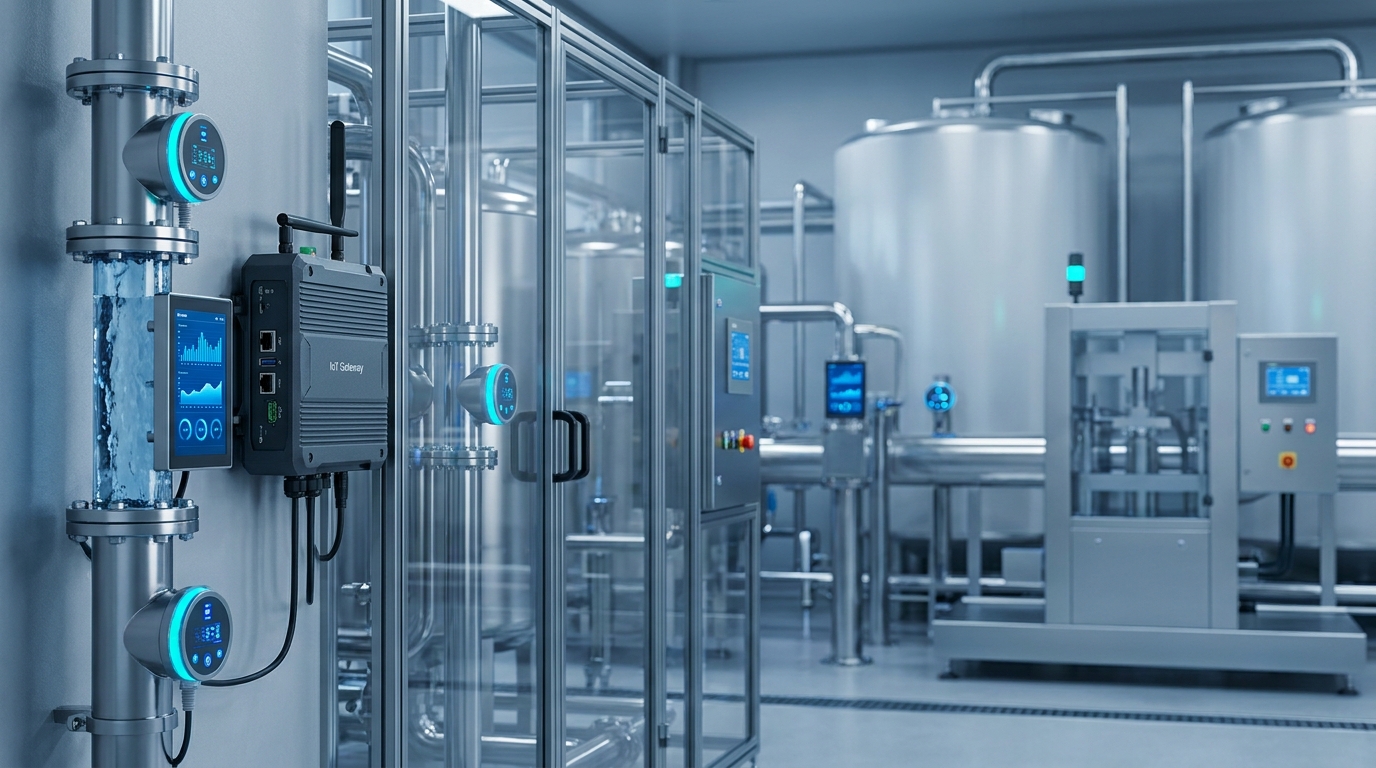
Outcome-based delivery models and cloud-driven conservation strategies share a common dependency: high-fidelity field data. Without accurate, reliable sensing at the network edge, performance contracts lack enforceable metrics, and cloud analytics operate on flawed inputs. Specialized instrumentation has become the backbone of modern water resilience, enabling utilities to deploy advanced sensing arrays across diverse environments.
Precision instruments like the LGF electromagnetic flowmeter provide stable, high-accuracy flow measurement essential for billing transparency and non-revenue water tracking. For surface applications, the 80GHz visual fusion radar level sensor delivers weather-resistant, non-contact monitoring without mechanical parts. Most critically, the multi-band Doppler flow radar stands as the only underground pipe monitoring solution integrated with a visual camera, allowing inspection without disruptive excavation.
Paired with robust communication nodes like the HERO V9 RTU, these devices form a continuous data pipeline bridging physical infrastructure and digital management layers. When deployed within a service-oriented model, they create a closed-loop system where technical partners can guarantee performance through predictive maintenance and regulatory compliance validation.
Global Implications and Future Trajectory
The convergence of alternative delivery structures and embedded sensing technology is reshaping global water security. As climate variability intensifies water scarcity and regulatory frameworks demand stricter conservation metrics, the margin for error in infrastructure management shrinks significantly. Utilities clinging to traditional, fragmented procurement will face escalating operational costs and increased vulnerability to extreme weather events.
Conversely, those embracing integrated, performance-driven frameworks will unlock capital efficiency, improve public trust, and accelerate sustainability targets. The industry is moving toward standardized data architectures where every sensor, controller, and gateway contributes to a unified operational picture. Companies aligning their product roadmaps with lifecycle accountability will lead the next generation of water infrastructure development.
The era of treating water systems as static concrete and steel assets is over. The future belongs to dynamic, monitored networks where performance is continuously measured, optimized, and guaranteed. By integrating precise field instrumentation with outcome-based delivery models, the global water sector can transform infrastructure from a financial liability into a resilient, adaptive utility.