Bridging the Data Gap: Advanced Telemetry and Edge Intelligence Transform Water Networks
As aging infrastructure meets climate volatility, the global water sector is pivoting from manual audits to continuous, edge-driven telemetry networks to secure resilience and curb non-revenue water — a critical shift in advanced telemetry and edge intelligence for water networks.
This transformation enables real-time leak detection, predictive maintenance, pressure optimization, and regulatory compliance — turning legacy pipe systems into intelligent, data-driven water networks.
The Urgency of Invisible Losses in Water Networks
Global water utilities face unprecedented pressure from aging pipes, climate-induced stressors, and stringent regulatory mandates for efficiency. Non-revenue water (NRW) losses now account for over 30% of treated supply in many regions — draining municipal budgets and compromising service reliability.
Traditional hydraulic modeling and annual acoustic surveys are no longer sufficient. Utilities require granular, continuous data streams to balance distribution zones, isolate bursts before they cascade, and maintain regulatory compliance — making advanced telemetry and edge intelligence essential for modern water network management.
From Reactive Repairs to Predictive Network Intelligence
The core driver behind this transformation is the migration from centralized, cloud-dependent SCADA architectures to distributed edge intelligence. Legacy systems often suffer from latency, bandwidth constraints, and single points of failure.
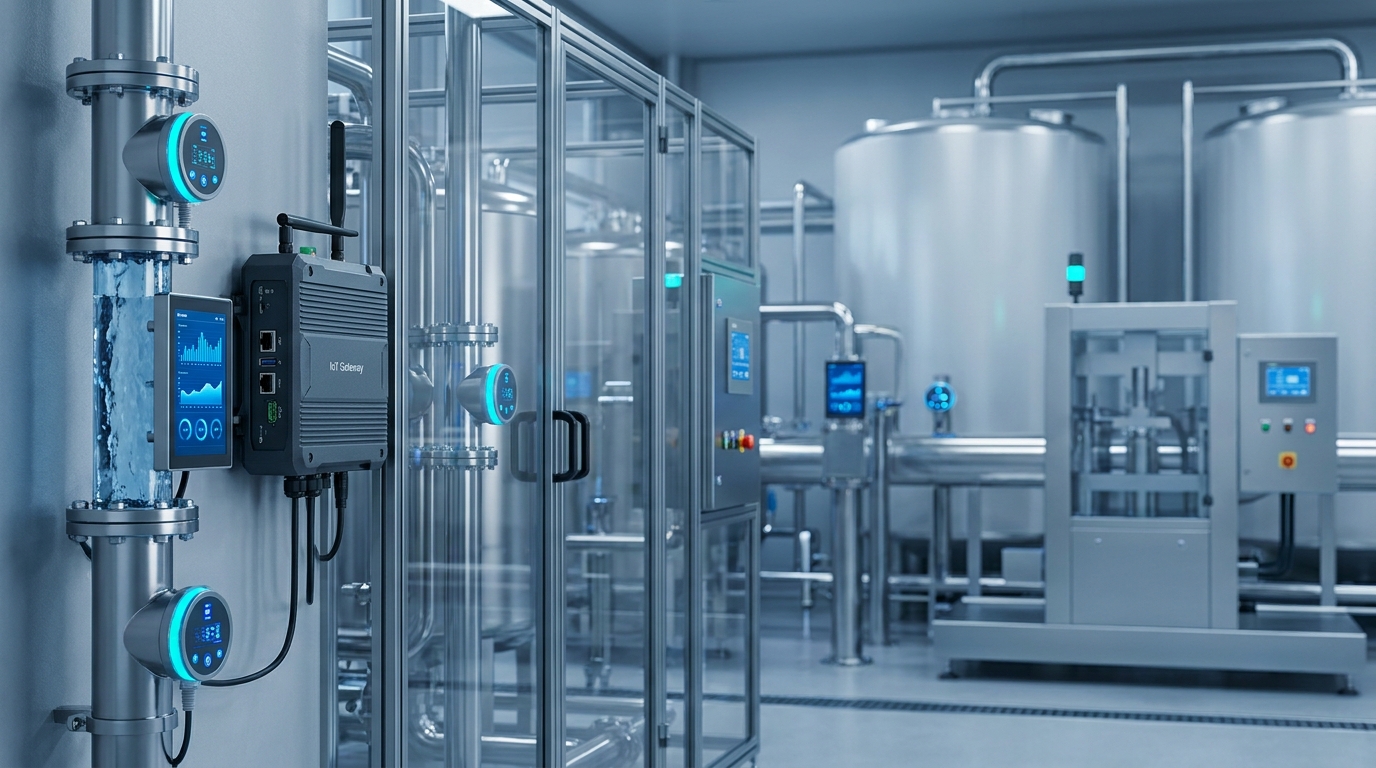
Modern telemetry networks process data locally — triggering immediate alerts and automated valve adjustments without waiting for cloud round-trips. This localized decision-making capability is critical for flood control, pressure management, and contamination detection in intelligent water networks.
Precision Sensing Technologies Powering Edge Analytics
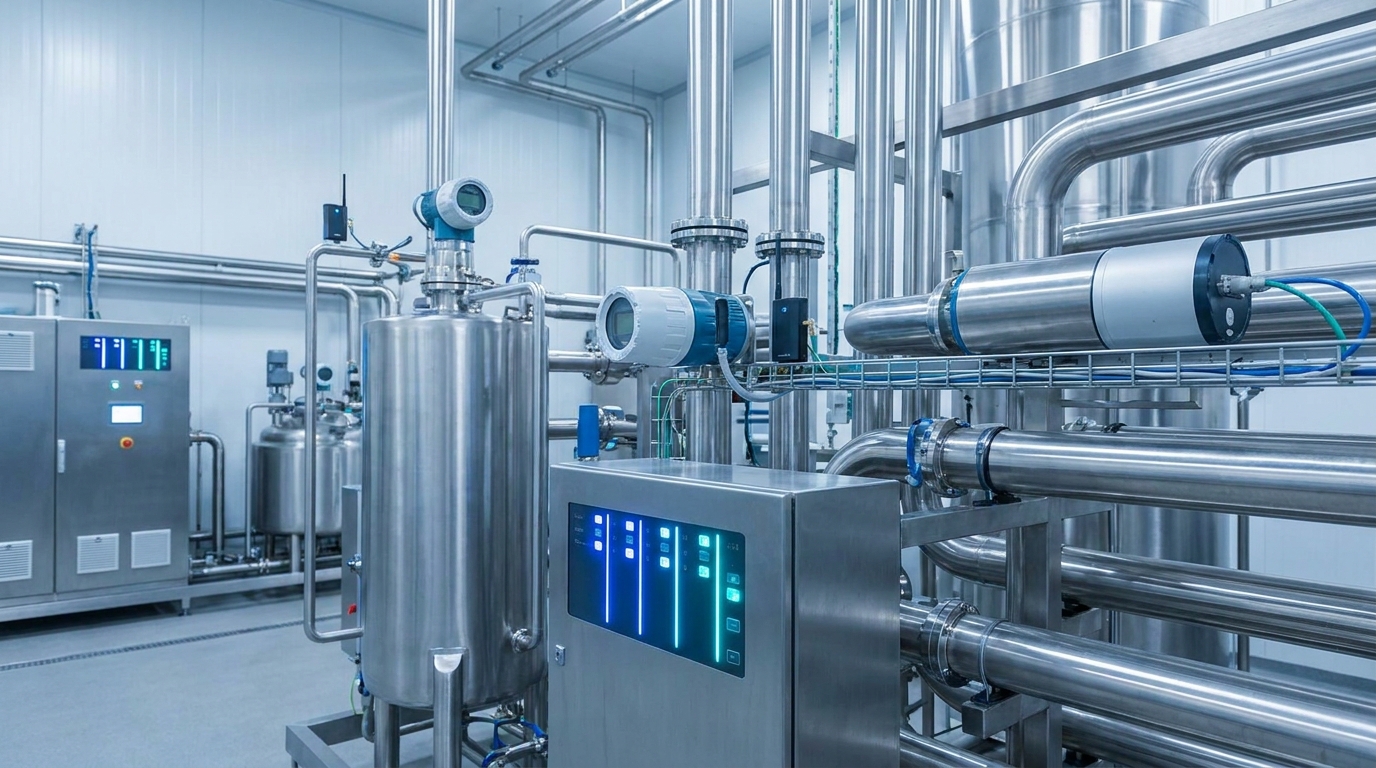
Hardware innovation is accelerating alongside software advancements. Modern water networks rely on a heterogeneous mix of specialized sensors — each optimized for specific environmental conditions and performance requirements.
Electromagnetic Flowmeters
Standard for DMA balancing; deliver reliable volumetric data regardless of flow turbulence or pipe degradation.
80GHz Radar Level Sensors
Provide millimeter-precision surface measurements in open channels and storage facilities — unaffected by temperature, foam, or vapor.
Multi-band Doppler Flow Radar
Integrates visual verification for subsurface pipe inspection — eliminating excavation in diagnostic scenarios.
Global Implications and Strategic Positioning of Telemetry Solutions
The democratization of high-fidelity telemetry is reshaping global supply chains. Historically, premium monitoring hardware was dominated by legacy manufacturers — creating cost barriers for mid-tier utilities.
Today, Chinese engineering firms are rapidly scaling production of ruggedized, interoperable sensing modules that meet international accuracy standards while offering competitive pricing — accelerating ROI and enabling broader deployment across developing regions.
Navigating Integration and Standardization Hurdles in Water Telemetry
Despite technological maturity, widespread adoption faces systemic friction. Data silos remain pervasive — with legacy billing systems, GIS platforms, and hydraulic models operating on incompatible frameworks.
Utilities must invest in middleware and standardized communication protocols such as MQTT, OPC UA, and RESTful APIs to unify telemetry outputs. Cybersecurity is equally critical: edge devices exposed to public networks require hardware-level encryption, secure boot processes, and regular firmware patching.
The Path Forward for Intelligent Water Networks
The convergence of precision sensing, edge computing, and open data architectures is no longer a pilot initiative — it is the operational baseline for resilient water management.
As climate volatility intensifies and regulatory scrutiny tightens, utilities embracing continuous telemetry gain decisive advantages in resource optimization, regulatory compliance, and public trust — transforming aging pipelines into intelligent, sustainable lifelines through advanced telemetry and edge intelligence.
Sources
- International Water Association: Non-Revenue Water Challenges and Solutions
- U.S. EPA: Water Infrastructure Funding and Financing
- UN Water: SDG 6 Progress Report on Water Security
- Global Water Intelligence: Telemetry and Leak Detection Market Trends