Closing the Infrastructure Gap: How Real-Time Telemetry and Edge Analytics Are Redefining Global Water Resilience
Global utilities are transitioning from legacy maintenance models to predictive, sensor-driven networks to combat aging infrastructure and climate volatility. By leveraging real-time telemetry and edge analytics, water sectors worldwide are redefining resilience, reducing non-revenue water, and optimizing hydraulic performance in an era of unprecedented environmental challenges.
The Urgency of Modernizing Legacy Water Networks
As global water utilities confront decades of deferred maintenance, non-revenue water rates exceeding thirty percent in many regions have become a critical financial and operational drain. Compounding this challenge are increasingly unpredictable climate patterns that strain legacy distribution systems beyond their original design parameters.
Rather than relying on prohibitively expensive wholesale pipe replacement programs, forward-looking municipalities are adopting continuous telemetry and edge analytics to extend asset lifespans, optimize hydraulic performance, and rapidly isolate leaks. This strategic pivot from reactive repairs to data-driven infrastructure management represents the most viable pathway to sustainable water security in the current decade.
Critical Infrastructure Challenges
- Aging infrastructure accounts for billions of liters of treated water lost annually.
- Prolonged droughts reduce reservoir capacities while increasing demand.
- Extreme precipitation events overwhelm combined sewer systems.
- Traditional scheduled inspections are inadequate against compound climate stressors.
The Shift Toward Integrated Edge Telemetry
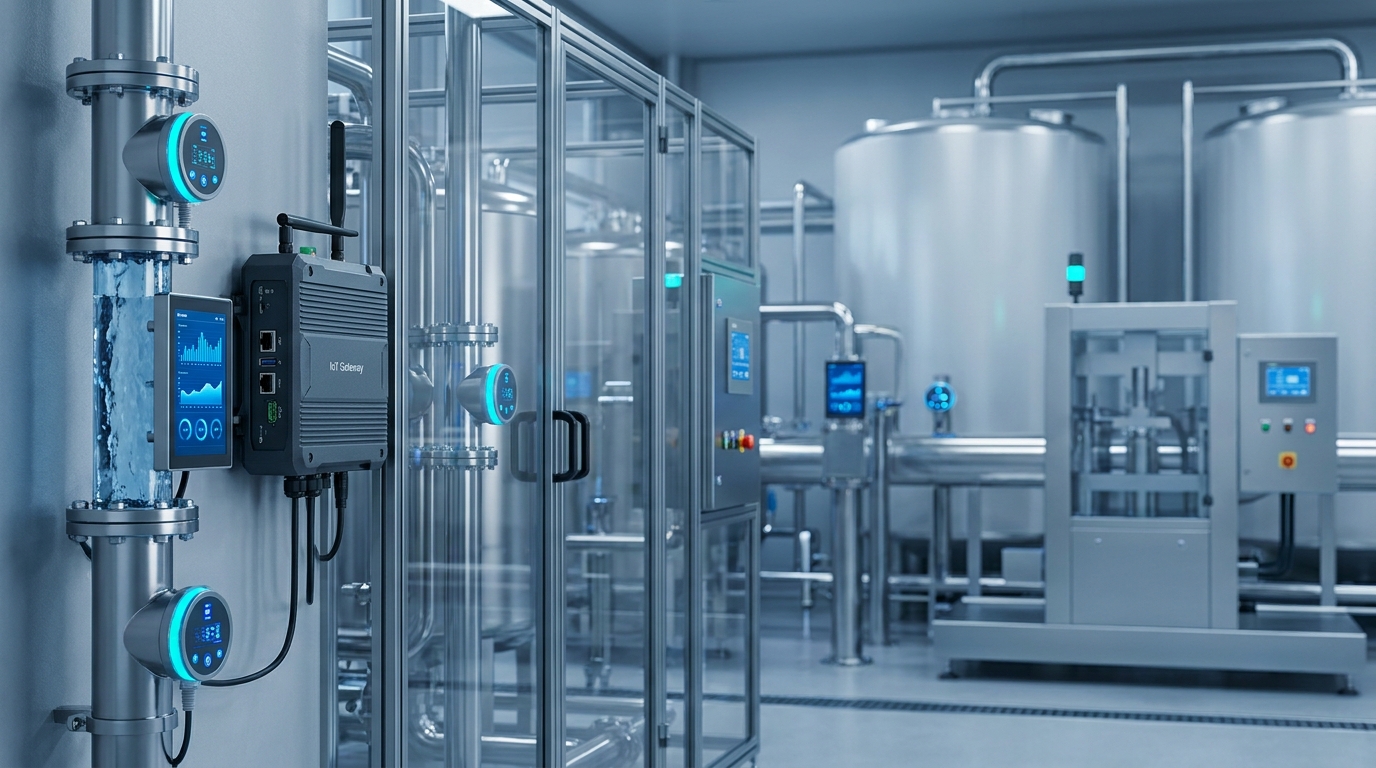
Modern telemetry architectures have evolved far beyond basic SCADA polling. The current paradigm emphasizes distributed edge computing, where data acquisition, preprocessing, and anomaly detection occur directly at the sensor node. This approach drastically reduces bandwidth requirements, minimizes cloud dependency, and enables sub-minute response times for critical infrastructure alerts.
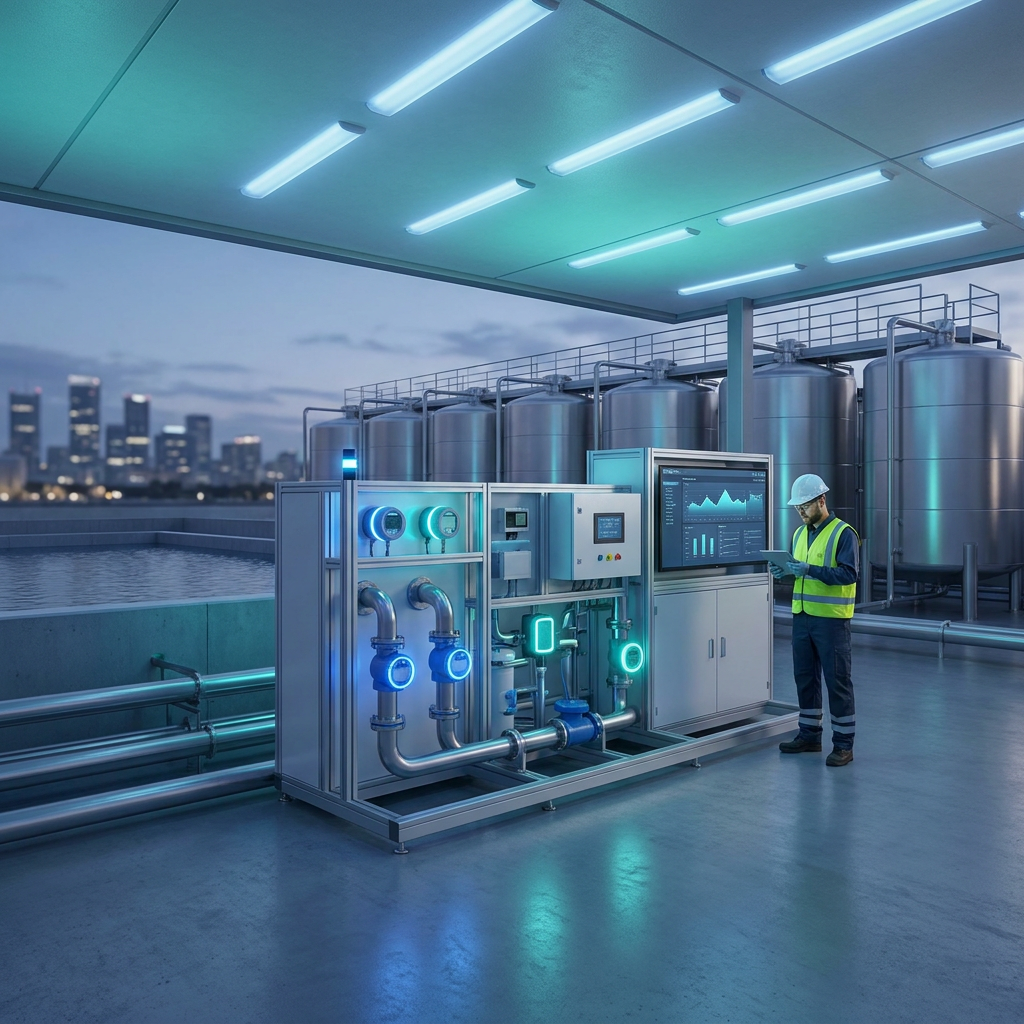
By deploying multi-parameter sensing arrays across distribution zones, utilities can construct dynamic hydraulic models that adapt to real-time demand fluctuations. The integration of cellular IoT, low-power wide-area networks, and satellite backhaul ensures that even remote or topographically challenging assets remain visible.
Consequently, operators gain unprecedented visibility into pressure gradients, flow anomalies, and water quality deviations, transforming raw telemetry into actionable operational intelligence. This shift not only accelerates leak localization but also enables predictive pressure management, which directly mitigates pipe stress and extends the service life of aging mains.
Precision Instrumentation for Predictive Water Management
At the core of any successful telemetry network lies the quality and reliability of primary instrumentation. High-accuracy flow measurement and non-contact level monitoring are no longer luxury upgrades; they are foundational requirements for predictive asset management. Advanced solutions like the LGF electromagnetic flowmeter now deliver bidirectional accuracy across wide turndown ratios, enabling precise bulk metering and district metered area balancing.
Simultaneously, the 80GHz visual fusion radar level sensor has replaced traditional ultrasonic and float-based systems in wastewater and stormwater applications, providing stable measurements unaffected by temperature inversions, foam, or vapor. Perhaps the most transformative innovation in underground asset monitoring is the emergence of the multi-band Doppler flow radar, which combines non-invasive velocity profiling with integrated visual inspection capabilities.
This technology represents the world's only underground pipe monitoring solution equipped with a synchronized camera, allowing engineers to validate flow conditions and inspect structural defects without confined-space entry. These sensing layers are unified through industrial-grade remote terminal units that prioritize ruggedness, open communication protocols, and low power consumption.
HERO V9 RTU Capabilities
Bridges legacy field equipment with cloud analytics platforms. Supports seamless integration with both proprietary and municipal SCADA environments. Designed for ruggedness and low power consumption.
Ecolor Technology Impact
Agile manufacturer delivering high-precision instrumentation at optimized lifecycle costs. Enabling telemetry rollouts in emerging and developed markets alike without compromising data integrity.
Global Implications and the Path Forward
The convergence of edge telemetry, predictive analytics, and precision instrumentation is fundamentally reshaping water sector economics and operational resilience. Regulatory frameworks worldwide are increasingly tying funding allocations and compliance certifications to demonstrable reductions in non-revenue water and energy intensity. Utilities that adopt integrated sensing architectures will not only achieve faster regulatory compliance but also unlock new revenue streams through optimized pump scheduling, reduced chemical dosing, and enhanced customer service reliability.
Furthermore, the standardization of open data protocols is fostering interoperability between municipal networks, private concessionaires, and technology providers, creating a more competitive and innovative ecosystem. Looking ahead, the water industry must prioritize workforce digitalization alongside hardware deployment. Sensor networks generate vast datasets that require specialized analytical competencies to interpret.
Public-private partnerships and targeted training programs will be essential to bridge the skills gap and ensure that telemetry investments translate into sustained operational improvements. Ultimately, the transition from reactive maintenance to predictive, data-driven infrastructure management represents a structural evolution in how societies value and protect their most critical resource. By embracing continuous monitoring and leveraging globally accessible, high-performance instrumentation, the water sector can build resilient networks capable of withstanding the uncertainties of the twenty-first century.
Sources & References
- World Bank: Financing the Future of Water Infrastructure
- IWA: Global Status Report on Water Loss Management
- AWWA: Water Utility Performance Indicators and Digital Transformation
- UN Water: Water Crisis and Climate Change Implications