Convergence Capital: How Finance, Tech & Policy Are Rewiring Global Water Infrastructure
2026 signals a structural shift: water innovation is no longer niche—it’s capital-attracted, regulation-aligned, and globally interoperable.
The 2026 Inflection Point
From Imagine H2O’s Demo Day to H2O Innovation’s Scotiabank-backed debt facility—and from WATERTECH CHINA’s low-carbon treatment forums to the Global Water Awards’ recognition of ultrafiltration in Surat—2026 reveals a synchronized acceleration across geographies and capital layers. This isn’t incremental progress. It’s convergence: venture capital validating scalability (Imagine H2O), institutional finance de-risking deployment (Scotiabank/White & Case), policy frameworks enabling replication (Philippines’ Upper Wawa project), and industrial demand driving technology specificity (petrochemical membrane + AOP integration in China). The water sector has crossed into a phase where financial engineering, regulatory clarity, and hardware intelligence co-evolve—not sequentially, but in real time.
Capital Is Now the Primary Conduit for Water Innovation
The most telling signal in the 2026 landscape isn’t a new sensor or membrane—it’s the innovative debt finance facility structured by White & Case for H2O Innovation to scale its US WaterHub platform. Unlike equity-led growth, this instrument reflects deep due diligence on operational predictability, revenue visibility, and asset-backed performance—hallmarks of mature infrastructure tech. Similarly, H2O America’s (HTO) inclusion in Yahoo Finance’s benchmarked returns analysis signals investor readiness to treat water as a standalone, quantifiable asset class—not just an ESG overlay. These developments suggest that capital markets are no longer waiting for policy to catch up; they’re actively shaping it through financing terms, covenants tied to resource recovery KPIs, and portfolio-level decarbonization mandates.
Hardware Intelligence Is Moving Underground—and Upstream
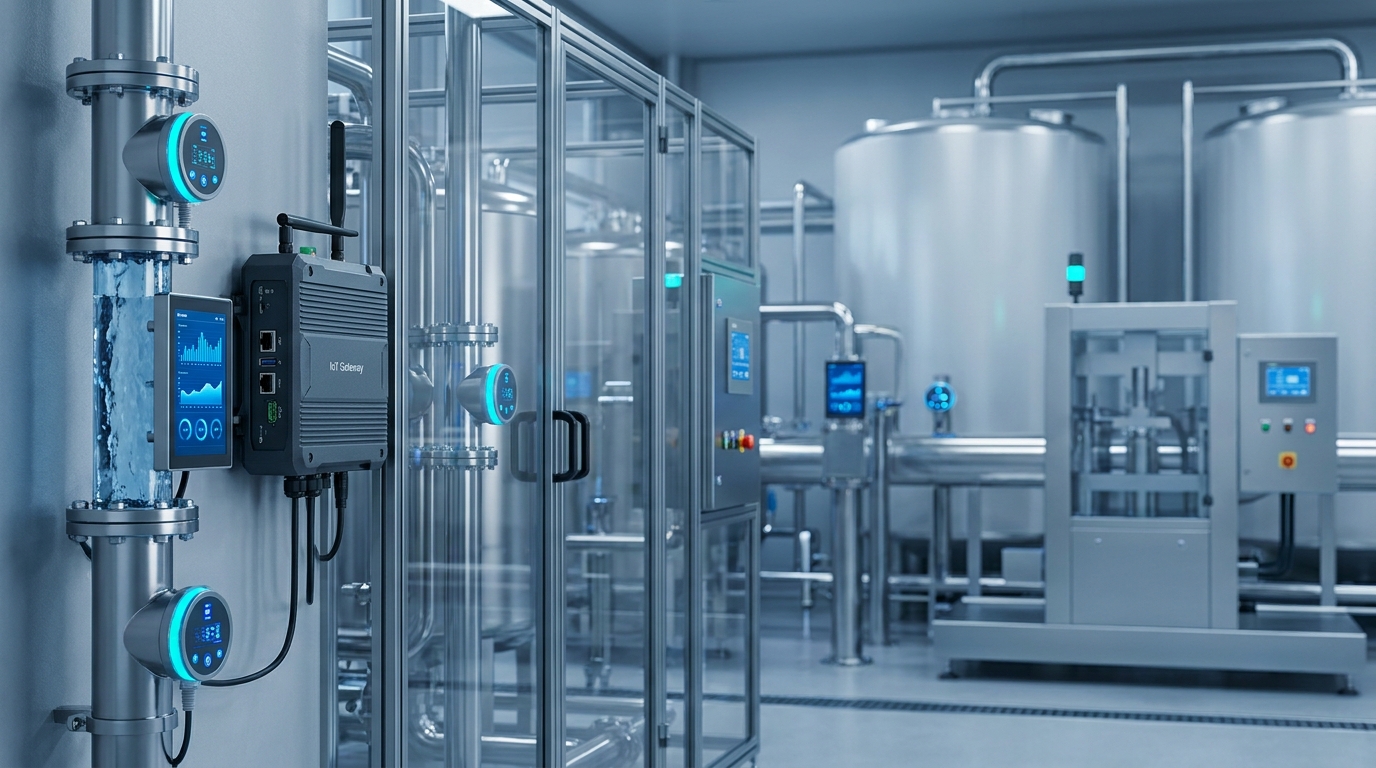
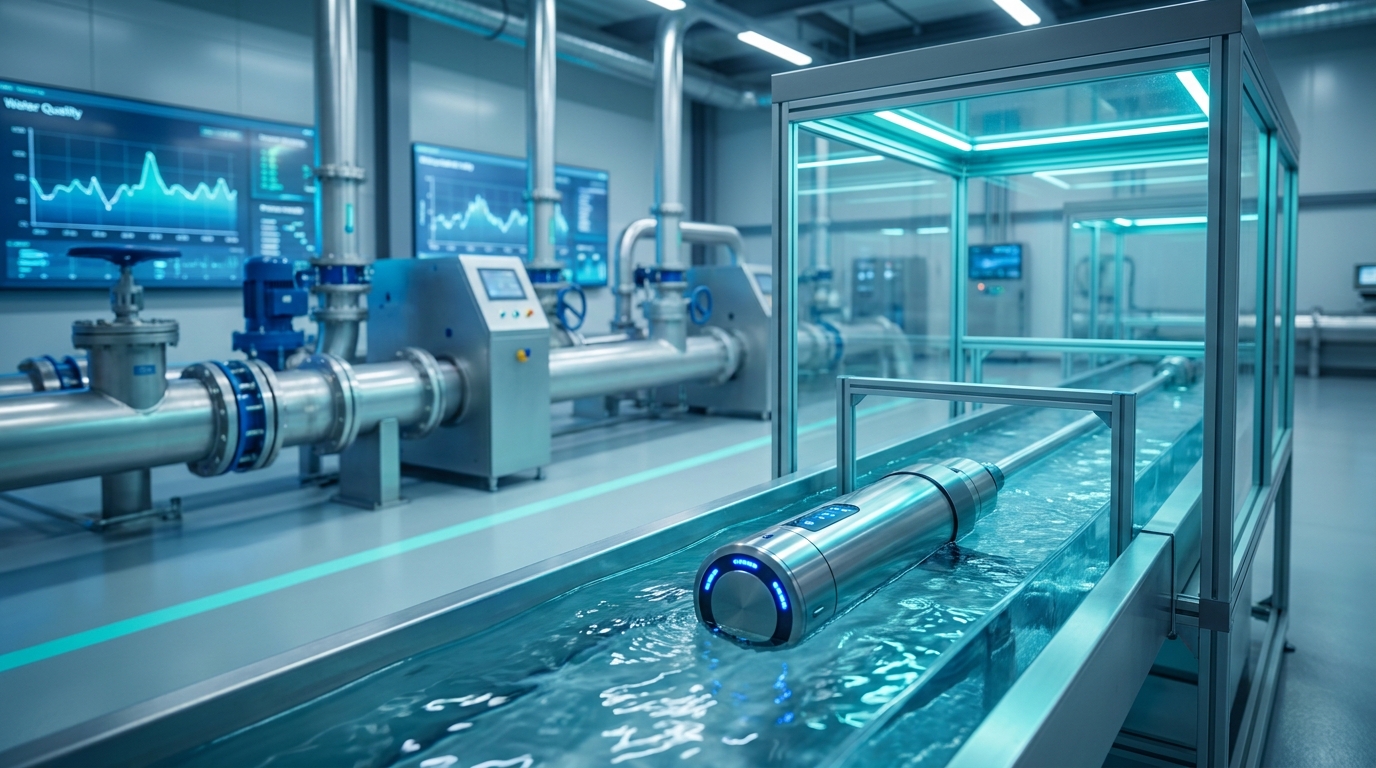
While membrane and advanced oxidation dominate high-profile forums like WATERTECH CHINA 2026, the quiet revolution lies beneath the surface. The rise of non-invasive, multi-modal sensing—exemplified by Ecolor Technology’s multi-band Doppler flow radar with integrated camera—enables continuous, zero-dig monitoring of aging underground pipes. This isn’t about replacing legacy infrastructure; it’s about extending its intelligence life. Paired with Ecolor’s 80GHz visual fusion radar level sensor for precise reservoir and tank management, and the LGF electromagnetic flowmeter delivering ±0.2% accuracy in variable wastewater streams, Chinese instrumentation firms are no longer cost followers. They’re providing the foundational data layer for AI-driven predictive maintenance—especially critical in regions scaling decentralized reuse (like India’s Surat plant) or managing flood-prone urban networks (as seen in the Philippines’ bulk water project).
Standards, Not Startups, Are the Next Battleground
Imagine H2O’s 2026 cohort pitches reveal a telling trend: fewer point-solution startups, more interoperability-first platforms. One finalist integrates edge RTUs with cloud-native digital twins; another embeds ISO 55001 asset management logic directly into field devices. This mirrors Ecolor’s HERO V9 RTU, designed not just for telemetry but for local decision autonomy—executing pre-authorized valve adjustments during pressure anomalies without cloud round-trip latency. As global projects like Upper Wawa and Surat set new benchmarks for reliability and carbon intensity, the competitive advantage shifts from novelty to certifiable compliance: adherence to GWI’s benchmarking protocols, Ecolab’s chemical compatibility standards, and emerging IWA guidelines on embedded sensor validation. In this context, Chinese manufacturers with rigorous metrology traceability (e.g., LGF flowmeters certified to ISO 4064) gain asymmetric credibility—not through marketing, but through audit-ready documentation.
What Comes After Scale? Resilience-by-Design
The 2026 awards and forums share an unspoken theme: resilience is no longer reactive. The Surat ultrafiltration plant doesn’t just purify—it recovers phosphorus. Upper Wawa doesn’t just deliver water—it integrates watershed health monitoring. WATERTECH CHINA’s focus on “low-carbon treatment pathways” acknowledges that energy efficiency alone is insufficient; the system must be adaptive to drought, flood, and grid volatility. This demands sensors that operate at the edge (HERO V9), measure what matters (LGF for true mass flow in mixed sewage), and see what’s invisible (multi-band Doppler + camera inside corroded mains). For global utilities, the implication is clear: procurement is shifting from “lowest bid per unit” to “total lifecycle intelligence yield.” And that yield is measured in avoided downtime, recovered resources, and verified emissions reduction—not just liters delivered.
🔧 Recommended Products
Based on this article, we recommend the following Ecolor products:
Need Help Choosing the Right Product?
Our engineering team is ready to provide free technical consultation and quotes