Electromagnetic Flowmeters in Irrigation Districts: Precision Metering and Long-Term Reliability Engineering Guide
A comprehensive technical guide for selecting, installing, and maintaining electromagnetic flow measurement systems in challenging agricultural environments.
1 Unique Metering Challenges in Irrigation Districts
Irrigation districts present fundamentally different measurement conditions compared to municipal water networks. Three primary challenges define the engineering environment:
Complex Water Quality
Raw irrigation water carries suspended sediments (up to 5 kg/m³ during flood season), algae, agricultural chemical residues, and organic debris that accelerate sensor degradation.
Extreme Flow Variability
Seasonal irrigation cycles create flow ratios exceeding 10:1 between peak demand (summer paddy flooding) and off-season base flow.
Harsh Field Conditions
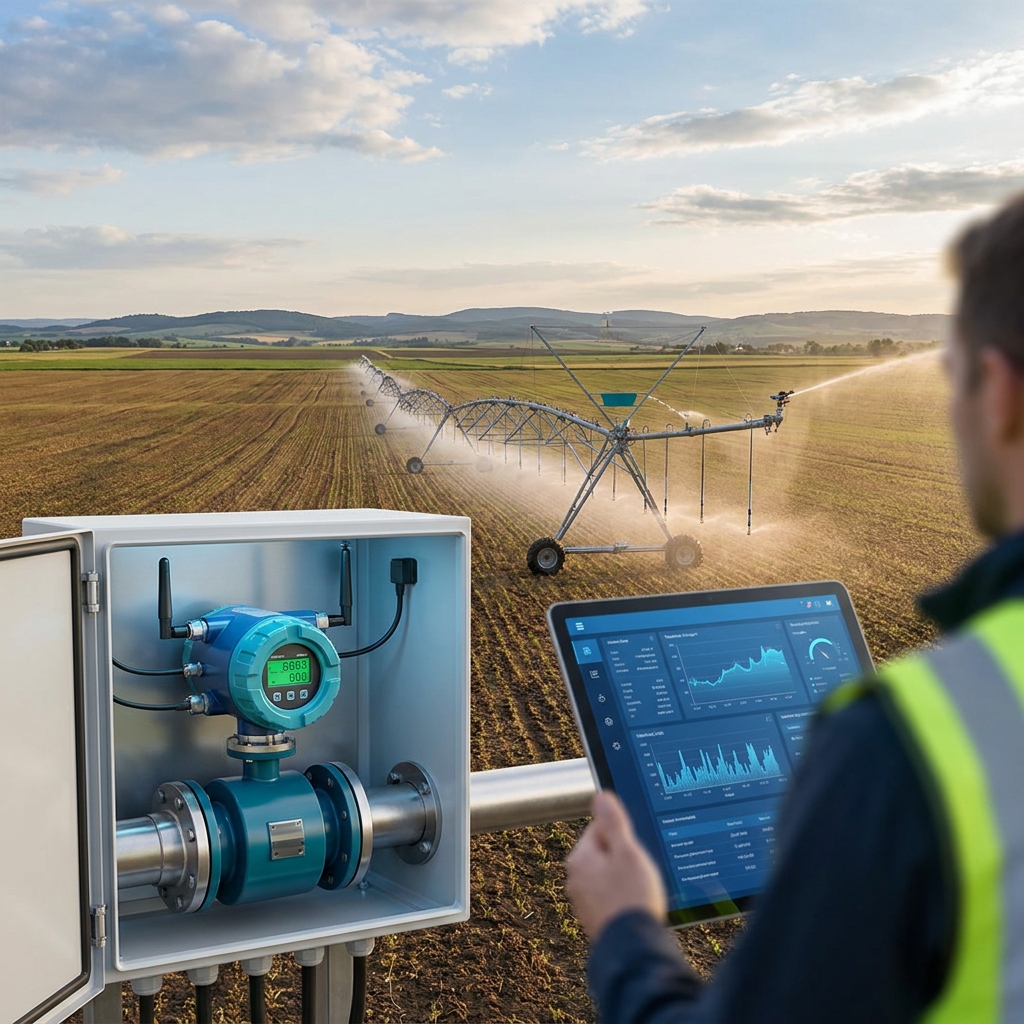
Remote measurement points lack grid power, cellular coverage, and controlled environments -- demanding solar-powered, satellite/LoRa-connected instrumentation.
Traditional methods (flumes, weirs, mechanical current meters) require frequent manual intervention and suffer accuracy loss from biofouling. Electromagnetic flowmeters, with no moving parts, +/-0.5% accuracy (per ISO 4064 Class B), and turndown ratios exceeding 100:1, have emerged as the preferred technology.
2 Selection Strategy for Three Typical Scenarios
Scenario 1: Open Canal Cross-Section Metering
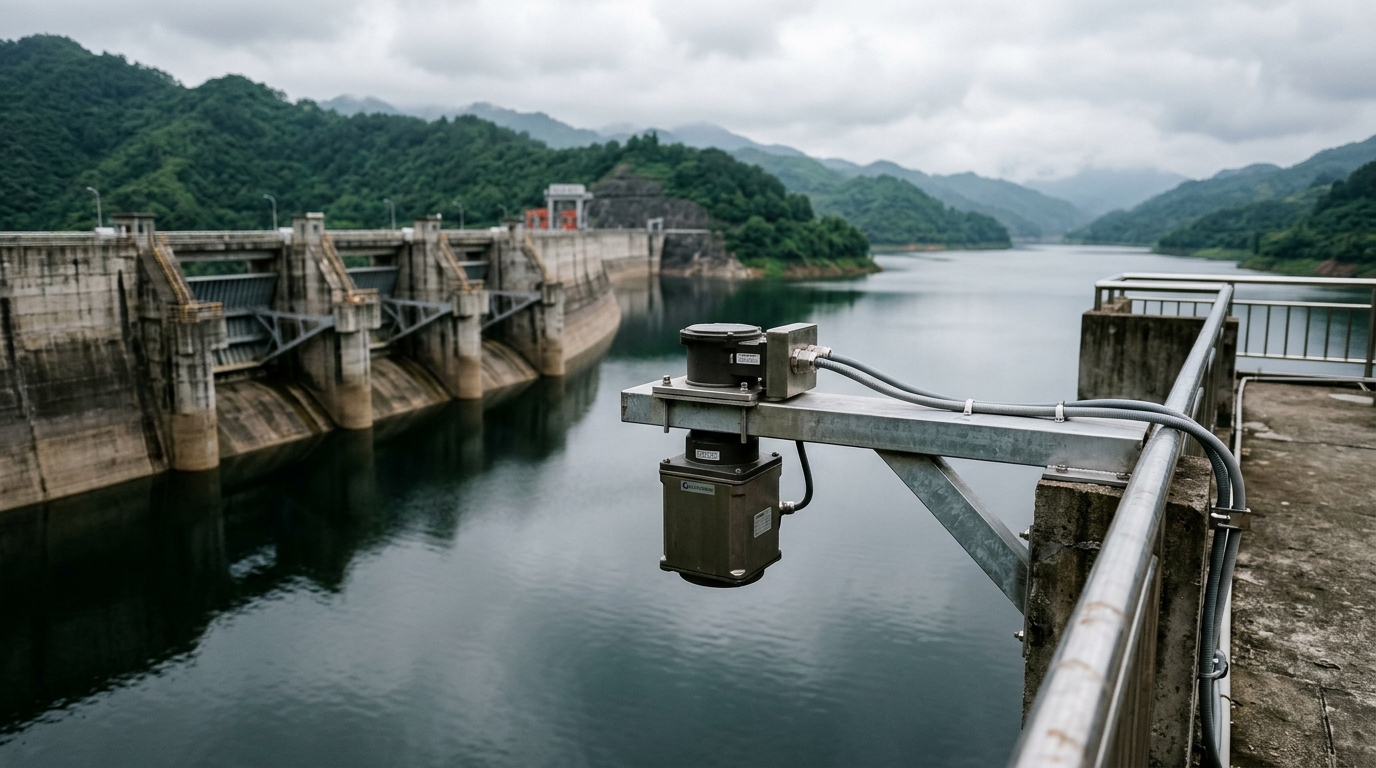
For trapezoidal or rectangular canals, electromagnetic flowmeters are installed in a controlled measurement section. Key selection parameters include:
- Size selection: Calculate maximum cross-sectional area from canal bed width and design water depth. Select sensor diameter so normal flow velocity falls within 0.3-3.0 m/s (the optimal measurement range per OIML R49).
- Liner material: Polyurethane liners recommended for sediment-laden main canals (abrasion resistance 3-5x better than neoprene); PTFE liners suitable for clean-water branch canals.
- Electrode material: 316L stainless steel for general freshwater; Hastelloy C or titanium electrodes required for coastal reclamation areas with elevated chloride concentrations (>500 mg/L).
Scenario 2: Pipeline Conveyance Metering
Pressurized pipeline systems (PCCP, HDPE) are increasingly adopted in high-efficiency irrigation districts. Engineering requirements:
- Full-pipe condition mandatory: Install at low points ensuring complete filling; upstream/downstream straight runs >=5D and >=3D respectively.
- Remote configuration: Split-mounted setup preferred (sensor in pipeline, transmitter in adjacent valve chamber) for accessibility.
- Grounding: Grounding rings or grounding electrodes essential when piping has insulating liners (HDPE, PVC) to prevent signal floating.
Scenario 3: Pumped Irrigation (Pump Station Outlet)
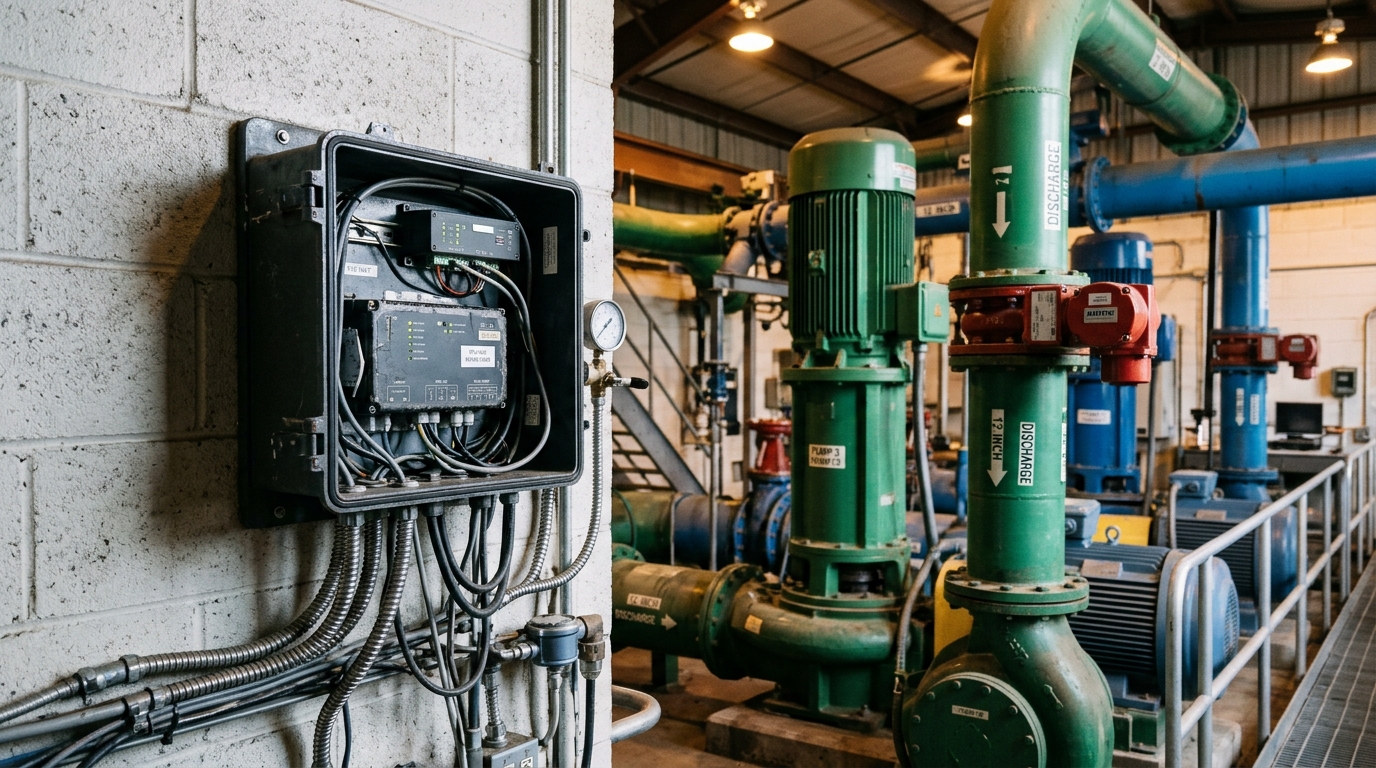
Pump station outlets represent the most critical -- and most challenging -- measurement nodes:
- EMI Rejection: VFD-driven pumps generate high-frequency electrical noise; select smart transmitters with advanced noise rejection algorithms (per IEC 61326 EMC requirements).
- Redundancy: Dual-sensor redundancy recommended for critical stations: two parallel flowmeters enabling cross-validation and continuous operation during maintenance.
- Protection: IP68 protection rating mandatory for pump house environments with high humidity and potential submersion.
3 Installation and Maintenance Engineering Practices
Installation Standards
- Position sensors away from flow disturbances (bends, gates, expansions) -- minimum 10D upstream straight run.
- Signal cables routed in galvanized steel conduit (KBG type), separated from power cables by >=0.5 m to prevent EMI coupling.
- Lightning-prone regions require signal surge protection devices (SPD).
Maintenance Protocol
- Off-season: Drain sensor chambers to prevent freeze damage or sediment consolidation.
- Pre-season: Perform zero-point calibration and insulation resistance test (electrode-to-ground >=20 MOhm).
- Digital Integration: Smart transmitters with remote diagnostics should integrate with IoT RTU platforms for real-time anomaly detection and predictive maintenance.
Summary
Electromagnetic flowmeters deployed in irrigation districts must address sediment abrasion, extreme seasonal flow variation, and off-grid power constraints. Through systematic liner/electrode selection, rigorous installation practices, and seasonal maintenance protocols, these instruments achieve sustained +/-0.5% accuracy -- providing the data foundation for total water quantity control and allocation management.
Combined with solar-powered IoT RTU telemetry, electromagnetic flowmeters form the sensing backbone of modern smart irrigation infrastructure aligned with ISO 4064 and OIML R49 metrological standards.