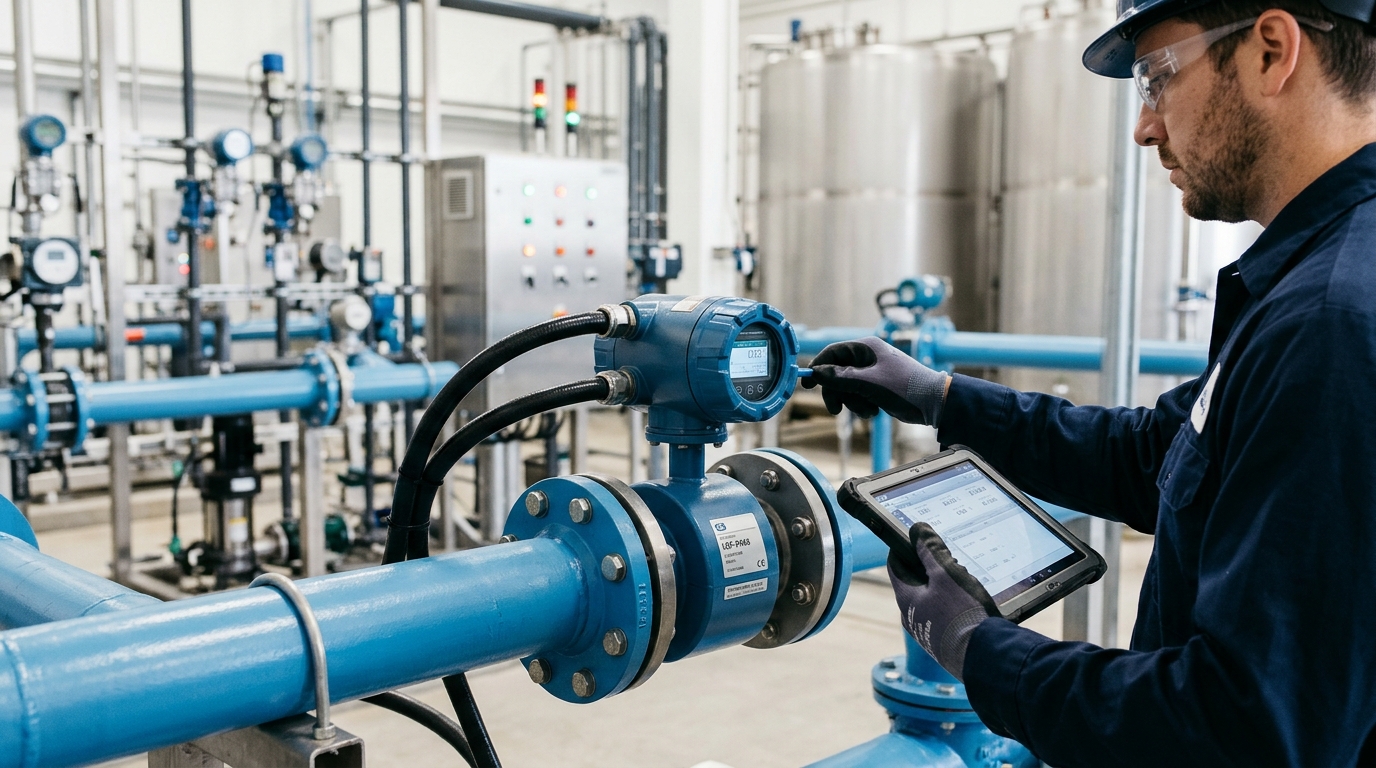
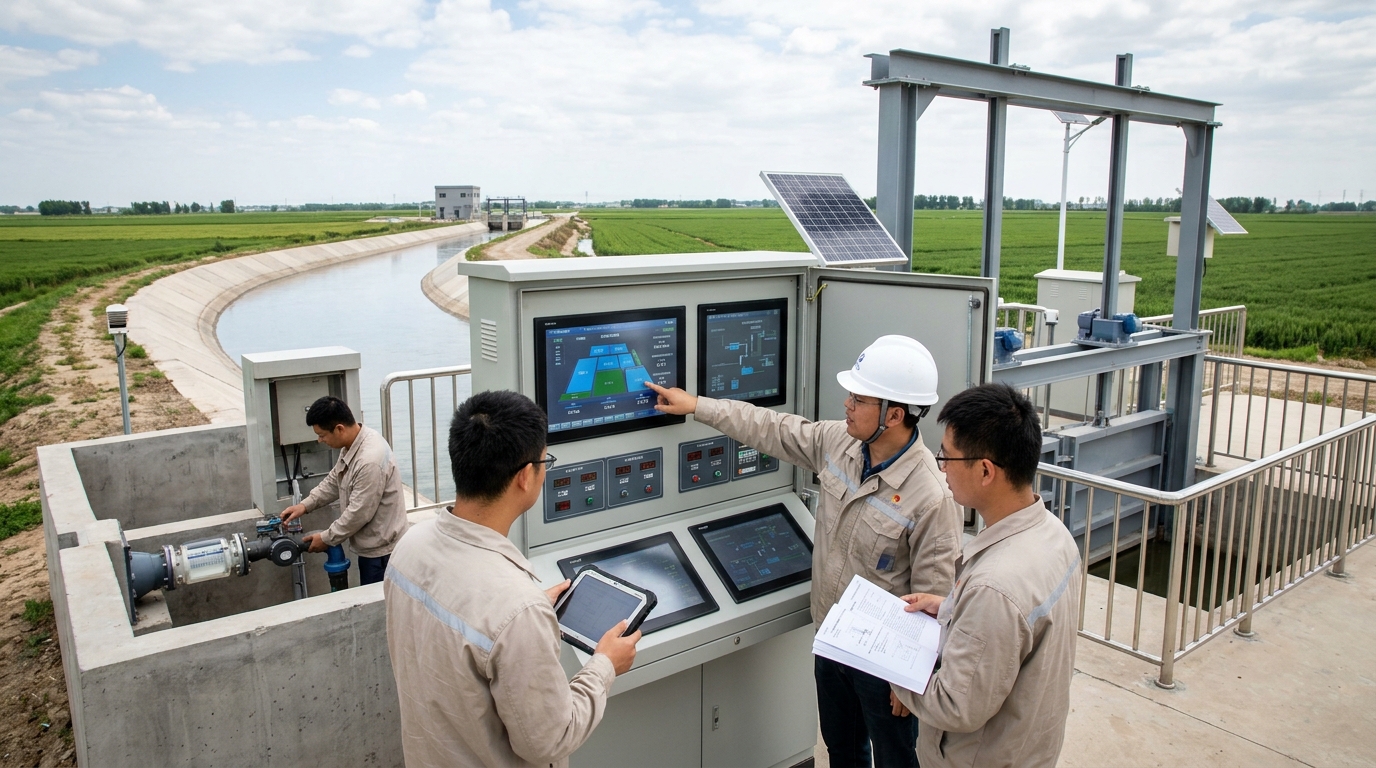
Electromagnetic Flowmeter Selection and Maintenance: How Much Does the LGF-PA66 Cost?
A comprehensive analysis of market trends, pricing structures, material innovations (LGF-PA66), and lifecycle cost evaluation for DN50 electromagnetic flowmeters in complex industrial environments.
Introduction: Market Shifts Toward Lifecycle Value
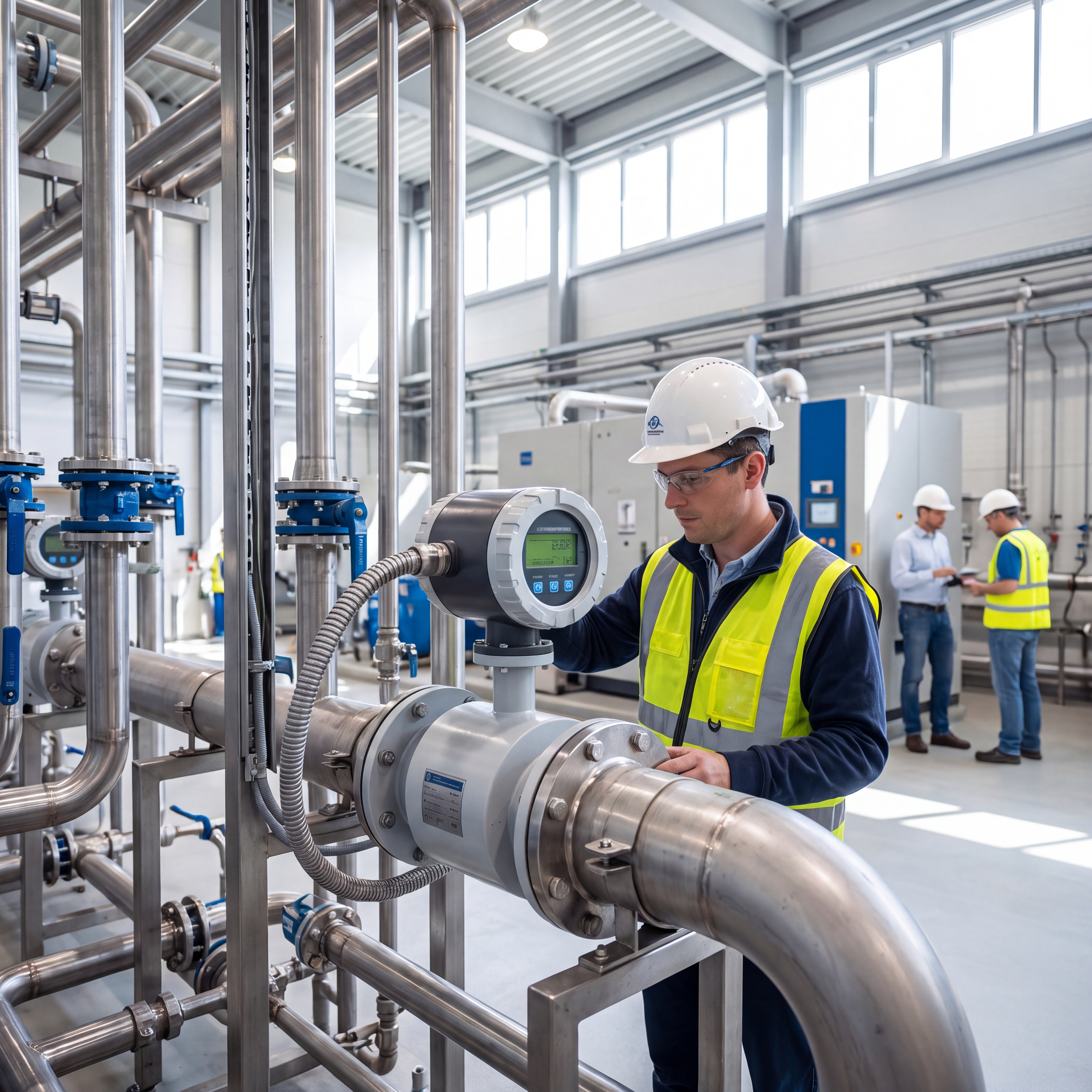
In process industries such as municipal water, wastewater, chemical, power, metallurgy, food and beverage, and new energy materials, electromagnetic flowmeters have become critical equipment. Their advantages—no mechanical moving parts, a straight-through measuring channel, low pressure loss, and linear measurement—are increasingly vital as application scenarios expand from clean water to complex conditions like acid/alkali media, sewage, and mineral slurries.
Market attention has shifted from mere bore size and price toward corrosion resistance, structural reliability, and maintenance intervals. Specifically, for small-to-medium bores like DN50, purchasers now demand higher structural strength and ingress protection ratings due to limited installation space and corrosive media. Keywords like LGF-PA66 (Long Glass Fiber Reinforced Polyamide 66) and one-piece injection molding frequently appear in selection discussions, reflecting an industry shift from “usable” to “durable and low-maintenance.”
I. Market Size and Demand Structure
China's electromagnetic flowmeter market is estimated at RMB 7.5–9.5 billion annually (2024), with shipments of 600,000–850,000 units. Growth is driven by environmental upgrades and safety retrofits, expected to remain stable at 5%–8% annually.
Key Application Sectors
- Municipal/Water (30-35%): Raw water, sewage lifting, sludge return.
- Chemical/Fine Chem (25%): Acid/alkali metering, reactor feed.
- Power/Metallurgy (10-15%): Circulating water, ash/mineral slurry.
The Rise of Small Bores
Small and medium bores (DN15-DN100) account for ~40% of volume. DN50 is representative for dosing quantity accounting, regional energy statistics, and batch ingredient metering, requiring high stability.
II. Product Price Range Analysis
Price is determined by bore size, lining, electrodes, and certifications. Below are reference ranges for standard configurations (tax included).
| Bore Size | Standard Price (RMB) | High-Corrosion Config (RMB) |
|---|---|---|
| DN25 | 2,800 – 6,000 | - |
| DN40 | 3,200 – 7,000 | - |
| DN50 | 3,500 – 9,000 | 6,000 – 15,000+ |
| DN80 | 5,000 – 15,000 | - |
| DN100 | 7,000 – 25,000 | - |
Note: Adding PTFE/PFA linings, Hastelloy/Titanium electrodes, IP68 rating, or explosion-proof certification can increase the DN50 price to RMB 12,000–22,000.
III. Material Innovation: LGF-PA66 One-Piece Injection Molding
Corrosion protection isn't just about the lining; it includes the housing. In harsh environments (chemical parks, coastal plants), traditional metal housings rust, and plastic housings crack.
What is LGF-PA66?
Long Glass Fiber Reinforced Polyamide 66. Compared to short-glass nylon, it offers superior tensile strength, creep resistance, and dimensional stability.
- Higher impact resistance
- Better thermal stability
- Reduced weight compared to metal
Why One-Piece Molding?
One-piece injection molding eliminates weld seams, screw holes, and assembly gaps found in multi-part assemblies. This significantly reduces the probability of moisture and corrosive gases entering the terminal enclosure, crucial for DN50 applications where space is tight.
IV. Purchasing Recommendations: A 6-Step Guide
- Conductivity Check: Ensure liquid conductivity ≥ 5 μS/cm. Deionized water or oils are unsuitable.
- Flow & Bore Sizing: For DN50, optimal velocity is 1–3 m/s (Flow: ~7–21 m³/h). Avoid long-term operation below 3.5 m³/h.
- Accuracy Class: Use Class 0.5 for trade settlement/batching; Class 1.0 is sufficient for general process monitoring.
- Lining & Electrodes:
- Clean Water: Neoprene/Rubber + 316L.
- Acid/Alkali: PTFE/PFA + Hastelloy/Titanium/Tantalum.
- Abrasive Slurry: Polyurethane lining.
- Installation Conditions: Maintain 5D upstream / 3D downstream straight pipe lengths. Install grounding rings for insulating pipes.
- Intelligent Features: Prioritize models with empty-pipe detection, self-diagnosis, and anti-interference capabilities for hard-to-reach areas.
V. Maintenance Cost Analysis
Annual maintenance costs typically range from 1% to 6% of the initial purchase price, depending on media cleanliness.
Case Study: A chemical plant replaced standard housings with LGF-PA66 one-piece molded DN50 meters. Over 18 months, maintenance events dropped from 45 to 19, and annual costs halved from RMB 46,000 to RMB 23,000.
VI. Typical Application Cases
Municipal Wastewater Plant
Used DN50 meters with neoprene/PTFE linings and LGF-PA66 housings (IP67) in high-humidity, chlorine-risk areas. Result: Metering error within ±0.8%, maintenance frequency reduced from twice/month to once/quarter.
Fine Chemical Project
Transfer of 30% HCl and 20% NaOH at 60°C. Selected PTFE linings with Hastelloy electrodes and LGF-PA66 housings. Result: Zero-point drift controlled within 0.3% over 24 months with no housing corrosion.
New Energy Material Workshop
Slurry transfer and cleaning water. Lightweight LGF-PA66 structure facilitated quick disassembly during short maintenance windows. Electrode cleaning interval extended to ~90 days.
VII. Outlook: Intelligence and Lifecycle Management
The industry is shifting from "lowest-price award" to "life-cycle cost assessment." Future selections will prioritize:
- Intelligence: Self-diagnostics, remote calibration, and predictive maintenance features.
- Material Reliability: Wider adoption of LGF-PA66 and composite materials for better environmental adaptability.
- Total Cost of Ownership: Considering downtime losses and maintenance frequency alongside initial purchase price.
For engineering users, deeply understanding medium characteristics and selecting robust structures like LGF-PA66 one-piece molding helps improve system stability and reduce long-term operating risks.