How to Choose the Right Electromagnetic Flowmeter? Accuracy and Stability Are Key
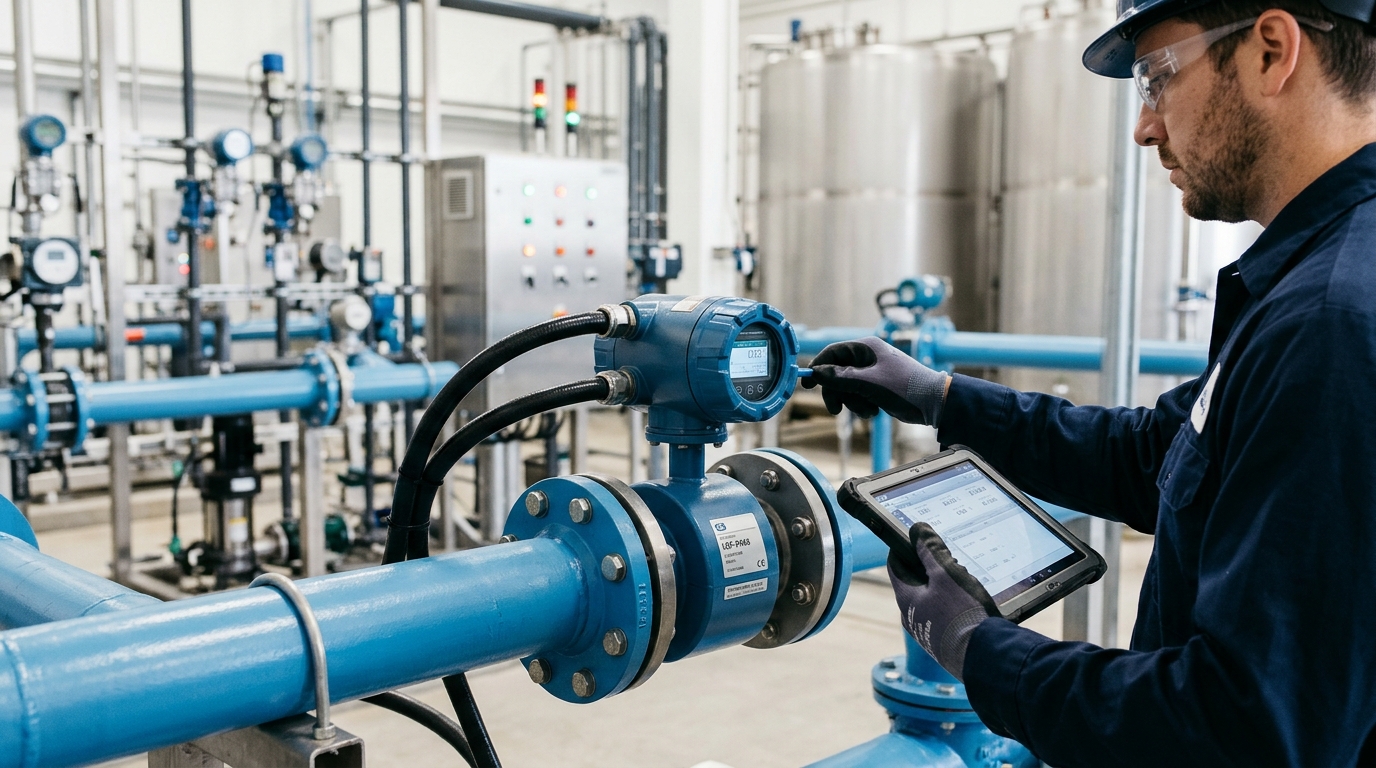
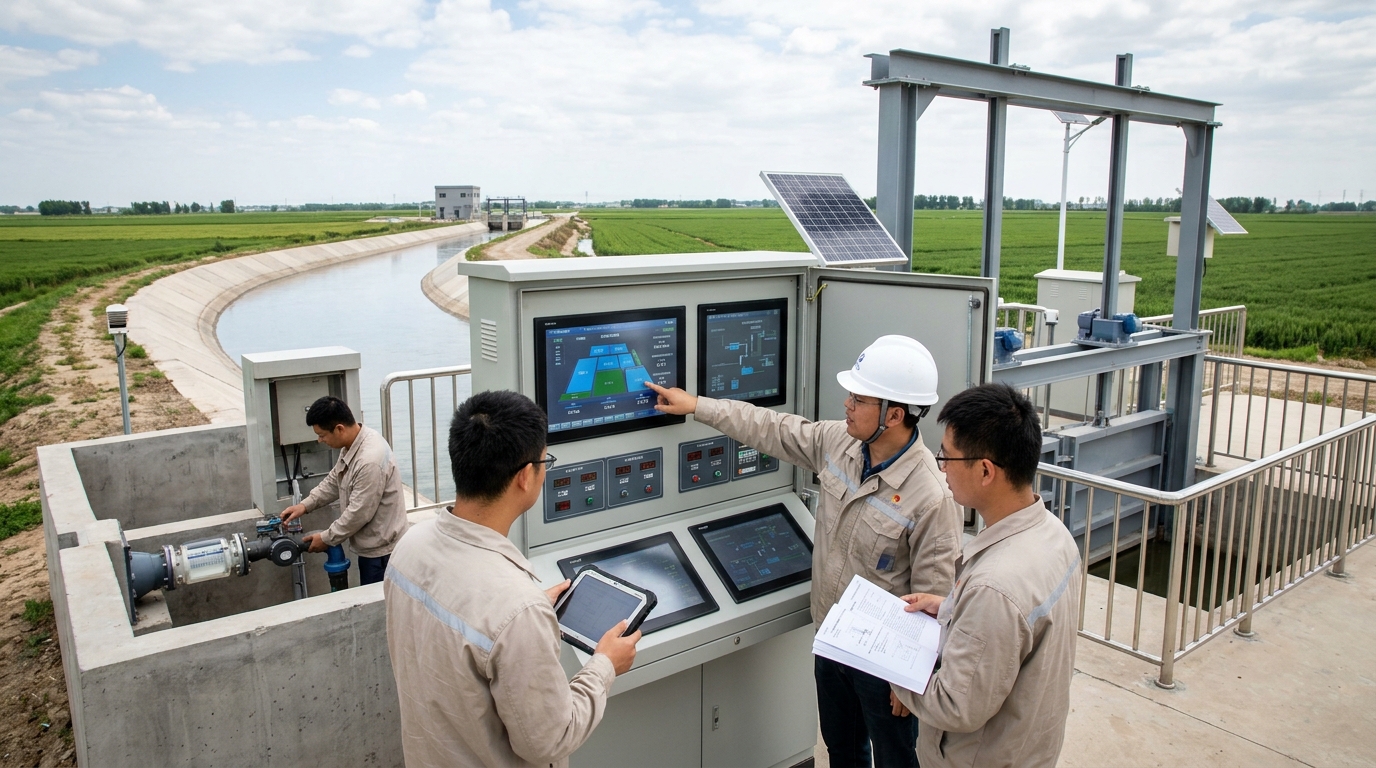
In industrial scenarios such as municipal water supply, wastewater treatment, chemical dosing, circulating water, food and pharmaceutical production, and mining and metallurgy, electromagnetic flowmeters have become one of the mainstream instruments for conductive liquid flow measurement. Their popularity stems from distinct advantages: zero pressure loss, no moving mechanical parts, wide turndown ratio, and bidirectional flow measurement capability.
As the process industry increasingly focuses on measurement stability, anti-corrosion reliability, and total lifecycle cost, users no longer focus solely on caliber, accuracy, and price when selecting instruments. Instead, their considerations have expanded to multiple dimensions, including measuring tube structure, excitation method, electrode type, lining material, converter algorithms, and on-site installation and maintenance conditions.
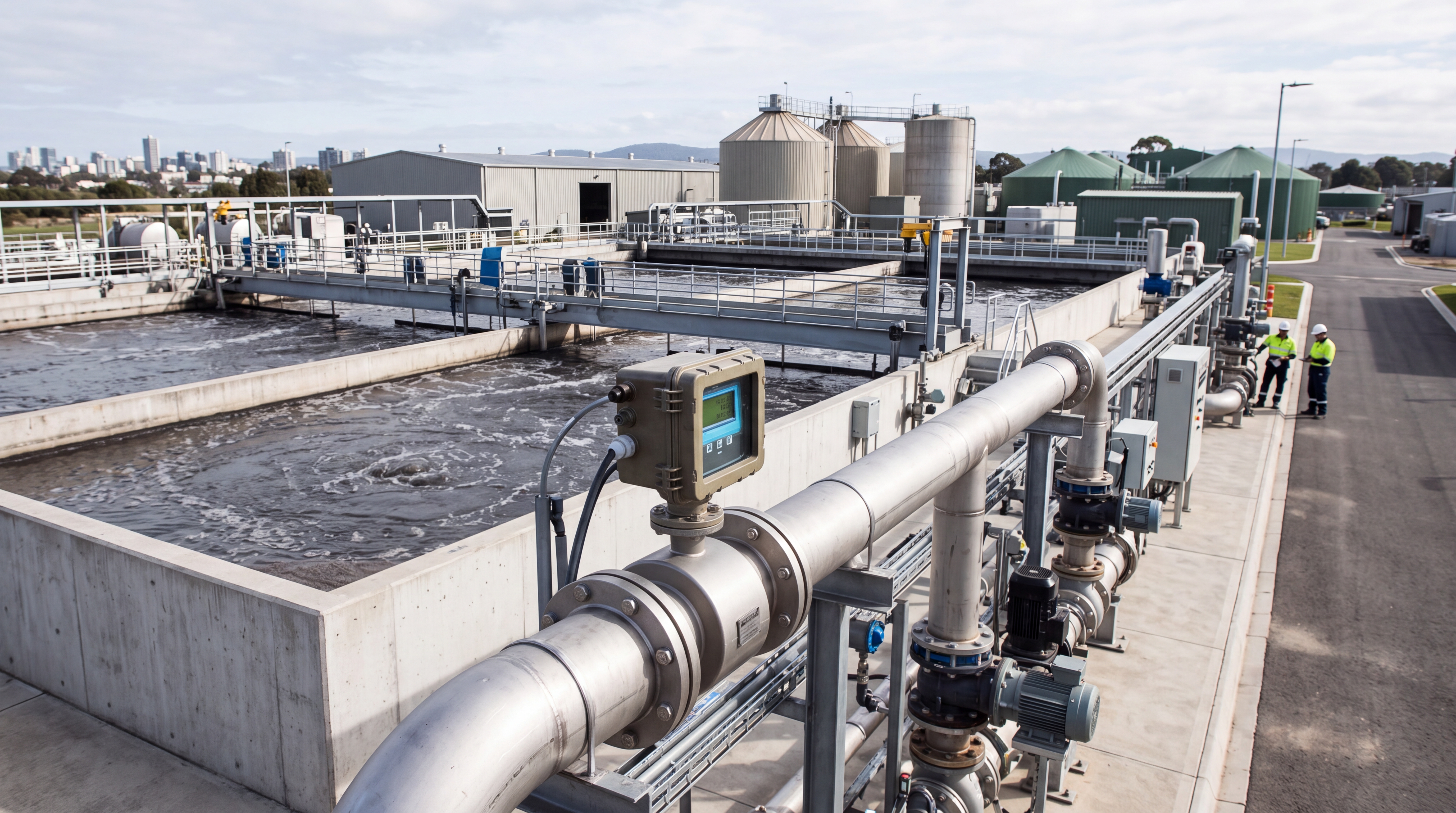
Figure 1: Technical routes comparison for modern electromagnetic flowmeters.
"This article does not provide a single product recommendation but aims to offer engineers, procurement personnel, and system integrators a practical technical judgment framework."
Evaluation Dimensions: From Accuracy to Long-term Stability
Electromagnetic flowmeters operate based on Faraday's law of electromagnetic induction. Since there are no obstructing components in the measuring tube, they are particularly suitable for conductive liquids containing solid particles, fibers, or those prone to scaling. However, this principle defines its basic boundaries: the measured medium typically requires a certain level of electrical conductivity, with a common industry threshold of around 5μS/cm or above.
DN50 Sizing Example
- Nominal ID: 50mm (Area ≈ 0.00196 m²)
- Flow @ 1m/s: ~7.06 m³/h
- Flow @ 3m/s: ~21.2 m³/h
- Ideal Range: Small to medium branches (5–35 m³/h)
Performance Metrics
- Accuracy: Class 0.5 (General), Class 0.3/0.2 (High-performance)
- Repeatability: Better than 0.1%
- Turndown Ratio: 1:10 to 1:20
- Key Focus: Long-term drift & diagnostic capabilities
For custody transfer or energy metering, pay close attention to verification conditions, installation straight pipe lengths, and grounding requirements. For process control, more emphasis should be placed on long-term drift, electrode contamination, empty pipe alarms, and diagnostic capabilities. The superiority of an electromagnetic flowmeter is not just reflected in laboratory errors, but in its ability to continuously output reliable data under complex field conditions.
Measuring Tube Structure Routes
1. Metal Lining with Internal Coating
Typically uses carbon steel or stainless steel as the external pressure-bearing shell, with internal linings of PTFE, PFA, rubber, or polyurethane. Advantages include mature technology, wide diameter coverage (DN50 to DN1000+), and strong pressure-bearing capacity.
2. Ceramic Measuring Tube/Lining
Materials like alumina and zirconia possess high hardness, wear resistance, and temperature resistance. Suitable for ore slurry, ash water, paper pulp, and fluids with solid particles.
- Pros: Long wear life, excellent chemical stability.
- Cons: Brittle, sensitive to thermal shock/mechanical impact. Higher cost.
- Best For: Highly abrasive, high-value, or high-downtime-cost scenarios.
3. Engineering Plastic Injection-Molded Integrated Structure
Increasingly used for small-bore anti-corrosion flowmeters (DN15–DN100). Utilizes materials like PP, PVDF, PA66, and specifically LGF-PA66 (Long Glass Fiber Reinforced Nylon 66).
Material Properties (LGF-PA66)
- Tensile Strength: 180–260 MPa
- Flexural Modulus: 10–15 GPa
- Lower molding shrinkage rate
Core Value
Reduces assembly gaps and potential leakage points. Integrates shell, electrode mounting seat, and protective structure into a single molded piece, enhancing sealing and reducing maintenance difficulty in corrosive environments.
Note: While LGF-PA66 offers superior integration for DN50 small-bore applications, it has lower temperature/pressure resistance compared to metals and limited tolerance to strong acids/oxidizers.
Excitation and Signal Processing Routes
The excitation method is a key factor determining on-site stability. Modern products generally use AC or pulse excitation rather than traditional DC.
| Route | Mechanism | Application Scenario |
|---|---|---|
| Low-Frequency Rectangular Wave | Switches at low frequencies (e.g., 6.25Hz–50Hz) to reduce polarization. | Clean water, wastewater, general chemicals. Stable operation, Class 0.5 accuracy. |
| Dual-Frequency Excitation | Superimposes high-frequency component to suppress slurry noise. | Ore slurry, paper pulp, mud. High-noise, high-solid environments. |
| Programmable Pulse + DSP | Auto-adjusts frequency/amplitude; enables self-diagnosis. | Remote O&M, unattended stations. Supports HART/Modbus/Profibus. |
When selecting, do not blindly pursue high configurations. Prioritize minimum conductivity and grounding for clean water; dual-frequency excitation for slurries; and bus communication/diagnostics for remote systems.
Electrode and Lining Routes
Contact Electrodes
Establish direct electrical signal connection. Strong signal, high accuracy.
- 316L: Domestic water, weak acid/alkali.
- Hastelloy/Titanium: Chloride ions, acidic/reducing substances.
- Tantalum: Various acidic environments (avoid HF).
Capacitive Electrodes
Non-contact sensing through insulating lining. No metal exposed to fluid.
- Suitable for scaling, adhesion-prone media.
- High food-grade hygiene requirements.
- Reduced electrode corrosion/contamination.
Anti-Corrosion System Engineering
Anti-corrosion is not a single material issue but a systems engineering challenge. Beyond lining and electrodes, attention must be paid to flange faces, grounding rings, shells, wiring chambers, and fasteners.
In environments with acid mist, chlorine gas, or salt spray, adopting an LGF-PA66 injection-molded integrated shell can reduce external corrosion paths and improve consistency under IP65/IP67 protection ratings. This is particularly significant for DN50 small-bore anti-corrosion flowmeters in dosing rooms and laboratory sampling lines.
Case Study: DN50 Chemical Dosing Modification
Problem Scenario
A fine chemical enterprise's circulating water dosing system used a standard DN50 flowmeter for chloride-containing, weakly acidic agents (Temp: 35–55°C, Pressure: 0.3–0.6MPa). After 14 months, the ordinary metal shell rusted, wiring chamber seals aged, causing intermittent signal drift and high maintenance frequency (quarterly checks).
Solution Implemented
- Lining/Electrode: PTFE lining, Hastelloy electrodes.
- Structure: LGF-PA66 injection-molded integrated shell and electrode seat.
- Benefit: Reduced assembly gaps, eliminated external corrosion paths.
Result
After 18 months, no obvious shell corrosion or water ingress occurred. Maintenance frequency reduced from quarterly to semi-annual, with zero drift checks showing no abnormalities.
Selection Recommendations by Scenario
Municipal Wastewater / General Water
Low-frequency rectangular wave excitation, contact electrodes, rubber/PTFE linings, metal shell. Ensure flow velocity is 1–4m/s and maintain 5D upstream / 3D downstream straight pipe lengths.
Chemical Dosing / Corrosive Branches
Prioritize anti-corrosion design. LGF-PA66 injection-molded integrated structures are recommended for DN50 small-bore applications where space is limited and corrosion is strong.
Ore Slurry / Ash Water
Dual-frequency excitation, ceramic or wear-resistant rubber linings, erosion-resistant electrodes. Avoid reliance on ordinary plastic components if particle size/velocity is high.
Food / Pharmaceutical
Focus on CIP/SIP cleaning, material compliance, and surface roughness. PTFE/PFA linings and hygienic stainless steel electrodes are common. Capacitive structures help reduce adhesion.
Concluding Outlook
From the perspective of industry development, electromagnetic flowmeters are evolving from single flow measurement instruments into process sensing and asset diagnostic nodes. Continuous advancements in material technology (like LGF-PA66, PVDF, PPS) provide more possibilities for structural strength and anti-corrosion integration. Simultaneously, digital excitation and edge computing are shifting maintenance models from post-failure repair to predictive management.
In the future, selection will place greater emphasis on total lifecycle cost. There is no absolute superiority or inferiority in technical routes—only suitability for operating conditions. Engineers should make combined selections based on medium characteristics, flow ranges, environmental conditions, and maintenance resources. Only by placing materials, structures, algorithms, and field conditions on the same technical map can electromagnetic flowmeters truly achieve stable, accurate, and sustainable flow measurement.