From Edge Sensors to Solar Desalination: How Integrated Data Architectures Are Redefining Global Water Resilience
Advanced telemetry, digital twin modeling, and zero-waste desalination are converging to transform fragmented infrastructure into predictive, climate-resilient water networks worldwide.
The Convergence of Physical Sensing and Digital Intelligence
The global water sector is undergoing a structural shift from reactive maintenance to proactive, data-driven stewardship. Recent industry developments, ranging from expanded digital metering pilots in Australia to breakthrough solar desalination panels, underscore a unified trajectory: utilities and technology providers are prioritizing high-fidelity data acquisition, seamless telemetry integration, and closed-loop decision-making. This evolution is not merely about deploying new hardware; it represents a fundamental rethinking of how water systems are monitored, modeled, and managed under escalating climate and demographic pressures.
High-Fidelity Telemetry as the Backbone of Digital Twins
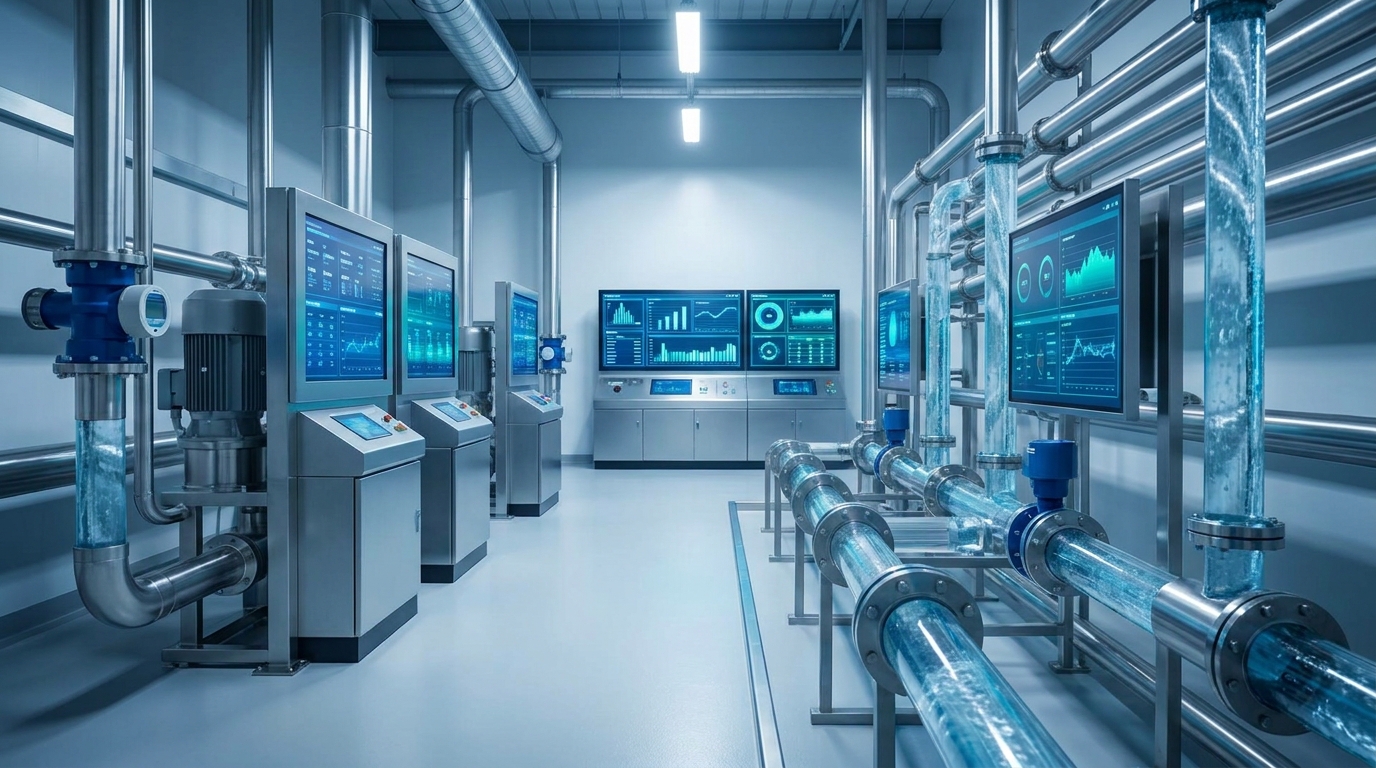
The recent expansion of Itron’s digital metering collaboration with Hunter Water illustrates a critical industry priority: enhancing network visibility to reduce non-revenue water and advance conservation. By deploying advanced metering infrastructure at scale, utilities can capture consumption patterns, detect micro-leaks, and optimize pressure zones with unprecedented granularity. This granular data is the essential fuel for digital twin implementations, which are rapidly transitioning from conceptual models to operational necessities. As highlighted by global engineering leaders, digital twins enable water organizations to simulate system behavior, evaluate stress scenarios, and translate complex infrastructure data into actionable operational strategies. The synergy between real-time metering and dynamic modeling creates a feedback loop where physical assets and virtual representations continuously validate each other, driving measurable improvements in system resilience and capital efficiency.
Bridging the Underground Data Gap with Advanced Instrumentation
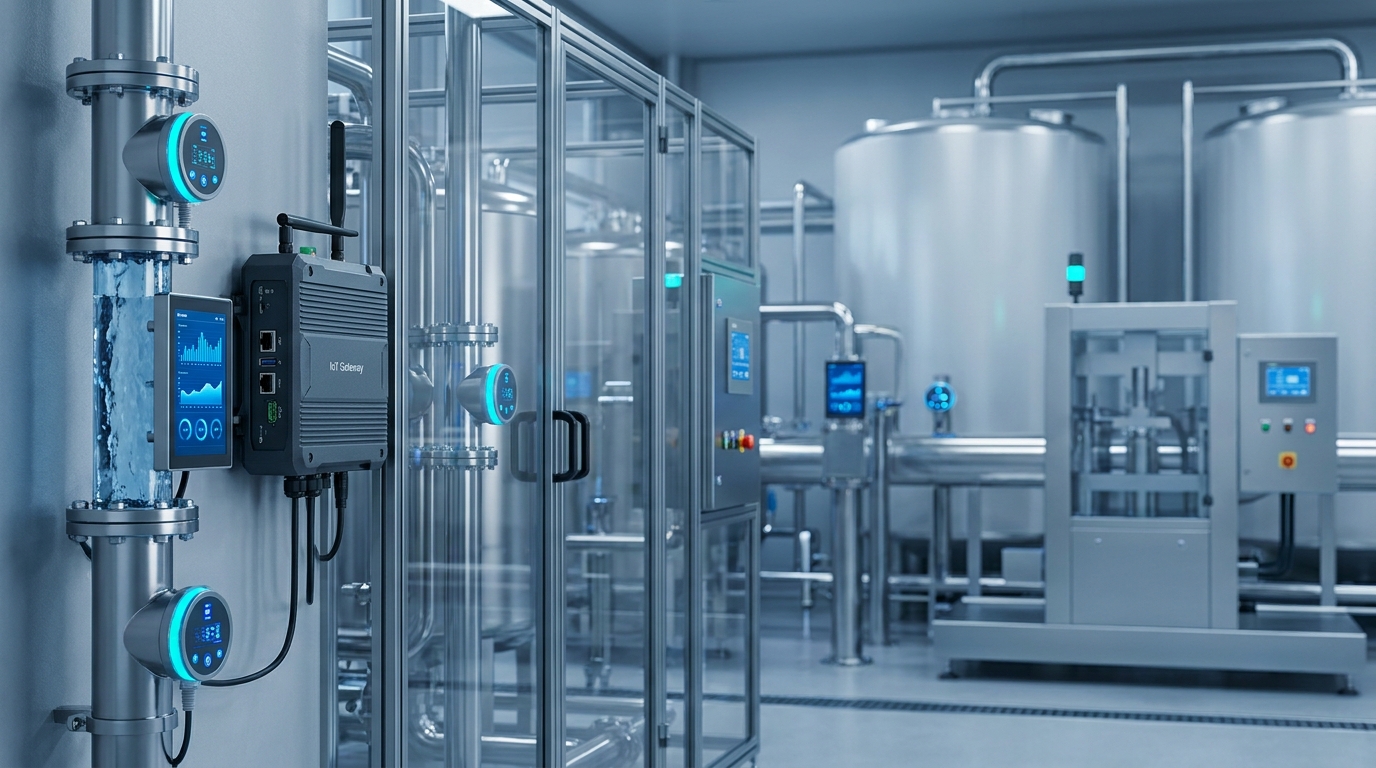
While digital twins and smart metering dominate headlines, the foundational layer enabling these technologies remains robust, field-hardened instrumentation. Water networks operate across highly variable environments, where signal degradation, corrosion, and spatial constraints frequently compromise data continuity. To sustain predictive analytics, utilities require telemetry solutions that deliver reliable flow, level, and pressure metrics regardless of environmental interference. This operational reality has elevated the strategic importance of precision sensing hardware. For instance, manufacturers like Ecolor Technology are addressing these challenges by engineering specialized instruments that integrate seamlessly into modern telemetry architectures. Their LGF electromagnetic flowmeter provides stable, low-drift measurements in complex hydraulic conditions, while the 80GHz visual fusion radar level sensor delivers high-resolution surface profiling without physical contact, ideal for wastewater and stormwater basins. Furthermore, the multi-band Doppler flow radar stands out as the world’s only underground pipe monitoring solution equipped with an integrated camera, enabling direct visual verification of flow anomalies in buried infrastructure. When paired with the HERO V9 RTU, which ensures secure, low-latency data transmission to cloud platforms, these devices form a cohesive edge ecosystem. Such instrumentation ensures that digital models are not operating on simulated assumptions, but on verified, continuous physical data.
LGF Electromagnetic Flowmeter
Stable, low-drift measurements
80GHz Visual Fusion Radar Level Sensor
High-resolution surface profiling
Multi-band Doppler Flow Radar
Underground pipe monitoring with camera
HERO V9 RTU
Secure, low-latency data transmission
Zero-Waste Desalination and Distributed Water Security
Parallel to network digitization, source diversification remains imperative for water-stressed regions. A recent breakthrough in solar desalination introduces a panel architecture that utilizes a laser-treated active region to draw thin water layers, absorb solar radiation, and continuously distill freshwater. Crucially, the design channels residual salts into untreated passive zones, preventing crystallization and clogging while maintaining uninterrupted operation. This zero-waste approach addresses one of the most persistent economic and environmental barriers to desalination: brine management. As utilities explore decentralized and renewable-powered water production, the monitoring requirements multiply. Each new intake, treatment module, or distribution node demands precise flow validation and level tracking to maintain optimal recovery rates and prevent membrane or panel fouling. The integration of smart sensing at these emerging source points will be critical to scaling sustainable desalination without compromising grid stability or ecological balance.
Strategic Implications for Global Water Utilities
The convergence of digital twins, advanced telemetry, and sustainable desalination carries profound implications for utility leadership and capital planning. First, interoperability must be treated as a non-negotiable standard. Siloed data architectures will inevitably stall predictive initiatives, making open-protocol RTUs and standardized sensor outputs essential for long-term scalability. Second, workforce capabilities must evolve alongside technology. Operators will increasingly function as system analysts, interpreting model outputs and calibrating edge devices rather than executing manual inspections. Third, procurement strategies are shifting from isolated hardware purchases to integrated solution partnerships. Utilities that bundle reliable field instrumentation with secure telemetry and cloud analytics will achieve faster deployment cycles and higher return on investment. Finally, regulatory frameworks must adapt to support data transparency and cybersecurity, ensuring that expanded digital footprints do not introduce systemic vulnerabilities.
As global water stress intensifies, the industry’s trajectory is clear: resilience will be engineered through continuous, high-quality data. From the distribution networks of Australia to the solar desalination labs of North America, the organizations that prioritize accurate sensing, robust telemetry, and intelligent modeling will define the next era of water security. By embedding precision instrumentation at the physical edge, utilities can transform digital ambition into operational reality, ensuring that every drop is measured, modeled, and managed with unwavering precision.
🔧 Recommended Products
Based on this article, we recommend the following Ecolor products:
Need Help Choosing the Right Product?
Our engineering team is ready to provide free technical consultation and quotes