From Reactive Repair to Predictive Flow: How Next-Gen Sensing Is Closing the Global Water Gap
Advanced IoT sensing and edge analytics are transforming aging water networks into predictive, self-optimizing systems, driving unprecedented operational efficiency and resilience worldwide.
The Silent Crisis Beneath the Surface
Global water utilities are confronting an unprecedented convergence of aging infrastructure, accelerating climate volatility, and mounting regulatory pressure. With an estimated 30 to 50 percent of treated water lost to non-revenue water (NRW) in many developing regions, the traditional reactive maintenance model is no longer financially or environmentally sustainable. The industry is rapidly pivoting toward continuous, multi-parameter perception networks that transform static pipe networks into dynamic, data-driven ecosystems. This shift is not merely about installing smarter meters; it represents a fundamental rearchitecture of how water is monitored, allocated, and preserved.
The Paradigm Shift: From Periodic Metering to Continuous Perception
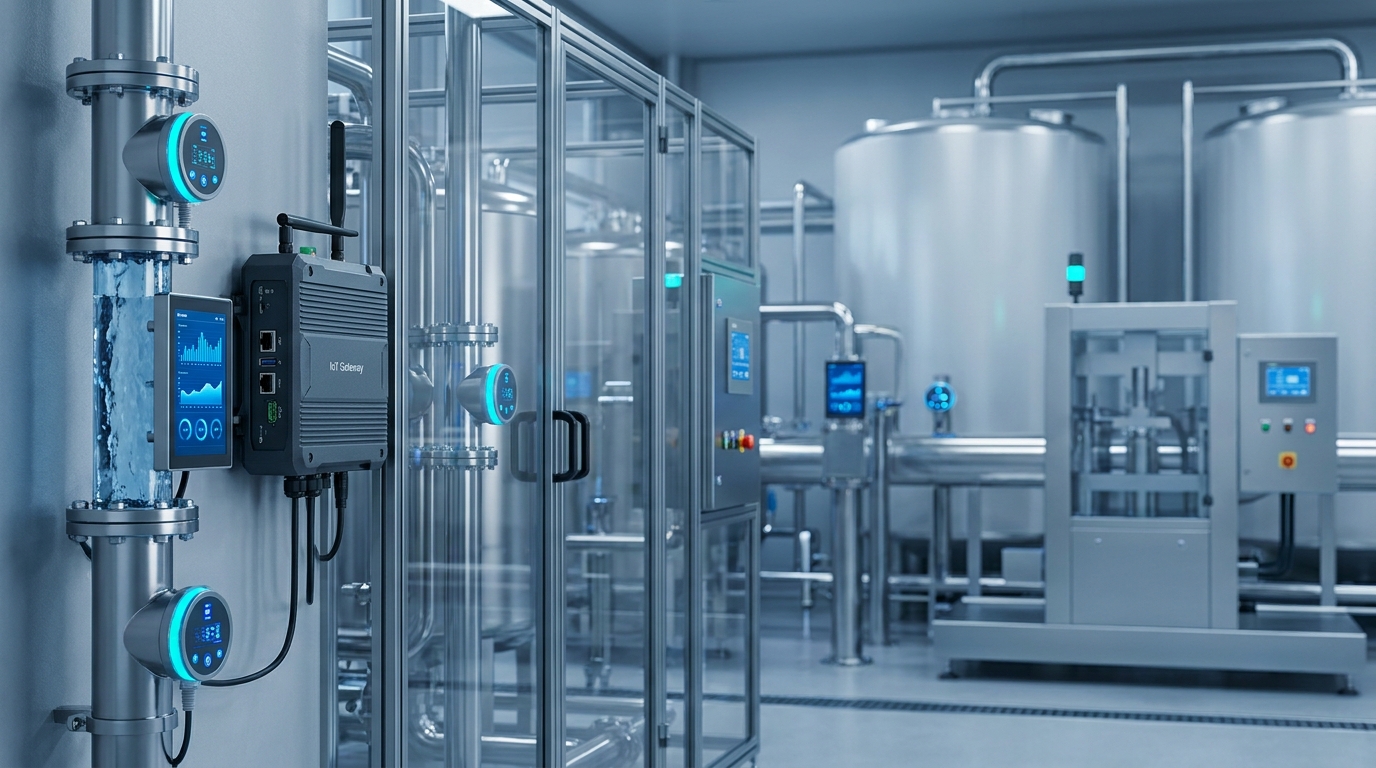
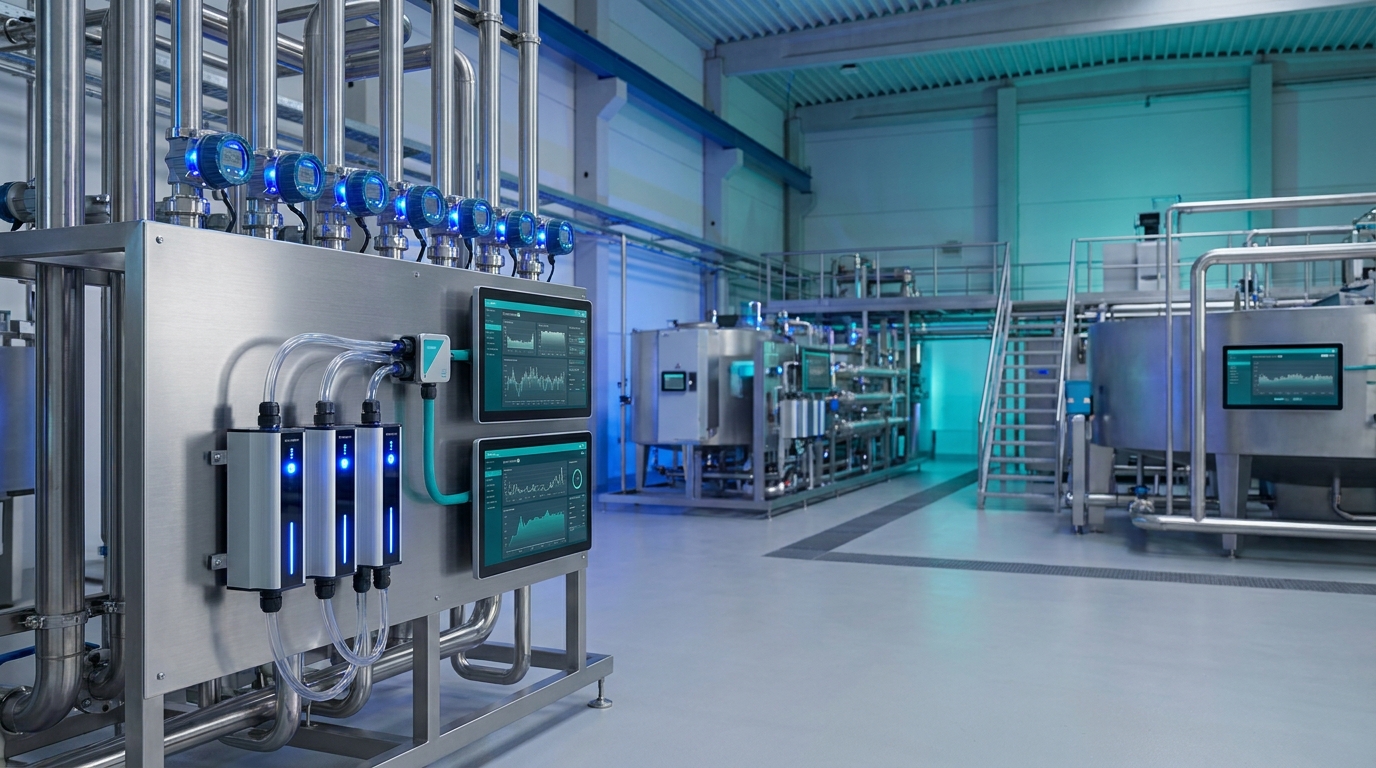
Historically, water management relied on manual readings, intermittent pressure tests, and post-failure repairs. Today, the baseline expectation for modern infrastructure is continuous, high-frequency telemetry. The deployment of electromagnetic flowmeters and advanced radar level sensors has moved from pilot projects to mainstream capital expenditure programs. These devices capture real-time hydraulic profiles, enabling utilities to detect micro-leaks, pressure transients, and flow anomalies before they escalate into catastrophic failures. By integrating multi-band Doppler flow radar with visual verification capabilities, operators can now monitor complex underground pipe networks with unprecedented accuracy, even in challenging environments where traditional acoustic sensors struggle with background noise or pipe material interference.
This evolution addresses a critical bottleneck in global water security: the inability to visualize what happens between treatment plants and end-user taps. Continuous perception transforms hidden infrastructure into transparent assets. When paired with hydraulic modeling software, real-time sensor data allows utilities to simulate stress scenarios, optimize pump scheduling, and dynamically balance district metered areas (DMAs). The result is a measurable reduction in both physical water loss and energy consumption, directly aligning operational efficiency with decarbonization targets.
Edge Intelligence and Real-Time Decision Architecture
Data volume alone does not guarantee resilience. The true value lies in how telemetry is processed, filtered, and acted upon. Cloud-dependent architectures often introduce latency and bandwidth constraints that are impractical for remote or resource-constrained utility networks. This is where edge computing and robust remote terminal units (RTUs) become indispensable. Modern RTUs now perform localized anomaly detection, data compression, and protocol translation at the sensor node level. By executing preliminary analytics on-device, utilities can transmit only actionable insights rather than raw data streams, drastically reducing communication costs and improving response times during critical events.
The strategic deployment of edge-native hardware enables autonomous decision-making at the network perimeter. When a pressure drop is detected in a secondary distribution line, the local controller can instantly isolate the affected segment, reroute flow, and alert central dispatch without waiting for cloud processing cycles. This decentralized intelligence model is particularly vital for regions experiencing rapid urbanization, where infrastructure expansion outpaces traditional grid modernization efforts. The integration of high-precision electromagnetic flow measurement with intelligent telemetry ensures that every cubic meter of water is accounted for, creating a closed-loop system where operational visibility matches hydraulic reality.
Strategic Implications for Global Utilities
The transition to predictive water management carries profound financial, regulatory, and operational implications. For utility executives, the capital expenditure required for sensor deployment is increasingly justified by rapid payback periods driven by reduced NRW, lower energy costs, and deferred capital replacements. Regulatory bodies worldwide are tightening reporting requirements for water loss and service reliability, making continuous monitoring a compliance necessity rather than an optional upgrade. Utilities that fail to modernize their telemetry infrastructure risk facing financial penalties, public scrutiny, and operational vulnerability during extreme weather events.
From a supply chain perspective, the global water sector is witnessing a significant geographic diversification of hardware manufacturing. Chinese engineering firms have emerged as pivotal contributors to this digital transformation, offering high-precision instrumentation that bridges the gap between legacy systems and next-generation smart networks. Companies like Ecolor Technology have positioned themselves at the intersection of advanced metrology and industrial IoT, delivering specialized solutions such as the LGF electromagnetic flowmeter for high-accuracy bulk transfer, the 80GHz visual fusion radar level sensor for challenging reservoir environments, and multi-band Doppler flow radar systems that uniquely integrate optical verification for underground pipe monitoring. Coupled with robust telemetry platforms like the HERO V9 RTU, these hardware ecosystems provide utilities with scalable, cost-effective pathways to digitize their networks without vendor lock-in.
30-50%
Non-Revenue Water Loss
Real-Time
Hydraulic Profiles
Edge AI
Localized Anomaly Detection
The Road Ahead: Standardization, Interoperability, and Scale
As the industry accelerates toward predictive operations, standardization and interoperability will dictate long-term success. Proprietary sensor protocols and fragmented data architectures hinder cross-network analytics and limit the effectiveness of artificial intelligence applications. The next phase of global water digitalization will require open communication standards, modular hardware designs, and vendor-agnostic data platforms. Utilities must prioritize solutions that can integrate seamlessly into existing supervisory control and data acquisition (SCADA) environments while remaining adaptable to future technological upgrades.
Furthermore, workforce transformation remains a critical enabler. Advanced sensing infrastructure is only as effective as the operators who interpret its outputs. Training programs, digital twin simulations, and intuitive dashboards will be essential to bridge the skills gap between traditional hydraulic engineering and data-driven asset management. The convergence of precise measurement hardware, edge intelligence, and human expertise will ultimately determine which utilities achieve true water security in the coming decade.
The global water sector stands at an inflection point. The era of waiting for pipes to fail before taking action is rapidly ending. By embracing continuous perception, edge-enabled decision architecture, and interoperable hardware ecosystems, utilities can transform their most vulnerable assets into resilient, self-optimizing networks. The technology is proven, the economic case is clear, and the environmental imperative is undeniable. The question is no longer whether digital transformation is necessary, but how quickly the industry can scale it to secure water resilience for generations to come.
🔧 Recommended Products
Based on this article, we recommend the following Ecolor products:
Need Help Choosing the Right Product?
Our engineering team is ready to provide free technical consultation and quotes