Enhancing Urban Flood Resilience with IoT RTU Deployment
Urban pumping stations perform essential functions including stormwater lift, wastewater transfer, and combined sewer overflow regulation. With the increasing frequency of extreme rainfall events, the operational reliability of pumping stations directly impacts urban flood resilience. However, many older facilities lack effective remote monitoring capabilities, forcing maintenance teams to rely on scheduled inspections rather than real-time visibility into equipment status and hydraulic conditions.
Engineering Challenges in Pumping Station Monitoring
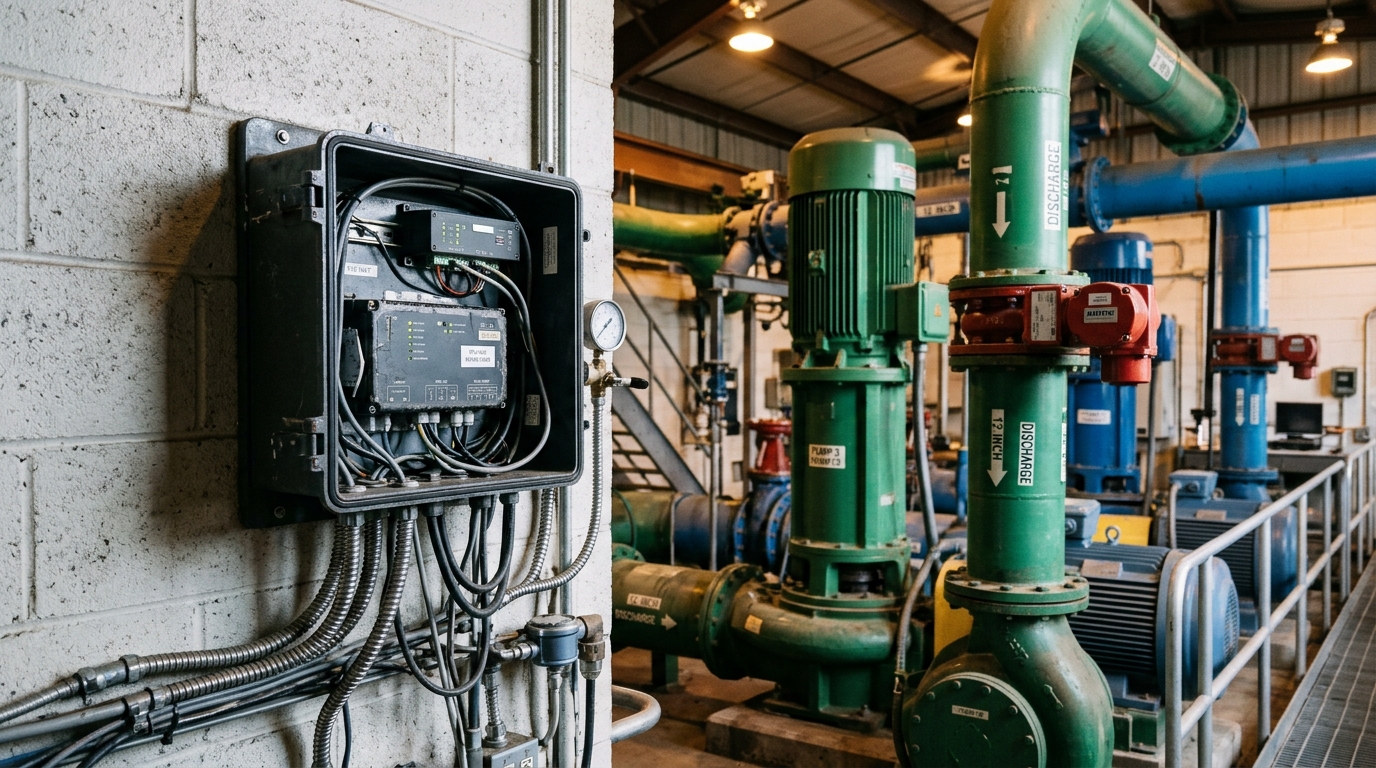
Deploying instrumentation in pumping stations presents three primary challenges that require specialized engineering solutions. First, severe electromagnetic interference (EMI) from high-power pumps and variable frequency drives (VFDs) can compromise signal integrity and communication stability. Second, humidity and corrosive atmospheres in wet wells operate in near-saturation conditions, where hydrogen sulfide gas accelerates corrosion of electronic components. Third, constrained power and communications are common issues, as underground installations often lack fiber connectivity and mains power reliability can be inadequate.
RTU System Architecture for Industrial Automation
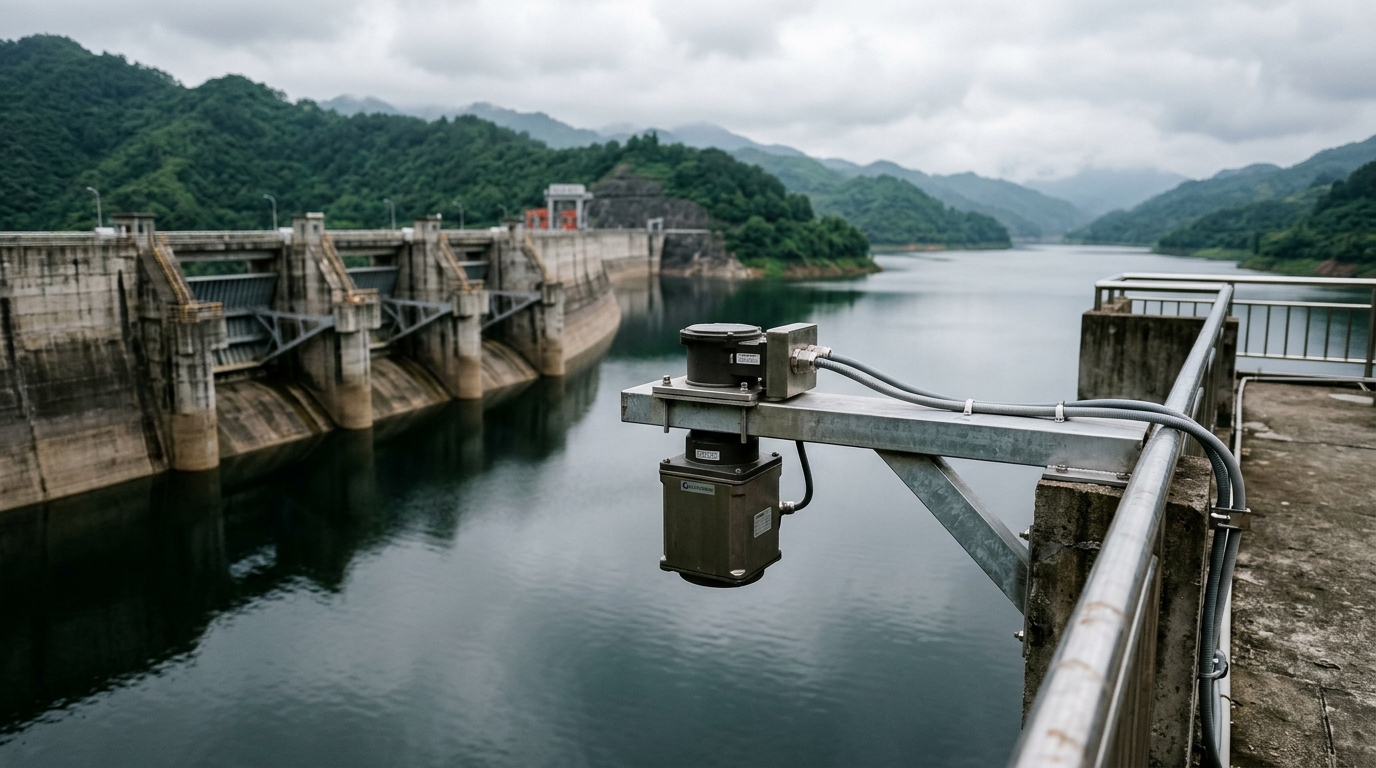
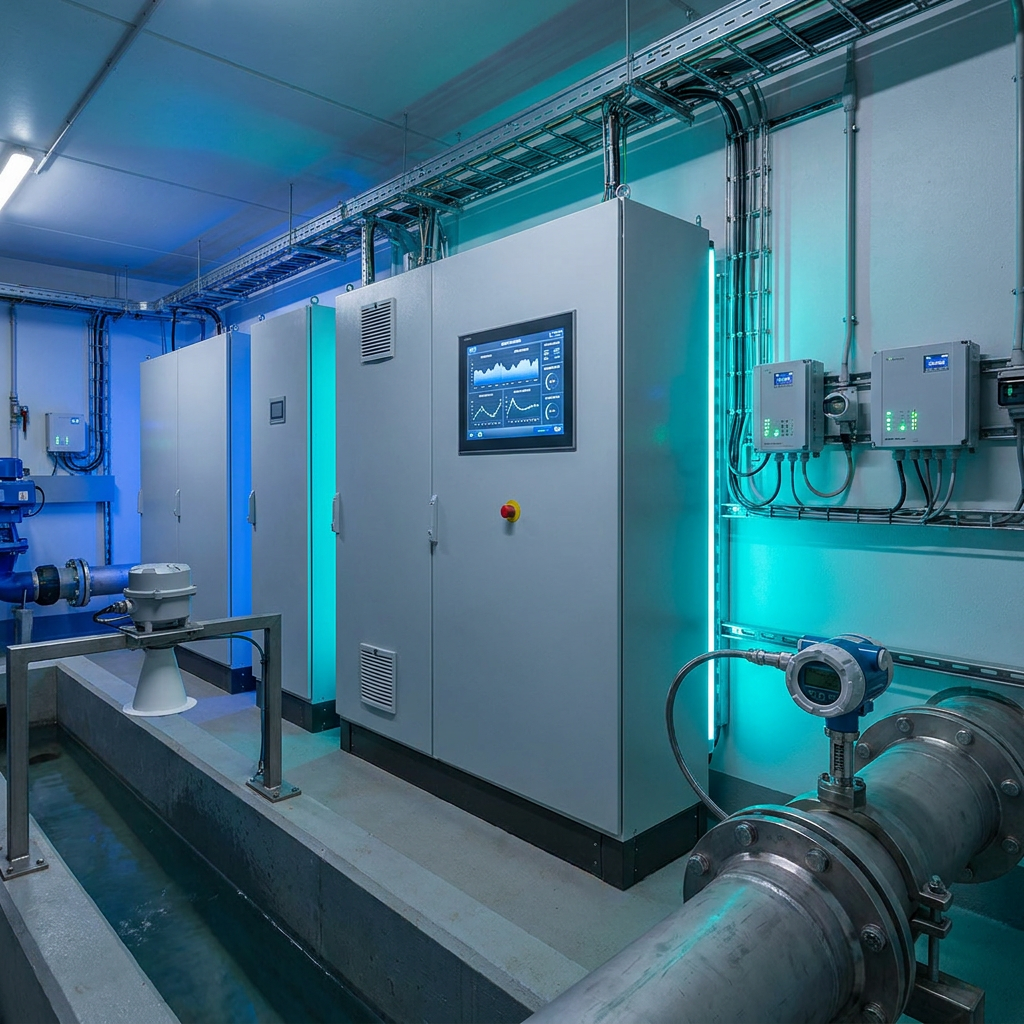
A complete pumping station monitoring system follows a robust four-layer architecture designed for harsh environments. The Sensing Layer utilizes 80 GHz radar level sensors for non-contact operation, electromagnetic flowmeters per ISO 4064, and vibration accelerometers for pump status monitoring. The RTU Layer handles critical data acquisition, protocol translation, and remote transmission using multi-channel RS485/4-20mA inputs and dual-mode 4G/Ethernet communication.
The Communication Layer employs primary 4G LTE wireless backhaul with local Ethernet redundancy, while LoRa self-organizing networks aggregate data from distributed nodes in areas with poor cellular coverage. Finally, the Platform Layer integrates SCADA systems to receive RTU telemetry for remote pump start/stop control, level threshold alarming, energy consumption tracking, and operational trend analysis.
Key Engineering Recommendations for EMI Mitigation
Effective EMI mitigation requires mounting the RTU in a dedicated control cabinet and maintaining a minimum 300 mm separation between signal cables and power conductors. Installing signal isolers on analog input circuits is essential to protect sensitive electronics from voltage spikes. For VFD output current measurement, Hall effect sensors are preferred over traditional current transformers to ensure accurate readings in high-noise environments.
Environmental Protection and Power Redundancy Strategies
Sensors installed in wet wells must meet IP68 ingress protection standards (IEC 60529), while RTU enclosures should achieve a minimum IP55 rating. In high H₂S environments, it is critical to use corrosion-resistant junction boxes and sealed conduit systems to prevent premature failure. Power redundancy is equally important; configure UPS backup to maintain RTU operation for at least 24 hours during mains failure, or consider solar-assisted power for above-grade stations with adequate sunlight exposure.
Data Continuity Requirement
The RTU must include local data storage with at least 7-day buffering capacity. Upon network restoration, cached data should be automatically retransmitted to ensure dataset continuity — a requirement for compliance with hydrological data standards.
Future-Ready Infrastructure
As NB-IoT and 5G technologies mature, monitoring density and response times will continue to improve. This evolution provides stronger technical support for urban lifeline infrastructure, ensuring unattended pumping station operation remains reliable and efficient.
Conclusion: A Systems Engineering Approach
Remote monitoring deployment in urban pumping stations is not a matter of simply stacking devices; it requires a comprehensive systems engineering approach. Proper RTU selection, standardized installation practices, and reliable power and communication redundancy form the foundation for unattended pumping station operation. By addressing environmental interference, communication constraints, and operational requirements, municipalities can significantly enhance their flood resilience and infrastructure longevity.