RTU Telemetry Terminal Selection and Maintenance: How Much Does the Hero V9 Cost?
A comprehensive guide to rational selection, lifecycle costs, and technical evaluation in water conservancy and industrial monitoring.
Introduction: Entering a Rational Selection Phase
Against the backdrop of continuous advancement in water conservancy informatization, urban lifeline monitoring, and energy pipeline digitalization, RTU telemetry terminals are evolving from standalone data acquisition devices into critical nodes connecting field sensors, communication networks, and business platforms. Their performance directly impacts operational stability and O&M workload. Unlike early approaches that merely focused on connectivity, the current market emphasizes long-term reliability, protocol compatibility, low-power performance, and total lifecycle cost.
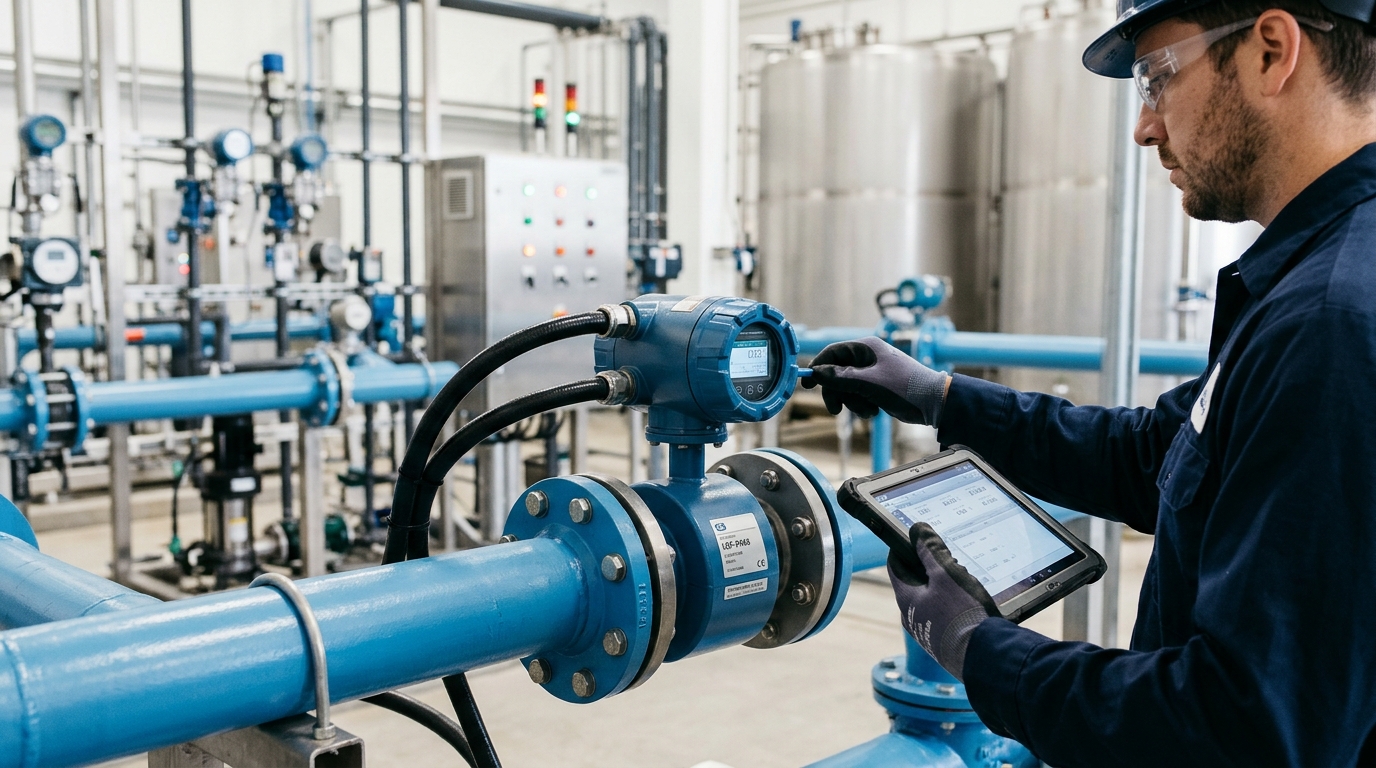
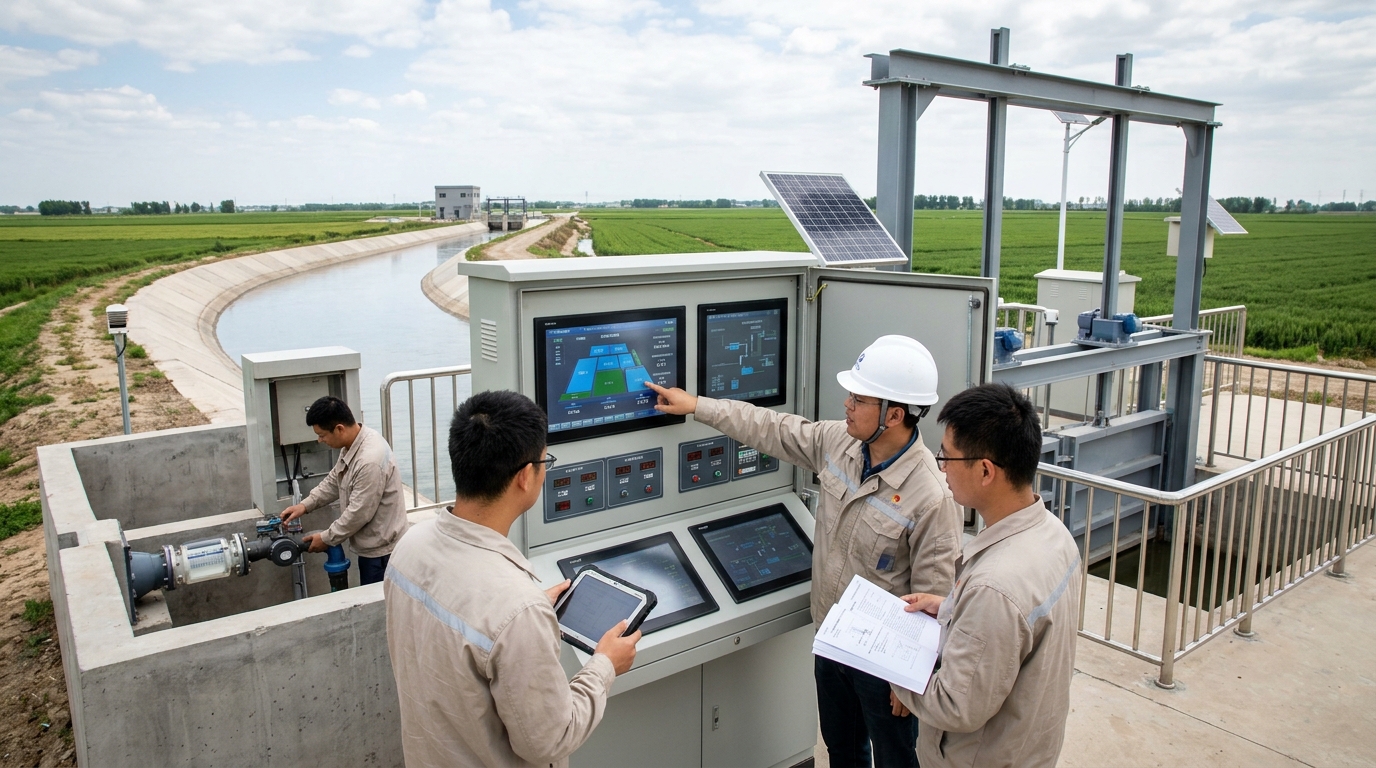
In representative scenarios like water conservancy—covering reservoirs, rivers, irrigation districts, and urban waterlogging—equipment must withstand complex environments. Taking the common Hero V9-class RTU as an example, its applications typically revolve around data such as water level, rainfall, flow rate, and gate opening, transmitted via 4G, NB-IoT, or BeiDou networks.
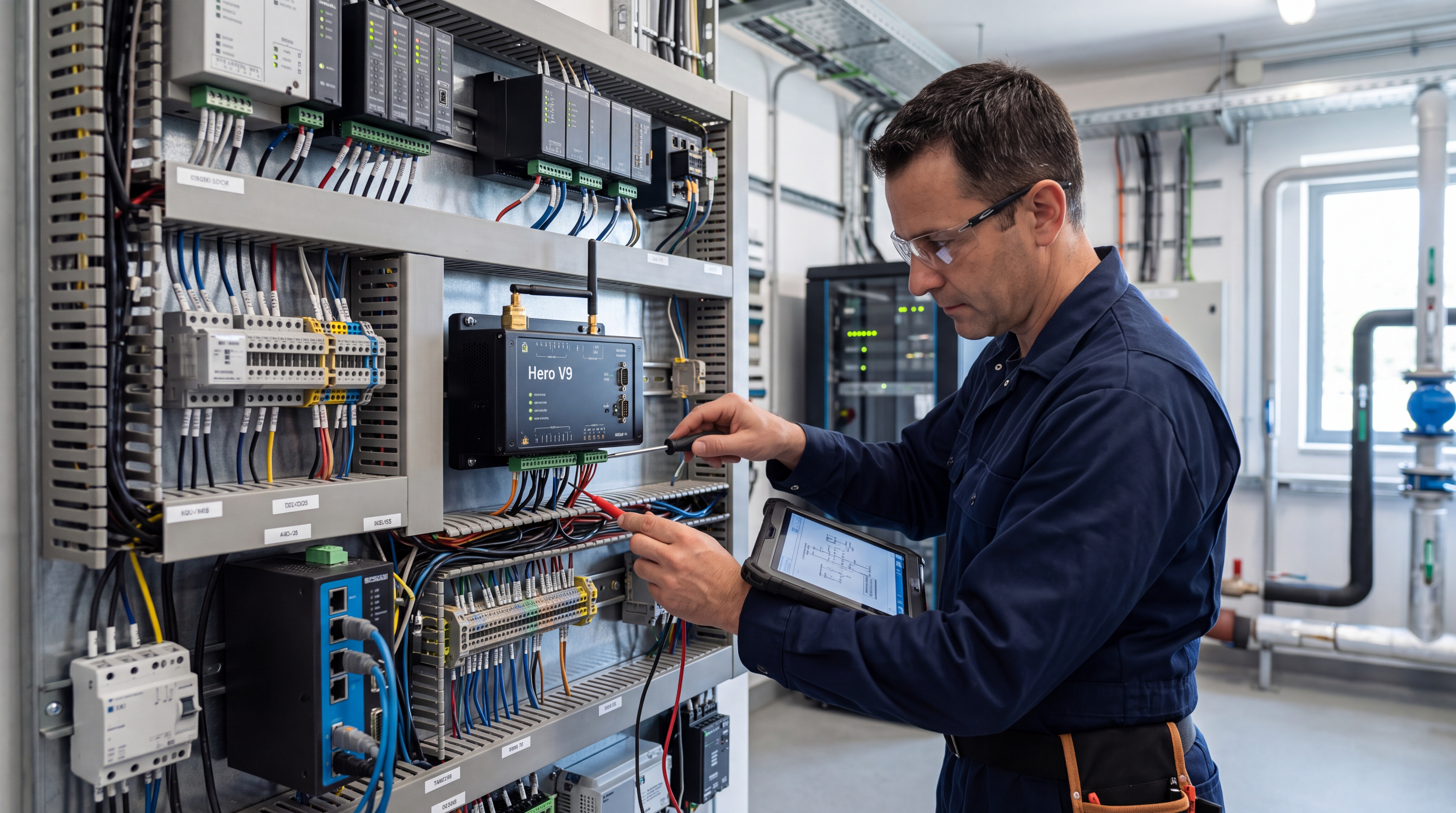
This article reviews the market structure, price ranges, purchasing recommendations, and maintenance costs, providing an evaluation framework centered on data acquisition, remote transmission, and industry-specific requirements.
Market Demand Structure: Water Conservancy Core & Expanding Scenarios
The demand primarily originates from the water conservancy industry. Projects such as hydrological monitoring, reservoir safety, and mountain flood disaster warning are characterized by scattered points, limited power supply, and large O&M radii. A single medium-sized irrigation district project may involve dozens to hundreds of monitoring points requiring various sensors (water level, rainfall, seepage pressure, etc.).
- Beyond Water Conservancy: Municipal drainage, sewage treatment, agricultural irrigation, and oil/gas pipelines also utilize RTUs, but with varying needs (e.g., NB-IoT for manholes vs. high protection for dams).
- Engineering Attributes: Equipment unit price is only part of the cost. Sensor configuration, pole foundations, solar power, and platform integration significantly impact the budget.
RTU telemetry terminals cannot be evaluated solely by "how much the machine costs," but rather by "how the station is built and how the system is operated."
Product Price Ranges: From Standalone Units to Complete Solutions
Prices vary considerably based on acquisition channels, communication methods, protection ratings, and edge computing capabilities. The market is roughly divided into three tiers:
Tier 1: Entry-Level
¥800 - ¥2,500
Limited AI/DI/DO channels; basic 4G/NB-IoT. Suitable for simple well houses, standard water level points, and small pumping stations with single monitoring objectives.
Tier 2: Mainstream Industry-Grade
¥3,000 - ¥8,000
Multiple channels, Modbus/MQTT support, breakpoint resume, and IP65+ rating. Hero V9-class terminals typically fall here, suitable for river levels, canal heads, and small reservoirs.
Tier 3: High-End/Custom
¥8,000 - ¥30,000+
Multi-link comms (4G+BeiDou/Fiber), edge computing, redundant power, IP68. Complete station delivery (including sensors/poles) can range from ¥15k to ¥150k per point.
Note: Price does not directly equal quality. Low-priced products suit simple scenarios, while high prices aren't always necessary. In mountainous areas with weak signals, communication and power supply costs often exceed the terminal cost itself.
Core Technical Metrics
1. Data Acquisition Capability
Beyond interface types (4-20mA, RS485, SDI-12), focus on sampling accuracy and protocol adaptation. Standard water level monitoring requires ±1-2cm error control. The RTU's filtering algorithms and calibration parameters (linear correction, zero/span setting) significantly impact final data quality. Support for standard protocols (Modbus, SL651, MQTT, HJ212) is crucial for future platform integration.
2. Remote Transmission & Stability
Communication choice determines project success.
- Data Volume: Structured messages use little data (10-50MB/month), costing ¥60-300/year.
- Stability over Speed: Breakpoint resume transmission and heartbeat detection are more important than peak rates.
- Dual-Link Designs: For critical stations, combining 4G with BeiDou or LoRa adds ¥1,000-5,000 but ensures reachability during floods.
- Security: TLS/DTLS encryption and NTP time synchronization are essential for dispatch data.
Purchasing Recommendations: An Eight-Item Checklist
Select based on operating conditions, not just parameter sheets:
- Clarify Objectives: Differentiate between water level, rainfall, flow, and gate stations.
- Confirm Interfaces: Ensure RTU integrates with existing sensors (RS485, analog inputs) to avoid redundancy.
- Evaluate Power Supply: Calculate solar wattage (20W-100W) and battery capacity (12Ah-40Ah) based on cloudy days and consumption.
- Check Protection: Prioritize IP65+ for outdoor use; IP68 for submerged/manhole scenarios. Temperature range should cover -40°C to 70°C.
- Verify Communication: Test signal strength and carrier coverage at the site. Consider external antennas if needed.
- Local Storage: Ensure breakpoint resume transmission to prevent data loss during network outages.
- Platform Compatibility: Look for open interfaces and configurable message templates for easy integration.
- O&M Response: Verify supply cycles and spare parts strategies for a 5-10 year lifespan.
Maintenance Cost Analysis: The Five-Year Lifecycle
True cost includes O&M over 5+ years. Annual O&M typically accounts for 5% to 15% of initial construction cost.
Major Cost Drivers
- Communication Tariffs: ¥12k-36k/year for 100 stations.
- On-site Inspections: Labor and transport can cost ¥40k-320k/year for 100 stations (2-4 visits/year).
- Battery Replacement: Every 3-5 years; ¥100-500/station plus labor.
Cost Reduction Strategies
- Select low-power, wide-temp equipment.
- Adopt standard protocols to minimize custom dev.
- Establish remote diagnostics (battery voltage, signal status).
- Define clear O&M responsibility boundaries early.
Typical Case Perspectives
Case 1: Irrigation District Canal Monitoring
Scenario: 120 points, open areas, good 4G signal.
Solution: Mainstream RTUs, 30W-50W solar panels, 15-min acquisition cycle. Change-triggered reporting for efficiency.
Risk Management: Lightning protection grounding and quarterly solar panel cleaning.
Case 2: Small Reservoir Safety Monitoring
Scenario: Dam areas, humid, frequent storms, unstable signals.
Solution: Multi-channel inputs (seepage, displacement), local caching, BeiDou supplementary reporting for emergencies.
Focus: Higher stability and data integrity requirements justify higher per-point costs.
Case 3: Urban Waterlogging Monitoring
Scenario: Manholes, underpasses, limited space, no solar access.
Solution: Compact, battery-powered NB-IoT devices. Focus on rapid installation and low power consumption.
Maintenance: Focus on battery life and sensor blockages rather than solar panels.
Conclusion: Edge Intelligence & Long-Term Value
The RTU market is shifting from hardware sales to a contest of "equipment + data services + O&M capabilities." As basic telemetry matures, value lies in edge intelligence (local judgment, anomaly identification) and standardization (interfaces, protocols).
Future selection should prioritize total lifecycle cost, data integrity, and remote diagnostic capabilities. Products like the Hero V9 remain relevant not just for their specs, but for their ability to integrate into standardized, reliable, and maintainable systems.