Hero V9 vs. Data Acquisition: A Selection Guide for Smart Water Management
Comparison of RTU Telemetry Terminal Technology Routes: Observations on Water Management Selection from Data Acquisition to Remote Transmission.
As the construction of water management informatization and environmental monitoring continues to advance, RTU telemetry terminals have become crucial devices connecting field sensors with management platforms. They are tasked with data acquisition, local control, protocol conversion, and remote transmission. Ecolor Technology observes that different technology routes each have their own boundaries, and selection should be comprehensively evaluated based on reliability, communication conditions, power consumption, and O&M capabilities.
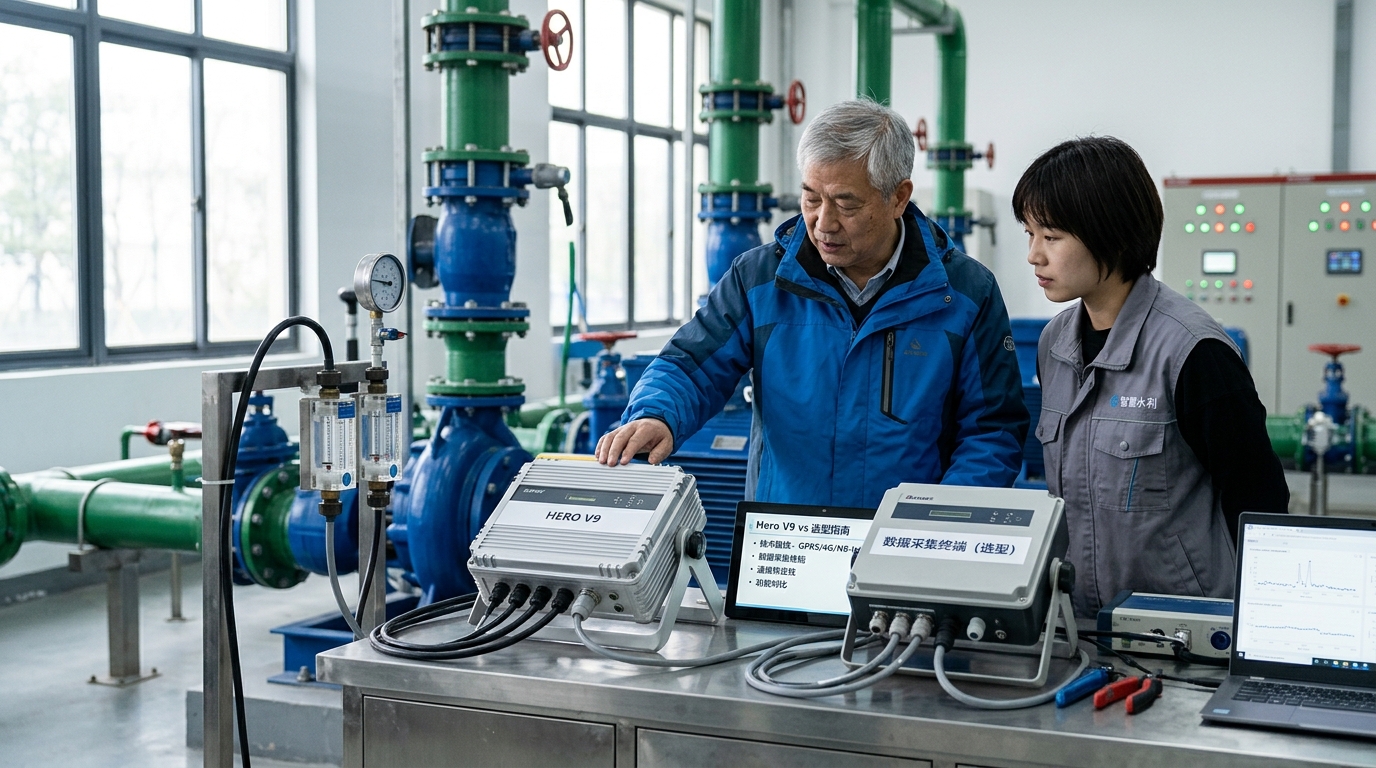
Figure 1: Overview of RTU Technology Routes in Modern Water Infrastructure
01 Wired & Fieldbus RTUs
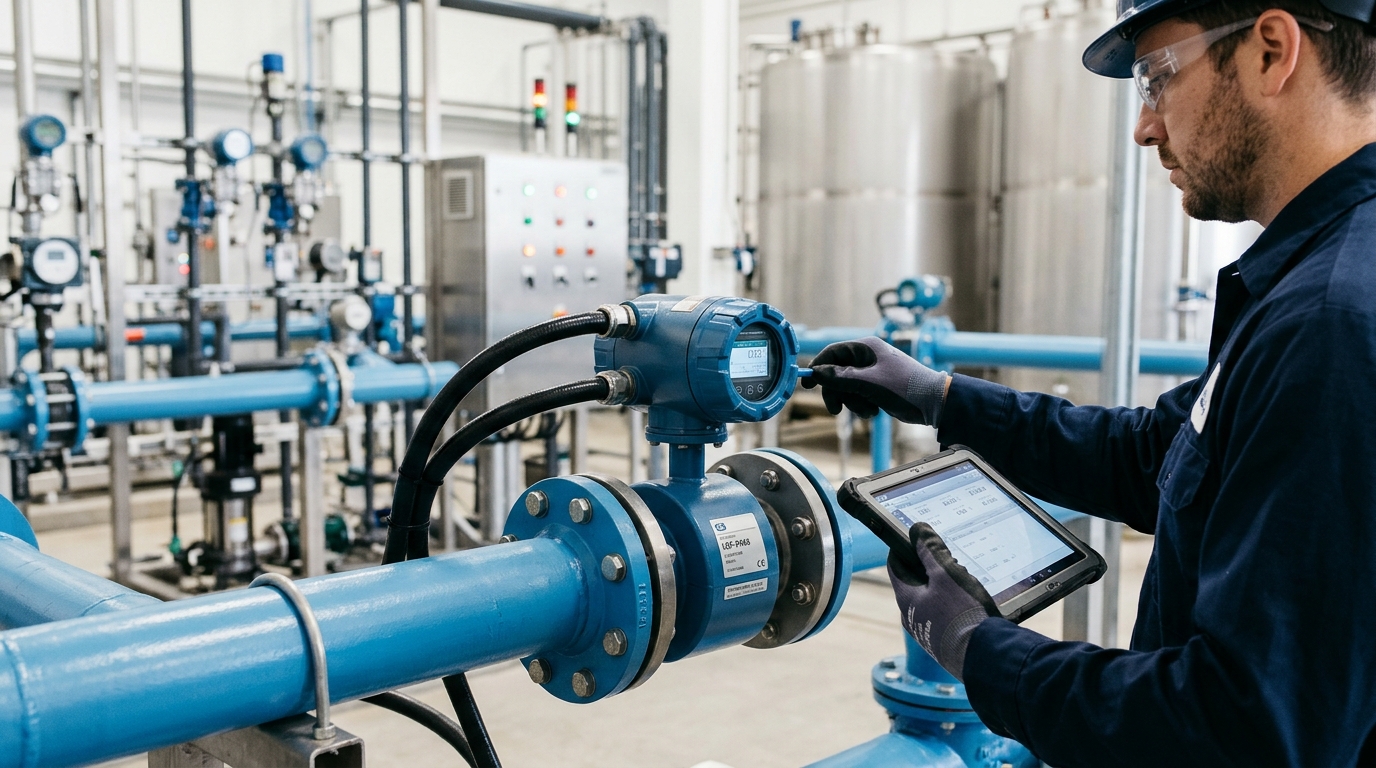
The first category comprises wired and fieldbus RTUs. These devices typically connect to water level gauges, flow meters, gate opening indicators, and other instruments via RS485, Modbus, analog, and digital I/O interfaces. Their advantages include stable links, low latency, and ease of local control, making them suitable for scenarios with good power supply conditions such as pumping stations and sluice gates. The limitation is higher cabling costs and longer construction cycles for long-distance deployment.
02 Public Cellular Network RTUs
The second category includes public cellular network RTUs, encompassing solutions such as 4G Cat.1, Cat.4, and 5G. This route offers flexible deployment and strong remote transmission capabilities, meeting the requirements for video capture, high-frequency data reporting, and remote O&M. In urban rivers, water supply networks, and waterlogging monitoring areas with stable public network coverage, cellular solutions offer high overall efficiency. The main constraint is the potential for insufficient signal coverage in remote reservoir areas and mountainous regions.
03 Low Power Wide Area Network (LPWAN)
The third category follows the Low Power Wide Area Network (LPWAN) route, such as NB-IoT, LoRa, and private wireless networking. These solutions are suitable for low-data-volume, low-frequency data acquisition tasks like rainfall, water level, soil moisture, and manhole cover status monitoring. The advantages are low terminal power consumption and long battery life, making them ideal for dispersed measurement points. The limitation is limited bandwidth, which makes it difficult to handle large-capacity files or high-frequency continuous sampling.
04 Satellite & BeiDou Short Message
The fourth category utilizes the BeiDou short message or satellite communication route. Satellite links are of great value in mountainous reservoirs, watershed boundaries, and emergency monitoring points lacking public network coverage. They can maintain basic data backhaul when communication infrastructure is damaged, thereby enhancing system resilience. However, due to limitations in message length and transmission costs, they are more suitable as a fallback channel for critical data or as a backup to cellular links.
05 Edge Intelligence & Convergence
The fifth category features edge intelligence and multi-communication converged RTUs. Water management operations have high requirements for data integrity. Terminals must not only perform data acquisition but also possess capabilities such as local caching, breakpoint resume, anomaly detection, and multi-link switching. Such devices can save historical data during communication interruptions and automatically retransmit it once the connection is restored, reducing data loss during the flood season. They are suitable for key hydrological stations and reservoir dams.
"Selection cannot be based solely on communication speed. Field environments often face challenges such as moisture, lightning, temperature variations, unstable power supply, and sudden flow surges during the flood season."
Critical Field Considerations
From the perspective of field water management, selection cannot be based solely on communication speed. Field environments often face challenges such as moisture, lightning, temperature variations, unstable power supply, and sudden flow surges during the flood season. Therefore, the RTU's ingress protection rating, power management, interface isolation, and long-term stability are equally critical. If the equipment lacks low-power design and breakpoint resume capabilities, it may result in data gaps during heavy rain, power outages, or network congestion.
Spotlight: Ecolor Hero V9 RTU
Taking Ecolor Technology's Hero V9 as an example, this type of RTU terminal embodies the convergence trend of multi-interface data acquisition and remote transmission. It can connect to sensors for water level, flow, rainfall, pressure, and gate status, and supports local storage and rule-based triggering.
- Versatile Connectivity: Supports multiple sensor inputs including pressure, flow, and gate status.
- Intelligent Logic: Features local storage and rule-based triggering for efficient data handling.
- Wide Applicability: Ideal for water management stations, irrigation district canals, and urban drainage monitoring.
Whether the terminal is easy to integrate into existing platforms and whether it supports common water management communication protocols are usually more important than single hardware parameters.
Strategic Selection Recommendations
Regarding selection recommendations, project parties should first clarify the business boundaries: number of measurement points, acquisition frequency, power supply method, installation environment, communication coverage, platform protocols, and O&M capabilities.
High Frequency / Stable Power
Prioritize Cellular (4G/5G) or Wired solutions for pumping stations and sluice gates requiring video or high-rate data.
Dispersed / Low Data Volume
Adopt LPWAN (NB-IoT/LoRa) for rural rainfall or soil moisture monitoring where battery life is critical.
Weak Coverage Areas
Evaluate BeiDou/Satellite Backup for mountainous reservoirs or emergency points lacking public network signals.
Urban Drainage
Focus on low power consumption and strict platform compatibility for seamless integration into city management systems.
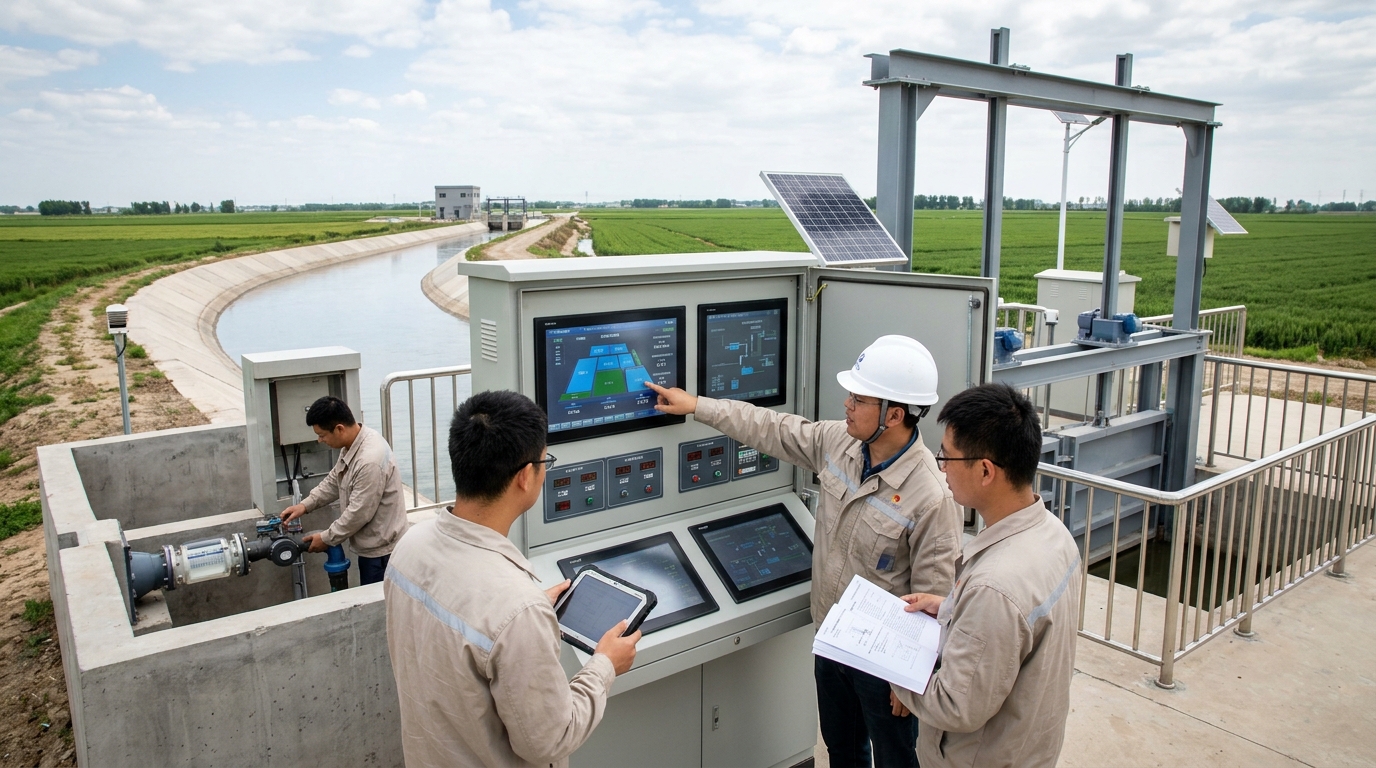
In specific scenarios, urban drainage networks can focus on low power consumption and platform compatibility; pumping stations and sluice gates can enhance fieldbus and remote control capabilities; main canals in irrigation districts can adopt solar power combined with wireless backhaul; and mountainous reservoirs should emphasize communication fallback and data integrity. The value of terminals like the Hero V9 is primarily reflected in the synergy of data acquisition, local processing, and remote transmission.
Conclusion
Overall, there is no absolute superiority or inferiority among the technology routes for RTU telemetry terminals. The industry is moving from single-point devices toward a systematic architecture of "terminal + communication + edge + platform." For water management, municipal, and environmental monitoring projects, the core of selection is not to chase trends, but to strike a balance around data integrity, transmission reliability, construction costs, and long-term O&M.