Silent Guardians: How Embedded Water Intelligence Is Rewiring Home Resilience
A new generation of smart water sensors—ultrasonic, radar-enabled, AI-optimized—is moving beyond leak detection to become ambient, anticipatory infrastructure inside homes and buildings.
The Quiet Shift Beneath the Floorboards
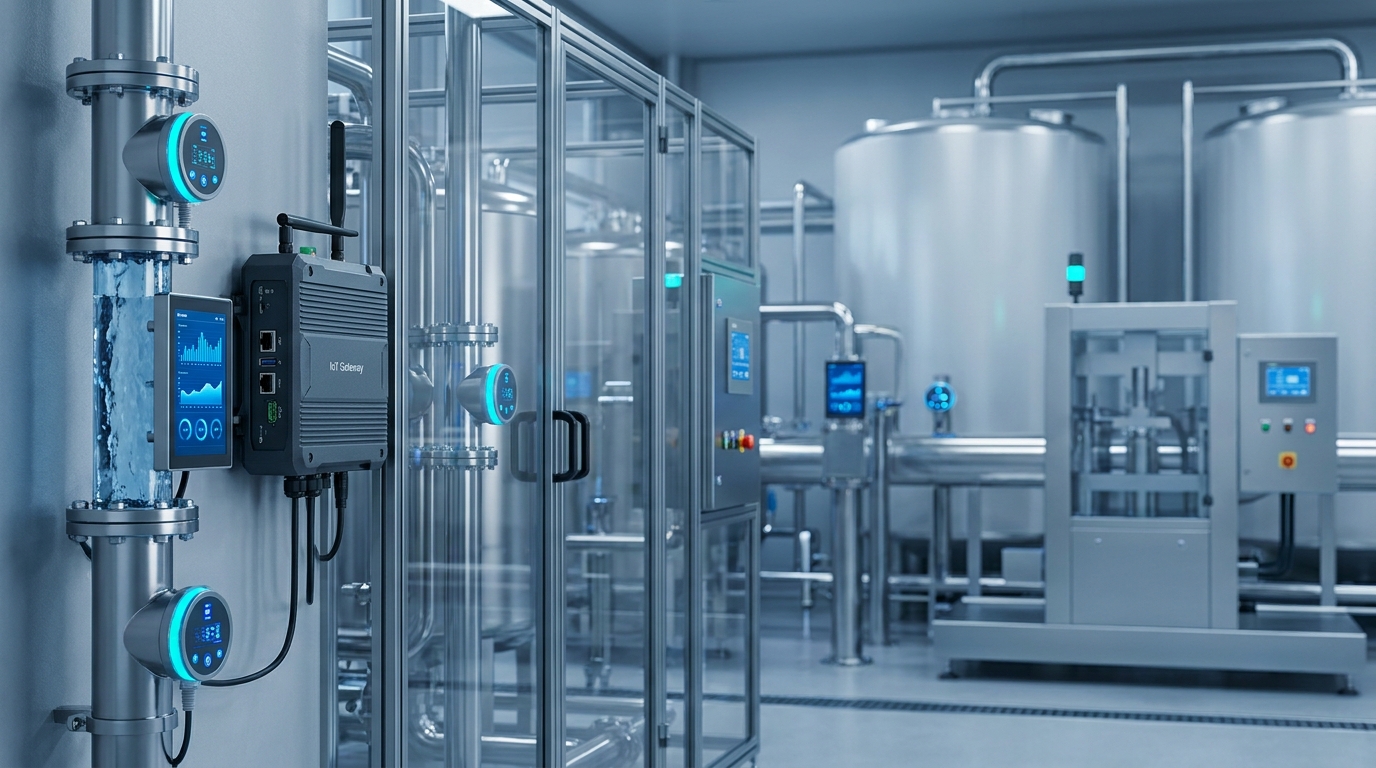
From Hydrific’s ultrasonic Droplet to Moen’s Flo system, Bluebot’s universal clamp-on meters, Vesternet’s precision flood detectors, and Flume 2’s meter-integrated radar monitoring—the global smart home water sensor market is converging on a shared architectural principle: intelligence must be embedded, not bolted on. These devices no longer just ‘hear’ leaks—they learn appliance signatures, map hydraulic baselines, and distinguish between a running dishwasher and a ruptured supply line in real time. Crucially, they operate without pipe cutting, battery swaps (many last 5+ years), or proprietary plumbing. This silent, frictionless integration marks a decisive pivot from consumer gadgetry toward foundational infrastructure resilience—where water awareness becomes as ambient and essential as Wi-Fi or lighting control.
The Three-Layer Evolution of Domestic Water Intelligence
What distinguishes today’s wave from earlier smart water monitors is not incremental improvement—but layered capability. First, physical layer innovation: ultrasonic transit-time measurement (Droplet), multi-band Doppler radar (Flume 2, Bluebot), and visual fusion radar imaging (Ecolor’s 80GHz level sensor) enable non-invasive, high-fidelity flow profiling—even through concrete, soil, or insulated pipes. Second, behavioral layer learning: Moen’s Flo and Hydrific’s AI engines don’t just flag anomalies—they build dynamic usage fingerprints for each fixture, identifying micro-leaks before they register on municipal meters. Third, systemic layer orchestration: modern RTUs like Ecolor’s HERO V9 integrate these inputs with weather APIs, tariff schedules, and building management systems—transforming raw data into automated valve actuation, irrigation pause commands, or utility demand-response signals.
Why This Isn’t Just About Homes—It’s About Systemic Water Literacy
The implications extend far beyond residential insurance savings. As urban water stress intensifies—from Cape Town’s Day Zero to Chennai’s recurring shortages—these distributed sensors form the first true edge layer of a water-aware city. When thousands of Flume or Bluebot units feed anonymized, aggregated flow patterns to municipal utilities, they reveal real-time demand elasticity, aging infrastructure hotspots (e.g., persistent overnight baseline drift indicating district-wide seepage), and even informal connections. In China, where over 30% of urban water is lost to leakage (Ministry of Housing and Urban-Rural Development, 2023), such granular visibility enables targeted DMA (District Metered Area) interventions—not broad, costly pipe replacements. Chinese innovators like Ecolor Technology are contributing foundational hardware to this ecosystem: their LGF electromagnetic flowmeters deliver ±0.2% accuracy in industrial and municipal trunk lines, while their world-exclusive underground pipe monitoring radar—equipped with integrated camera and multi-band Doppler—allows live inspection of buried infrastructure without excavation. This isn’t ‘smart water’ as a marketing term—it’s metrology-grade sensing deployed at scale.
From Alert to Autonomy: The Next Threshold
The frontier now lies in closed-loop autonomy. Current systems alert and sometimes shut off flow (Flo, Bluebot). The next generation will predict failure modes—using vibration harmonics from pump cavitation or pressure decay curves to forecast valve degradation—and coordinate maintenance dispatches before leaks occur. This requires not just better sensors, but standardized data models (like WADI-ML, emerging from ISO/TC 224) and interoperable edge compute. Here, Chinese manufacturers hold structural advantages: vertically integrated supply chains, rapid firmware iteration cycles, and deep experience deploying ruggedized RTUs (like HERO V9) across harsh environments—from desert desalination plants to sub-zero northern wastewater networks. Their strength isn’t in replicating Western consumer UX, but in engineering reliability, longevity, and protocol flexibility (Modbus, NB-IoT, LoRaWAN, MQTT) for the infrastructure layer beneath the app.
A New Contract Between Water and Occupancy
Ultimately, this trend redefines the relationship between people and water infrastructure. No longer passive consumers awaiting bills or crisis alerts, households become active participants in a feedback-rich hydrological loop—receiving insights like ‘Your outdoor faucet ran 12 minutes longer than usual—possible hose disconnect?’ or ‘Basement sump pump cycled 3× more today—groundwater rising?’ Such transparency builds behavioral literacy, reduces waste, and strengthens trust in utility partnerships. For global water utilities facing decaying assets and tightening regulatory mandates (e.g., EU Water Framework Directive revisions), this distributed intelligence layer offers a cost-effective path to resilience—one sensor, one home, one pipe at a time.
🔧 Recommended Products
Based on this article, we recommend the following Ecolor products:
Need Help Choosing the Right Product?
Our engineering team is ready to provide free technical consultation and quotes