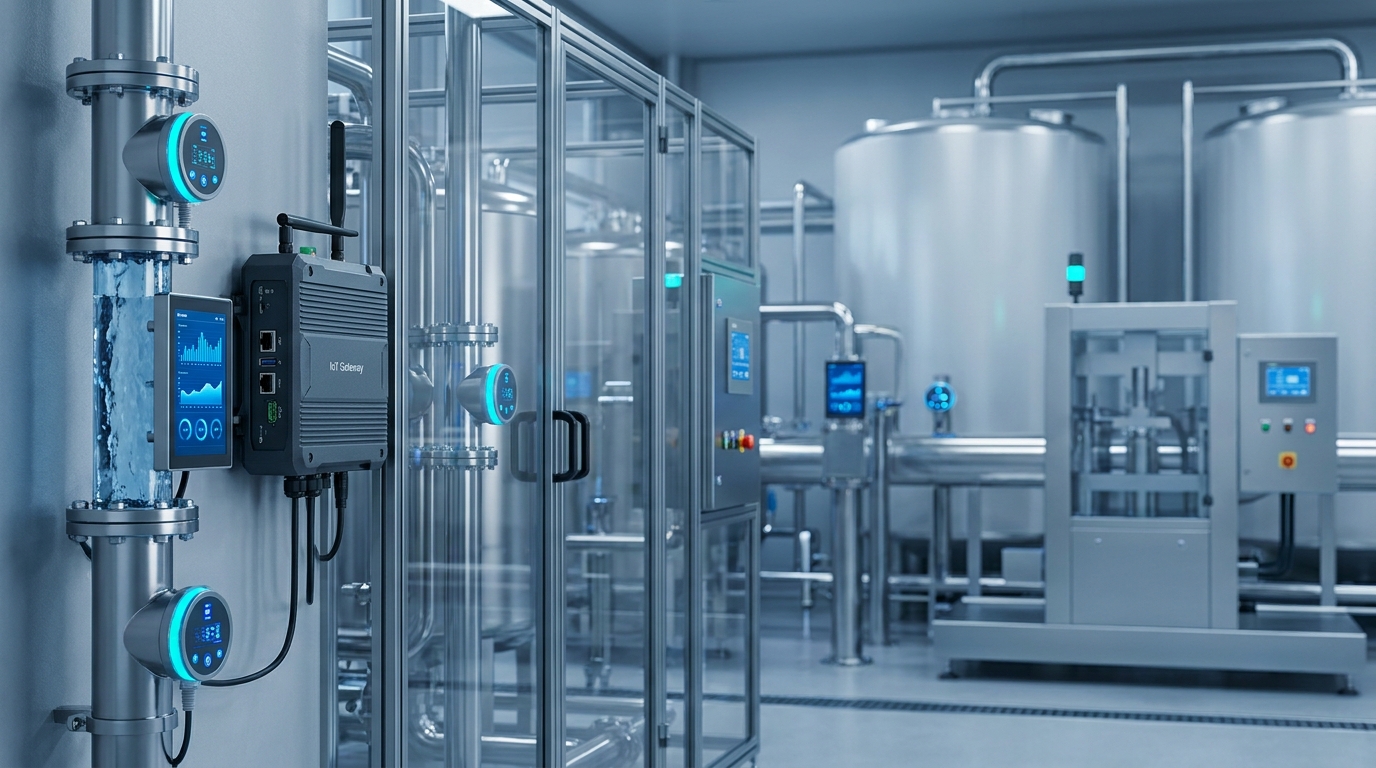
The Trifecta of Modern Water Management: Digital, Decentralized, and Dynamic
The global water industry stands at a decisive crossroads. The compounding pressures of climate change, population growth, industrial pollution, and aging infrastructure pose a fundamental challenge to traditional, centralized water supply and drainage management models. A more resilient new paradigm is emerging, defined by three core trends: decentralization, digitalization, and dynamic, data-driven operations. This is not merely a technological upgrade, but a complete rethinking of how we manage our most precious resource, rooted in the deep application of advanced technologies.
Paradigm Shift Towards Decentralized and Integrated Solutions
For decades, the standard for wastewater treatment was large, centralized plants serving entire cities or regions. While effective, this model is capital-intensive, has long construction timelines, and lacks flexibility. Recent market outlooks clearly indicate a significant industry shift towards decentralized and packaged wastewater treatment systems. This trend is driven by the demand for greater flexibility, lower initial capital investment, and the urgent need to serve remote communities, new development zones, or specific industrial parks without relying on extensive municipal sewer networks.
Advanced technologies like Membrane Bioreactors (MBR) and Moving Bed Biofilm Reactors (MBBR) are accelerating this transition. As recent market analyses point out, these systems deliver higher quality effluent in a smaller physical footprint. They integrate biological treatment and membrane filtration into compact, modular units, making them ideal for decentralized deployment. The high-quality effluent also opens up significant opportunities for water reuse, such as for irrigation and non-potable industrial processes, fostering a more circular water economy. This modular approach allows for phased capacity expansion, aligning infrastructure investment more closely with actual demand growth.
The Digital Backbone: SCADA, IoT, and Smart Sensing
A network of decentralized treatment facilities cannot operate efficiently as isolated islands. It requires a sophisticated digital nervous system to connect, monitor, and control every component in real-time. This is where Supervisory Control and Data Acquisition (SCADA) systems, exemplified by platforms like Ignition, become indispensable. As highlighted by Inductive Automation, modern SCADA solutions empower water utilities to enhance flow regulation flexibility, manage remote edge devices, and monitor performance from anywhere, ultimately streamlining operations and minimizing costs.
This digital transformation relies on a critical element: high-quality data. You cannot control what you cannot measure precisely. This is where leading instrumentation and control companies, including innovators in China like Ecolor Technology (www.cssoc.com), play a vital enabling role. To build a robust digital twin or an effective SCADA dashboard, water utilities need a continuous, reliable stream of data from the field. This data originates from a new generation of intelligent sensors and controllers:
- Flow Measurement: Accurate flow data is the lifeblood of any water network. Advanced instruments like the Ecolor LGF Series Electromagnetic Flowmeter provide the precision needed to monitor everything from raw water intake to final effluent discharge, forming the basis for precise chemical dosing, leak detection, and billing.
- Level Monitoring: Managing tanks, reservoirs, and open channels is critical for process control and flood prevention. The 80GHz Visual Fusion Radar Level Meter offers non-contact, high-accuracy measurement unaffected by environmental conditions, providing reliable data for operational dashboards.
- Edge Computing & Data Transmission: Raw sensor data needs to be securely collected, processed, and transmitted. The HERO V9 RTU (Remote Terminal Unit) acts as an intelligent hub at the edge, aggregating data from various sensors, performing preliminary processing, and communicating with the central SCADA system, forming the critical link between physical assets and their digital representation.
Advanced Treatment Processes Demand Advanced Monitoring
The complexity of modern water challenges is most acute in the industrial sector. Industrial wastewater sources are incredibly diverse, ranging from battery and pharmaceutical manufacturing to petroleum refining and textile dyeing. Each industry generates a unique chemical cocktail requiring customized and robust treatment solutions. The rise of advanced treatment processes like MBR and MBBR is a direct response to the need to treat these complex waste streams and meet increasingly stringent environmental regulations.
However, these advanced systems are more sensitive than conventional processes and require tighter process control. This creates a symbiotic relationship between advanced treatment and advanced monitoring. For example, to optimize an MBR system, operators need precise, real-time data on flow, tank levels, and membrane pressure. The integration of high-fidelity sensors becomes indispensable.
Furthermore, managing the vast underground pipe networks that convey sewage to treatment plants remains a major challenge. Aging infrastructure is prone to infiltration, inflow, and exfiltration, all of which compromise treatment efficiency and environmental safety. Innovation in this area is critical. Ecolor's Multi-Band Doppler Flow Radar represents a leap forward. As the world's only underground pipe network monitoring solution with an integrated camera, it provides unprecedented "eyes and ears" into the subterranean world. This allows operators to perform non-intrusive inspections, accurately measure non-full pipe flow, and identify structural issues without costly and disruptive excavation, providing the granular data needed to maintain the integrity of the entire water system.
Building a More Resilient Water Future
The transformation of the water industry is a complex systems engineering challenge, requiring significant investment in human capital as well. As demonstrated by the Texas A&M Engineering Extension Service (TEEX) for over 85 years, continuous training and professional development are essential to equip the workforce with the skills needed to design, operate, and maintain these complex new systems. The water professional of the future must be as adept with data analytics and IoT platforms as they are with pumps and valves.
With leading European companies like BWT continuously introducing revolutionary innovations, the global market is clearly in a state of dynamic change. The future of water management will not be defined by a single technology, but by the intelligent fusion of decentralized systems, robust digital platforms, and a foundation of precise, reliable sensing technology. Companies providing these foundational building blocks are not just suppliers; they are key enablers in creating a more sustainable, resilient, and efficient water future for global communities and industries.
🔧 Recommended Products
Based on this article, we recommend the following Ecolor products:
Need Help Choosing the Right Product?
Our engineering team is ready to provide free technical consultation and quotes