Field Smart Water Metering for Irrigation Districts
An integrated solution combining Hero V9 RTUs and smart water metering devices to enable precise water measurement, remote monitoring, and intelligent scheduling for irrigation districts.
Overview
Summary
An integrated solution combining Hero V9 RTUs and smart water metering devices to enable precise water measurement, remote monitoring, and intelligent scheduling for irrigation districts.
Key Advantages
Challenges
- Field devices lack power supply - need low-power self-powered solutions
- Large irrigation areas with scattered stations - high manual inspection and maintenance costs
- Diverse metering device data formats - difficult integration
- High seasonal fluctuation in agricultural water use - requires elastic and scalable monitoring network
Results
- Average per-station power consumption < 1W, solar + battery ensures year-round uninterrupted operation
- 4G/NB-IoT dual-mode communication coverage reaches 98%, no disconnection in remote irrigation areas
- Metering accuracy +-1% (electromagnetic) / +-2% (ultrasonic), compliant with SL 427 requirements
- Platform supports 10,000+ concurrent station connections, data reporting latency < 5 seconds
Solution Details
Field Smart Water Metering: Solving the "Last Mile" of Irrigation District Water Conservation
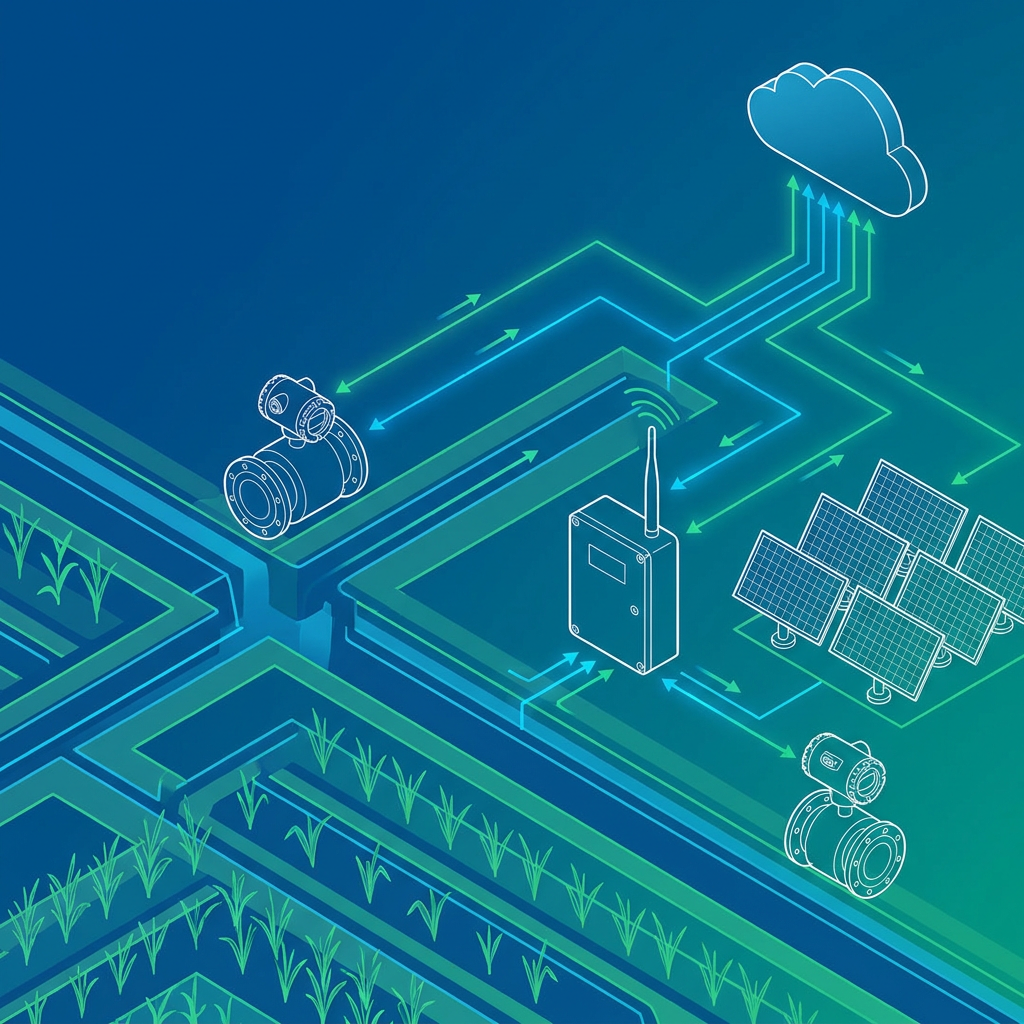
Field water metering in irrigation districts represents the "last mile" challenge of agricultural water conservation. Traditional manual meter reading is inefficient with delayed data, making it difficult to support precise water allocation and tiered water pricing reforms. This solution integrates Hero V9 series RTUs, field smart water metering devices, solar power systems, and a remote management platform to build a complete data link from farm field to control center.
Three-Layer System Architecture for Comprehensive Field Smart Water Metering
The system consists of three layers: the field metering layer deploys smart metering devices (ultrasonic/electromagnetic flow meters + submersible level sensors) for second-level flow and water level acquisition in channels and pipelines; the transmission and control layer uses Hero V9 RTUs to upload data via 4G/NB-IoT to the cloud platform, with edge computing capabilities for local anomaly detection (overflow, cutoff) and automatic alarming; and the management application layer provides GIS map monitoring, water consumption statistics, water rights allocation, and tiered water pricing settlement modules.
Core Technical Advantages of the Field Smart Water Metering Solution
Hero V9 RTU Edge Computing
Local data preprocessing + offline caching + anomaly diagnosis
Low-Power Design
Sleep power < 0.1W, solar + lithium battery backup > 15 days
Multi-Protocol Compatibility
Modbus RTU/ASCII, 4-20mA, pulse, SDI-12 fully supported
Native Hydrological Protocol Support
SL 427-2008, SL 651-2014, SZY206-2016
Integrated Smart Water Metering
Synchronous flow + water level + water temperature acquisition
Platform GIS Visualization
Irrigation district map, station status, water consumption heatmap in one dashboard
Technical Specifications and Protocol Compliance for Field Smart Water Metering
This solution supports irrigation district modernization and rehabilitation projects, is compatible with China's water resources monitoring protocols SL 427-2008 and hydrological data communication protocols SL 651-2014, and can seamlessly connect to provincial/municipal water resource management platforms.
Approach
How we implement intelligence into your infrastructure step by step.
Requirements Survey & Station Planning
Determine monitoring station locations and communication plans based on irrigation water system distribution, channel hierarchy, and water use unit divisions
Equipment Selection & Installation
Select flow meter type based on channel type (open channel/pipeline), install RTU, water level sensor, solar panels, and lightning protection grounding
Communication Commissioning & Platform Integration
Configure RTU communication parameters, sampling intervals, and reporting policies; register devices on irrigation platform and verify data links
Platform Feature Configuration
Set up water rights allocation, tiered water pricing rules, alarm thresholds, and report templates
System Integration Testing & Training & Acceptance
Full-chain stress testing, operations training, and delivery of operation and maintenance manuals
Recommended Hardware
Essential components for this solution.
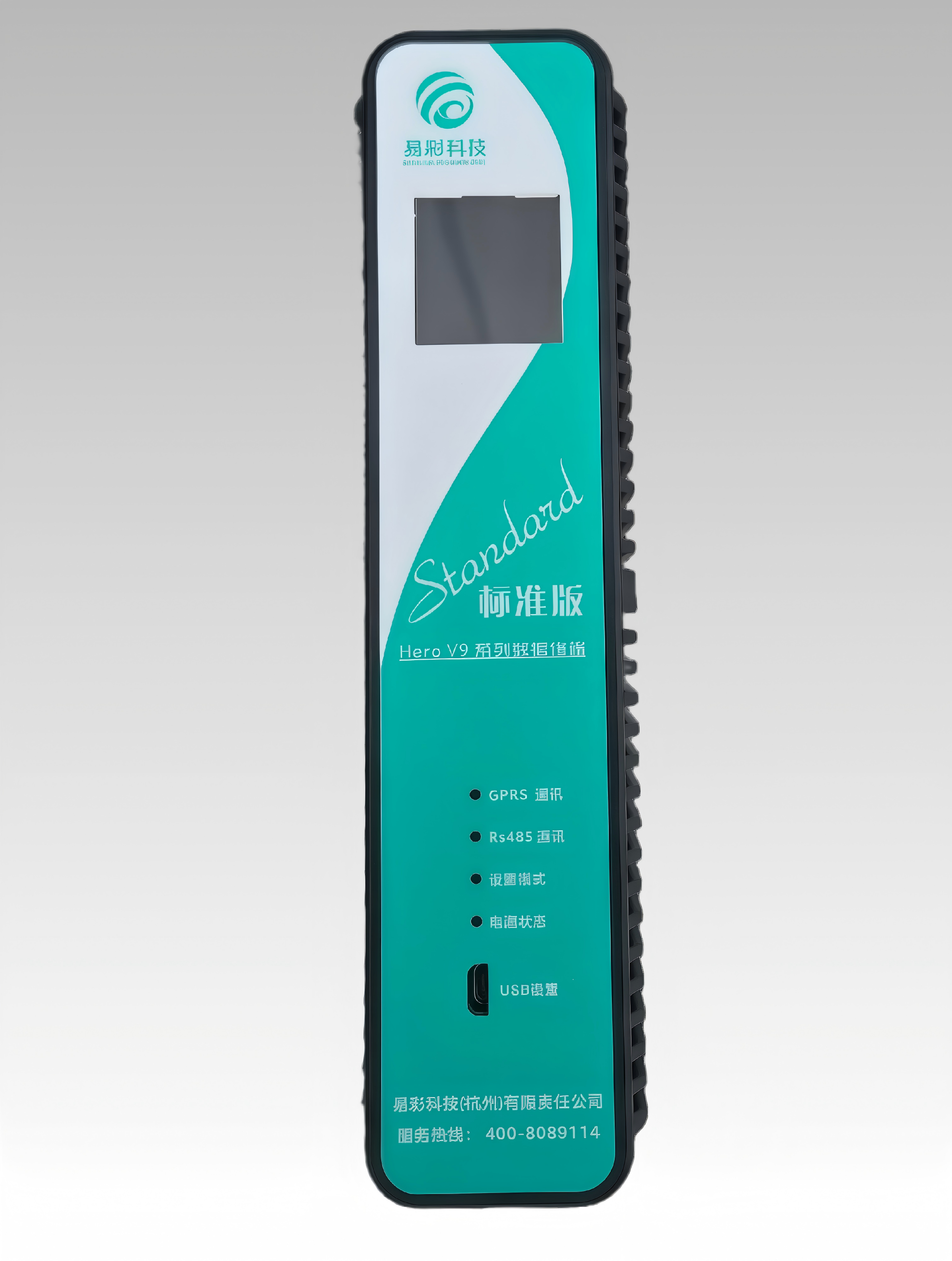
HERO V9-EC32 Hydrology RTU | Remote Terminal Unit
This product has the functions of remote data collection, control and communication. It can receive ...
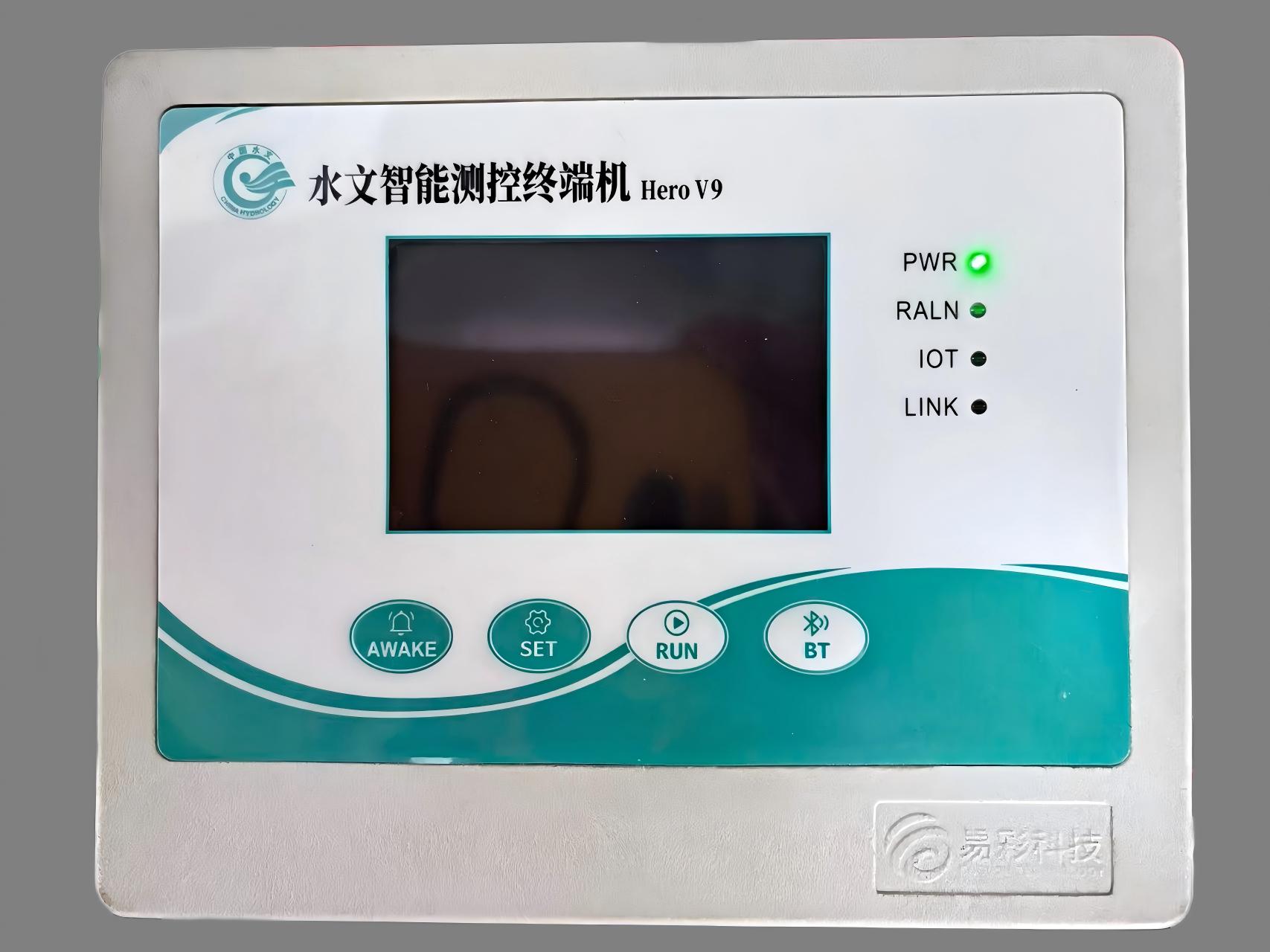
Hydrological Intelligent Monitoring and Control Terminal (Hero V9 Series - EC32)
The Hydrological Intelligent Monitoring and Control Terminal (Hero V9 Series - EC32), independently ...
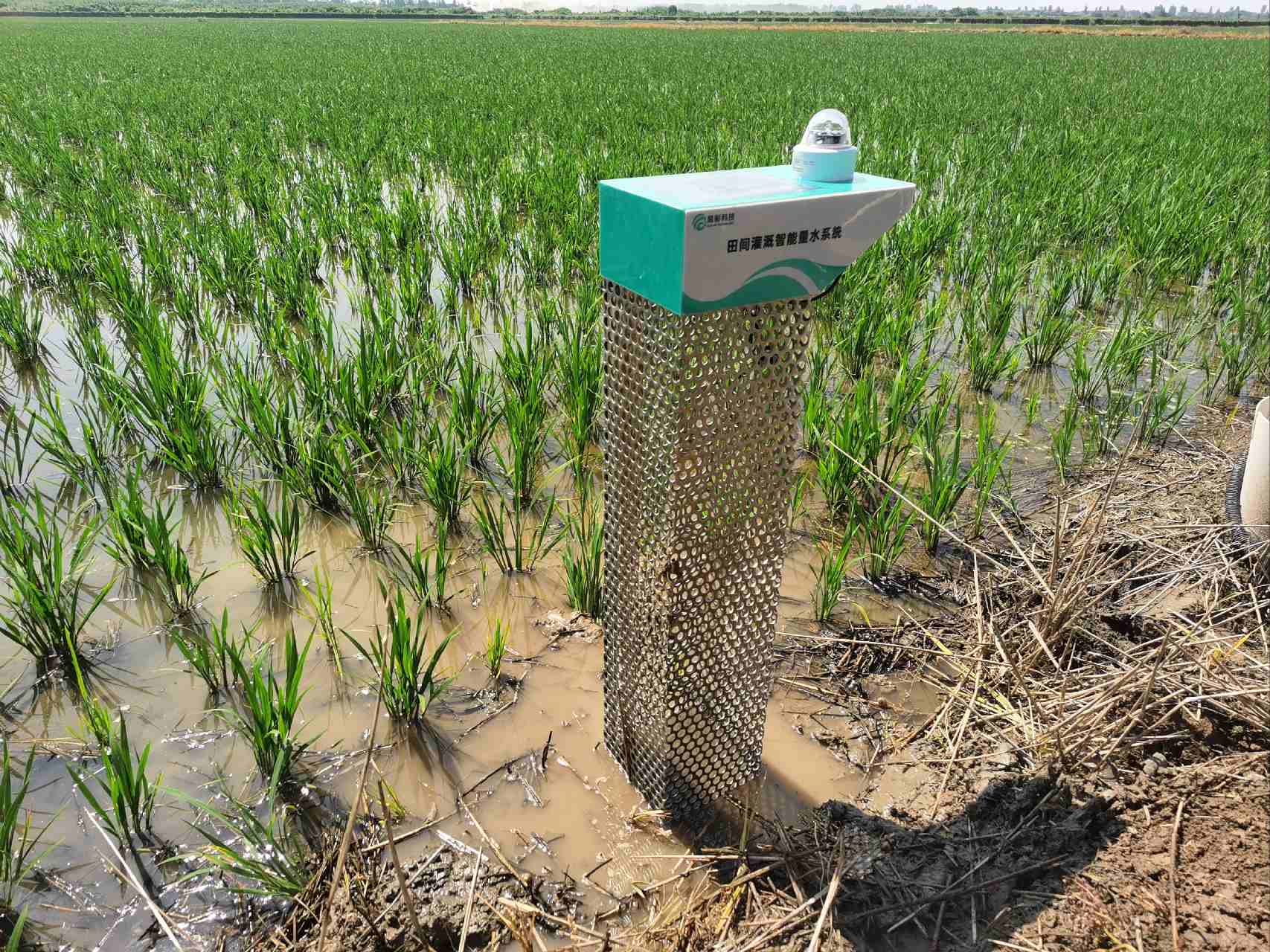
Intelligent Field Water Measurement Device for Irrigation Districts
The Intelligent Field Water Measurement Device for Irrigation Districts, independently developed and...
❓ Related FAQs
Related Solutions
Compact Water Quality Monitoring Station Solution for Township River Cross-Section Assessment
Micro-Power Self-Powered Portable Telemetry Terminal for Emergency Water Source Quality Monitoring
Visual Fusion Radar Water Level Gauge for Non-Contact Level Measurement in Hydropower Forebays and Tailraces

Ready to Optimize Your Business?
Contact us, and our professional team will provide customized solutions to help your business achieve digital transformation.
Get In Touch