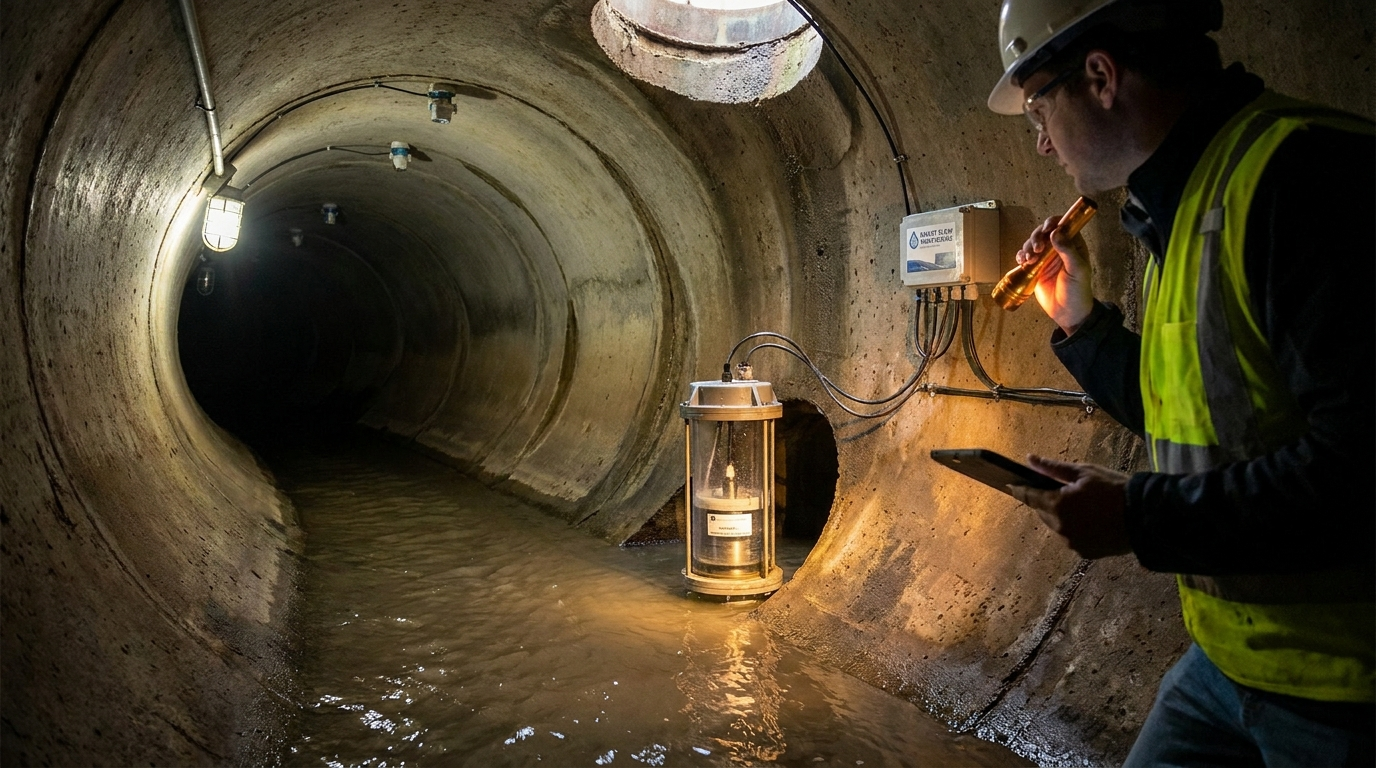
Drainage Network Level Monitoring & Overflow Warning Solution
A comprehensive solution for urban drainage networks, stormwater systems, sewer systems, and combined sewers, providing real-time level monitoring, overflow warning, flood risk identification, and emergency dispatch. Effectively prevents urban flooding and water pollution.
Overview
Summary
A comprehensive solution for urban drainage networks, stormwater systems, sewer systems, and combined sewers, providing real-time level monitoring, overflow warning, flood risk identification, and emergency dispatch. Effectively prevents urban flooding and water pollution.
Key Advantages
Challenges
- Urban drainage networks are vast, making it difficult to monitor level data in real time
- During heavy rainfall, full-pipe overflows cause urban flooding and road subsidence
- Combined sewer overflow (CSO) events cause rapid deterioration of river water quality
- Pipe siltation and blockage issues are hard to detect in time, reducing drainage capacity
- Lack of historical level data analysis makes overflow risk prediction impossible
- Emergency dispatch lacks real-time data support, resulting in low response efficiency
Results
- 24/7 real-time network level monitoring, overflow detection time reduced from hours to minutes
- Waterlogging warning accuracy improved to 90%+, reducing urban flooding losses by 30-50%
- Combined sewer overflow (CSO) events reduced by 40%+, improving receiving water quality
- Network operating efficiency improved, drainage capacity increased by 15-25%
- Data-driven scientific dispatch reduces manual inspection costs by 50%+
- Network operation database established, providing data support for pipe renovation and planning
Solution Details
The Drainage Network Level Monitoring & Overflow Warning Solution from Ecolor Technology addresses the critical challenges faced by urban drainage systems, including aging infrastructure, insufficient capacity, and pollution from overflows, by providing a comprehensive, real-time monitoring and intelligent alerting system.
Comprehensive Drainage Network Monitoring Solution
Ecolor Technology leverages years of expertise in water monitoring to deliver a full-chain solution. This system encompasses real-time data collection from the drainage network, secure transmission, intelligent warning generation, and supports emergency dispatch. By strategically deploying advanced sensors at critical points and utilizing a cloud-based analysis platform, city managers gain unparalleled visibility into their network's health.
Key Features of the Level Monitoring & Warning System
- Multiple Level Meter Types: Flexible selection from submersible, ultrasonic, and radar water level meters to suit various installation environments.
- Full Coverage of Key Network Nodes: Monitoring deployed at main pipes, branches, manholes, overflow outlets, and pump stations for complete situational awareness.
- RTU Real-Time Collection: High-frequency, second-level data sampling with real-time upload to the central platform.
- Intelligent Warning Model: Multi-level alerts triggered based on water level trends and integrated rainfall forecast data.
- Automatic Overflow Event Identification: Precise detection algorithms that combine flow and level data to confirm overflow incidents.
- Visual Network Map: An intuitive GIS-based interface that overlays real-time level data for immediate comprehension of system status.
- Mobile Monitoring: A dedicated smartphone application allows for real-time access to drainage network status from anywhere.
- Historical Data Analysis: Tools for analyzing long-term network operation trends and predicting future overflow risks.
How the Intelligent Drainage Monitoring System Works
The solution begins with the deployment of robust level meters at key nodes within the drainage network. Data is collected and transmitted via RTU terminals to a secure cloud platform. Here, intelligent algorithms analyze the information, comparing it against thresholds and weather forecasts to generate early warnings. This enables proactive management, helping to prevent urban flooding, reduce water pollution from overflows, and optimize maintenance dispatch.
Core System Components and Technical Capabilities
Sensor Types
Submersible, Ultrasonic, Radar
Data Sampling
Second-level Frequency
Alert Types
Multi-level, Trend-based
Platform Access
Web & Mobile App
Data Integration
Rainfall Forecasts
Primary Output
Overflow Risk Prevention
Approach
How we implement intelligence into your infrastructure step by step.
Step 1: Network Survey & Node Planning
Conduct comprehensive drainage network survey to identify key monitoring points (low-lying areas, overflow-prone points, critical sections, outlets) and develop scientific monitoring plans
Step 2: Level Meter Deployment
Deploy submersible level meters (for full-pipe conditions) or ultrasonic level meters (for non-full-pipe conditions) at key nodes
Step 3: RTU Terminal Installation & Networking
Configure RTU terminals at each monitoring point for real-time level data collection and remote transmission, supporting 4G/5G/wired communication
Step 4: Warning Model Development
Based on historical level data, network topology, and rainfall forecasts, establish intelligent overflow warning models with multi-level warnings
Step 5: Dispatch Integration & Continuous Optimization
Automatic linkage with pump station dispatch and gate control upon warning trigger, continuously optimize warning thresholds and dispatch strategies
Recommended Hardware
Essential components for this solution.
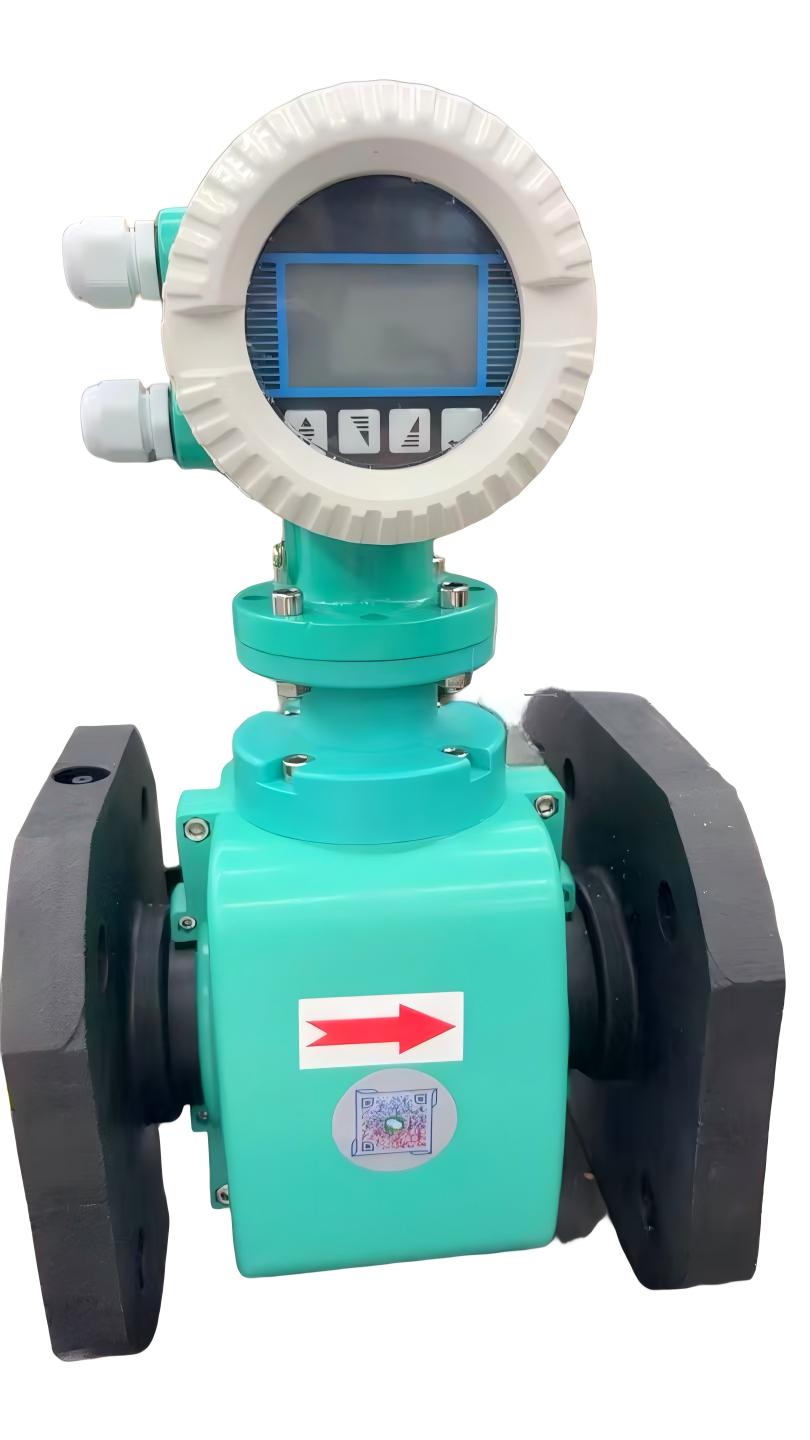
Integrated Electromagnetic Flowmeter
Ecolor's self-developed aerospace polymer material electromagnetic flowmeter is suitable for flow me...
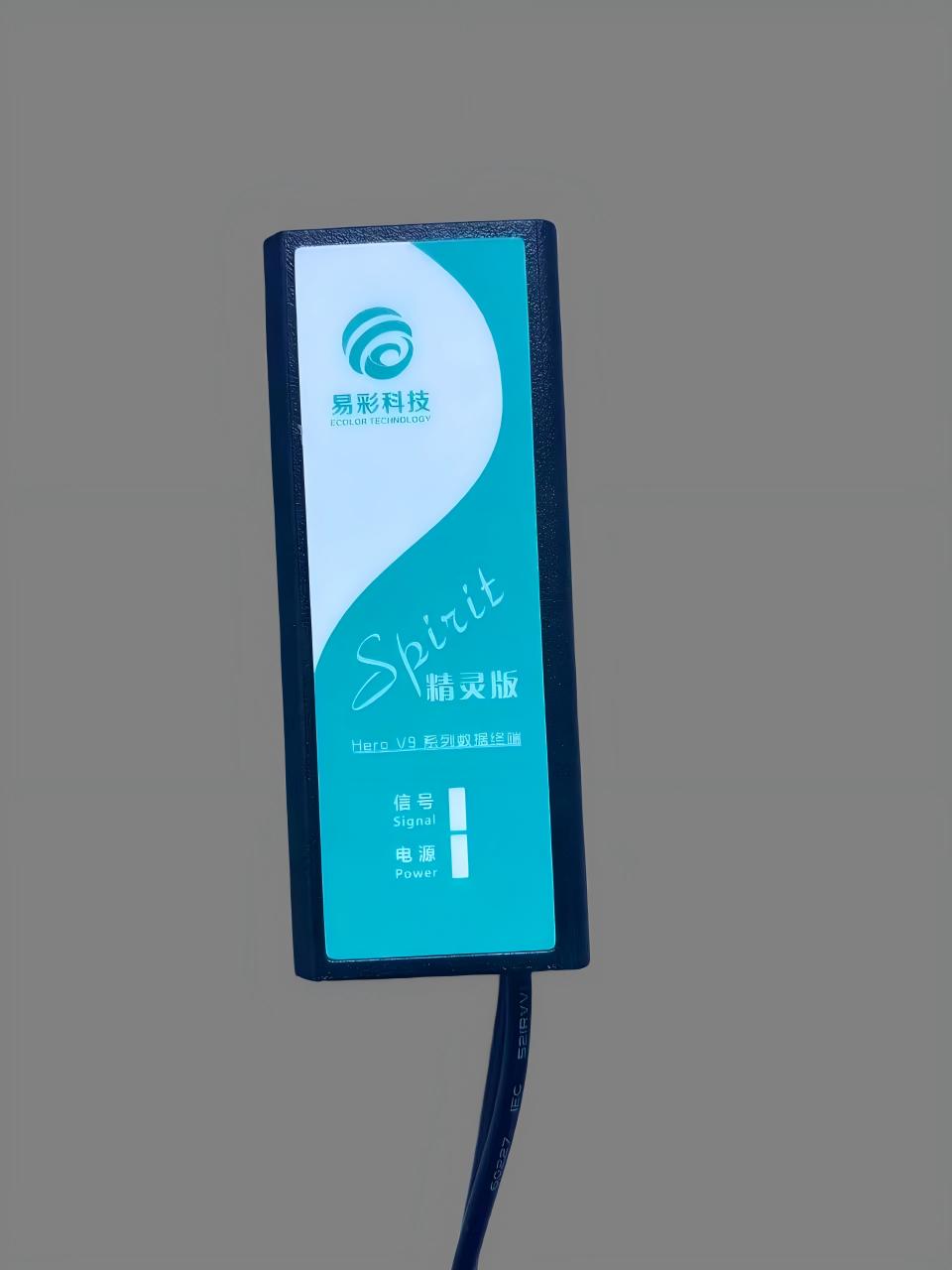
Measurement and Control Terminal (Hero V9 Series - EC60)
The Measurement and Control Terminal (Hero V9 Series - EC60) is a meticulously developed terminal pr...
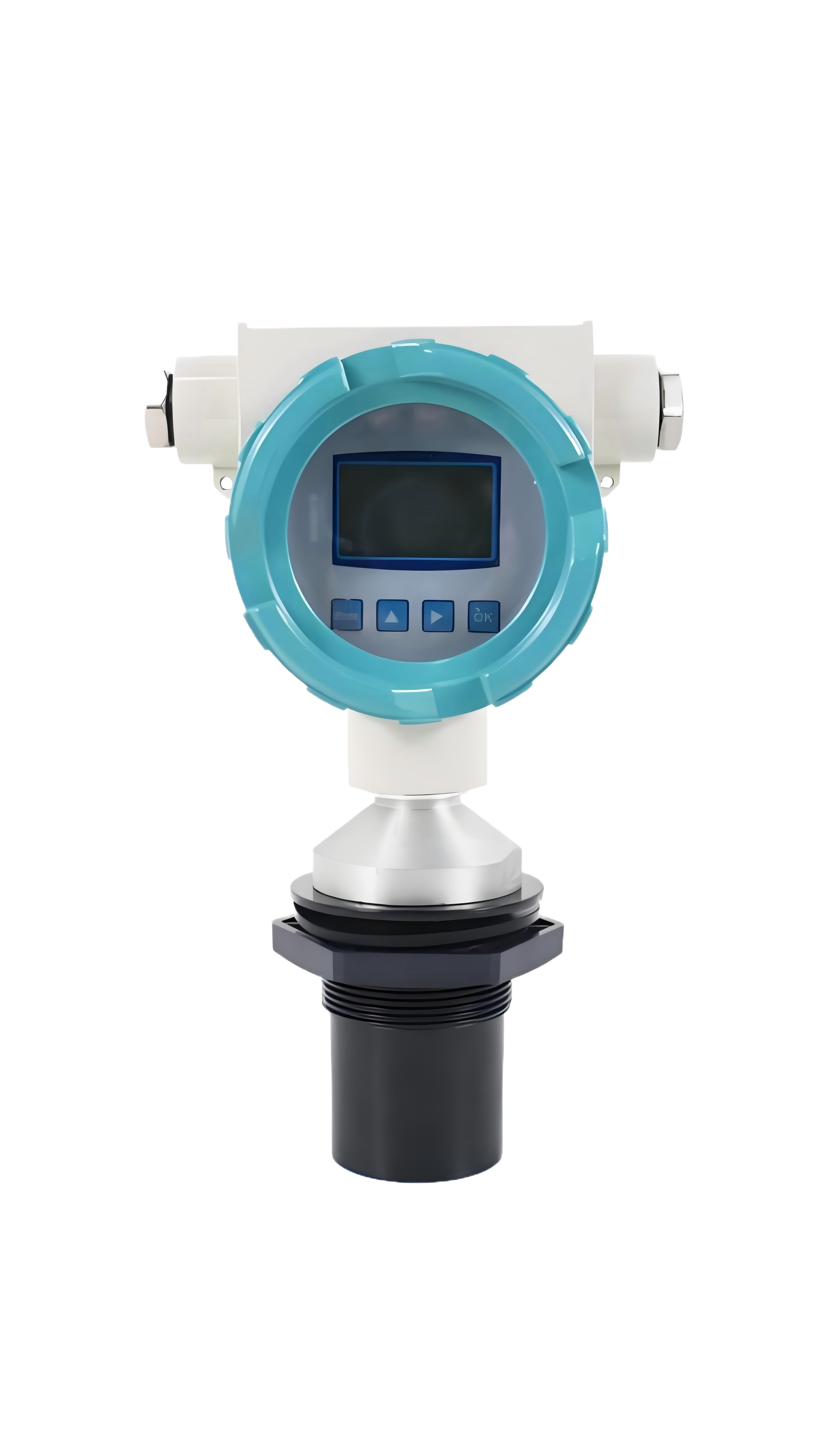
Ultrasonic Level Meter
The ultrasonic level meter is an instrument that utilizes ultrasonic technology for liquid level mea...
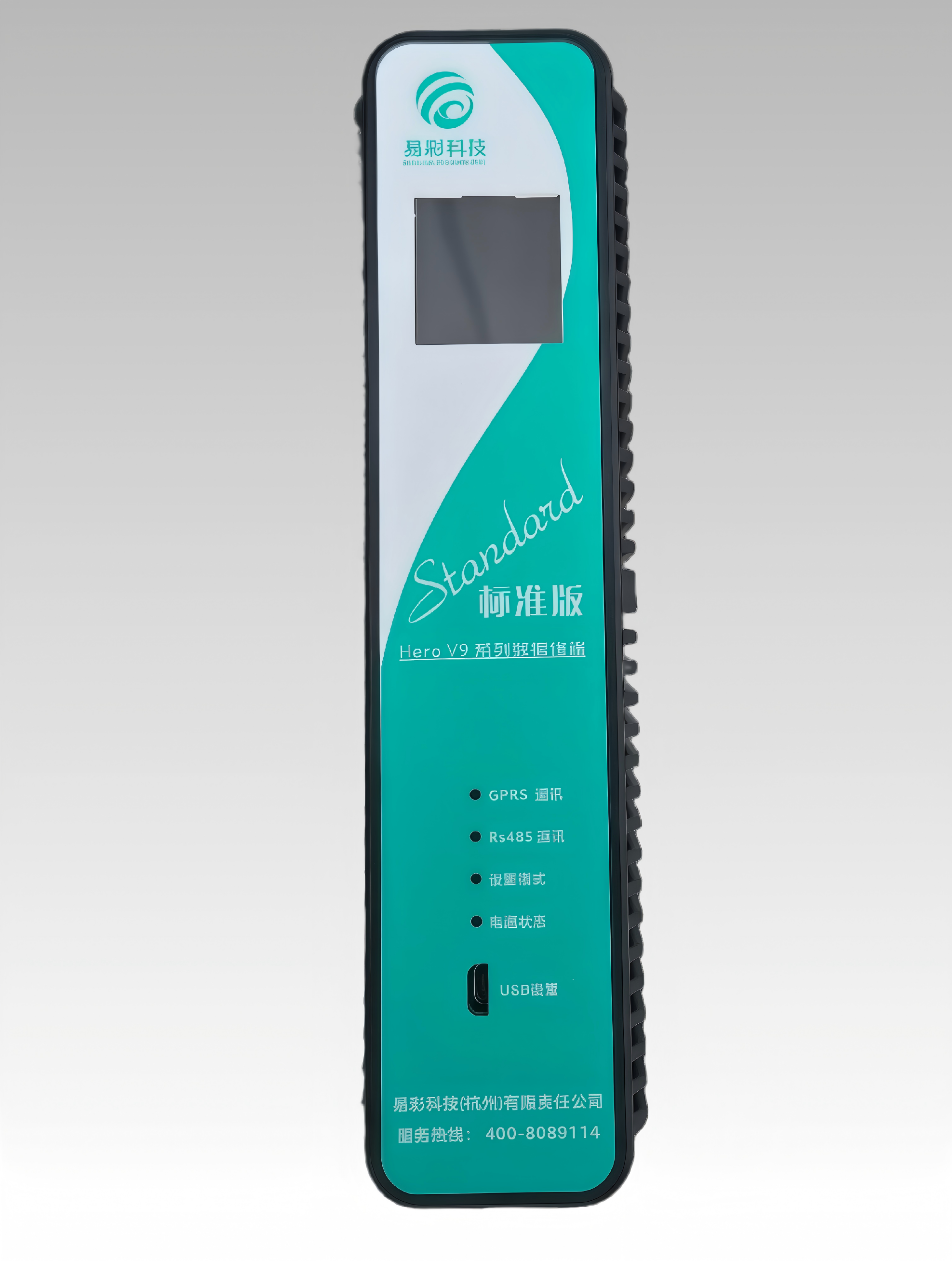
Measurement and Control Terminal Machine (Hero V9 Series - EC32)
This product has the functions of remote data collection, control and communication. It can receive ...
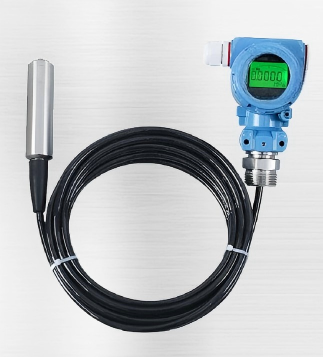
Submersible Level Transmitter
The submersible level transmitter operates on the principle that the static pressure of a liquid is ...
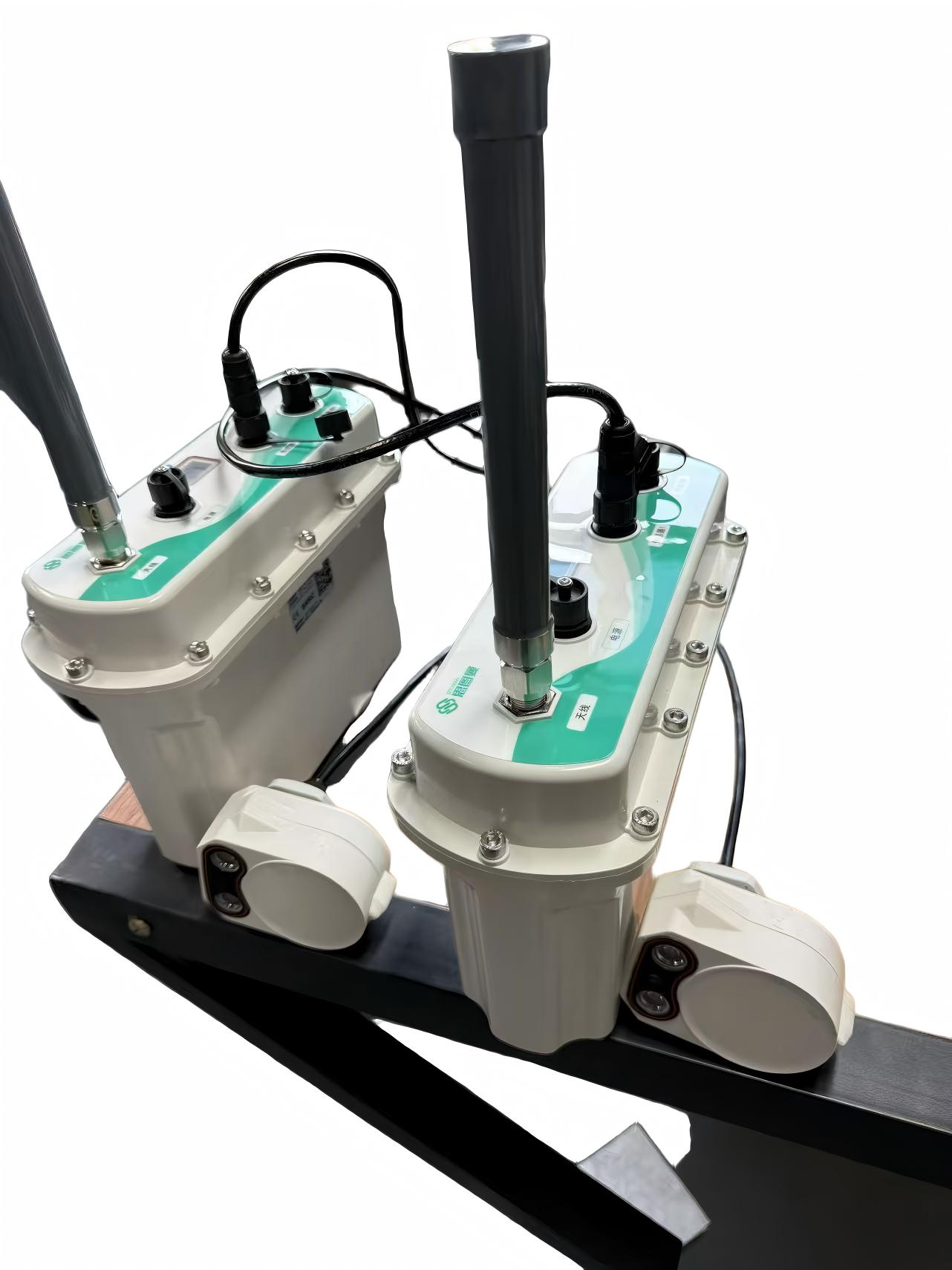
Visual Radar Water Level Gauge
The Visual Radar Water Level Gauge series is independently innovated and developed by Ecolor. Notabl...

Ready to Optimize Your Business?
Contact us, and our professional team will provide customized solutions to help your business achieve digital transformation.
Get In Touch