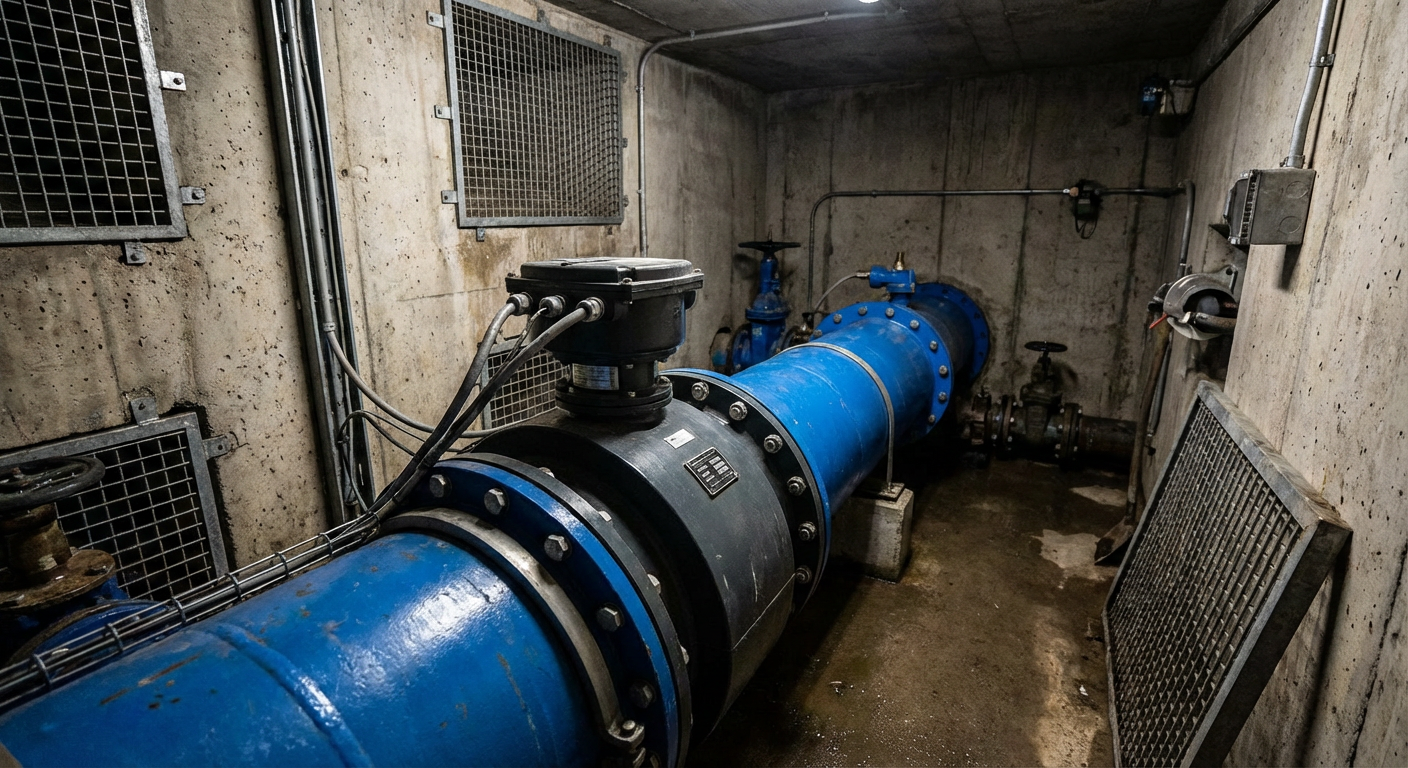
Pipeline Leakage Detection and DMA District Metering System Solution
DMA-based water distribution network leakage detection and precision location system to reduce non-revenue water
Overview
Summary
DMA-based water distribution network leakage detection and precision location system to reduce non-revenue water
Key Advantages
Challenges
- Average urban water network leakage rate exceeds 14%, with some old districts over 30%
- Traditional manual leak detection is inefficient with poor accuracy for underground leaks
- Complex network topology and diverse pipe materials lack fine-grained management tools
- Minimum Night Flow analysis is affected by user consumption patterns causing assessment bias
- Leak detection data is siloed from GIS, SCADA, and billing systems
Results
- 86 DMA zones established reducing leakage from 22% to 11%, saving 8M tons annually
- 42 hidden leaks located and repaired within 3 months through MNF analysis
- 18-month ROI with over ¥20M annual water savings for a provincial capital city project
- 75% reduction in pipe burst incidents through precise pressure management
- 200% improvement in leakage management efficiency through DMA-GIS-SCADA integration
Solution Details
Policy Background for Pipeline Leakage Detection and DMA Systems
Non-revenue water (NRW) remains one of the biggest challenges for water utilities worldwide. The International Water Association (IWA) recognizes DMA (District Metered Area) management as the most effective approach to leakage control. China has set a national target of reducing urban water network leakage below 9% by 2025.
Technical Highlights: Intelligent MNF Analysis and Precision Leak Location
Ecolor's DMA metering system uses high-precision LGF electromagnetic flowmeters with Hero V9 RTU terminals for real-time boundary flow and pressure monitoring. Built-in MNF algorithms automatically establish baseline night consumption for each DMA and evaluate leakage volumes. Hierarchical DMA analysis narrows leak locations to within 50 meters.
Key Features of the DMA District Metering System
- DMA zone delineation and boundary flow monitoring
- Automatic Minimum Night Flow (MNF) analysis and leakage assessment
- Pressure zone management and burst pipe early warning
- Leakage heat map visualization and repair prioritization
- Data fusion with GIS/SCADA/billing systems
- Non-revenue water analysis and automated KPI reporting
Application Scenarios for Leakage Detection Solutions
Urban water utility NRW reduction, new network DMA construction, old network retrofit assessment, and industrial park internal network management.
System Architecture of the Pipeline Leakage Detection Solution
Four-layer architecture: metering terminals (flowmeters + pressure sensors + RTU); transmission (4G/NB-IoT/Ethernet); management platform (data aggregation, MNF analysis, GIS display); business applications (leak investigation, KPI reports, pressure management).
Leak Location Precision
Within 50 meters
Target Leakage Rate
Below 9% (China 2025 Goal)
Core Technology
MNF Algorithm & Hierarchical Analysis
Approach
How we implement intelligence into your infrastructure step by step.
Network Analysis & DMA Planning
Hydraulic model analysis based on GIS data to determine DMA zones, boundary metering points, and valve positions.
Metering Equipment Deployment
Install Ecolor LGF electromagnetic or clamp-on ultrasonic flowmeters at DMA boundaries with Hero V9 RTU for real-time data collection.
Platform Setup & Model Calibration
Build DMA leakage management platform, import GIS and customer data, establish MNF analysis models.
Leak Detection & Repair
Prioritize high-leakage DMAs based on MNF analysis, use correlation loggers for precise leak location.
Continuous Monitoring & Optimization
Ongoing DMA leakage trend monitoring, automated assessment reports, and dynamic DMA optimization.
Recommended Hardware
Essential components for this solution.
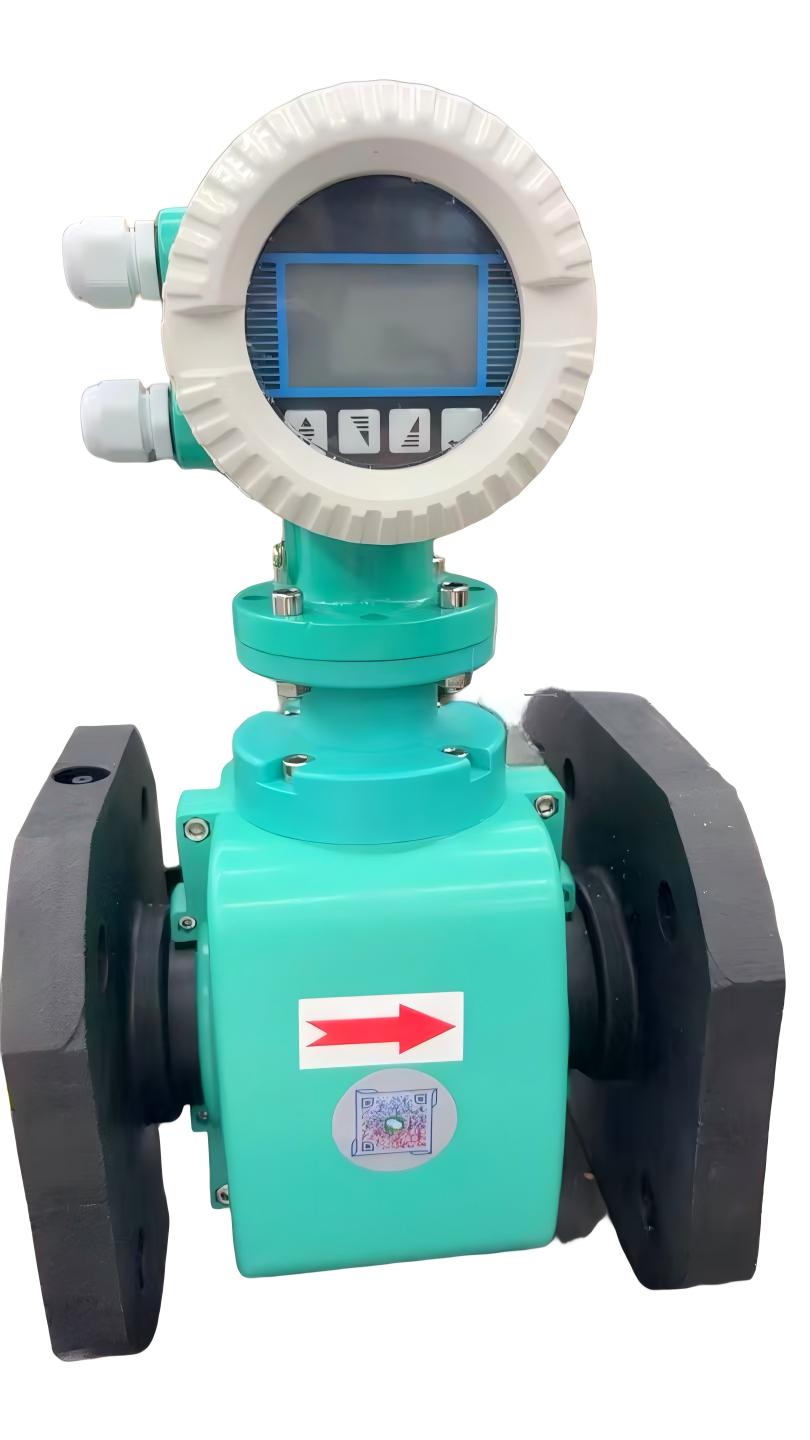
Integrated Electromagnetic Flowmeter
Ecolor's self-developed aerospace polymer material electromagnetic flowmeter is suitable for flow me...
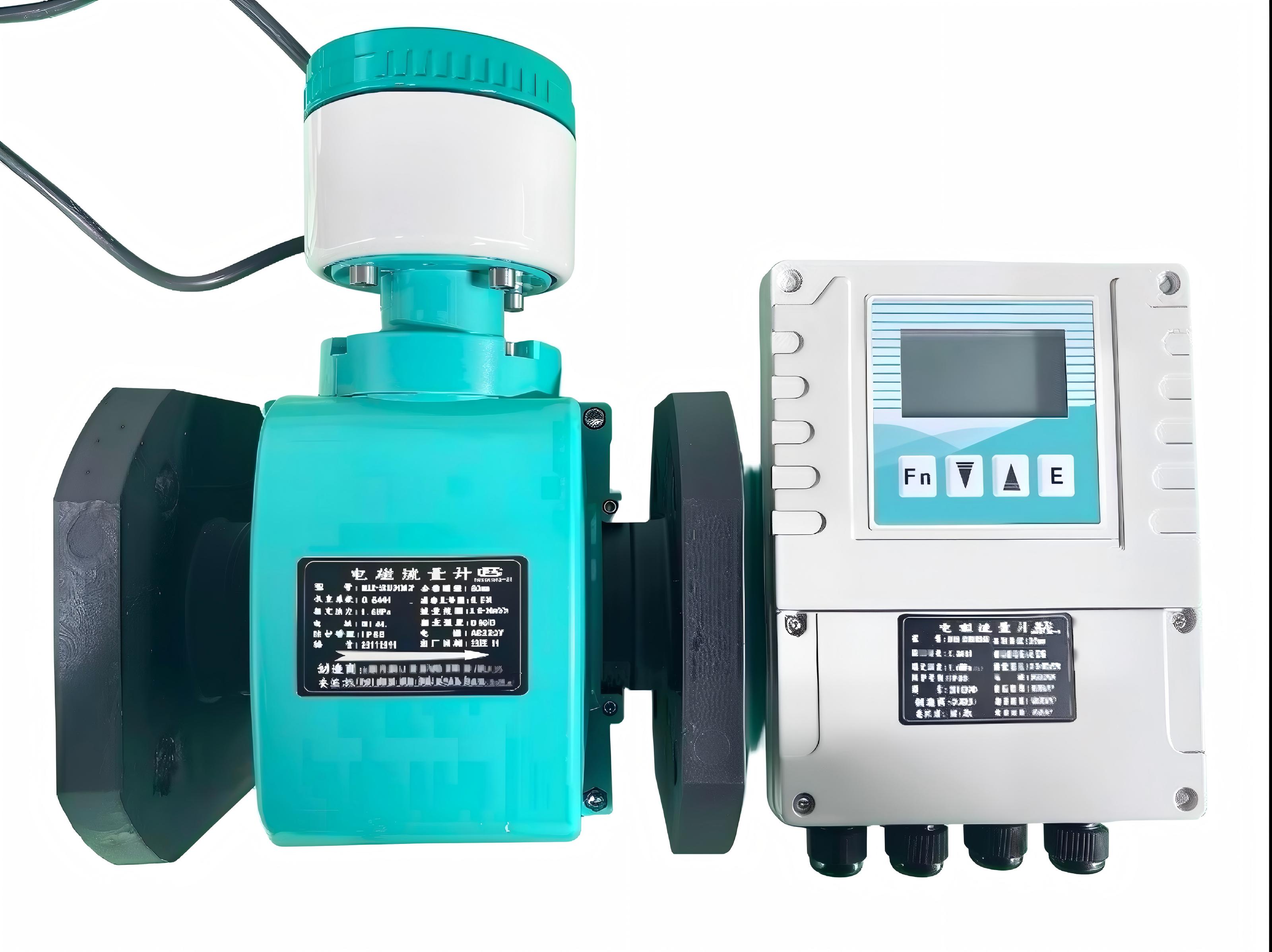
Split-Type Electromagnetic Flowmeter
Ecolor's self-developed split-type electromagnetic flowmeter, made from aerospace-grade polymer mate...
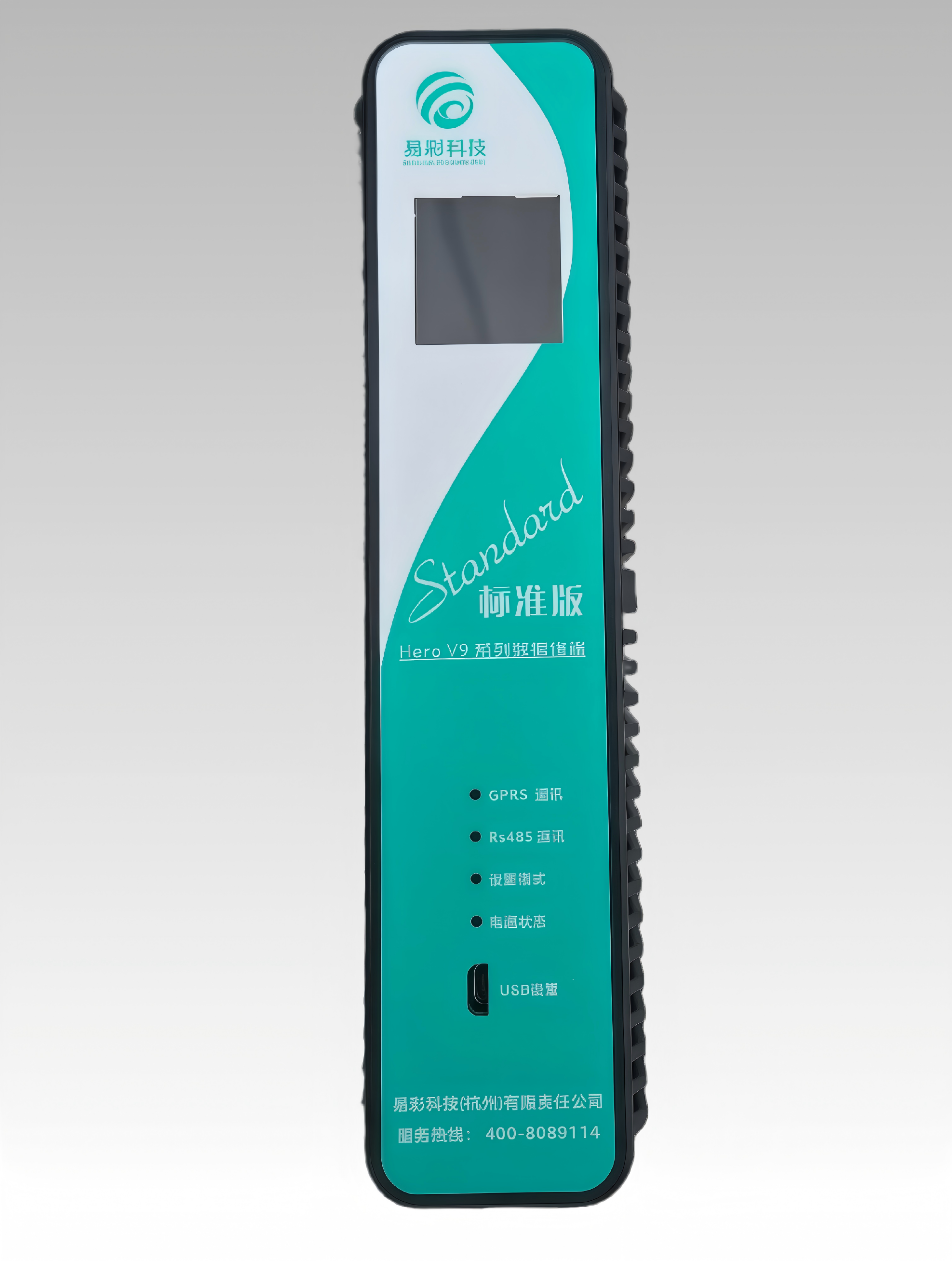
Measurement and Control Terminal Machine (Hero V9 Series - EC32)
This product has the functions of remote data collection, control and communication. It can receive ...
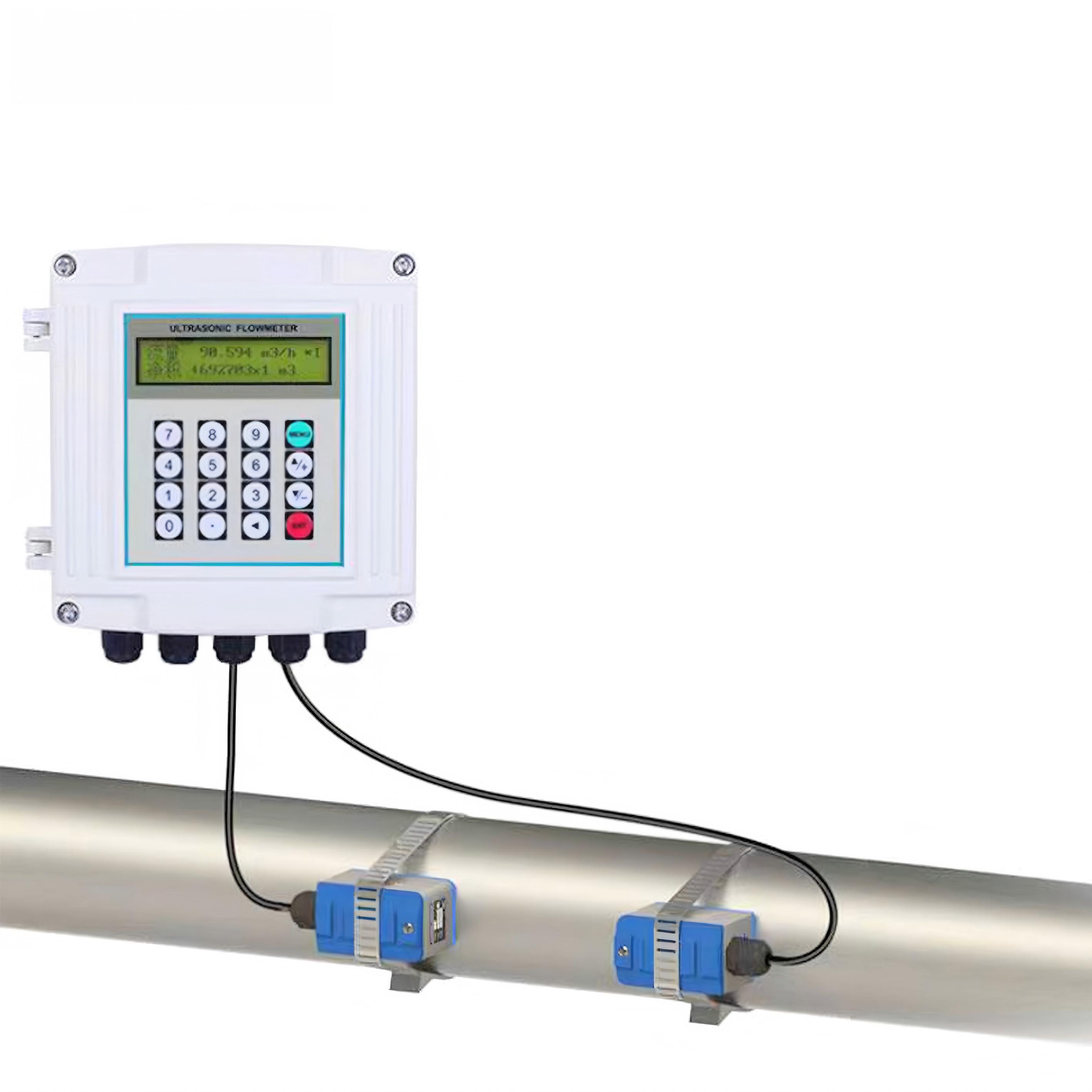
Clamp-on Ultrasonic Flow Meter
Measures pure liquids without pipe cutting, ideal for non-invasive measurement of relatively clean l...

Ready to Optimize Your Business?
Contact us, and our professional team will provide customized solutions to help your business achieve digital transformation.
Get In Touch